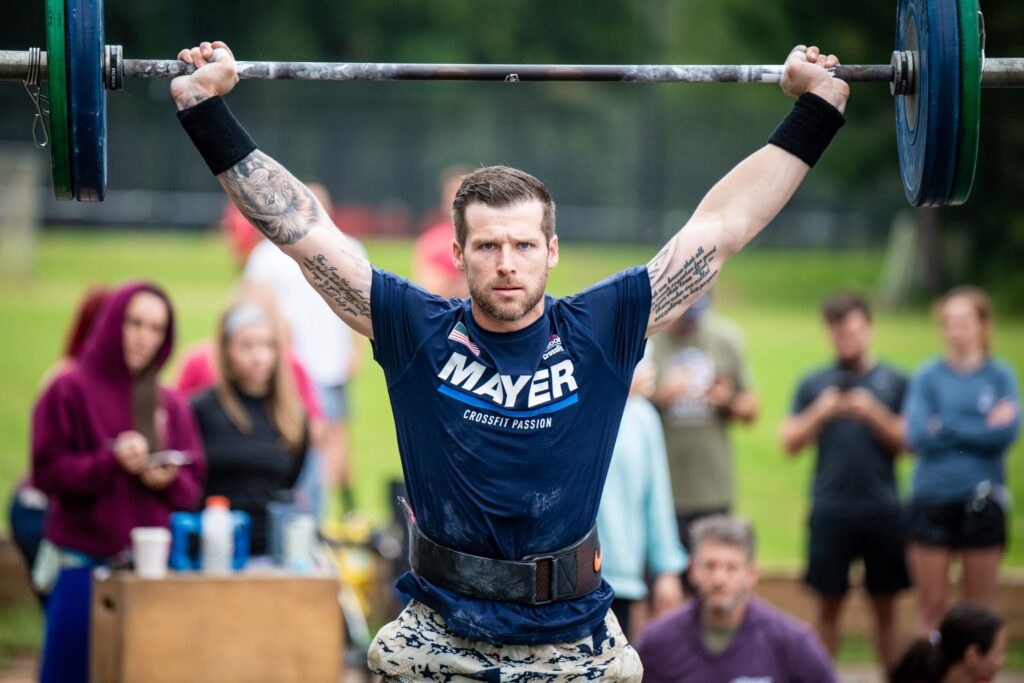
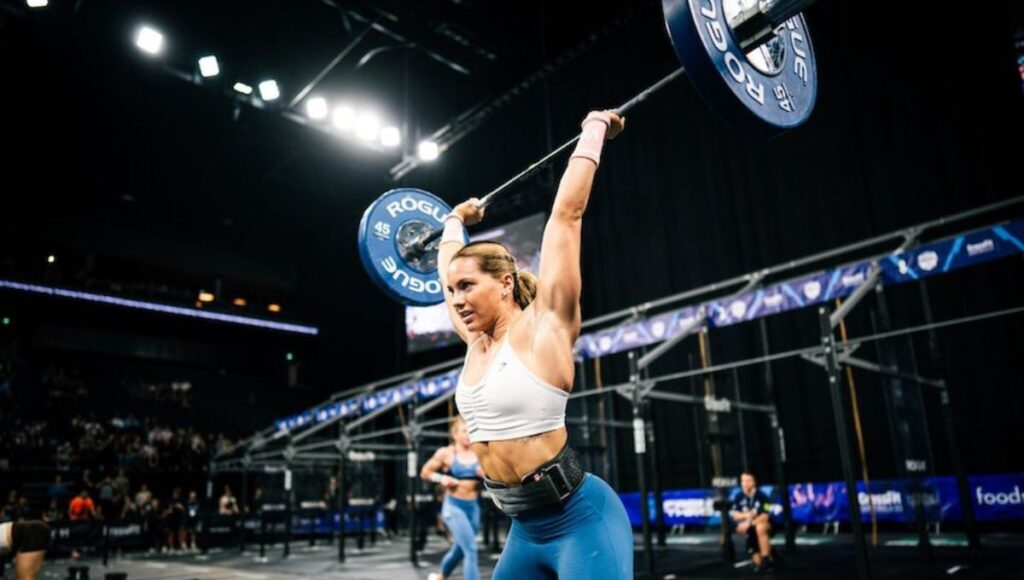
Building strong, defined biceps is a common goal for many gym-goers, and using barbells is one of the most effective ways to target these muscles. Whether you’re looking to improve your aesthetics or boost your pulling strength, barbell exercises can help you achieve these goals efficiently.
Below, we’ll explore the three best bicep exercises you can do with barbells, detailing why they work, how to perform them correctly, and the scientific research supporting their effectiveness.


Anatomy of the Biceps
Before diving into the exercises, it’s important to understand the structure of the biceps to know how to target them effectively. The biceps brachii is a two-headed muscle that consists of the long head and the short head. These heads work together to allow flexion of the elbow and supination of the forearm, both key functions in lifting movements. Engaging both heads through a variety of exercises ensures balanced bicep development.
Why Use Barbells for Bicep Training?
Barbells offer several advantages for bicep training. They allow for the use of heavier loads compared to dumbbells, which can lead to greater overall muscle activation and growth. Barbells also provide a stable platform for bilateral movements, helping to ensure even development across both arms. Research supports the idea that compound free-weight exercises, such as barbell curls, generate higher levels of muscle activation compared to machine-based exercises .
Barbell Curl
The barbell curl is the quintessential bicep exercise, offering one of the most direct ways to target and develop the biceps brachii. This exercise is excellent for building both strength and size due to its simplicity and effectiveness. A study published in the Journal of Strength and Conditioning Research showed that the barbell curl produces greater muscle activation in the biceps compared to other curling variations .
How to Perform the Barbell Curl:
- Stand with your feet shoulder-width apart and hold a barbell with an underhand grip (palms facing up).
- Keep your elbows close to your torso and your upper arms stationary.
- Curl the barbell upward by contracting your biceps, making sure only your forearms move.
- Squeeze the biceps at the top of the movement, then slowly lower the barbell back to the starting position.
Tips for Maximising Effectiveness:
- Focus on controlled movement, especially during the lowering phase (eccentric contraction). This increases time under tension, promoting hypertrophy.
- Avoid using momentum to lift the barbell. Engaging other muscles like the shoulders or lower back can reduce bicep activation.
- Use a full range of motion to ensure the muscle is fully engaged.
Variations:
- Close-grip barbell curl: A closer grip places more emphasis on the long head of the biceps, helping to build the peak of the muscle.
- Wide-grip barbell curl: A wider grip shifts more of the focus onto the short head of the biceps, contributing to overall thickness.
Reverse Grip Barbell Curl
The reverse grip barbell curl is an often overlooked exercise but is crucial for balanced bicep development. While it still targets the biceps brachii, this exercise also engages the brachialis—a muscle located underneath the biceps—as well as the brachioradialis, which runs along the forearm. This exercise can help improve overall arm size and strength, especially for those looking to strengthen their grip and forearm muscles in addition to their biceps.
A study in Sports Biomechanics demonstrated that reverse grip curls activate both the biceps and the forearm muscles significantly, leading to more comprehensive upper limb development .
How to Perform the Reverse Grip Barbell Curl:
- Stand with your feet shoulder-width apart and grip a barbell with an overhand (pronated) grip, hands about shoulder-width apart.
- Keep your elbows close to your body, and curl the barbell upward by bending at the elbows.
- Focus on lifting the weight with your forearms and biceps while maintaining a straight wrist position.
- Lower the barbell in a controlled manner back to the starting position.
Benefits of the Reverse Grip Barbell Curl:
- Enhances forearm and grip strength, which is beneficial for pulling exercises like deadlifts and pull-ups.
- Targets the brachialis muscle, which can increase the overall size of your upper arm when developed.
- Provides variety to your bicep training, preventing plateaus.
Variations:
- E-Z Bar Reverse Curl: Using an E-Z bar instead of a straight bar can reduce the strain on your wrists, making this exercise more comfortable for those with joint issues.
Barbell Drag Curl
The barbell drag curl is a lesser-known but highly effective variation that focuses on isolating the biceps brachii while minimising involvement from other muscles. This movement differs from the standard barbell curl in that the elbows are pulled backward, which shifts the focus entirely onto the biceps, particularly the long head. This leads to a greater contraction and improved muscle activation.
According to research published in the European Journal of Applied Physiology, exercises that target specific angles of muscle fibres, like the drag curl, can lead to better hypertrophic outcomes by stimulating different portions of the muscle .
How to Perform the Barbell Drag Curl:
- Hold the barbell with an underhand grip, your hands about shoulder-width apart.
- Stand upright and keep your elbows close to your sides, but instead of curling the barbell straight up, drag it up along your torso.
- As you lift, your elbows should move behind your body, keeping them as close to your sides as possible.
- Squeeze your biceps at the top of the movement before slowly lowering the barbell back to the starting position.
Benefits of the Drag Curl:
- Isolates the biceps more effectively than traditional curls, limiting the involvement of the shoulders.
- Enhances the peak contraction of the biceps, leading to greater muscle stimulation.
- Offers a new stimulus for bicep growth, especially if you’ve plateaued with standard curls.
Tips for Maximising Effectiveness:
- Use a lighter weight for drag curls than you would for traditional barbell curls. The goal here is isolation, not maximal load.
- Maintain a slow and controlled tempo to maximise the tension on your biceps throughout the movement.
Variations:
- Smith Machine Drag Curl: Performing drag curls on a Smith machine can provide additional stability, allowing you to focus entirely on the contraction of the biceps.
The Importance of Progressive Overload
For continued muscle growth, it’s crucial to apply the principle of progressive overload. This means gradually increasing the weight, reps, or intensity of your workouts over time to continually challenge the muscles. Research consistently shows that progressive overload is a key factor in muscle hypertrophy . When performing barbell exercises, aim to increase your workload incrementally to ensure you’re constantly stimulating muscle growth.
Recovery and Nutrition for Optimal Bicep Growth
While training intensity is essential, recovery and nutrition play an equally important role in muscle growth. Studies suggest that muscle protein synthesis remains elevated for up to 48 hours after resistance training . To maximise recovery, ensure you’re consuming enough protein—approximately 1.6-2.2 grams per kilogram of body weight daily—to support muscle repair and growth .
Adequate sleep and hydration are also crucial for recovery. Sleep deprivation has been linked to decreased muscle recovery and performance, while proper hydration ensures nutrient transport and optimal muscle function .
Common Mistakes to Avoid
While barbell exercises for the biceps are relatively simple, there are common mistakes that can hinder progress or even lead to injury:
- Using too much weight: This can cause you to swing the barbell, relying on momentum rather than muscle activation.
- Inconsistent form: Always ensure proper technique to avoid unnecessary strain on your joints and maximise muscle engagement.
- Neglecting other muscle groups: While targeting the biceps is important, don’t neglect other upper-body muscles like the triceps and shoulders. A well-rounded training programme will prevent imbalances and improve overall strength.
Conclusion
Barbell exercises for the biceps offer a straightforward yet highly effective way to build muscle mass and strength. The barbell curl, reverse grip barbell curl, and barbell drag curl are among the best exercises you can incorporate into your routine to target the biceps from different angles and with varying degrees of intensity. By focusing on proper form, utilising progressive overload, and ensuring adequate recovery, you can maximise your results and achieve stronger, more defined biceps.
Key Takeaways
| Key Points | Details |
|---|---|
| Barbell Curl | A fundamental exercise for bicep growth, allowing for heavier weights and maximum muscle activation. |
| Reverse Grip Barbell Curl | Targets both the biceps and forearm muscles, providing balanced upper-limb development. |
| Barbell Drag Curl | Isolates the biceps more effectively, enhancing peak contraction and muscle stimulation. |
| Progressive Overload | Gradually increase the weight or intensity to continually challenge and grow the muscles. |
| Proper Recovery and Nutrition | Adequate protein intake and recovery are crucial for maximising muscle growth and strength gains. |