Everyone wants to feel stronger, look leaner, and live a long, healthy life. But there’s one major roadblock that can hold you back: diet. Food fuels every aspect of your body, from muscle growth to fat loss, to even your lifespan. While there’s no magical diet that guarantees instant results, a few key changes can transform your health in ways that you might not have expected.
In this article, we’ll dive into four science-backed dietary changes that not only help with weight loss and muscle gain but can also increase your lifespan. Whether you’re aiming to shed a few pounds, gain muscle mass, or simply improve your overall well-being, these diet tips are essential. Plus, they are surprisingly simple!


1. Prioritise Protein Intake
Protein is the building block of muscles, and without enough of it, your muscle-building goals will fall short. But protein does more than just support muscle growth — it can also help you lose weight and improve longevity.
Why Protein is Key for Weight Loss
- Protein is more satiating than carbs or fats, meaning it keeps you fuller for longer. This can naturally reduce calorie intake throughout the day.
- Studies show that diets higher in protein help boost metabolism through something called the “thermic effect of food” (TEF). Simply put, your body burns more calories digesting protein compared to other macronutrients .
- High-protein diets have been linked to a decrease in cravings, particularly for sugary and high-fat foods, which can derail weight loss efforts .

3 Ways to Lose Belly Fat That Have Nothing to Do With Cardio
Protein for Muscle Growth
- When it comes to building muscle, your body needs amino acids, the “building blocks” of protein, to repair and grow new muscle fibres after workouts.
- Eating a protein-rich meal within 30 to 60 minutes of exercising is crucial for maximising muscle protein synthesis.
- Research indicates that consuming between 1.6 to 2.2 grams of protein per kilogram of body weight is optimal for muscle growth.
How Protein Improves Longevity
- Studies suggest that as we age, our muscles become more resistant to protein. This means older adults need even more protein to maintain muscle mass.
- A diet rich in plant-based proteins, such as legumes, nuts, and seeds, is associated with lower mortality rates and a longer life.
What to Do:
- Aim for 25-30 grams of protein per meal.
- Include a variety of protein sources: lean meats, eggs, dairy, legumes, and plant-based options.
- Snack on protein-rich foods like Greek yoghurt, cottage cheese, or protein shakes.
2. Reduce Processed Sugars and Refined Carbs
Sugar and refined carbs are among the biggest culprits behind weight gain and poor metabolic health. Cutting down on these can lead to significant improvements in how your body looks and feels.
Why You Should Cut Back on Sugar for Weight Loss
- Sugar provides empty calories — it doesn’t fill you up, and it leads to quick spikes and crashes in blood sugar levels, causing hunger to return soon after eating.
- Excessive sugar intake is strongly linked to obesity, especially in the form of sugary drinks and desserts.
- High sugar intake can also interfere with fat loss by promoting insulin resistance, a condition where the body struggles to use insulin effectively, leading to more fat storage.

Refined Carbs and Muscle Health
- Refined carbs like white bread, pastries, and sugary cereals lack fibre and essential nutrients. These cause rapid spikes in insulin, leading to increased fat storage instead of muscle growth.
- Replacing refined carbs with whole grains like oats, brown rice, and quinoa provides a steady release of energy that supports your workouts and muscle recovery.
The Longevity Factor
- Diets high in processed sugars and refined carbs are associated with chronic diseases like type 2 diabetes, heart disease, and even cancer.
- Lowering your intake of refined sugars can improve your metabolic health, which is a key predictor of a long and healthy life.
What to Do:
- Replace sugary drinks with water, herbal teas, or unsweetened beverages.
- Choose whole grains like oats, quinoa, and brown rice over refined carbs.
- Read labels carefully — sugar is often hidden in many processed foods under names like fructose, dextrose, and corn syrup.
All You Need to Know About Ashwagandha for Your Fitness Goals
3. Focus on Healthy Fats
Fat has had a bad reputation for decades, but recent research shows that certain fats are crucial for health, weight loss, muscle gain, and even longevity. The key is to choose the right types of fats.
Healthy Fats for Weight Loss
- Contrary to popular belief, eating fat won’t make you fat. In fact, healthy fats are highly satiating, which can help reduce overall calorie intake.
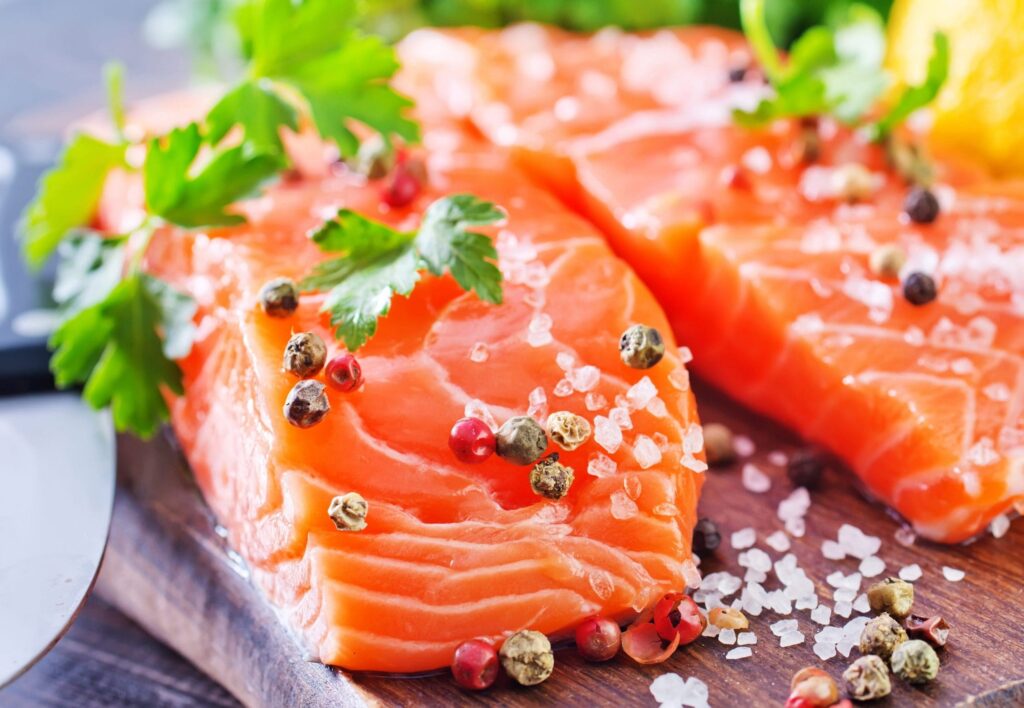
- Foods rich in omega-3 fatty acids, such as salmon, walnuts, and flaxseeds, are especially good for reducing inflammation and boosting fat loss.
- Monounsaturated fats (found in olive oil, avocados, and nuts) have been shown to improve fat burning and reduce the storage of belly fat .
Muscle Gains from Fats
- Your body needs fat to produce essential hormones like testosterone, which plays a vital role in muscle growth and recovery.
- Omega-3 fats can also enhance muscle protein synthesis and reduce muscle breakdown.
How Healthy Fats Promote Longevity
- Diets high in healthy fats, particularly those following the Mediterranean diet, have been linked to longer life expectancy and a reduced risk of heart disease.
- Omega-3 fats, in particular, are known for their role in protecting brain health and reducing cognitive decline as you age.
Low-Carb vs Low-Fat Diets: Which One Wins for Effective Weight Loss?
What to Do:
- Incorporate sources of omega-3 fatty acids like fatty fish (salmon, sardines), walnuts, and flaxseeds.
- Cook with olive oil instead of butter or margarine.
- Snack on healthy fat-rich foods like avocado, nuts, and seeds.
4. Embrace a Plant-Based Diet
The rise of plant-based eating isn’t just a trend — it’s backed by plenty of research highlighting its benefits for weight loss, muscle growth, and long-term health. While you don’t have to become fully vegan or vegetarian, increasing your intake of plant-based foods can have a significant impact.
Plant-Based Diets for Weight Loss
- Plant-based diets are naturally lower in calories and higher in fibre, which makes it easier to feel full without overeating.
- Research shows that individuals who eat more plant-based foods tend to have lower body weights and a reduced risk of obesity.
Muscle Building on a Plant-Based Diet
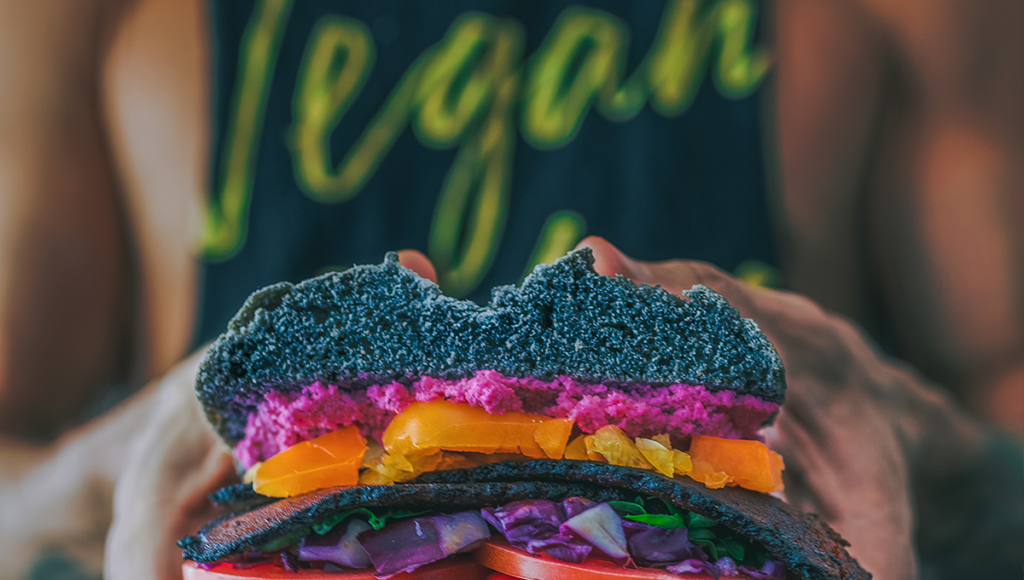
- While plant-based proteins aren’t as concentrated as animal proteins, they can still support muscle growth. You just need to be more mindful about combining different sources of plant proteins (like beans with rice) to get all essential amino acids.
- Legumes, tofu, tempeh, and plant-based protein powders are excellent options to support muscle gains on a plant-based diet.
Longevity Benefits of Plant-Based Diets
- Plant-based diets have been shown to reduce the risk of chronic diseases such as heart disease, diabetes, and cancer.
- Eating more plants can also increase the diversity of your gut microbiome, which is linked to better immune function, lower inflammation, and longer lifespan .
Short-Term Vegan Diet Could Help Slow Biological Aging, Study Finds
What to Do:
- Aim to fill at least half of your plate with plant-based foods like vegetables, fruits, legumes, and whole grains.
- Swap out some animal proteins for plant proteins such as beans, lentils, and tofu.
- Experiment with plant-based meals once or twice a week, incorporating more leafy greens, nuts, seeds, and legumes.
Conclusion
Making lasting changes to your diet doesn’t have to be complicated or overwhelming. By focusing on these four simple yet effective dietary shifts — prioritising protein, reducing processed sugars and refined carbs, embracing healthy fats, and incorporating more plant-based foods — you can create a foundation for weight loss, muscle gain, and long-term health. The best part? These changes are sustainable for life, helping you not only achieve your body goals but also feel better and live longer.
Key Takeaways
| Key Points | Why It Matters |
|---|---|
| Prioritise Protein Intake | Essential for muscle growth, helps with fat loss by boosting metabolism, and promotes longevity by maintaining muscle mass. |
| Reduce Processed Sugars and Refined Carbs | Lowers fat storage, supports steady energy release, and improves metabolic health, which is crucial for weight loss and a longer life. |
| Focus on Healthy Fats | Healthy fats aid in fat loss, improve muscle synthesis, and reduce inflammation, all while supporting heart health and brain function for a longer life. |
| Embrace a Plant-Based Diet | Helps with weight loss, supports muscle building when done right, and is linked to lower risks of chronic diseases and a longer, healthier lifespan. |
Bibliography
- Bray, G. A., et al., 2015. ‘The Thermic Effect of Food: Energy Cost of Meal-Induced Thermogenesis’. Nutr Metab (Lond), 12(1), pp. 1-8.
- Antonio, J., et al., 2014. ‘The Effects of Protein on Muscle Mass, Strength, and Fat Loss: A Review of the Literature’. J Int Soc Sports Nutr, 11(1), pp. 1-10.
- Gardner, C. D., et al., 2017. ‘Effects of a Low-Carbohydrate, High-Fat Diet Compared with a Low-Fat, High-Carbohydrate Diet on Weight Loss and Cardiovascular Risk’. JAMA, 317(1), pp. 32-43.
- Satija, A., et al., 2016. ‘Plant-Based Diets and Risk of Cardiovascular Disease: A Review of the Evidence’. J Am Coll Cardiol, 70(4), pp. 423-442.
- Berryman, C. E., et al., 2013. ‘Effects of Walnuts on Cardiovascular Risk Factors and the Mechanisms Behind their Cardioprotective Properties’. Am J Clin Nutr, 100(Suppl 1), pp. 412-419.