Training in extreme environments, whether in high heat or cold, has become a growing interest among athletes and fitness enthusiasts looking for ways to boost performance, accelerate fat loss, and build resilience.
The idea of pushing the body beyond its comfort zone can seem daunting, but recent studies have demonstrated that exposure to these conditions can yield significant benefits. This article explores the science behind how training in heat or cold can accelerate fat loss, build resilience, and improve overall fitness outcomes.


The Science Behind Heat Training and Fat Loss
When the body is exposed to heat during exercise, it experiences physiological changes that can enhance fat loss. Heat exposure increases core temperature, leading to a heightened metabolic rate as the body works harder to cool itself down. This increase in metabolism is key to burning more calories.
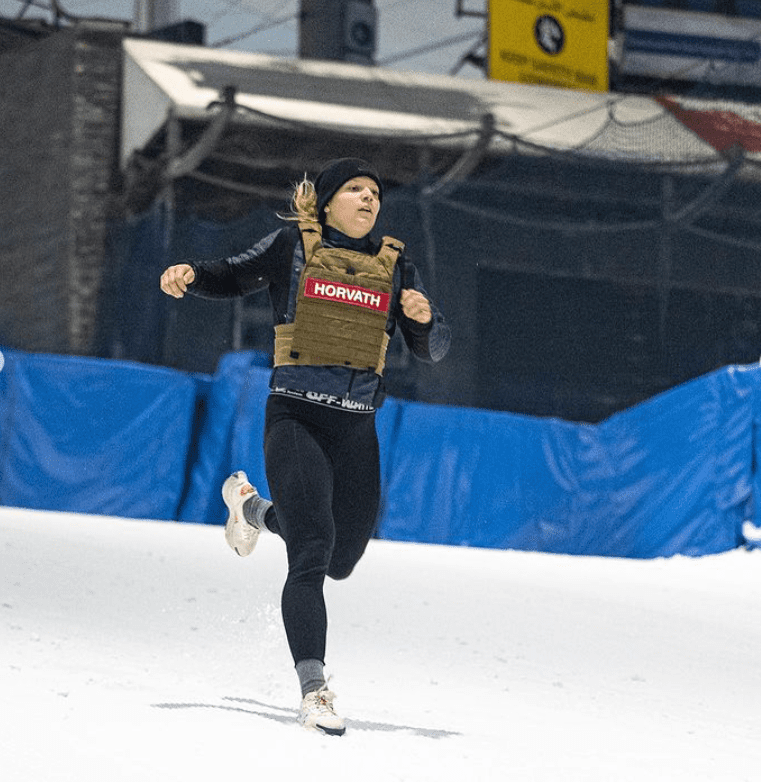
One study published in the Journal of Applied Physiology found that exercising in heat results in a higher energy expenditure compared to training in neutral conditions (Cramer et al., 2017). As the body increases sweating and heart rate, more calories are burned during and after exercise, leading to accelerated fat loss. Additionally, heat training stimulates the production of heat shock proteins, which improve muscle recovery and endurance, helping individuals to sustain longer and more intense workouts.
Furthermore, training in a heated environment enhances fat oxidation—the process by which the body breaks down fatty acids to be used as energy. According to research from the American Journal of Physiology, heat acclimation improves fat metabolism, making it an effective tool for those looking to shed body fat (Lorenzo et al., 2010). By improving the body’s ability to metabolise fat during exercise, heat training can contribute to a leaner physique over time.
The Role of Heat Shock Proteins in Building Resilience
Heat shock proteins (HSPs) are molecular chaperones that play a critical role in protecting cells from stress, including heat stress. These proteins assist in repairing damaged proteins and preventing cell death, thus promoting cellular health and recovery. When training in hot environments, the body produces more HSPs, which aid in enhancing resilience to physical stressors.
A study from Exercise Immunology Review highlights the role of HSPs in improving an athlete’s tolerance to heat and overall stress (González-Alonso et al., 2006). The production of these proteins not only helps in recovery but also prepares the body to handle future physical challenges more efficiently, ultimately leading to better endurance and increased resistance to fatigue.
Cold Training and Its Effects on Fat Loss
Cold environments have their own unique benefits when it comes to fat loss. One of the most significant effects of cold exposure is the activation of brown adipose tissue (BAT), also known as brown fat. Unlike white fat, which stores energy, brown fat burns energy to generate heat, making it a powerful tool for fat loss.
Research published in the New England Journal of Medicine has shown that cold exposure can stimulate brown fat activity, increasing energy expenditure and promoting fat loss (van Marken Lichtenbelt et al., 2009). When the body is exposed to cold temperatures, it works harder to maintain core temperature, burning more calories in the process. This process, known as cold thermogenesis, can significantly contribute to fat loss when combined with regular exercise.
In addition to activating brown fat, cold exposure enhances insulin sensitivity, which helps regulate blood sugar levels and reduce fat storage. A study from Diabetes journal demonstrated that cold acclimation improved insulin sensitivity and metabolic health, further supporting the use of cold environments for fat loss (Hanssen et al., 2016).
Cold Training for Building Mental and Physical Resilience
Training in cold environments not only accelerates fat loss but also builds mental and physical resilience. Cold exposure triggers the release of norepinephrine, a neurotransmitter responsible for enhancing focus, mood, and resilience to stress. This hormonal response can lead to increased mental toughness and the ability to withstand challenging conditions both in training and in everyday life.
A study published in Frontiers in Psychology found that cold water immersion, a common method of cold training, significantly improved resilience and mental fortitude in participants (Müller et al., 2018). By regularly exposing the body to cold, individuals can improve their ability to cope with physical stressors, leading to better performance in other aspects of fitness.
Cold environments also reduce inflammation and promote recovery, making it easier to recover from intense workouts. A study from the European Journal of Applied Physiology revealed that cold exposure reduced muscle soreness and inflammation after exercise, helping athletes recover faster and train more effectively (Yanagisawa et al., 2020).
Combining Heat and Cold Training for Optimal Fat Loss
One of the most effective approaches to leveraging the benefits of extreme environments is to combine both heat and cold training. Alternating between heat and cold environments can accelerate fat loss and enhance resilience by challenging the body in different ways. Heat training increases calorie expenditure, while cold training activates brown fat and improves insulin sensitivity.

This method, often referred to as contrast therapy, has been shown to improve recovery, enhance fat loss, and build mental toughness. A study published in the Journal of Strength and Conditioning Research found that contrast therapy—alternating between hot and cold environments—improved recovery and performance, allowing athletes to train harder and burn more calories (Scoon et al., 2007).
By combining the metabolic benefits of heat with the fat-burning effects of cold, individuals can optimise their training for better fat loss and overall performance.
Practical Tips for Training in Extreme Environments
For those looking to incorporate heat or cold training into their routines, there are several practical strategies to ensure safety and maximise results:
1. Gradual Acclimation
When starting heat or cold training, it is essential to acclimate gradually. Sudden exposure to extreme environments can lead to heat exhaustion, dehydration, or hypothermia. Begin with short, moderate-intensity sessions and increase the duration and intensity over time.
2. Hydration and Nutrition
In hot environments, the body loses a significant amount of water and electrolytes through sweat, making hydration crucial. Drink plenty of water before, during, and after exercise to prevent dehydration. In cold environments, maintaining energy levels is essential, as the body burns more calories to stay warm. Consume calorie-dense, nutrient-rich foods to fuel your workouts.
3. Wear Appropriate Gear
Wearing the right clothing is important when training in extreme environments. In hot conditions, lightweight, breathable fabrics that wick sweat away from the body are ideal. In cold environments, layering is key—wear moisture-wicking base layers, insulating middle layers, and windproof outer layers to protect against the elements.
4. Monitor Intensity
It is important to monitor the intensity of your workouts when training in extreme environments. In heat, the body fatigues more quickly, so it may be necessary to reduce the intensity or duration of your sessions to avoid heat-related illnesses. In cold conditions, the muscles can become stiffer, increasing the risk of injury. Warm up thoroughly and listen to your body to avoid overexertion.
5. Recovery
Extreme environments place additional stress on the body, making recovery even more important. After heat training, focus on rehydration and replenishing electrolytes. After cold training, use warm baths or showers to help the body return to a normal temperature. Incorporating rest days between sessions can also help prevent burnout and injury.
Conclusion
Training in extreme environments, whether in the heat or cold, offers significant benefits for fat loss, resilience, and overall fitness. Heat training increases calorie expenditure and fat oxidation, while cold training activates brown fat and enhances metabolic health. By combining both types of training, individuals can maximise their fat loss potential and build mental and physical toughness. With proper acclimation, hydration, and recovery strategies, training in extreme conditions can be a powerful tool in any fitness routine.
Key Takeaways
| Key Takeaway | Details |
|---|---|
| Heat Training | Increases calorie expenditure and enhances fat oxidation for accelerated fat loss. |
| Cold Training | Activates brown fat, increasing energy expenditure and improving metabolic health. |
| Heat Shock Proteins | Produced during heat training, they enhance resilience and recovery. |
| Cold Exposure | Triggers norepinephrine release, boosting mental toughness and reducing inflammation. |
| Contrast Therapy | Combining heat and cold training maximises fat loss and improves recovery. |
References
Cramer, M.N., Jay, O., 2017. Journal of Applied Physiology. ‘Energy expenditure in heat: exercise metabolism in warm environments’.
Lorenzo, S., et al., 2010. American Journal of Physiology. ‘Heat acclimation improves exercise performance in trained athletes’.
van Marken Lichtenbelt, W.D., et al., 2009. New England Journal of Medicine. ‘Cold-activated brown adipose tissue in healthy men’.
Hanssen, M.J., et al., 2016. Diabetes. ‘Improved insulin sensitivity after cold acclimation’.
González-Alonso, J., et al., 2006. Exercise Immunology Review. ‘Heat shock proteins and exercise: biological function and relevance’.
Müller, K., et al., 2018. Frontiers in Psychology. ‘Effects of cold exposure on resilience and mental health’.
Yanagisawa, O., et al., 2020. European Journal of Applied Physiology. ‘The effects of cold water immersion on muscle recovery’.
Scoon, G.S., et al., 2007. Journal of Strength and Conditioning Research. ‘Effect of contrast therapy on recovery from exercise’.