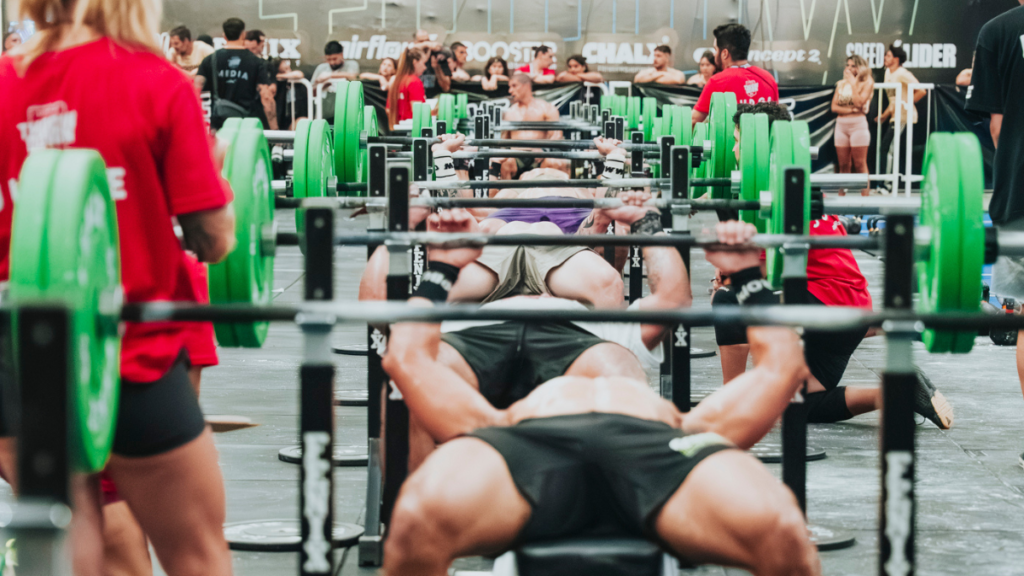
Training to failure has become one of the hottest topics in strength training, but how do you know if you’re really pushing your muscles to that limit? This method, widely embraced for its role in hypertrophy (muscle growth), is about pushing your body until you can’t complete another rep with proper form. It sounds simple, but in practice, it’s more complex and crucial for getting the most out of your workouts.
In this article, we’re going to break down how you can tell if you’re truly training to failure, why it matters, and how to do it safely. We’ll explore the science behind muscle failure and how it triggers growth, while also looking at the warning signs of burnout and injury. Let’s dive into the nitty-gritty of what “failure” means in the gym and how to get it right for those serious gains.


The Science Behind Training to Failure
Training to failure refers to reaching the point where your muscles can no longer contract effectively to complete another rep without assistance or a drastic loss in form. This approach has been shown to increase muscle fibre recruitment and stimulate hypertrophy.
What Happens in the Muscles When You Train to Failure?
- Muscle fibre recruitment: As you lift weights, your body first engages smaller muscle fibres. When these fatigue, it recruits larger fibres to keep you going. Training to failure ensures that you’ve activated the full spectrum of muscle fibres.
- Metabolic stress: Training to failure builds up lactic acid and other metabolic by-products, which triggers muscle growth by signalling the body to adapt.
- Mechanical tension: Pushing your muscles to their limit increases the time under tension, a key factor for hypertrophy.
- Muscle damage: By working to failure, you cause micro-tears in your muscle fibres. These need to repair and rebuild stronger, which is where the growth happens.

Research indicates that training to failure is particularly effective at increasing muscle mass, especially when performed with moderate loads (60-80% of one-rep max, or 1RM). According to a study by Lasevicius et al. (2019), failure training produces greater hypertrophy than stopping short of failure, especially in trained individuals.
How to Tell If You Are Training Hard Enough?
How to Identify True Muscle Failure
Many people think they’re training to failure when they’re not. You might feel fatigued or uncomfortable, but your muscles still have more to give. So how do you know if you’re really hitting failure?
Signs You’ve Hit Muscle Failure
- Inability to complete another rep: If you’re physically incapable of lifting the weight again, even with perfect mental focus, you’ve hit true failure.
- Form breakdown: If you find yourself compensating by using other muscle groups or swinging the weight to complete a rep, this is a sign your target muscle has reached failure.
- Slowed rep speed: Your reps will naturally slow as you approach failure because your muscles are struggling to produce the same force.
- Muscle tremors: A common sign of reaching failure is shaking muscles during the final reps as they reach their limits.
- Pain (but not injury): There’s a distinct burning sensation when your muscles are reaching failure due to lactic acid build-up. This is discomfort, but it shouldn’t be confused with injury pain, which is sharper and more specific.
Training to failure isn’t about going until you feel uncomfortable; it’s about going until your body physically cannot continue. A study by Sampson and Groeller (2016) found that failure training elicited higher muscle fibre recruitment than non-failure training, resulting in greater muscle activation and hypertrophy.

True Failure vs Technical Failure
- True failure means you cannot perform another rep with good form.
- Technical failure is when you can no longer complete the rep with proper technique but could still continue by using momentum or compensating with other muscles.
For most people, aiming for technical failure is sufficient to promote muscle growth while avoiding injury. Pushing beyond technical failure increases the risk of injury and may not significantly boost hypertrophy.
Should You Always Train to Failure?
It might be tempting to think that if training to failure works, doing it all the time is the best route to muscle growth. However, this isn’t necessarily true. Overuse of failure training can lead to burnout, injury, and stagnation in progress.
The Benefits of Training to Failure
- Maximal muscle recruitment: By hitting failure, you’re ensuring that all muscle fibres are being activated.
- Increased hypertrophy: Failure training triggers more muscle growth because of the increased mechanical tension and muscle damage.
- Mental toughness: Pushing through the discomfort helps build mental resilience, which can be beneficial for progressing in strength training.
The Downsides of Overdoing It
- Increased recovery time: Training to failure puts a significant amount of stress on your muscles, which can increase the time your body needs to recover. This can hinder your progress if you’re not allowing enough recovery between sessions.
- Risk of injury: Continuously pushing to failure can compromise your form, increasing the likelihood of injury, particularly in complex, multi-joint movements like squats or deadlifts.
- CNS fatigue: Your central nervous system (CNS) can become fatigued from excessive failure training, leading to performance drops and difficulty maintaining intensity in subsequent workouts.
- Diminished returns: If every workout is taken to failure, the risk of overtraining and hitting a plateau becomes more significant. This can stunt your muscle growth in the long term.
Studies, such as the one by Davies et al. (2016), suggest that alternating failure and non-failure sessions can lead to more sustainable muscle growth while avoiding the downsides of constant failure training.
Light Weight vs Heavy Weights for Muscle Growth – Which is Better for You?
Methods for Safely Training to Failure
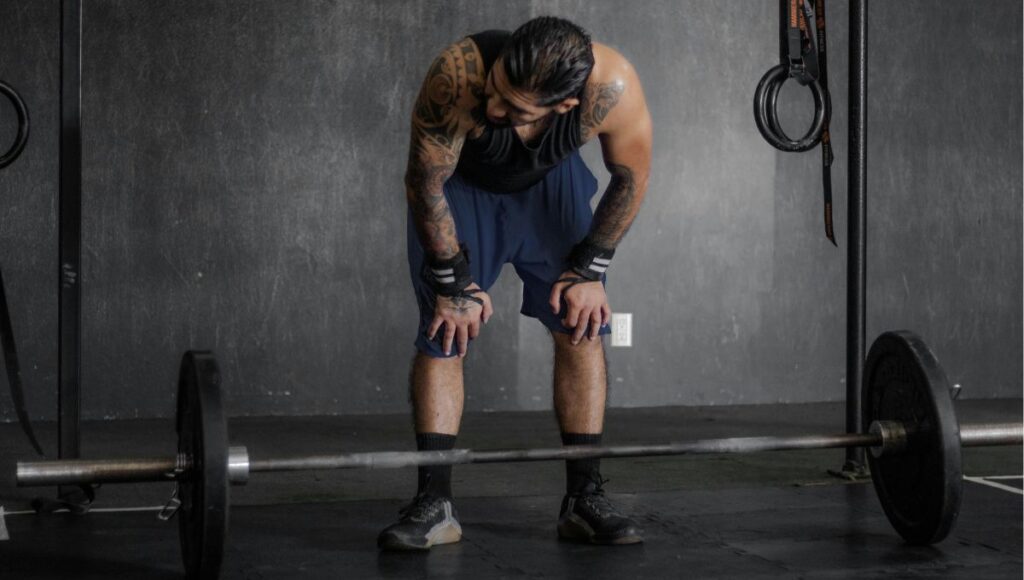
Training to failure doesn’t mean you have to risk injury or overtrain. Here are some techniques to help you safely reach failure while maximising muscle growth.
Use the Right Load
- Moderate weight: Aim for 60-80% of your 1RM for most hypertrophy work. Heavier weights are harder to take to failure safely, while very light weights may not provide enough stimulus for growth.
- Reps in reserve (RIR): Many trainers recommend using reps in reserve as a guide. Aim for 0-2 reps in reserve on most sets. This ensures you’re close to failure without necessarily hitting it every time.
Focus on Isolation Movements
Compound movements like squats, deadlifts, and bench presses are complex and taxing on the body, making them risky to take to failure repeatedly. Instead, focus on isolation exercises such as bicep curls, leg extensions, or lateral raises for training to failure.
- Safer to push: Isolation exercises target specific muscles, reducing the chance of injury.
- Better control: It’s easier to maintain form and control during these movements, even as you approach failure.
Read More: New Research Explains How to Maximise Muscle Growth
Use Machines or Cables

Machines and cables provide more stability than free weights, making them ideal for failure training. This helps reduce the risk of form breakdown and injury as you fatigue.
- More stable: Machines guide your movement, meaning you’re less likely to compensate with other muscles.
- Less injury risk: They allow you to safely reach failure without worrying about dropping the weight or losing balance.
Progressive Overload with Failure
To maximise muscle growth, you should still progressively overload your muscles while incorporating failure training. This means increasing the weight, reps, or intensity over time.
- Increase weight gradually: Adding small amounts of weight each week helps keep the stimulus strong and prevents plateaus.
- Add reps carefully: If you’re consistently hitting failure at a certain rep range, consider adding an extra rep before increasing the weight.
Rest and Recovery
- Rest between sets: For failure training, take longer rest periods—2-3 minutes for compound movements and 1-2 minutes for isolation movements. This allows you to fully recover between sets and approach failure again.
- Recovery days: Allow adequate time for recovery between sessions that focus on failure. This could mean 48-72 hours between working the same muscle group.
Studies show that muscles need adequate recovery time to grow, and failing to allow for this can actually reduce your overall muscle gains .
When and How Often to Train to Failure
You don’t need to train to failure every set, every workout, or even every week. To avoid overtraining, the key is knowing when to incorporate failure training for maximum benefits.
High-Intensity Training (HIT) Approach
High-Intensity Training involves taking every set to failure but typically performing fewer sets. This is an efficient method for stimulating muscle growth, but it requires longer recovery periods.
- Pros: Effective for time-limited workouts and ensures muscle fatigue.
- Cons: High risk of burnout and potential for injury if done too frequently.
Periodisation and Failure Training

For long-term gains, periodisation—cycling through phases of intensity—can be useful. You might include failure training during hypertrophy blocks but reduce it during strength-focused or recovery blocks.
- Hypertrophy phase: This is the phase where failure training can be emphasised for maximum muscle growth.
- Deload or recovery phase: These phases should have little to no failure training to allow for recovery and prevent overtraining.
A study by Pareja-Blanco et al. (2017) found that failure training is best utilised intermittently rather than every session to avoid overtraining.
Failure on Last Sets
A common and effective approach is saving failure for the last set of an exercise. This allows you to push your muscles hard without overloading your nervous system.
- Controlled fatigue: You’ll still stimulate growth, but you’re less likely to experience burnout.
- Safer on joints: Compound movements in earlier sets are done with good form, while failure is only reached when you’re fully warmed up and adapted to the movement.
Related: How to Get Massive Legs Without Training to Failure
Conclusion
Training to failure can be a powerful tool for muscle growth when used correctly. However, it’s not necessary for every set or every workout. Understanding the signs of true failure—such as the inability to complete a rep, muscle tremors, and slowed rep speed—is crucial for knowing when you’ve reached that point. Incorporating failure training strategically, alongside adequate rest and recovery, can lead to optimal hypertrophy without the risks of burnout or injury.
By listening to your body, following safe training methods, and balancing failure training with non-failure sets, you can achieve maximum muscle growth in a sustainable way. Remember, more isn’t always better. Sometimes, knowing when to stop can be just as important as knowing when to push to the limit.
Key Takeaways Table
| Key Takeaways | Details |
|---|---|
| Training to failure triggers muscle growth | Training to failure recruits all muscle fibres, creating metabolic stress and mechanical tension for hypertrophy. |
| True failure vs technical failure | True failure means you can’t complete another rep with good form. Technical failure is when form breaks down but you could continue with poor form. |
| Signs you’ve hit failure | Inability to complete reps, slowed rep speed, muscle tremors, and form breakdown are key signs of failure. |
| Not necessary to always train to failure | Failure training is beneficial but shouldn’t be done every set or session. Alternating failure and non-failure sessions can avoid burnout. |
| Focus on isolation movements and use machines | Safer movements like isolation exercises and machines allow you to reach failure without risking injury. |
| Use progressive overload alongside failure training | Gradually increasing weight or reps ensures continued muscle growth while avoiding plateaus. |
| Rest and recovery are essential | Allow adequate rest between sets and recovery days to prevent overtraining and maximise gains. |
References
- Lasevicius, T., Ugrinowitsch, C., Laurentino, G. et al. (2019). Effects of Different Intensities of Resistance Training with Equated Volume Load on Muscle Strength and Hypertrophy. Journal of Strength and Conditioning Research, 33(4), 909-915.
- Sampson, J.A., and Groeller, H. (2016). Is repetition failure critical for the development of muscle hypertrophy and strength? Scandinavian Journal of Medicine & Science in Sports, 26(4), 375-383.
- Davies, T., Orr, R., Halaki, M., & Hackett, D. (2016). Effect of training leading to repetition failure on muscular strength: A systematic review and meta-analysis. Sports Medicine, 46(4), 487-502.
- Pareja-Blanco, F., Rodríguez-Rosell, D., Sánchez-Medina, L., et al. (2017). Effects of velocity loss during resistance training on athletic performance, strength gains and muscle adaptations. Scandinavian Journal of Medicine & Science in Sports, 27(7), 724-735.