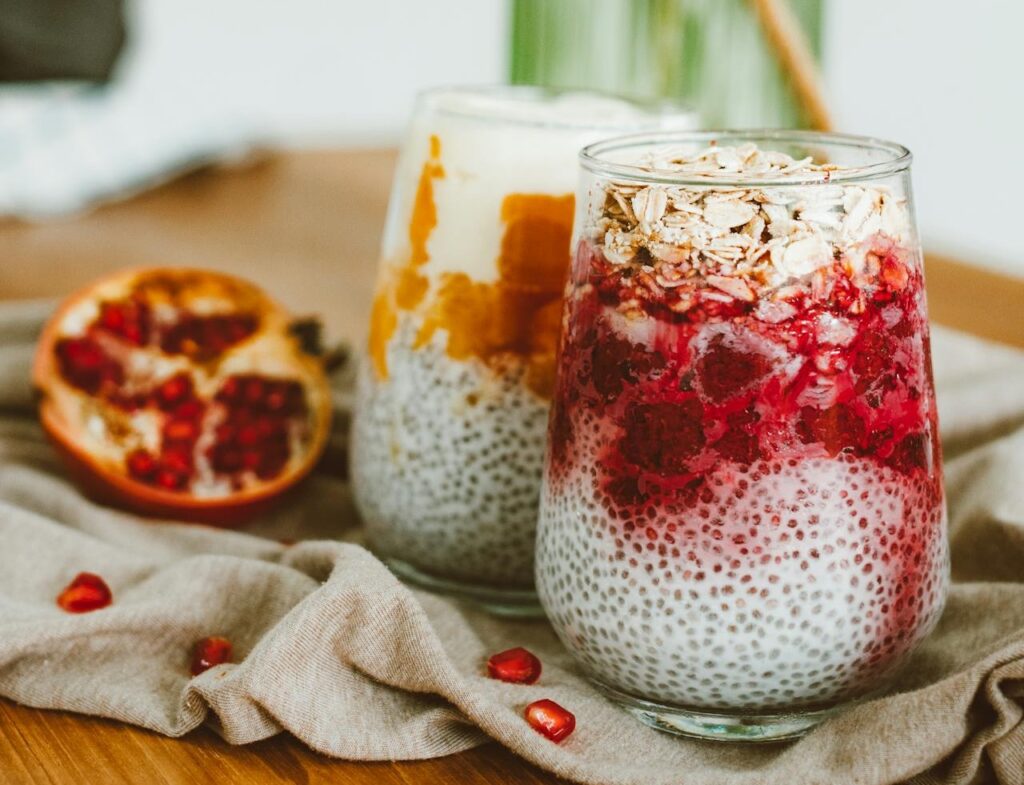
These foods that boost fat loss will help you improve your health and physique. When it comes to losing weight, the prevailing wisdom often tells us to simply “eat less and exercise more.” However, this approach can be misleading and unsustainable for many.
A common misconception is that reducing the quantity of food consumed is the primary pathway to fat loss.


This simplistic view overlooks the complex nature of our bodies and how they process different types of foods.
Rather than focusing solely on cutting calories, a more effective strategy involves considering the quality and types of foods we consume.

Certain foods can actually enhance your body’s ability to shed fat, not by reducing caloric intake drastically, but by boosting metabolism, improving digestion, and keeping you fuller for longer. This method encourages a healthier relationship with food and a more balanced approach to dieting.
In this article, we will explore five specific types of foods that contribute positively to fat loss.
By incorporating these foods into your diet, you can enjoy more nutritious, filling meals that aid in your fat loss journey. Let’s dive deeper into each of these foods and discover how they can help you eat more, not less, while still achieving your weight loss goals.
Whole Grains: Fuel for Fat Burning
Whole grains are a powerhouse when it comes to fueling fat burning and promoting a healthy weight.
Unlike their refined counterparts, whole grains retain all parts of the grain kernel—including the bran, germ, and endosperm—which means they’re packed with fiber, vitamins, and minerals.
Foods That Boost Fat Loss: Stabilizing Blood Sugar
One of the key benefits of whole grains is their ability to help maintain steady blood sugar levels.
The fiber in whole grains slows the rate of sugar absorption into your bloodstream, preventing the spikes and crashes that can lead to increased hunger and overeating later on. This steady energy supply keeps you feeling full longer and can curb unnecessary snacking.
Foods That Boost Fat Loss: Highlighting Specific Grains
- Oats: Rich in beta-glucan, a type of soluble fiber, oats help in lowering cholesterol and stabilizing blood glucose levels. They’re ideal for breakfast as oatmeal or added to smoothies.
- Brown Rice: Offers a nutty flavor and a chewy texture, brown rice is a versatile whole grain that pairs well with vegetables and proteins. It’s also a great source of magnesium, which is crucial for energy production.
- Quinoa: A gluten-free seed that cooks like a grain, quinoa is high in protein and all nine essential amino acids, making it a rare plant-based complete protein source. It’s perfect as a base for salads or as a side dish.
Incorporating Whole Grains into Daily Meals
Adding whole grains to your diet doesn’t have to be complicated. Here are some practical tips to increase your whole grain intake:
- Start the Day Right: Swap your usual breakfast cereal for a bowl of oatmeal. Top it with fresh berries and a sprinkle of nuts for a nutritious start to your day.
- Upgrade Your Lunch: Replace white rice or pasta with quinoa or brown rice in your lunch bowls. These grains will keep you satisfied longer and provide the energy you need to power through your afternoon.
- Dinner Makeover: Introduce whole grains like barley or bulgur wheat into your dinner recipes. They add texture and are excellent at absorbing flavors from herbs and spices.
- Snacking Smart: Look for whole grain alternatives for snacks, such as whole-grain crackers or popcorn. These are not only healthier but will keep you full until your next meal.
By regularly incorporating whole grains into your meals, you not only support your fat loss goals but also contribute to overall better health. Whole grains provide essential nutrients and ensure that your body’s metabolism works efficiently, helping you to burn fat more effectively.
Lean Proteins: Building Muscle, Burning Fat
Protein is a crucial macronutrient in any diet, playing a key role in building and repairing muscles, supporting bodily functions, and aiding in weight loss. Consuming adequate amounts of lean protein can boost metabolic rate, reduce appetite, and help maintain muscle mass during weight loss.

Importance of Protein in Muscle Building and Metabolism
Protein is essential for muscle building because it provides the building blocks, known as amino acids, that your body uses to build and repair muscle tissue. The more muscle you have, the higher your resting metabolic rate, which means your body burns more calories even when you’re not active. Furthermore, protein has a higher thermic effect than carbs or fats, meaning your body uses more energy to digest it, which can help in fat burning.
Examples of Lean Proteins
- Chicken Breast: This is a staple in many healthy diets due to its high protein content and low fat. It’s versatile and can be cooked in various ways to keep meals interesting.
- Turkey: Another excellent source of high-quality protein, turkey is particularly lean, especially when you choose the white meat.
- Legumes: For those who prefer plant-based proteins, legumes such as lentils, chickpeas, and black beans are fantastic options. They are not only rich in protein but also fiber, which helps with satiety.
Ideas for Protein-Rich Meals and Snacks
Incorporating lean proteins into your diet can be both delicious and uncomplicated. Here are some ideas to get you started:
Breakfast: Begin your day with a protein-packed breakfast of scrambled eggs or a smoothie with a scoop of protein powder. Adding a handful of spinach to your scramble or smoothie can boost your vegetable intake as well.
Lunch: Prepare a salad with grilled chicken breast or turkey. Add a variety of colorful vegetables and a sprinkle of seeds to make it more filling.
Dinner: Make a stir-fry with your choice of lean protein and a heap of mixed vegetables. Use soy sauce, garlic, and ginger for flavor without adding many calories.
Snacks: Keep hard-boiled eggs, Greek yogurt, or homemade hummus with cut vegetables handy for snacks. These options are not only rich in protein but also help you stay full between meals.
Adding lean protein to every meal and snack helps keep your energy levels stable, your appetite in check, and your metabolism humming, all of which support your fat loss goals. By making lean proteins a cornerstone of your diet, you’ll find it easier to manage your weight and achieve a healthier, more toned physique.
Leafy Greens: Low in Calories, High in Fiber
Leafy greens are a critical component of a diet aimed at fat loss and overall health. These vegetables are not only low in calories but are also high in dietary fiber and packed with essential vitamins and minerals.
Incorporating more leafy greens into your diet can help you feel full longer, aid in digestion, and provide numerous health benefits.
Benefits of High-Fiber Foods
Dietary fiber, especially the type found in leafy greens, has a significant impact on satiety and digestive health.
Fiber adds bulk to your diet without adding calories, helping you feel full sooner and for a longer duration. This can lead to a natural reduction in calorie intake. Additionally, fiber helps maintain a healthy digestive system, which is crucial for optimal metabolism and fat loss.
Fiber-rich foods like leafy greens can also stabilize blood sugar levels, preventing the spikes that can lead to cravings and overeating.
Highlighting Leafy Greens
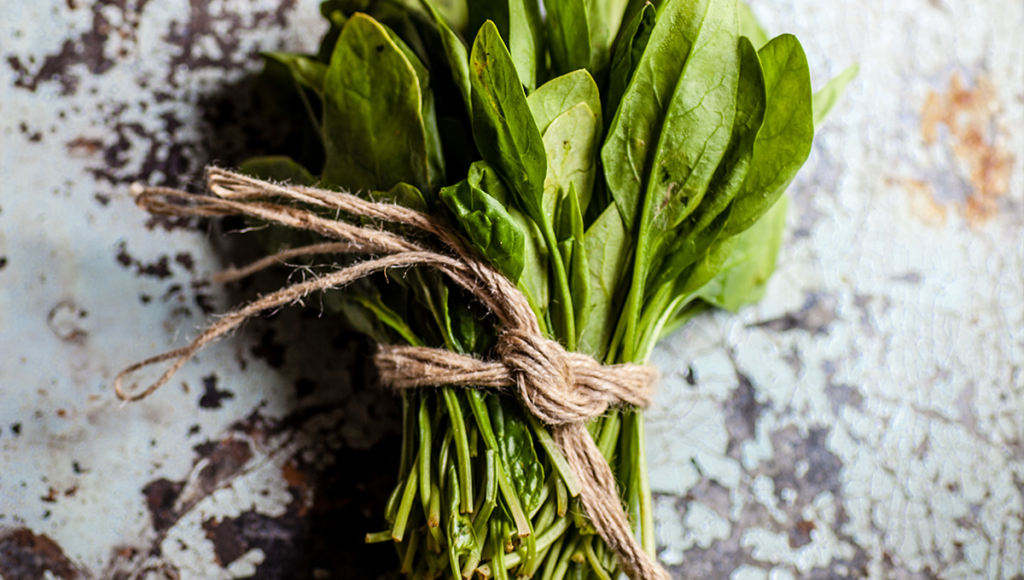
- Spinach: One of the most nutrient-dense leafy greens available, spinach is versatile and almost tasteless when mixed into dishes like smoothies or omelets, making it an easy addition to any meal.
- Kale: Known for its high vitamin C and vitamin K content, kale is a robust green that works well in salads, soups, and smoothies.
- Swiss Chard: With its distinct colorful stems and deep green leaves, Swiss chard is rich in vitamins A and C. Its mild flavor makes it perfect for sautéing with garlic and olive oil.
Suggestions for Adding More Greens to the Diet
Incorporating more leafy greens into your meals is simpler than you might think. Here are some easy ways to get more greens into your diet:
5 Forgotten Exercises for Wider Biceps
Smoothies: Start your day with a green boost by adding spinach or kale to your morning smoothie. Combine with fruits like bananas or berries to mask the taste of the greens.
Salads: Make a habit of preparing a large, leafy salad at lunch. Experiment with different types of greens to keep things interesting. Top with other vegetables, seeds, nuts, and a protein source for a complete meal.
Sides: Replace starchy sides like rice or potatoes with sautéed greens. Swiss chard or kale sautéed with garlic, olive oil, and a pinch of salt makes an excellent companion to any main dish.
Snacks: For a quick snack, try kale chips. Toss chopped kale in a little olive oil, season with salt and your choice of spices, and bake until crisp.
Leafy greens are an essential part of a healthy diet, particularly if you’re focused on fat loss. By filling up on these nutrient-rich, low-calorie, high-fiber vegetables, you’ll be able to eat a volume of food that satisfies your hunger without overloading on calories, all while benefiting your health in numerous ways.
Fatty Fish: Omega-3 Powerhouses
Fatty fish are renowned not only for their delicious flavors but also for their high levels of omega-3 fatty acids, which are essential fats that our bodies cannot produce on their own.
Omega-3s play a crucial role in overall health with benefits ranging from improved heart health to enhanced brain function. Importantly, they also contribute to fat loss and can help improve body composition.
Role of Omega-3 Fatty Acids in Fat Loss and Overall Health
Omega-3 fatty acids help regulate blood sugar levels and reduce inflammation, both of which are beneficial for weight management and metabolic health.
Additionally, studies have suggested that omega-3s can increase the body’s ability to burn fat by enhancing the enzymes involved in fat-burning pathways. They also may help increase feelings of fullness after meals, reducing overall calorie intake.
Focus on Fatty Fish
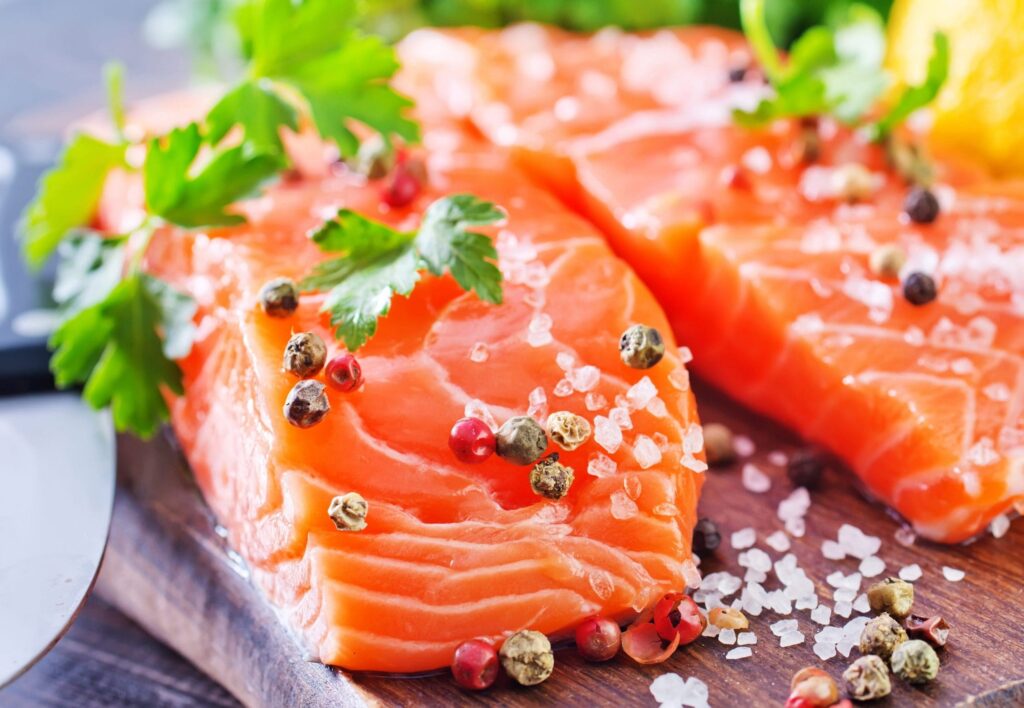
Salmon: Rich in both flavor and nutrients, salmon is one of the most popular sources of omega-3 fatty acids. It’s also a versatile fish that can be baked, grilled, smoked, or poached.
Mackerel: Another excellent source of omega-3, mackerel has a rich, pronounced flavor that stands up well to bold seasonings and preparations.
Sardines: Low in mercury and high in omega-3s, calcium, and vitamin D, sardines are a nutritious option that can be enjoyed fresh or as a convenient canned food.
Creative Ways to Prepare and Enjoy Fatty Fish
Integrating fatty fish into your diet can be both delicious and inventive. Here are some ideas to get you started:
- Grilled Salmon with Herbs: Marinate salmon fillets in olive oil, lemon juice, garlic, and fresh herbs such as dill or parsley. Grill until the fish is flaky and serve with a side of mixed vegetables.
- Mackerel Patties: Combine flaked mackerel with breadcrumbs, an egg, chopped onions, and herbs. Form into patties and fry until golden. These can be served on whole-grain buns or with a salad.
- Sardine Spread: Mash canned sardines with cream cheese, lemon juice, chopped chives, and black pepper. Spread on whole-grain crackers or slices of cucumber for a healthy snack.
- Baked Fish with Crispy Topping: Top fillets of fish like salmon or mackerel with a mixture of crushed almonds, parsley, lemon zest, and a drizzle of olive oil. Bake until the topping is crispy and the fish is cooked through.
- Simple Poached Fish: Poach fish fillets in a simmering liquid of water, white wine, a slice of lemon, and some herbs. This method is gentle and highlights the delicate flavor of the fish.
Eating fatty fish several times a week can help enhance your intake of omega-3 fatty acids, promoting fat loss and boosting overall health. With these creative recipes, incorporating fatty fish into your meals can be both enjoyable and a step toward a healthier lifestyle.
Berries: Sweet Snacks with a Fat Loss Twist
Berries are not only delicious and vibrant but also incredibly beneficial for those looking to lose fat.
These small fruits are low in calories yet high in fiber, vitamins, antioxidants, and other nutrients, making them an excellent addition to a fat loss diet. Their natural sweetness provides a satisfying alternative to sugary snacks, helping to curb cravings in a healthy way.
Advantages of Berries in Fat Loss
The high fiber content in berries helps to increase satiety, which can lead to reduced calorie consumption throughout the day. Fiber slows digestion, keeping you fuller longer, and stabilizes blood sugar levels to avoid spikes and crashes that can lead to overeating.
Additionally, the antioxidants in berries, such as vitamin C and anthocyanins, support metabolic health and may aid in preventing the storage of fat.
Types of Berries Best for Fat Loss
Blueberries: Known for their high antioxidant levels, blueberries can help reduce inflammation and subsequently lower the risk factors for obesity.
Raspberries: Exceptionally high in fiber, raspberries offer about 8 grams of fiber per cup, making them one of the best berries for weight loss and digestive health.
Strawberries: These are a great source of vitamin C and manganese and are very versatile in diet-friendly recipes.
Incorporating Berries into Diets as Snacks or Parts of Meals
Berries are incredibly flexible and can be incorporated into your diet in various delicious ways:
- As a Morning Start: Add berries to your breakfast cereal, oatmeal, or yogurt. This not only enhances the flavor but also increases the nutrient content of your first meal.
- Smoothies: Combine a mix of berries like blueberries, raspberries, and strawberries with a protein source (like Greek yogurt or a scoop of protein powder) and a handful of spinach for a nutrient-packed smoothie.
- Salads: Toss a handful of berries into a mixed green salad with nuts and a light vinaigrette for a refreshing and filling meal.
- Dessert Option: For a healthy dessert, layer berries with light whipped cream or blend frozen berries into a sorbet that satisfies your sweet tooth without the guilt.
- Snacking: Simply having a bowl of fresh berries on hand for snacking can help prevent reaching for less healthy options. Their natural sweetness is perfect for satisfying sugar cravings.
Incorporating berries into your diet is a smart way to enhance the flavor and nutritional value of your meals without adding significant calories.
Their rich nutrient profile supports fat loss by helping to regulate appetite and improve metabolic health. By including berries regularly, you can enjoy delicious, sweet treats that actually help you stay on track with your weight loss goals.
Conclusion
Throughout this article, we have explored five powerful foods that can significantly enhance your fat loss efforts.
Each of these foods—whole grains, lean proteins, leafy greens, fatty fish, and berries—brings unique benefits that not only help reduce body fat but also support overall health.
- Whole Grains: Stabilize blood sugar levels and keep you feeling full longer, aiding in the prevention of overeating.
- Lean Proteins: Essential for building muscle, which in turn boosts metabolic rate, helping to burn more calories even at rest.
- Leafy Greens: High in fiber and low in calories, these vegetables increase satiety and improve digestive health, making them ideal for weight management.
- Fatty Fish: Rich in omega-3 fatty acids, they help reduce inflammation and enhance the body’s ability to burn fat.
- Berries: Low in calories but high in nutrients and fiber, they are perfect for satisfying sweet cravings without derailing your diet.
Adopting a diet that includes these nutrient-rich foods can lead to more effective weight management and improved health outcomes. Each food group offers distinct advantages, and together, they can help ensure a balanced diet that promotes fat loss while also nourishing the body.
The traditional approach of cutting calories can often lead to feelings of deprivation and can be unsustainable over the long term. Instead, focusing on the quality of the foods you eat is crucial. By choosing foods that are nutrient-dense and supportive of fat loss, you can eat not only to satisfy hunger but also to fuel your body optimally for health and vitality.
Incorporating these foods into your daily routine doesn’t require drastic changes. It can be as simple as adding a serving of berries to your breakfast, including a salad with leafy greens at lunch, or choosing whole grains and lean proteins for dinner. Over time, these small adjustments can lead to significant changes in your body composition, energy levels, and overall well-being.
Remember, successful weight management is not about restricting food but about choosing the right kinds of foods that satisfy, nourish, and support your body’s natural processes. Eating smarter, not less, is the key to not only losing weight but also keeping it off and feeling great while doing so. So embrace these wholesome foods in your diet and enjoy all the health benefits they bring.
Studies
“Whole grain-rich diet reduces body weight and systemic low-grade inflammation without altering fasting plasma adiponectin in a randomized controlled trial.”
- Authors: Kristensen M., Toubro S., Jensen M.G., Ross A.B., Riboldi G., Petronio M., Bügel S., Astrup A., Tetens I.
- Date: February 2012
- Publication: “Nutrition & Metabolism”
Key Findings: This study investigated the effects of a whole grain-rich diet on body weight and markers of inflammation. It found that participants who consumed a diet rich in whole grains experienced a significant reduction in body weight and systemic inflammation compared to those on a refined grain diet, supporting the role of whole grains in promoting weight loss and metabolic health.
“Increased Protein Intake Reduces Lean Body Mass Loss during Weight Loss in Athletes.”
- Authors: Mettler S., Mitchell N., Tipton K.D.
- Date: February 2010
- Publication: “Medicine & Science in Sports & Exercise”
Key Findings: This study explored the impact of high protein intake on body composition during weight loss in athletes. The results demonstrated that higher protein intake helped preserve lean body mass and increased fat loss, highlighting the importance of protein in maintaining muscle mass during caloric restriction.
“Dietary omega-3 fatty acid supplementation increases the rate of muscle protein synthesis in older adults: a randomized controlled trial.”
- Authors: Smith G.I., Atherton P., Reeds D.N., Mohammed B.S., Rankin D., Rennie M.J., Mittendorfer B.
- Date: February 2011
- Publication: “The American Journal of Clinical Nutrition”
Key Findings: The study assessed the effects of omega-3 fatty acid supplementation on muscle protein synthesis and found that omega-3 fatty acids significantly increased muscle protein synthesis rates in older adults.
This suggests that omega-3s can play a crucial role in metabolic health and muscle maintenance, which are important for effective fat loss.