When you think of bodybuilding, one name instantly comes to mind: Arnold Schwarzenegger. His legendary physique and charisma earned him seven Mr. Olympia titles, and he attributes much of his success to a simple workout routine. But did you know that this workout consisted of just six exercises? Yep, just six! Arnold’s “Golden Six” was the foundation of his training. These moves built his famous muscles and, according to him, were responsible for many of his wins.
So, what exactly is the Golden Six? Does it still hold up today against modern-day science and fitness trends? Let’s break it down, exercise by exercise, and see if Arnold’s advice from back in the day can still pump you up in the gym!


Overview of the Golden Six
- Squat
- Barbell Bench Press
- Pull-ups (or Arnold’s “chin-ups”)
- Behind-the-Neck Press
- Barbell Curl
- Sit-ups
So who decided to talk about the test of time and Arnold Schwarzenegger’s 6 golden exercises? Mr Athlean-X himself. Jeff Cavaliere was the head physical therapist of the New York Mets for 3 years and is now a YouTube sensation. He delivers clear information without noise on his ATHLEAN-X YouTube channel.
Let’s dive into each of these exercises, discussing why they made Arnold’s cut and how they compare to today’s fitness knowledge.
1. The Squat: King of the Golden Six
Arnold loved the squat. It was, and still is, the king of all leg exercises. If you’re looking for an all-encompassing lower body workout, the squat is a no-brainer.
- Works the quads, glutes, hamstrings, and even core.
- Arnold performed high-bar squats, but the placement of the bar doesn’t change the basic movement’s effectiveness.

Arnold’s form might make some people cringe today, though. In footage, he didn’t always go “ass to grass,” but that didn’t stop him from building those legendary legs. Interestingly, going full-depth isn’t always necessary for growth and strength. In fact, depending on your body’s anatomy (like Arnold’s reportedly long legs), your squat depth may vary. What matters is the engagement of the muscles and, as Arnold knew, lifting heavy with good control.
However, today’s lifters have tons of variations at their disposal. If you struggle with barbell squats, exercises like Bulgarian split squats or box squats can provide the same benefits without as much knee strain.
Key Takeaway:
- The squat has stood the test of time. It’s still crucial for building lower body strength, and its variations make it accessible for everyone, even if you’re dealing with injuries or equipment limitations.
10 Easy Science-Based Steps to Get Perfect Abs
2. The Barbell Bench Press: A Classic Upper Body Move
Arnold’s bench press was wide—really wide. This gave him a huge stretch in the chest, but it also required great flexibility, especially in the shoulders.
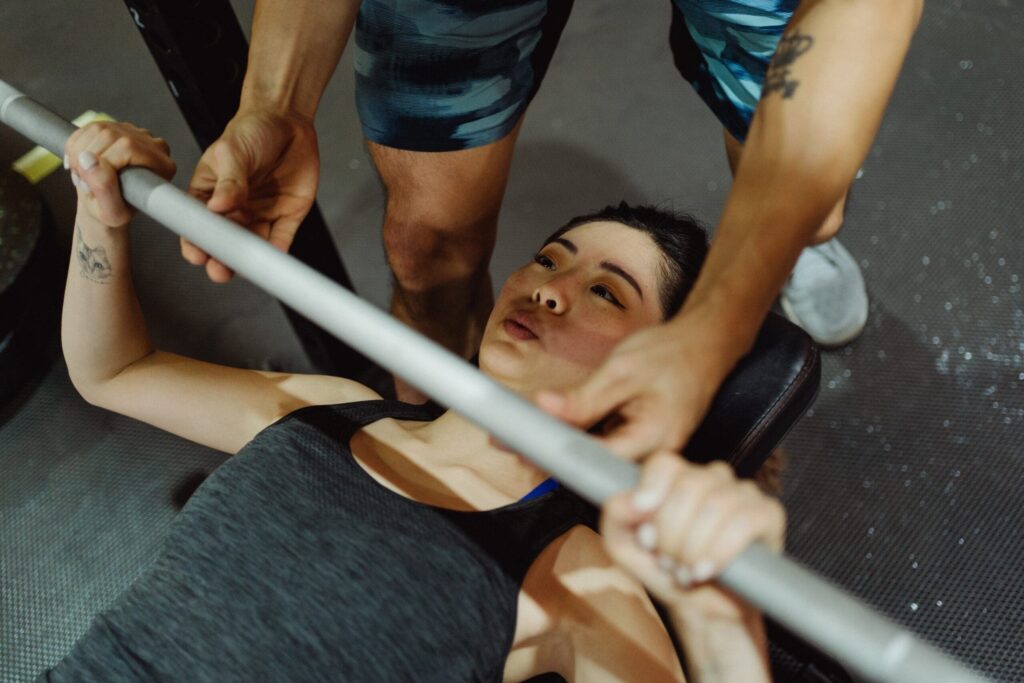
The bench press remains a staple in chest development. In fact, few exercises match the effectiveness of a good bench press for upper body growth. But Arnold’s wide grip? Maybe not for everyone. If you lack the shoulder mobility he had, a narrower grip can prevent injury while still providing a killer chest workout.
- Tip: If the barbell bench press isn’t your jam due to shoulder issues, try a dumbbell bench press. Dumbbells allow for a more natural movement, which can reduce strain on your joints.
Key Takeaway:
- Keep the bench press in your routine, but adjust your grip based on mobility and comfort. If in doubt, opt for dumbbells to safeguard your shoulders.
3. Pull-ups (Arnold’s Version of Chin-ups)
Here’s where Arnold’s terminology can trip people up. When he said “chin-ups,” he was actually talking about pull-ups, which involve an overhand grip. Nowadays, we distinguish between chin-ups (underhand grip) and pull-ups, but no matter how you grip it, this movement is a must for back and biceps.
Pull Up Vs Chin Up: What’s the Difference and Which is Best for You?

Arnold preferred a wide grip, which targets the teres major muscles more than the lats. However, a narrower grip might give you more range of motion and a better stretch for lat engagement. Plus, wider grips are tougher, meaning fewer reps—so choose wisely depending on your goals.
For those still working on their pull-ups, using bands or switching to lat pulldowns can help build strength until you can lift your body weight.
Key Takeaway:
- Pull-ups absolutely belong in any workout plan, but experiment with your grip to see which hits your muscles best and feels right for your shoulders.
4. Behind-the-Neck Press: A Sign of the Times?
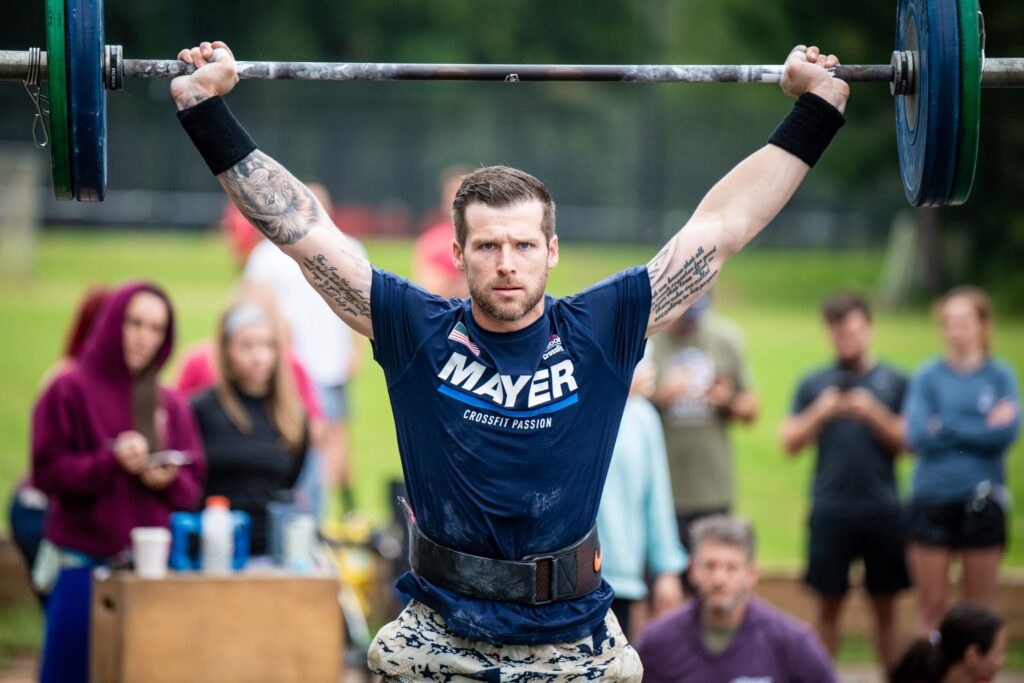
This one might make modern trainers cringe. Arnold could pull off a behind-the-neck press due to his incredible shoulder mobility, but that’s not the case for everyone.
Today, this exercise is generally seen as outdated and risky. It places a lot of stress on the shoulder joint, which can lead to injuries. Most fitness experts now recommend pressing the barbell in front of the body instead. The benefits? Still get a great shoulder and upper back workout without risking your rotator cuffs.
Key Takeaway:
- Skip the behind-the-neck version unless you have shoulders like Arnold. Opt for a standard overhead press or dumbbell press for safer gains.
Try This Full Shoulder Workout (Perfect for Post-Injury)
5. Barbell Curl: The Controversial Bicep Move
Ah, the barbell curl. Some lifters today think it’s too “basic,” but when it comes to isolating the biceps, few exercises are as effective. Arnold was a fan of using a bit of “cheat” in his form to get through those last few reps—and that might surprise some people. But that’s the whole point: he used a controlled cheat to push his muscles further.

Cheating shouldn’t mean slinging the weight around like a madman, though. Instead, think of it as adding a slight momentum shift to keep the gains coming.
If you prefer stricter form, you can alternate between strict curls and cheat curls. Mixing it up can target the biceps from different angles and help you bust through plateaus.
Key Takeaway:
- The barbell curl is still the go-to for bicep development, whether you keep it strict or throw in some controlled cheating for the sake of gains.
6. Sit-ups: Core Controversy
Arnold wrapped up his Golden Six with sit-ups, but we now know these aren’t the best for developing strong abs. While sit-ups work the rectus abdominis, they also engage the hip flexors—which isn’t great if you’re looking to target the core specifically.
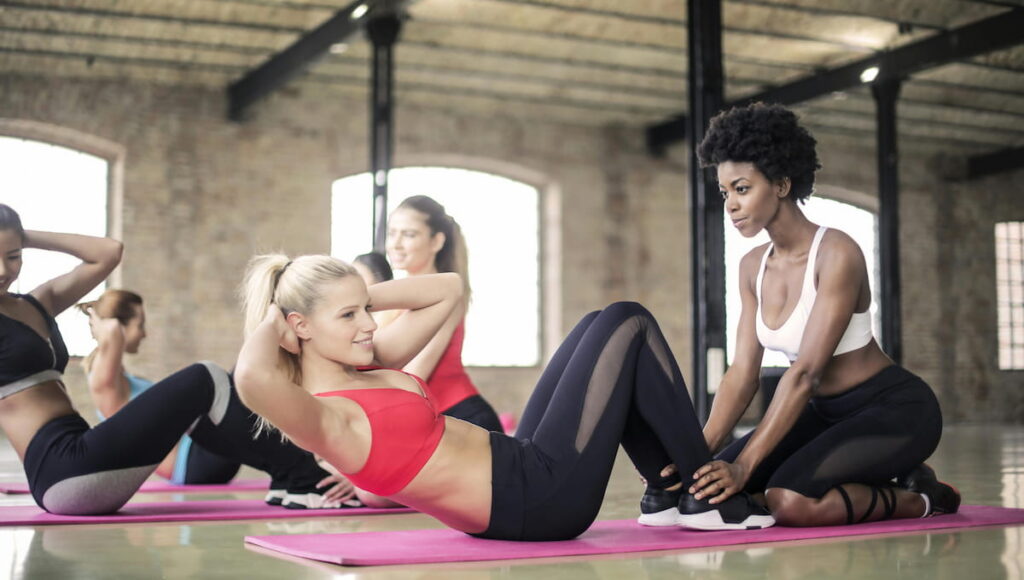
Today, we’d likely swap sit-ups for a more functional core move like hanging leg raises or planks. These exercises engage the core more effectively without relying so much on the hip flexors.
Key Takeaway:
- Ditch the sit-ups in favor of hanging leg raises or planks. You’ll build a stronger core with less risk of lower back issues.
Does Arnold’s Golden Six Stand the Test of Time?
In short—mostly, yes! Arnold’s Golden Six offers a solid foundation for building strength and muscle. However, science and training advancements have given us more tools and options to tweak some of his methods for better results or safer execution.
What would a modern-day Golden Six look like? Pretty close to Arnold’s, but with some updates, according to Jeff Cavaliere:
- Barbell Squat (or variations like box squats)
- Dumbbell Bench Press (safer for shoulders)
- Pull-ups (adjust grip as needed)
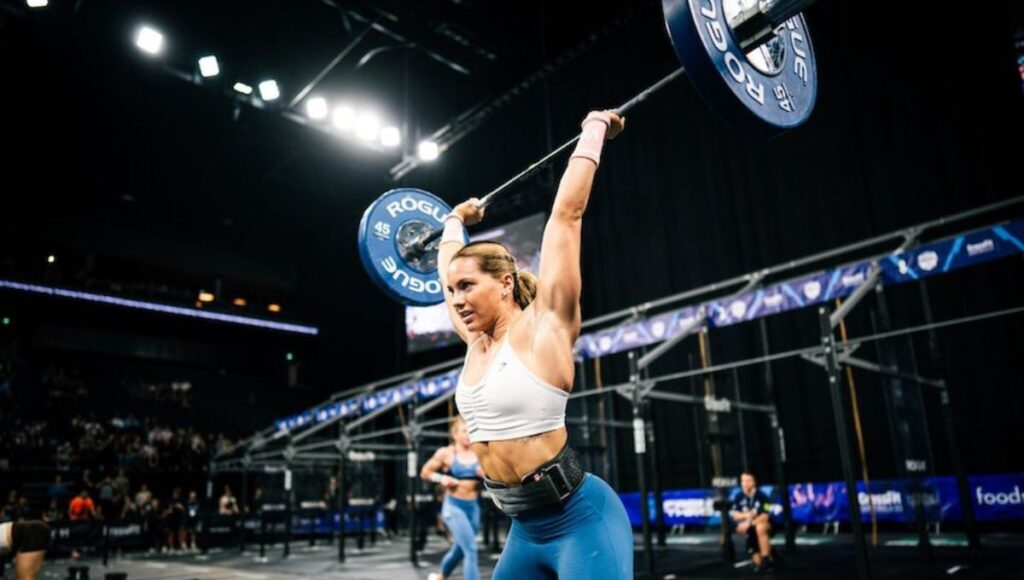
- Overhead Press (in front, not behind the neck)
- Barbell Curl (with controlled cheat reps)
- Hanging Leg Raise (instead of sit-ups)
Final Thoughts: What’s in Your Golden Six?
Arnold’s routine was simple but effective. It worked for him, and it could work for you too—especially with a few modern adjustments. So, what’s in your Golden Six?