In the fitness world, compound exercises are often championed as the most efficient way to build strength, burn calories, and improve functional fitness. Unlike isolation exercises, which focus on a single muscle group, compound exercises recruit multiple muscle groups in a single movement. Common examples include squats, deadlifts, and bench presses. But what would happen if you only performed compound exercises? Would it transform your body in all the right ways, or could it lead to limitations and imbalances?
This article explores the physiological effects of exclusively performing compound exercises, breaking down the potential benefits, possible drawbacks, and ideal strategies to optimise your routine.


What Are Compound Exercises?
Before diving into the effects on your body, let’s clarify what compound exercises are and why they’re so popular in strength and conditioning programs.
Types of Compound Exercises
Compound exercises are multi-joint movements that activate multiple muscle groups. Here are some well-known compound exercises:
- Squats: Engage quadriceps, hamstrings, glutes, core, and lower back.
- Deadlifts: Target hamstrings, glutes, lower back, core, and grip strength.
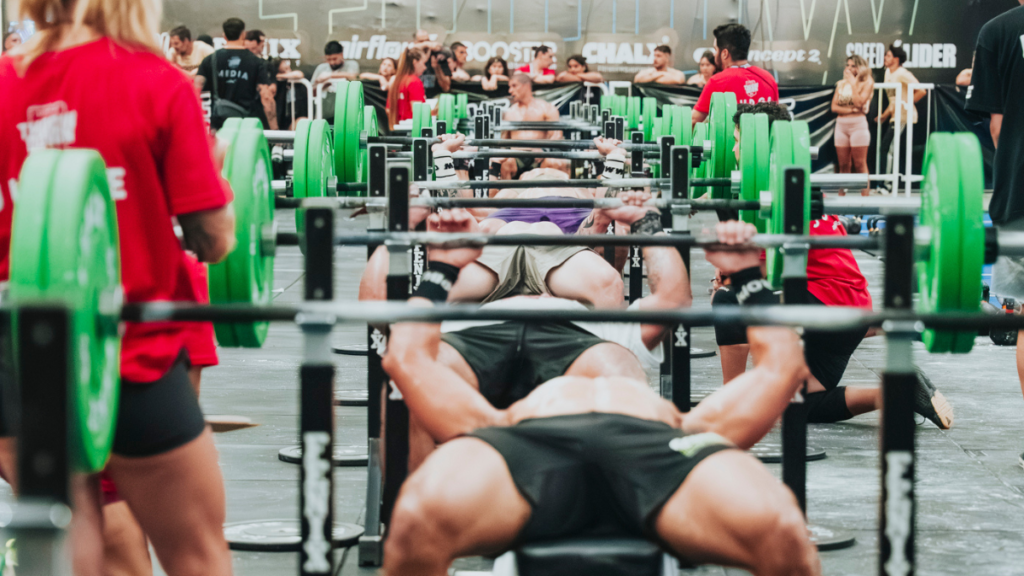
- Bench Press: Works the chest, shoulders, and triceps.
- Pull-Ups and Chin-Ups: Activate the back, biceps, shoulders, and core.
- Rows: Engage the upper back, biceps, shoulders, and core.
- Lunges: Target quadriceps, hamstrings, glutes, and calves.
- Overhead Press: Works the shoulders, triceps, upper chest, and core.
Why Are Compound Exercises So Effective?
Compound exercises are known for providing efficient workouts since they recruit more muscles, allowing you to lift heavier loads and engage in functional movement patterns that mirror real-life activities. A study from the Journal of Strength and Conditioning Research found that compound movements increase metabolic rate post-exercise more than isolation movements, which translates to enhanced calorie burning even after a workout session (Paoli et al., 2012).
The Only 5 Exercises You Need to Look Super Jacked
How Compound Exercises Affect Muscle Growth and Strength
When you focus on compound exercises, the body experiences unique adaptations that can significantly impact muscle growth, strength, and power.
1. Increased Muscle Activation
Since compound movements involve multiple joints, they recruit several major muscle groups at once. For instance, squats work the quadriceps, hamstrings, glutes, and lower back. This broad muscle activation makes compound exercises efficient for those aiming for overall muscle development.
- Maximal Muscle Recruitment: By involving more muscle fibres, compound exercises help stimulate hypertrophy across multiple muscle groups.
- Functional Strength Gains: Compound exercises enhance functional strength, which is the ability to perform daily activities more efficiently.
2. Higher Testosterone and Growth Hormone Response
Research shows that compound exercises stimulate a greater release of anabolic hormones, such as testosterone and growth hormone, which are crucial for muscle growth and repair. This hormonal surge is triggered by the high demands placed on the muscles and the nervous system.
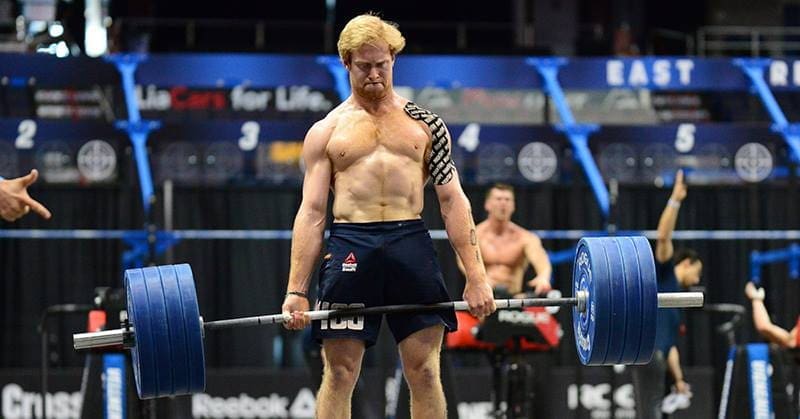
- Testosterone Boost: Exercises like squats and deadlifts, which place large loads on the body, can boost testosterone levels, promoting muscle growth and recovery (Kraemer et al., 1990).
- Growth Hormone Release: Higher intensity compound exercises encourage growth hormone production, essential for muscle repair, especially after strenuous workouts (Godfrey et al., 2003).
3. Strength Gains Across Multiple Muscle Groups
If strength is your primary goal, compound exercises are ideal. By targeting more than one muscle group, compound movements allow you to lift heavier weights, which can accelerate strength development. This is particularly beneficial for beginner and intermediate lifters who need foundational strength across different muscle groups.
The Most Attractive Male Body Type According to Women
Fat Loss and Metabolism: The Calorie-Burning Power of Compound Exercises
Many people turn to compound exercises for their high calorie-burning potential, making them effective for fat loss and overall conditioning.
1. Enhanced Caloric Expenditure
The metabolic demands of compound exercises are higher than those of isolation exercises. A study published in Medicine and Science in Sports and Exercise found that compound movements such as deadlifts and squats lead to greater calorie burn than isolation exercises like bicep curls (Schuenke et al., 2002).
- Afterburn Effect: Compound exercises create an afterburn effect (excess post-exercise oxygen consumption), which keeps metabolism elevated hours after a workout.
- Efficient Workouts: Compound exercises can achieve a full-body workout in less time, appealing to those who want effective sessions without spending hours in the gym.
2. Improved Insulin Sensitivity

Compound exercises can also enhance insulin sensitivity, which is key to managing body fat and preventing metabolic diseases. By working larger muscle groups and stimulating more muscle mass, compound movements help improve the way your body utilises glucose.
Tips to Lose a LOT of Body Fat WITHOUT Counting Calories
Impact on Cardiovascular Health and Endurance
Compound exercises provide a cardiovascular boost that can support heart health and improve muscular endurance, especially if performed in a circuit format or with high intensity.
1. Increased Heart Rate
When large muscle groups are engaged simultaneously, the cardiovascular system is pushed to deliver more oxygen and nutrients. This elevates heart rate and challenges the cardiovascular system, contributing to improved heart health.
- Heart Health: Studies show that strength training, especially with compound exercises, can reduce cardiovascular disease risks by improving blood pressure and cholesterol levels (Williams et al., 2007).
- Endurance: Exercises like squats and lunges performed in high-repetition sets can increase muscle endurance and stamina.
2. Improved VO2 Max and Oxygen Utilisation
Compound movements can enhance your VO2 max, the body’s ability to utilise oxygen during intense physical activity. High-intensity compound workouts, such as circuit training or supersets, are particularly effective for increasing aerobic capacity and endurance (Helgerud et al., 2007).
Neuromuscular Coordination and Functional Fitness Benefits
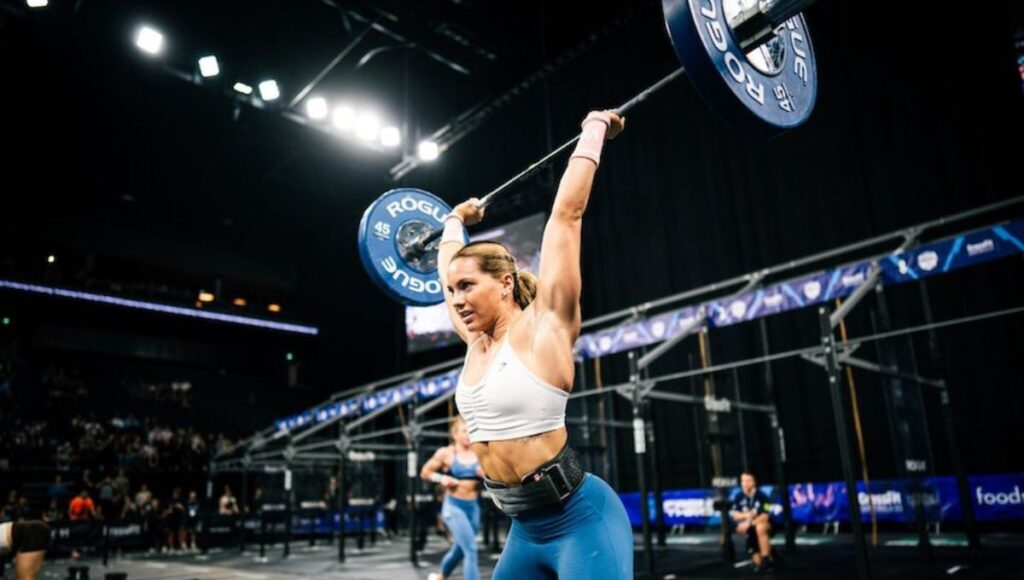
Compound exercises are highly functional, meaning they mirror the movements people make in real-life situations, enhancing neuromuscular coordination.
1. Enhanced Coordination and Balance
As compound exercises involve multiple joints and muscle groups, they improve coordination between the nervous and muscular systems, leading to better balance and stability.
- Core Stability: Movements like deadlifts and lunges engage the core, promoting core stability and balance.
- Injury Prevention: By strengthening muscles and improving coordination, compound exercises can help protect against injuries, both in athletic performance and daily activities.
2. Increased Mobility and Flexibility
Exercises like squats and lunges require full ranges of motion, which can lead to better mobility in the hips, knees, and ankles.
- Joint Health: Performing compound movements with a full range of motion can maintain and even improve joint flexibility, promoting longevity and reducing stiffness.
- Range of Motion: Enhanced flexibility around major joints is beneficial for athletic performance and functional movement in everyday tasks.
How to Build Explosive Power for Weightlifting and Functional Fitness
Potential Drawbacks of Exclusively Doing Compound Exercises
While compound exercises are highly effective, an exclusive focus on them may have limitations, particularly for bodybuilders or those needing rehabilitation or muscle isolation.
1. Limited Muscle Isolation
Isolation exercises, like bicep curls or calf raises, specifically target smaller muscles, which may not be fully stimulated in compound movements. For bodybuilders or athletes focusing on aesthetics, neglecting these areas could lead to imbalances.
- Imbalance Risk: Without isolation exercises, muscles like biceps, calves, and rear deltoids may not develop fully, potentially leading to aesthetic or functional imbalances.
- Muscle Definition: Compound exercises primarily build overall strength and size, but isolation movements help with muscle definition and detail.
10 Exercises to Get a Top 1% Physique
2. Risk of Overtraining
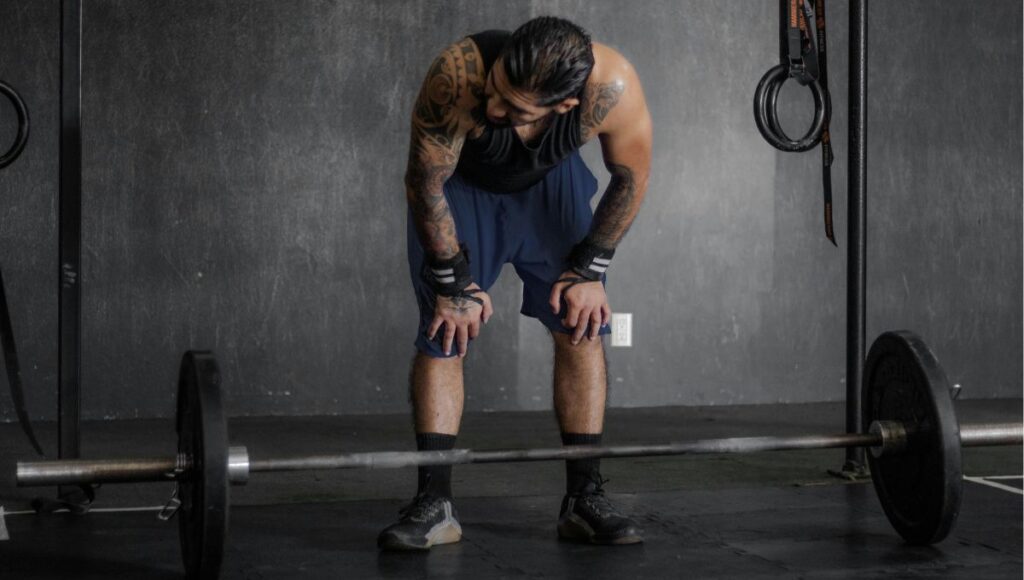
Compound exercises require high energy and place considerable stress on the nervous and musculoskeletal systems. If you only do compound exercises, you may risk overtraining, especially without sufficient rest or proper recovery strategies.
- High Physical Demand: Compound movements, particularly heavy lifts like deadlifts, are demanding and need adequate recovery to prevent overuse injuries.
- Recovery Needs: Muscles and joints require time to repair; overtraining can lead to burnout, fatigue, or injury if recovery is overlooked.
Strategies for an Effective Compound-Only Workout Routine
If you prefer to stick primarily with compound exercises, it’s essential to plan your routine carefully. Here’s how to make a compound-only workout both safe and effective.
1. Focus on Balanced Muscle Groups
Incorporate a variety of compound exercises that target all major muscle groups to ensure balanced development.
- Upper and Lower Body: Combine upper-body moves (like bench presses and rows) with lower-body exercises (like squats and lunges) for a full-body approach.
- Push and Pull Movements: Include both pushing (bench press, overhead press) and pulling (pull-ups, deadlifts) movements to avoid muscular imbalances.
2. Use a Periodisation Strategy
Periodisation involves cycling different intensities, volumes, and types of training, helping prevent overuse injuries and burnout.
- Vary Intensity: Alternate between heavy, low-rep sessions and lighter, higher-rep sessions to provide variety and recovery time.
- Deload Weeks: Plan lower-intensity weeks (deloads) every few months to allow the nervous system and muscles to recover fully.
Top Training Programs to Gain Size and Mass
3. Prioritise Rest and Recovery
Given the high physical demand of compound exercises, recovery practices become crucial.
- Adequate Sleep: Aim for 7-9 hours of sleep to support muscle recovery and growth.
- Active Recovery: Engage in light activities, like walking or stretching, to improve blood flow and promote healing.
Conclusion
Exclusively performing compound exercises can transform your body, boosting strength, muscle mass, cardiovascular fitness, and functional capabilities. However, while compound exercises provide numerous benefits, there are some limitations to be aware of, including potential muscle imbalances and overtraining risks. To maximise results, a well-rounded approach with a balanced workout structure, recovery periods, and occasional variation can make a compound-focused workout safe and highly effective.
Key Takeaways
| Key Point | Description |
|---|---|
| Muscle Growth | Compound exercises promote hypertrophy by engaging multiple muscle groups simultaneously. |
| Fat Loss | High calorie expenditure and the afterburn effect help in fat loss. |
| Cardiovascular Health | Compound exercises elevate heart rate, supporting heart health and endurance. |
| Functional Fitness | Improves balance, coordination, and functional strength. |
| Potential Drawbacks | Risk of muscle imbalance and overtraining if not carefully managed. |
| Effective Strategy | Balanced movement selection, periodisation, and recovery ensure safe and sustained progress. |
References
- Paoli, A., Moro, T., Marcolin, G., Neri, M., Bianco, A., Palma, A., Grimaldi, K.A. (2012). High-intensity interval resistance training (HIRT) influences resting energy expenditure and respiratory ratio in non-dieting individuals. Journal of Translational Medicine, 10(1), 237.
- Kraemer, W.J., Marchitelli, L., Gordon, S.E., Harman, E., Dziados, J.E., Mello, R., Frykman, P., McCurry, D., Fleck, S.J. (1990). Hormonal and growth factor responses to heavy resistance exercise protocols. Journal of Applied Physiology, 69(4), 1442-1450.
- Godfrey, R.J., Madgwick, Z., Whyte, G.P. (2003). The exercise-induced growth hormone response in athletes. Sports Medicine, 33(8), 599-613.
- Schuenke, M.D., Mikat, R.P., McBride, J.M. (2002). Effect of an acute period of resistance exercise on excess post-exercise oxygen consumption: implications for body mass management. European Journal of Applied Physiology, 86(5), 411-417.
- Williams, M.A., Haskell, W.L., Ades, P.A., Amsterdam, E.A., Bittner, V., Franklin, B.A., Gulanick, M., Laing, S.T., Stewart, K.J. (2007). Resistance exercise in individuals with and without cardiovascular disease. Circulation, 116(5), 572-584.
- Helgerud, J., Høydal, K., Wang, E., Karlsen, T., Berg, P., Bjerkaas, M., Simonsen, T., Helgesen, C., Hjorth, N., Bach, R., Hoff, J. (2007). Aerobic high-intensity intervals improve VO2max more than moderate training. Medicine & Science in Sports & Exercise, 39(4), 665-671.