


Ever tried squatting down, only to feel a tug in your hips or a pinch in your knees? The deep squat is one of those fundamental movements that sounds easy but can be surprisingly challenging. Despite looking simple, it requires a surprising amount of mobility, balance, and strength to get right. But don’t worry—mastering the deep squat is worth it! Not only does it help build core and leg strength, but it also enhances flexibility, improves your posture, and makes daily activities easier. Plus, it’s one of the most functional moves you can learn, as it mimics the way we naturally sit or pick things up.
A deep squat is more than just a workout move; it’s a test of body mechanics. In many cultures, people spend hours in a deep squat without a second thought. In the West, where we sit in chairs most of the time, our bodies lose this natural movement over time. This guide will walk you through everything you need to know about the deep squat—whether you’re looking to perfect your technique, understand the benefits, or avoid common mistakes. So, let’s dive in and make that squat smoother and stronger!


What is a Deep Squat?
- Explanation of the biomechanics involved in the deep squat
- Muscles targeted by the deep squat, including primary and stabilising muscles
- Deep squat as a natural resting position and its cultural significance in various parts of the world
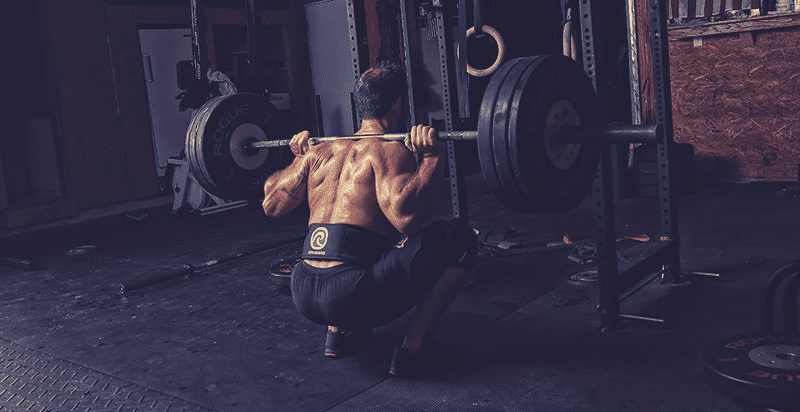
The deep squat, often referred to as an “ass-to-grass” squat, is a type of squat that takes you all the way down, with your hips dropping below your knees. In other words, when you’re in a deep squat position, your thighs will ideally be parallel or lower than parallel to the ground. Unlike a regular squat where the knees bend at a 90-degree angle, a deep squat demands that your hips sink lower, requiring both balance and flexibility.
To break it down a bit further, the deep squat engages several muscle groups at once. The quadriceps, glutes, and hamstrings are the prime movers here, but it doesn’t stop there. Your calves, lower back, and core are all engaged, working to stabilise your body and keep you balanced. Even muscles in your feet and ankles get involved, helping you keep grounded as you lower yourself into the position. This deep movement isn’t just for fitness enthusiasts; it’s been part of human movement for ages. In fact, in many Asian and African cultures, the deep squat is a natural resting position, used regularly without a thought for form or alignment.
300 Squats Every Day for 30 Days – What Happens to your Body?
Why the Deep Squat is So Beneficial
- Explanation of how deep squats improve joint health and prevent injury
- The role of deep squats in daily movement and functional fitness
- Psychological benefits of improving mobility and flexibility
The benefits of a deep squat go beyond toned legs and a stronger core. It’s truly one of those moves that does it all! For starters, the deep squat builds serious leg and glute strength. This can be incredibly helpful for athletic activities, where leg power plays a huge role, but it’s equally beneficial for everyday tasks. Whether you’re lifting your toddler, picking up heavy groceries, or even standing up from a seated position, strong legs and glutes make everything easier.
But what’s even better is that deep squats improve your hip mobility. In a world where many of us sit for hours at a time, our hips get tight and lose their range of motion. A deep squat counteracts this. By regularly practising deep squats, you’ll notice that your hips start to open up, which can relieve lower back tension and even improve posture.
And let’s not forget joint health. With a properly executed deep squat, you’re training your body to keep a stable posture as you move through a full range of motion. This strengthens your joints, ligaments, and tendons, helping to prevent injuries in the knees, ankles, and even the lower back.
How to Perform a Proper Deep Squat
- Key points to focus on, such as foot placement, knee alignment, and back posture
- Tips on breathing techniques to support movement and stability
- Modifications for beginners and intermediate practitioners
Performing a deep squat properly starts with the right stance. Stand with your feet about shoulder-width apart. Toes can point slightly outward, but they should feel comfortable rather than forced. As you lower yourself, think about pushing your hips back and down, almost like you’re trying to sit on a low chair.
Now, here’s a key point—keep your chest up! Avoid hunching over by engaging your core and keeping your spine straight. If you’re finding it hard to balance or feel like you’re going to tip forward, try pressing your knees slightly outward as you descend. This helps to open up the hips and distribute your weight more evenly.
And don’t forget to breathe! As you go down, inhale to fill up your lungs. Then, exhale as you come back up to standing. This breathing technique keeps you grounded and steady, making the movement feel smoother and controlled.
For those new to deep squats, don’t worry if you can’t go all the way down right away. Start by going as low as you comfortably can, and work your way deeper over time. It’s all about progression, so be patient with yourself.
How To Squat Properly For Muscle Growth (Checklist)
Common Mistakes and How to Fix Them
- Specific tips for correcting form issues, like heel elevation or back rounding
- Importance of checking alignment with mirrors or a partner
- Consequences of poor form and ways to avoid injury
When it comes to deep squats, one common mistake is letting your heels lift off the ground. This usually happens when ankle mobility is limited, causing an unstable base. A simple fix? Try placing a small weight or even a rolled towel under your heels to give you some elevation. Over time, as you build ankle mobility, you’ll be able to squat with flat feet.
Another frequent issue is the dreaded “butt wink.” This happens when the lower back rounds out at the bottom of the squat. Not only can this lead to discomfort, but it can also strain the lower back over time. To combat this, engage your core and only go as low as you can while maintaining a neutral spine. Stretching your hamstrings regularly can also help minimise butt wink over time.
Lastly, keep an eye on knee alignment. Ideally, your knees should track over your toes without caving inwards. If they do, it could be a sign that your hip muscles need strengthening. Glute bridges and clamshells can help, as well as practising squats with a resistance band around your thighs to cue the knees outward.
Deep Squat Variations for All Levels
- Description of different squat variations: goblet squat, sumo squat, and front squat
- Suggestions for incorporating weights or bands to increase difficulty
- Benefits of each variation and how they target different muscle groups
- Progressions for beginners, intermediates, and advanced squatters
Once you’ve got the basics of a deep squat down, there are plenty of ways to spice things up! For instance, the goblet squat is an excellent variation for beginners. By holding a weight close to your chest, it’s easier to keep your torso upright, which can be tricky in a traditional squat.
For a more advanced variation, try the front squat. This move requires you to hold a barbell across the front of your shoulders. Because the weight is in front, your core has to work extra hard to keep you stable, making it an excellent challenge for those ready to take their squats to the next level.
5 Types of Squats for Incredible Lower Body Strength and Attractive Legs and Glutes
Another fun twist is the sumo squat. With your feet set wider than shoulder-width and toes pointing outward, the sumo squat targets the inner thighs and glutes in a slightly different way. It’s perfect for anyone looking to add some variety while still focusing on lower body strength.
And if you’re really looking to challenge yourself, try adding resistance bands around your thighs or even holding a kettlebell for a weighted deep squat. Just remember, the goal is to keep challenging yourself without sacrificing form.
Building Mobility and Strength for a Deeper Squat
- Exercises to increase ankle, hip, and knee mobility
- Strengthening techniques to support a deeper squat
- Daily routines or stretches to improve flexibility
- The role of foam rolling and other recovery practices
The Single Best Squat Tip I’ve Ever Used
Safety Tips and Precautions
- How to listen to your body to avoid injury
- Common signs of overdoing it and when to rest
- Importance of warming up before deep squat exercises
- Tips for maintaining balance and control throughout the movement
How to Incorporate the Deep Squat into Your Routine

- Practical advice on using deep squats in a workout plan
- Examples of workout routines that include deep squats
- How often to practise deep squats for best results
- Combining deep squats with other exercises for full-body benefits
Conclusion
Mastering the deep squat is like unlocking a hidden superpower! From improved mobility and stronger legs to enhanced joint health, the benefits of this simple yet powerful movement are vast. So, whether you’re a beginner or an experienced lifter, take the time to get comfortable with the deep squat. Start slow, focus on form, and enjoy the rewards of a body that moves more freely and powerfully. Remember, everyone’s squat journey is unique, so customise your routine to suit your needs and goals. Keep practising, and watch as the deep squat transforms not only your workouts but your everyday life!


