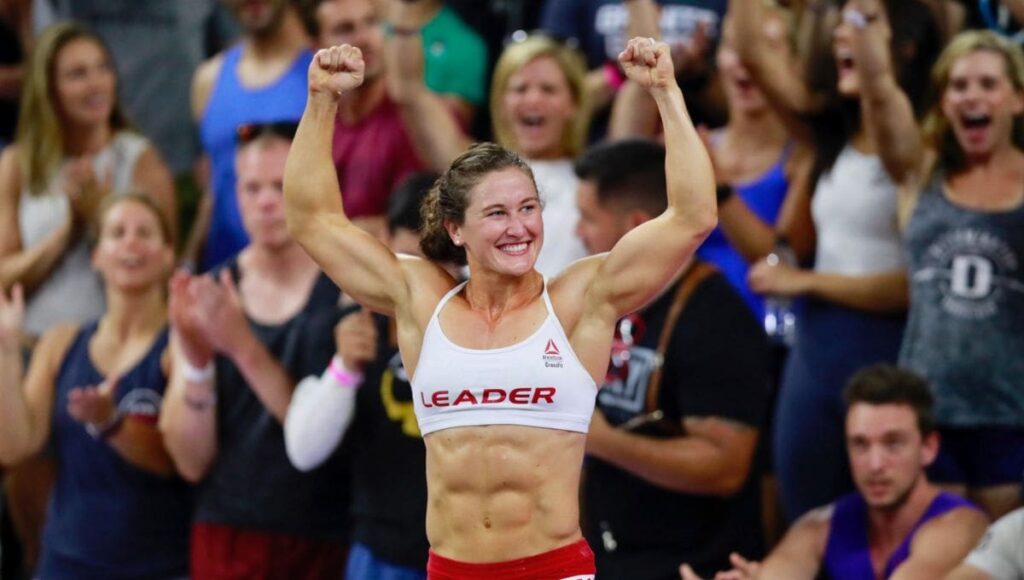
Developing visible abs, or a six-pack, involves reducing body fat through a balanced approach to nutrition and exercise. However, certain foods can sabotage this goal by causing excess fat storage, bloating, and impaired muscle recovery. Here are seven foods you should avoid if you’re striving for defined abs, backed by science and specific recommendations.
1. Sugary Drinks
Sugary drinks, including sodas, sweetened teas, and energy drinks, are high in calories and can contribute to fat gain, especially around the abdominal area. Studies show that consuming fructose, a common sugar in these beverages, promotes visceral fat accumulation (Stanhope et al., 2009).


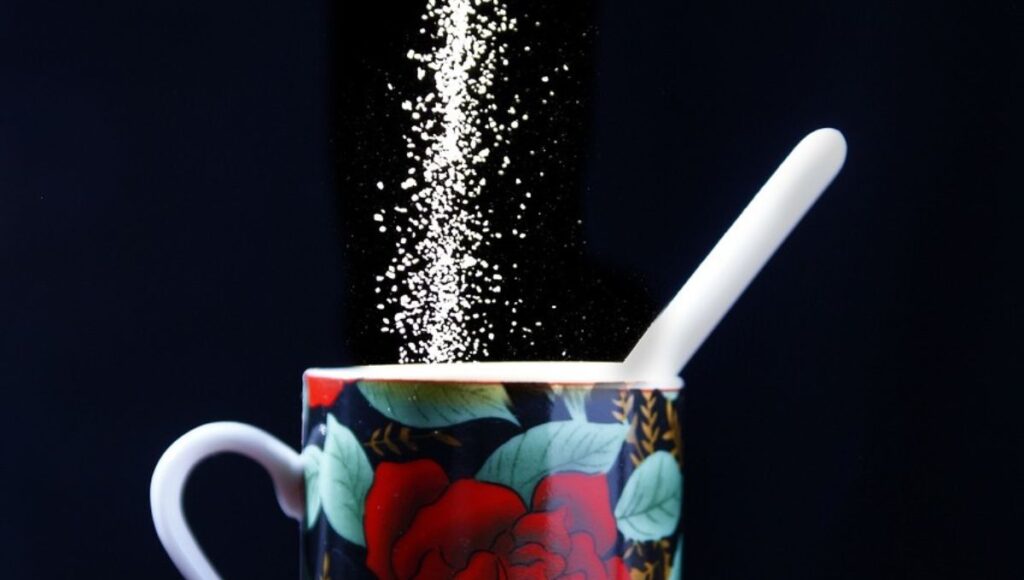
Unlike glucose, which can be used by many body cells, fructose is mainly processed in the liver, where it is converted to fat if consumed in excess. Research also indicates that liquid calories don’t provide the same satiety as solid food, leading to overconsumption of calories (DiMeglio & Mattes, 2000). Avoiding sugary drinks and opting for water, herbal teas, or other zero-calorie options can significantly aid in reducing overall caloric intake and minimising fat storage.
2. Processed Baked Goods
Processed baked goods, such as pastries, muffins, and cakes, are high in refined flour and added sugars, which can lead to rapid spikes in blood sugar levels followed by crashes that increase hunger and food cravings. They are also often loaded with trans fats, which have been shown to increase abdominal fat storage. A study on monkeys found that those consuming trans fats gained 33% more abdominal fat compared to those who consumed a diet rich in monounsaturated fats (Kavanagh et al., 2007).

This type of fat is particularly harmful because it promotes inflammation and interferes with fat loss efforts. For optimal results, replace processed baked goods with whole-grain alternatives or naturally sweetened treats that provide fibre and reduce rapid blood sugar fluctuations.
3. Alcoholic Beverages
Alcohol can disrupt metabolic function and contribute to an increase in abdominal fat. Ethanol, the active ingredient in alcohol, is metabolised differently than other nutrients. The liver prioritises processing ethanol over fats and sugars, which can lead to fat accumulation (Shelmet et al., 1988). Furthermore, studies show that alcohol consumption is associated with increased visceral fat, the type of fat stored in the abdominal cavity (Sayon-Orea et al., 2011). Beyond its effect on metabolism, alcohol can impair recovery by affecting sleep quality and hydration, both of which are crucial for muscle growth and fat loss. Limiting alcohol or opting for lower-calorie, low-sugar drinks in moderation can aid in achieving better ab definition.
4. Refined Grains
Refined grains, found in foods like white bread, pasta, and white rice, have had the bran and germ removed, stripping away fibre and essential nutrients. Studies show that refined grains cause higher insulin responses, which can promote fat storage, especially when consumed in large quantities (Liu et al., 2000). A high intake of refined grains has also been linked to an increase in belly fat and an elevated risk of obesity (McKeown et al., 2004).

Unlike whole grains, refined grains offer minimal satiety and often lead to overeating. Swapping refined grains for whole grains, such as brown rice, quinoa, and whole-wheat pasta, can help regulate blood sugar levels and promote a more stable energy release, which is beneficial for maintaining a lean physique.
5. Fried Foods
Fried foods, including items like chips, fried chicken, and doughnuts, are typically cooked in oils that are high in trans fats and saturated fats. These fats not only increase calorie intake significantly but are also linked to various health issues, including increased belly fat. Research shows that a diet high in trans fats contributes to an increase in visceral fat (Kavanagh et al., 2007). Moreover, fried foods are often highly palatable, leading to overeating and an excessive calorie surplus. Replacing fried foods with baked, steamed, or air-fried alternatives can help reduce fat intake and support fat loss, especially around the midsection.
6. Dairy Desserts
While dairy itself can be part of a balanced diet, dairy-based desserts such as ice cream and certain yoghurts contain high amounts of sugar and fat, which can hinder fat loss efforts. Research indicates that excessive dairy fat intake can contribute to overall weight gain and fat storage (Astrup et al., 2019).

Additionally, lactose, the sugar found in dairy, can cause bloating and digestive discomfort in lactose-intolerant individuals, leading to a less defined abdominal area. For those aiming for a six-pack, it’s best to choose low-fat, unsweetened dairy options or plant-based alternatives with minimal added sugars.
7. Processed Meats
Processed meats, such as sausages, bacon, and salami, contain high levels of saturated fats and added preservatives. These meats are often calorie-dense and low in essential nutrients, and their high sodium content can lead to water retention and bloating, masking ab definition. Processed meats have also been associated with increased visceral fat and higher risks of metabolic disorders (Rohrmann et al., 2013). Opting for lean protein sources, such as chicken breast, fish, and plant-based proteins, can provide the necessary nutrients without the added fats and sodium found in processed meats, supporting both muscle growth and fat loss.
Harvard Style Bibliography
Astrup, A., Bertram, H.C., Bonjour, J.P., de Groot, L.C., de Oliveira Otto, M.C., Feeney, E.L., Garg, M.L., Givens, D.I. and Kok, F.J., 2019. WHO draft guidelines on dietary saturated and trans fatty acids: time for a new approach?. BMJ, 366, p.l4137.
DiMeglio, D.P. and Mattes, R.D., 2000. Liquid versus solid carbohydrate: effects on food intake and body weight. International Journal of Obesity, 24(6), pp.794-800.
Kavanagh, K., Jones, K.L., Sawyer, J., Kelley, K., Carr, J.J., Wagner, J.D. and Rudel, L.L., 2007. Trans fat diet induces abdominal obesity and changes in insulin sensitivity in monkeys. Obesity, 15(7), pp.1675-1684.
Liu, S., Willett, W.C., Manson, J.E., Hu, F.B., Rosner, B. and Colditz, G., 2000. Relation between changes in intakes of dietary fiber and grain products and changes in weight and development of obesity among middle-aged women. American Journal of Clinical Nutrition, 71(4), pp.923-929.
McKeown, N.M., Meigs, J.B., Liu, S., Wilson, P.W. and Jacques, P.F., 2004. Whole-grain intake is favourably associated with metabolic risk factors for type 2 diabetes and cardiovascular disease in the Framingham Offspring Study. American Journal of Clinical Nutrition, 79(1), pp.30-36.
Rohrmann, S., Overvad, K., Bueno-de-Mesquita, H.B., Jakobsen, M.U., Egeberg, R., Tjønneland, A., Nailler, L., Boutron-Ruault, M.C., Clavel-Chapelon, F., Teucher, B. and Key, T.J., 2013. Meat consumption and mortality–results from the European Prospective Investigation into Cancer and Nutrition. BMC Medicine, 11(1), pp.1-12.
Sayon-Orea, C., Martinez-Gonzalez, M.A. and Bes-Rastrollo, M., 2011. Alcohol consumption and body weight: a systematic review. Nutrition Reviews, 69(8), pp.419-431.
Shelmet, J.J., Reichard, G.A., Skutches, C.L., Hoeldtke, R.D., Owen, O.E. and Boden, G., 1988. Ethanol causes acute inhibition of carbohydrate, fat, and protein oxidation and insulin resistance. Journal of Clinical Investigation, 81(4), pp.1137-1145.
Stanhope, K.L., Schwarz, J.M., Keim, N.L., Griffen, S.C., Bremer, A.A., Graham, J.L., Hatcher, B., Cox, C.L., Dyachenko, A., Zhang, W. and McGahan, J.P., 2009. Consuming fructose-sweetened, not glucose-sweetened, beverages increases visceral adiposity and lipids and decreases insulin sensitivity in overweight/obese humans. Journal of Clinical Investigation, 119(5), pp.1322-1334.
Key Takeaways Table
| Food | Reason to Avoid |
|---|---|
| Sugary Drinks | High in calories, increases visceral fat storage |
| Processed Baked Goods | Contains trans fats, leads to increased abdominal fat |
| Alcoholic Beverages | Disrupts metabolism, promotes belly fat accumulation |
| Refined Grains | Causes insulin spikes, promotes fat storage |
| Fried Foods | High in trans fats, leads to visceral fat |
| Dairy Desserts | High in sugar and fat, can cause bloating |
| Processed Meats | High in saturated fats and sodium, causes bloating |