Does your chest refuse to grow, no matter how hard you try? You’re not alone—many of us have been there, hitting the bench press every week and feeling frustrated as our chest remains, well… less than impressive. You could be doing everything by the book, following workouts from big-chested fitness influencers, but still seeing little to no growth. The good news? Sometimes, it’s not about doing more, but about doing smarter.
And training smart is what Jeremy Ethier is known for and who we admire to bring us the only 2 exercises that you should be doing to grow stubborn chest muscles. Jeremy Ethier is a fitness enthusiast, certified kinesiologist, co-founder of Built With Science, and the creator of the fitness-focused YouTube channel “Jeremy Ethier.” He is known for providing evidence-based fitness and training advice, backed by scientific research. Jeremy shares workout routines, exercise tutorials, and nutrition tips to help individuals achieve their fitness goals. His content often emphasizes the importance of proper form, effective workout strategies, and understanding the science behind fitness practices


Here’s a deep dive into two game-changing exercises that, with the right form and a touch of personalisation, could finally help you break through that stubborn chest plateau!
Why the Bench Press Isn’t Always King
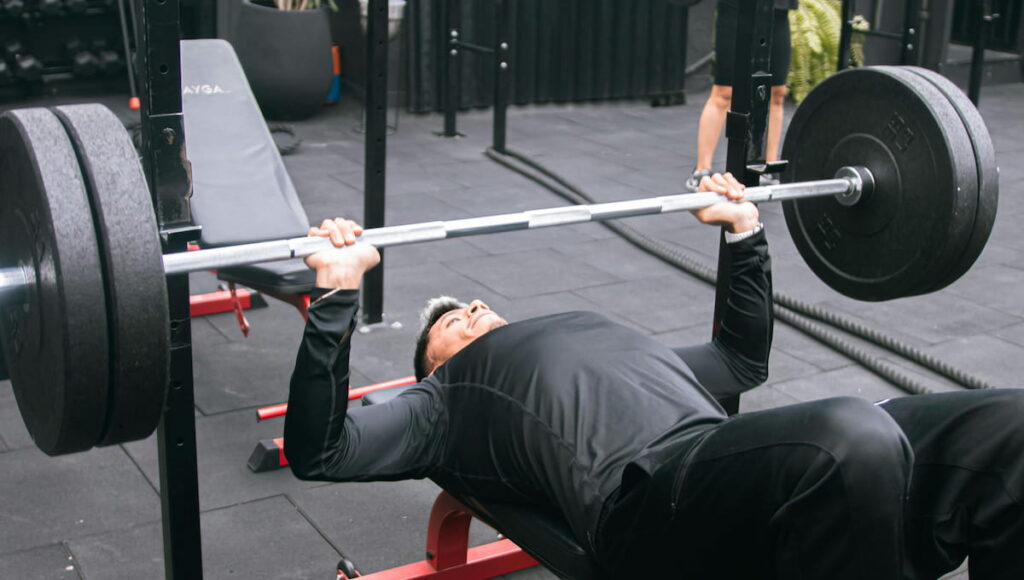
Before we jump into the magic moves, let’s get something straight: the barbell bench press isn’t the be-all and end-all for chest growth. Sure, studies have shown a positive link between bench press strength and chest growth, and for many people, a stronger bench does lead to a bigger chest. But it’s not one-size-fits-all. In fact, you may be an outlier, like many lifters who have built up a solid bench press but have noticed that their chest isn’t filling out as expected.
One key reason could be genetics. Your bone structure, muscle insertion points, and even something as specific as your sternum angle can affect how well certain exercises target your chest muscles. And here’s the thing: the bench press forces your arms into a fixed position, which might not allow your chest to activate properly if your body isn’t structured for it. In short, the bench press might just not be the best option for everyone looking for significant chest gains.
How to Increase Chest Size and Strength
Switching to Dumbbells: Freedom to Find Your Fit
If the barbell bench press has been letting you down, the first step to breaking through the plateau is switching from a barbell to dumbbells. This change may seem simple, but it can make a world of difference because dumbbells offer the flexibility to adjust arm positions, allowing better activation of chest muscles.
Key Tips for Dumbbell Press Success
- Range of Motion Matters: Aim for a deeper range of motion at the bottom of the press. Not only does this engage the chest more fully, but research also suggests that keeping muscles under a deep stretch can stimulate more growth.
- Avoid Full Lockout: Take a note from bodybuilders like Ronnie Coleman—don’t fully lock out at the top of each rep. Instead, keep tension in your chest by stopping just shy of lockout to maximise muscle activation.
- Weight Doesn’t Matter—Form Does: It might be tempting to go heavy, but using a lighter weight and focusing on form can lead to better results. In fact, starting with a weight that allows you to perfect your form will build a better base for gradual weight progression.
“Remember, it’s not the size that matters—it’s how you use it,” Ethier says. Taking a lighter weight to focus on that deep stretch and constant tension can be a game-changer for chest growth.
Perfecting the Angle: Understanding Your Sternum
You might think incline pressing means setting the bench at a high angle, but here’s the catch—it depends on your sternum angle. Your sternum (the breastbone) plays a critical role in determining how your chest muscles respond to incline and flat bench presses.
To figure out your sternum angle:
- Lie on a Flat Bench and place your phone on your sternum.
- Check the Tilt: If your phone tilts down, you have a steeper sternum angle. If it sits flat, your sternum is relatively flat too.
Customising Your Bench Angle
- For Steeper Sternums: If your phone tilts downwards, your chest muscles are already angled downwards on a flat bench, making it act more like a decline press. To target the upper chest, you’ll need to set your incline higher—about 30 to 45 degrees.
- For Flatter Sternums: If your phone sits flat, a flat bench is actually flat for you, and only a slight incline (one or two notches) will activate your upper chest without over-involving your shoulders.
Finding this sweet spot not only prevents shoulder strain but also maximises upper chest activation. Get it right, and you’ll be recruiting more chest fibres and developing that full, well-rounded look.
Exercise #1: Dumbbell Incline Press with the Right Angle

Once you’ve determined your optimal incline, it’s time to perform the dumbbell incline press. This exercise specifically targets the mid to upper chest, helping you achieve that coveted chest “shelf.”
How to Do It:
- Set the Bench to your ideal incline based on your sternum angle.
- Hold Dumbbells at shoulder height, palms facing forward.
- Lower Slowly: Bring the weights down with control, aiming for a deep stretch at the bottom.
- Press Without Lockout: Press the weights up but stop just before full lockout to keep constant tension in your chest.
The goal here is not only to build the upper chest but to keep the chest fully engaged throughout the movement by avoiding shoulder involvement and focusing on the range that matters for growth.
Exercise #2: Cable Chest Fly for the Stretch
Incline presses are great, but they don’t fully target the outer and lower chest. For that, an adjusted cable fly comes into play. Unlike the pec deck, where the tension peaks at the end of the movement, the cable chest fly allows you to engage your muscles fully in the stretch position, which is key for outer chest growth.
Setting Up the Cable Fly:
- Bench Setup: Set an incline bench slightly lower than your incline press angle—typically one notch below.
- Use a Foam Roller: Placing a half foam roller behind your back can help open up your chest even more, giving you a deeper stretch.
- Align the Cables: Set the cables at shoulder height to ensure the tension is hitting the right area (mid and lower chest).
Execution Tips:
- Focus on the Stretch: As you lower your arms, focus on getting a deep stretch, which is key for activating the outer portions of the chest.
- Visualise a String: Imagine a string attached to your sternum, pulling your chest up throughout the movement. This mental cue can help keep your shoulders from taking over.
“The beauty of this exercise is that it keeps tension throughout the full range—even at the end during the squeeze.” And that constant tension is what will really make a difference in chest development.
Programming These Exercises into Your Routine
So, how do you incorporate these exercises into your weekly workout? Here’s a sample schedule:
- Dumbbell Incline Press: 4 sets of 8-12 reps, focusing on form and range of motion.
- Cable Chest Fly: 4 sets of 10-15 reps, emphasising the stretch.
You can aim to progress the weight every 1-2 weeks, but remember, form is key. Take it slow and master the movement before chasing higher numbers.

Final Thoughts: Two Moves, Major Gains
Growing stubborn chest muscles doesn’t have to be complicated. By focusing on the dumbbell incline press and cable chest fly and tailoring each exercise to your body’s unique structure, you can make significant strides in chest development. Customise the incline to suit your sternum angle, and don’t underestimate the power of a deep stretch. These two exercises, when done correctly and with the right form, can finally unlock that chest growth you’ve been working so hard to achieve. Give them a try, and watch your chest take shape!