


When it comes to getting strong, agile, and fit, there’s no single magic workout that covers it all. As Adam Sinicki explains, “There’s no such thing as a perfect, comprehensive training modality.” No single style of training can deliver everything your body is capable of. Instead, combining complementary workout styles offers a more well-rounded, complete fitness experience. This is where calisthenics and kettlebell training come in – two powerhouse workout types that, when blended together, can provide a balanced programme for strength, endurance, and real-world functionality.
Adam Sinicki is known online as “The Bioneer.” He is a health and fitness writer, a personal trainer and has gathered almost half a million subscribers on his YouTube Channel.


In this article, we’ll delve into the benefits of each of these training modalities and explore how combining them can help you reach your fitness goals more effectively. Let’s get into it!
Why Calisthenics?
- Benefits of calisthenics for strength, mobility, and control
- Developing proprioception and body awareness
- Limitations of calisthenics: leg strength, hip-hinge, and biceps challenges
Calisthenics is more than just bodyweight exercises – it’s a method that enhances your control, mobility, and strength without relying on any equipment. In Sinicki’s words, calisthenics is his “favourite way to train,” and for good reason. It’s not just about getting strong but about building a deep awareness of your body and how it moves. Think of gymnasts and how they control their bodies during flips and holds. Calisthenics training develops this sense of proprioception – your body’s ability to perceive its own position in space. This kind of body awareness is highly functional and can improve performance in nearly any sport or physical activity.
For example, in calisthenics, advanced moves like the handstand or planche require you to focus on elements that most gym workouts overlook, such as scapular retraction, pelvic alignment, and core bracing. These aspects are crucial for developing a balanced and resilient body. Training in calisthenics forces you to work through full ranges of motion, which builds both flexibility and functional strength, allowing you to move more freely in daily life. As Sinicki says, “This is a training style you can use literally anywhere,” whether you’re at home, in the park, or travelling – you don’t need a gym or expensive equipment.
Should You Transition to Calisthenics?
The Drawbacks of Calisthenics
But, like any training style, calisthenics has its limitations. While it’s excellent for overall strength, mobility, and control, it’s not the best choice for building substantial lower-body strength. According to Sinicki, “If you want tree trunk legs, then calisthenics isn’t going to get you there.” Exercises like pistol squats and Bulgarian split squats can help build lower-body endurance and strength, but they won’t typically match the gains achieved through weighted squats and deadlifts.
Another major limitation is the lack of hip-hinge movements, which are essential for building strength in the posterior chain (think hamstrings, glutes, and lower back). A functional body needs to be able to lift and carry heavy objects off the ground – something that calisthenics alone struggles to address without added weight or equipment. For those training entirely at home with no access to equipment, calisthenics can also fall short in developing muscles like the lats and biceps unless you have a pull-up bar. As Sinicki points out, “Everyone says you can do calisthenics anywhere – but actually, pull-up bars are quite hard to come by!”
15 Most Effective Bodyweight Leg Exercises
Why Kettlebell Training Complements Calisthenics
- Kettlebells for strength and cardio
- Addressing hip-hinge and rotational movement
- Developing endurance and functional strength
Here’s where kettlebell training steps in to fill the gaps. With kettlebells, you have a highly versatile tool that bridges the space between strength and cardio. “The kettlebell addresses almost all of these issues,” Sinicki explains. For instance, kettlebell exercises like swings and cleans introduce dynamic, ballistic movements that help develop strength, power, and endurance. The kettlebell swing, in particular, is an effective hip-hinge movement that teaches proper lifting mechanics, reduces the risk of back injuries, and strengthens the glutes and hamstrings – all areas that calisthenics alone might not adequately address.

With kettlebells, you’re not just building raw strength; you’re working on strength endurance. High-rep kettlebell exercises challenge your aerobic capacity while still loading the muscles, providing a hybrid workout that improves both your cardiovascular health and muscular stamina. This strength endurance is invaluable for everyday tasks and sports. Imagine the benefit of being able to maintain power and control over an extended period, whether it’s carrying your groceries up a flight of stairs or lasting through a long hike.
Filling the Gaps in Rotation and Carrying Movements
Another often-overlooked benefit of kettlebells is their ability to improve rotational strength – a key movement for activities like throwing, running, and many types of sports. Calisthenics movements rarely involve significant rotation, which can leave gaps in training. However, with kettlebell moves like the halo, crossbody swing, or atlas swing, you’re able to strengthen your core, improve your balance, and add stability to your torso. As Sinicki points out, “Rotation translates to everything from running to throwing a punch.”
Lastly, kettlebells offer the advantage of loaded carries. Picking up a kettlebell and walking with it mimics the real-life demand of lifting and carrying heavy objects. This ‘carry-over’ to daily activities makes kettlebell training not only effective but also highly functional.
25 Unusual Kettlebell Abs Exercises
The Power of Combining Calisthenics and Kettlebell Training
- How kettlebells enhance calisthenics exercises
- Benefits of combining for balanced strength, endurance, and control
- Example exercises: goblet squats, weighted pistol squats, bent rows
So, why is the combination of calisthenics and kettlebell training so effective? The two modalities work in tandem, covering each other’s weaknesses. Calisthenics builds control, mobility, and awareness, while kettlebells add strength, endurance, and functional power. This combination creates a programme that’s balanced, highly versatile, and adaptable for any setting.
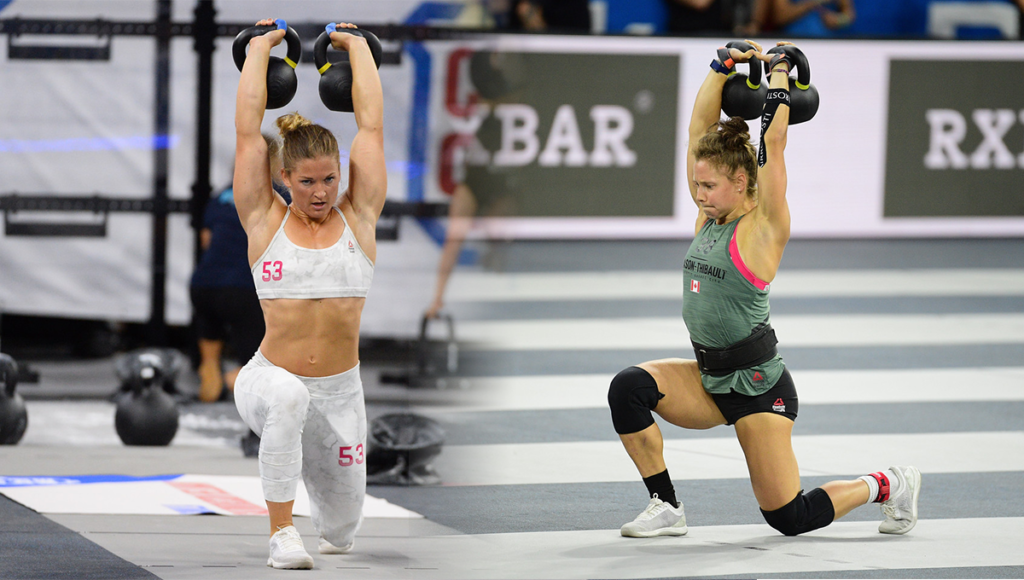
For example, adding a kettlebell to a calisthenics routine can increase the effectiveness of traditional moves. An air squat becomes a goblet squat, adding resistance to the movement and helping to build more muscle and strength in the legs. A pistol squat can be weighted with a kettlebell, creating a challenge for both strength and stability. Plus, the kettlebell provides a helpful counterbalance, allowing for greater depth and control in single-leg movements.
Kettlebells also allow for a variety of pulling movements that are hard to achieve in calisthenics alone. With moves like bent-over rows and goblet curls, you can target the lats, biceps, and upper back without needing a pull-up bar. This is particularly useful for anyone training at home or in a limited space.
5 Best Full Body Kettlebell Exercises for Faster Fat Loss
Practical Tips for Building Your Calisthenics and Kettlebell Routine
- Start with Basic Movements: Begin with basic calisthenics moves like push-ups, air squats, and planks, paired with simple kettlebell exercises such as swings, goblet squats, and carries.
- Add Variety and Progression: Over time, progress to more advanced calisthenics exercises (like handstands, L-sits, and pistol squats) and kettlebell moves (like snatches and Turkish get-ups).
- Combine for Compound Workouts: Alternate calisthenics and kettlebell exercises in circuits. For example, pair kettlebell swings with push-ups, goblet squats with dips, or bent-over rows with planks for a full-body workout that builds strength and endurance.
- High Reps and Volume for Endurance: For endurance, incorporate high-rep sets of calisthenics (e.g., air squats, push-ups) combined with high-rep kettlebell swings. This keeps the heart rate up and builds functional strength.
- Focus on Form and Control: Quality matters over quantity, so focus on control and good form, especially with kettlebell exercises, to avoid injuries.
Final Thoughts: Why This Combo Works So Well
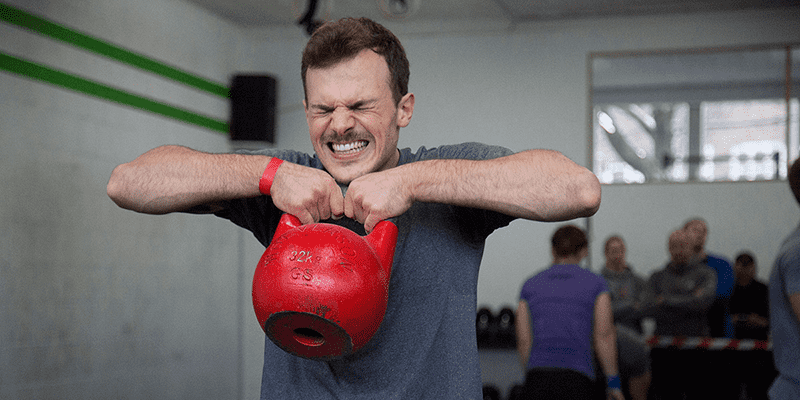
Combining calisthenics and kettlebell training allows you to work on all the major aspects of fitness: strength, endurance, mobility, and control. According to Sinicki, “Calisthenics and kettlebells are just a match made in heaven.” This combination provides a varied and enjoyable way to exercise, adapting to your goals, whether that’s gaining control and strength for sports, building endurance for functional fitness, or just staying fit and healthy.
Ultimately, these two training styles are ideal for anyone looking for an effective, flexible workout that can be done at home, in the gym, or outdoors. By blending the best of both worlds, you get a programme that is balanced, functional, and suited to real-life movements.
Ready to Start?
So, there you have it! If you’re ready to take your training to the next level, consider adding a kettlebell to your calisthenics workouts. Experiment with different exercises, listen to your body, and focus on developing control, mobility, and strength across your entire body. And remember, as Sinicki suggests, there’s no harm in mixing it up and finding what works best for you. Why not give it a try and see the results for yourself?


