In the fitness world, muscle-building myths often blur the line between science and misconception. Whether it’s advice passed down from the gym floor or exaggerated claims online, these myths can hinder progress.
This article examines five widespread muscle-building myths, backing each claim with scientific research to ensure readers gain clear, factual insights.


Myth 1: Lifting Heavy Weights is the Only Way to Build Muscle

Explanation of the Myth
Many people believe that lifting heavy weights is essential for muscle growth, with lower weights considered ineffective. This myth promotes the idea that without lifting near-maximal loads, muscle growth simply won’t occur.
The Science and Truth
While lifting heavier weights does stimulate muscle growth, studies show that lifting lighter weights for higher repetitions can also lead to hypertrophy when performed to fatigue. Research by Schoenfeld et al. (2017) demonstrated that high-rep, low-weight training could induce similar muscle growth compared to traditional heavy lifting if sets are performed until muscular failure.
This dispels the notion that light weights are ineffective for hypertrophy and shows that different intensities can be tailored based on an individual’s goals and physical condition.
Supporting Study
- Schoenfeld, B. J., et al. (2017) ‘Effects of different volume-equated resistance training loading strategies on muscular adaptations in well-trained men’, Journal of Strength and Conditioning Research, 31(2), pp. 326–335.
Myth 2: More Protein Equals More Muscle

Explanation of the Myth
Protein is crucial for muscle repair and growth, leading to the belief that increasing protein intake will directly boost muscle mass. Many fitness enthusiasts consume large amounts of protein, assuming that the more they eat, the greater their muscle gains.
The Science and Truth
Although protein intake is essential for muscle repair, there is a limit to how much protein the body can use for muscle synthesis. Research suggests that protein intake beyond approximately 1.6 grams per kilogram of body weight does not significantly increase muscle growth in trained individuals.
A meta-analysis by Morton et al. (2018) found that while higher protein intake supports muscle maintenance, excessive protein does not yield additional muscle gain in resistance-trained athletes. This underscores the importance of balanced nutrition rather than excessive protein consumption.
Supporting Study
- Morton, R. W., et al. (2018) ‘A systematic review, meta-analysis, and meta-regression of the effect of protein supplementation on resistance training-induced gains in muscle mass and strength in healthy adults’, British Journal of Sports Medicine, 52(6), pp. 376–384.
Myth 3: Muscles Only Grow During Training
Explanation of the Myth
This myth suggests that muscle growth happens solely while training. Many assume that time spent in the gym directly equates to muscle gains, neglecting the importance of rest and recovery.
The Science and Truth
Muscle growth primarily occurs during rest, specifically through processes that happen after the workout, such as protein synthesis and recovery. Studies by Bagley et al. (2020) indicate that muscle protein synthesis rates increase following exercise, peaking within 24 to 48 hours post-training. Insufficient rest can reduce recovery, impacting long-term muscle gains. This highlights the role of adequate sleep, nutrition, and scheduled rest days as essential components of an effective muscle-building regimen.
Supporting Study
- Bagley, J. R., et al. (2020) ‘The role of post-exercise recovery strategies in maximising adaptations to resistance training’, Journal of Sports Sciences, 38(4), pp. 1-10.
Myth 4: Cardio Kills Muscle Gains

Explanation of the Myth
A common concern is that cardio will compromise muscle growth. Many believe that engaging in cardio reduces muscle mass or hinders hypertrophy efforts.
The Science and Truth
While excessive cardio can interfere with muscle growth due to a process called interference effect, moderate levels of cardio do not necessarily impede muscle gains. A study by Wilson et al. (2012) found that moderate cardio can support cardiovascular health without significant interference in muscle hypertrophy, especially when planned around resistance training. Low-impact activities like cycling or brisk walking may even enhance recovery by increasing blood flow to muscles.
Supporting Study
- Wilson, J. M., et al. (2012) ‘Concurrent training: a meta-analysis examining interference of aerobic and resistance exercises’, Journal of Strength and Conditioning Research, 26(8), pp. 2293-2307.
Myth 5: Supplements are Necessary for Muscle Growth
Explanation of the Myth
The supplement industry often markets products as essential for muscle growth, leading many to believe that without protein powders, creatine, or other enhancements, gains are unattainable.
The Science and Truth
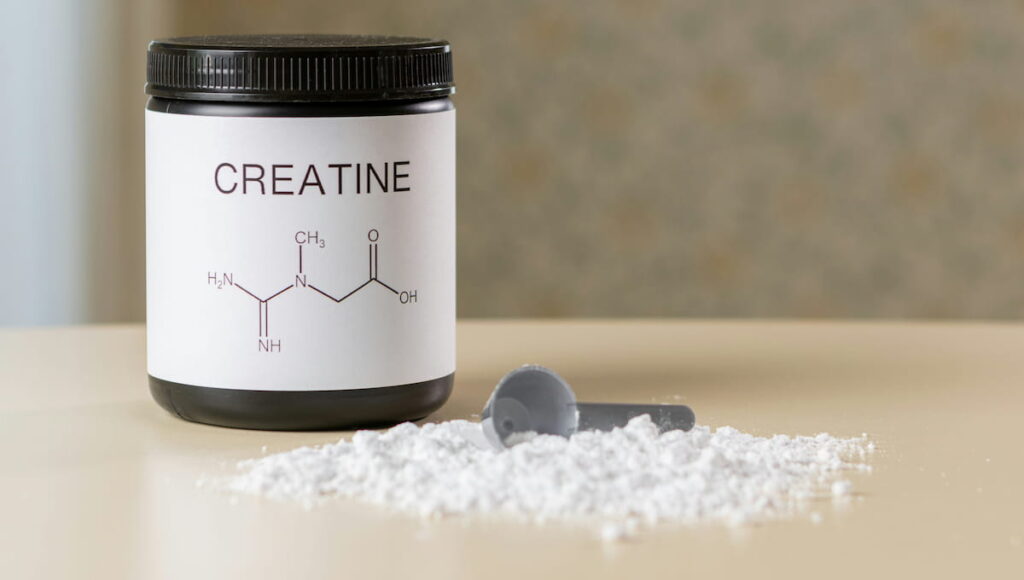
While certain supplements like creatine and protein powders can support muscle-building efforts, they are not necessary for most individuals if their diet is balanced. For example, creatine is well-supported by research for its role in enhancing high-intensity performance (Kreider et al., 2017).
However, whole foods can often meet protein requirements for most people. This reinforces that a well-planned diet provides sufficient nutrients for muscle growth, with supplements serving as a convenience rather than a necessity.
Supporting Study
- Kreider, R. B., et al. (2017) ‘International Society of Sports Nutrition position stand: safety and efficacy of creatine supplementation in exercise, sport, and medicine’, Journal of the International Society of Sports Nutrition, 14, p. 18.
Conclusion
Misconceptions about muscle-building can impact training outcomes. These five myths—lifting heavy only, excessive protein intake, growth occurring only during training, cardio diminishing gains, and the necessity of supplements—are widely believed but often lack scientific support. By understanding the research-backed truths, athletes can make informed decisions to optimise their workouts and see consistent, sustainable progress.
Key Takeaways Table
| Myth | Truth |
|---|---|
| Lifting Heavy Only | Muscle growth can occur with lighter weights if taken to fatigue. |
| Excessive Protein | There’s a cap on protein effectiveness; balanced intake suffices. |
| Growth Only in Gym | Muscle growth happens mainly during recovery, not in the gym. |
| Cardio Kills Gains | Moderate cardio doesn’t hinder, and may support, hypertrophy. |
| Supplements Essential | Most dietary needs can be met with whole foods; supplements add convenience. |
Bibliography
- Bagley, J. R., et al. (2020) ‘The role of post-exercise recovery strategies in maximising adaptations to resistance training’, Journal of Sports Sciences, 38(4), pp. 1-10.
- Kreider, R. B., et al. (2017) ‘International Society of Sports Nutrition position stand: safety and efficacy of creatine supplementation in exercise, sport, and medicine’, Journal of the International Society of Sports Nutrition, 14, p. 18.
- Morton, R. W., et al. (2018) ‘A systematic review, meta-analysis, and meta-regression of the effect of protein supplementation on resistance training-induced gains in muscle mass and strength in healthy adults’, British Journal of Sports Medicine, 52(6), pp. 376–384.
- Schoenfeld, B. J., et al. (2017) ‘Effects of different volume-equated resistance training loading strategies on muscular adaptations in well-trained men’, Journal of Strength and Conditioning Research, 31(2), pp. 326–335.
- Wilson, J. M., et al. (2012) ‘Concurrent training: a meta-analysis examining interference of aerobic and resistance exercises’, Journal of Strength and Conditioning Research, 26(8), pp. 2293-2307.