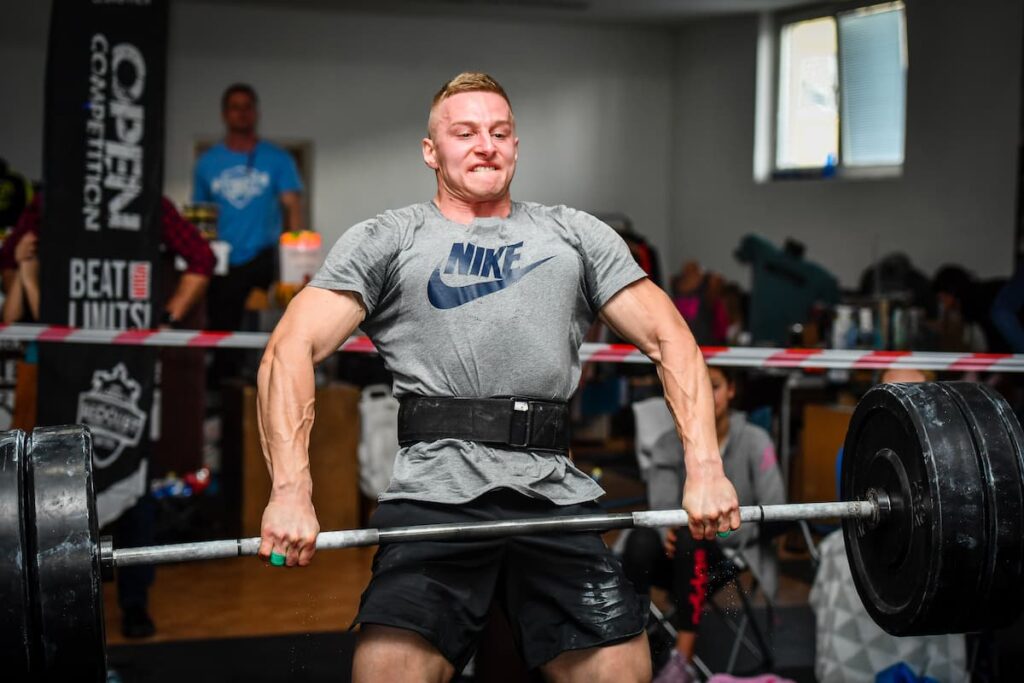
Recovery is an essential component of muscle development, allowing the body to repair microtears in muscle fibres caused by exercise. Consuming nutrient-rich foods post-workout can speed up this recovery process, reduce muscle soreness, and enhance future performance. Here, we examine the best foods to aid in muscle repair and growth, supported by scientific research.
Why Nutrition Matters for Muscle Recovery
When muscles are subjected to intense physical activity, they experience microdamage, which is a natural part of building stronger, larger muscles. However, for effective repair and growth, muscles require specific nutrients.


Protein, carbohydrates, fats, and certain vitamins and minerals play a role in these repair mechanisms. Studies indicate that the right balance of nutrients can reduce muscle soreness, enhance muscle synthesis, and minimise recovery time (Tipton and Wolfe, 2001).

Protein: The Building Block of Muscle Repair
Protein is widely recognised as the most critical macronutrient for muscle repair. High-quality protein sources contain essential amino acids, particularly leucine, which stimulate muscle protein synthesis (Phillips, 2014). After exercise, muscle cells are more sensitive to protein intake, making it crucial to consume protein-rich foods shortly after a workout. Sources include lean meats, eggs, dairy products, and plant-based proteins.
Best Protein Sources for Recovery
- Eggs: Rich in all nine essential amino acids, eggs are a complete protein source that aids in muscle repair. Studies show that consuming whole eggs after resistance training increases muscle protein synthesis more than just consuming egg whites alone, as the yolk contains essential fatty acids that aid in protein absorption (van Vliet et al., 2017).
- Greek Yogurt: Greek yogurt offers a combination of whey and casein proteins, both of which promote muscle recovery. Whey is a fast-digesting protein, while casein digests more slowly, providing a prolonged supply of amino acids (Burke et al., 2012).
- Chicken Breast: Lean and versatile, chicken breast provides high-quality protein without excess fat, making it ideal for muscle repair.
- Plant-Based Proteins: For those on plant-based diets, soy protein, lentils, and quinoa offer complete amino acids essential for muscle synthesis.
Carbohydrates: Replenishing Glycogen Stores
While protein is crucial, carbohydrates are equally important for muscle recovery. During exercise, muscles utilise glycogen as an energy source, depleting reserves.

Post-exercise, replenishing these glycogen stores is vital, particularly for endurance athletes or those engaging in prolonged exercise sessions. Studies show that consuming carbohydrates with protein enhances glycogen storage and accelerates recovery (Ivy et al., 2002).
Best Carbohydrate Sources for Recovery
- Sweet Potatoes: Packed with complex carbohydrates, sweet potatoes provide sustained energy release and help in glycogen replenishment.
- Oatmeal: Rich in fibre and complex carbohydrates, oatmeal supports muscle repair and offers a steady release of energy.
- Bananas: High in simple carbohydrates, bananas are ideal for quick glycogen replenishment and are also rich in potassium, which supports muscle function.
- Quinoa: A complete protein source with complex carbohydrates, quinoa offers both energy and amino acids essential for muscle recovery.
Fats: Supporting Hormonal Balance and Inflammation Reduction
Healthy fats are essential for hormone regulation and reducing inflammation, both of which are important for muscle recovery. Omega-3 fatty acids, in particular, have anti-inflammatory properties, which can help reduce muscle soreness and improve recovery times. Research indicates that omega-3 fatty acids may reduce muscle soreness and inflammation following intense exercise (Jouris et al., 2011).
Best Sources of Healthy Fats for Recovery
- Salmon: High in protein and omega-3 fatty acids, salmon is one of the best foods for reducing inflammation and promoting muscle repair.
- Avocado: Rich in monounsaturated fats, avocados support hormone production and provide a steady source of energy.
- Nuts and Seeds: Almonds, chia seeds, and walnuts offer a blend of healthy fats and protein that aid in muscle recovery and overall health.
Vitamins and Minerals: Supporting Cellular Repair and Function
Micronutrients, including vitamins and minerals, play crucial roles in cellular repair and function. Deficiencies in certain vitamins and minerals can impair muscle recovery, increase fatigue, and prolong soreness. Key micronutrients for muscle recovery include vitamins C, D, and E, as well as minerals like magnesium, potassium, and zinc.
Key Vitamins and Minerals for Muscle Repair
- Vitamin C: An antioxidant that supports collagen production, crucial for muscle tissue repair. Citrus fruits, bell peppers, and strawberries are excellent sources of vitamin C (Lobo et al., 2010).
- Vitamin D: Essential for muscle function and recovery. Studies show that adequate vitamin D levels can improve muscle strength and recovery (Close et al., 2013).
- Magnesium: Involved in muscle contraction and relaxation, magnesium aids in reducing cramps and soreness. Leafy greens, almonds, and pumpkin seeds are good sources.
- Zinc: Vital for protein synthesis and cellular repair. Zinc-rich foods include beef, pumpkin seeds, and chickpeas.
Hydration: The Foundation of Effective Recovery
Hydration is critical for recovery, as muscles require water to function and repair optimally. Dehydration can lead to increased muscle soreness and prolonged recovery times. Rehydrating post-exercise with water and electrolyte-rich fluids helps restore balance and supports overall recovery.
Best Hydration Options
- Water: Essential for all bodily functions, drinking adequate water is necessary for muscle recovery and reducing soreness.
- Coconut Water: Contains natural electrolytes, including potassium and sodium, which replenish lost minerals during exercise.
- Herbal Teas: Teas such as ginger and turmeric have anti-inflammatory properties, which may help reduce muscle soreness.
Timing and Quantity: Maximising Nutrient Absorption
The timing of nutrient intake can influence recovery effectiveness. Research suggests that consuming protein and carbohydrates within 30 minutes post-workout maximises muscle glycogen replenishment and muscle protein synthesis (Aragon and Schoenfeld, 2013). Consuming a balanced meal or snack with a 3:1 or 4:1 carbohydrate-to-protein ratio within this window has been shown to optimise recovery.
Conclusion
Incorporating these foods into your diet can enhance muscle recovery, reduce soreness, and support long-term muscle growth. A balanced diet with high-quality protein, complex carbohydrates, healthy fats, and essential vitamins and minerals will provide the foundation needed for faster recovery and better performance in future workouts.
Key Takeaways
| Key Nutrient | Sources | Role in Recovery |
|---|---|---|
| Protein | Eggs, Greek Yogurt, Chicken, Plant-based Proteins | Muscle repair and synthesis |
| Carbohydrates | Sweet Potatoes, Oatmeal, Bananas, Quinoa | Glycogen replenishment |
| Healthy Fats | Salmon, Avocado, Nuts, Seeds | Hormone regulation and inflammation reduction |
| Vitamins & Minerals | Citrus Fruits, Leafy Greens, Zinc-rich Foods | Cellular repair, reduced soreness, muscle function |
| Hydration | Water, Coconut Water, Herbal Teas | Restores fluid balance and reduces soreness |
References
- Aragon, A.A. and Schoenfeld, B.J., 2013. Nutrient timing revisited: is there a post-exercise anabolic window?. Journal of the International Society of Sports Nutrition, 10(1), pp.1-11.
- Burke, L.M., Loucks, A.B. and Broad, E.M., 2012. Energy and carbohydrate for training and recovery. Journal of Sports Sciences, 24(7), pp.675-685.
- Close, G.L., Russell, J., Cobley, J.N., Owens, D.J., Wilson, G., Gregson, W. and Fraser, W.D., 2013. Assessment of vitamin D concentration in non-supplemented professional athletes and healthy adults during the winter months in the UK: implications for skeletal muscle function. Journal of Sports Sciences, 31(4), pp.344-353.
- Ivy, J.L., Goforth, H.W., Damon, B.M., McCauley, T.R., Parsons, E.C. and Price, T.B., 2002. Early postexercise muscle glycogen recovery is enhanced with a carbohydrate-protein supplement. Journal of Applied Physiology, 93(4), pp.1337-1344.
- Jouris, K.B., McDaniel, J.L. and Weiss, E.P., 2011. The effect of omega-3 fatty acid supplementation on the inflammatory response to eccentric strength exercise. Journal of Sports Science & Medicine, 10(3), p.432.
- Lobo, V., Patil, A., Phatak, A. and Chandra, N., 2010. Free radicals, antioxidants and functional foods: Impact on human health. Pharmacognosy reviews, 4(8), p.118.
- Phillips, S.M., 2014. A brief review of critical processes in exercise-induced muscular hypertrophy. Sports Medicine, 44(1), pp.71-77.
- Tipton, K.D. and Wolfe, R.R., 2001. Exercise, protein metabolism, and muscle growth. International Journal of Sport Nutrition and Exercise Metabolism, 11(1), pp.109-132.
- van Vliet, S., Shy, E.L., Abou Sawan, S., Beals, J.W., West, D.W. and Skinner, S.K., 2017. Consumption of whole eggs promotes greater stimulation of postexercise muscle protein synthesis than consumption of isonitrogenous amounts of egg whites in young men. The American journal of clinical nutrition, 106(6), pp.1401-1412.