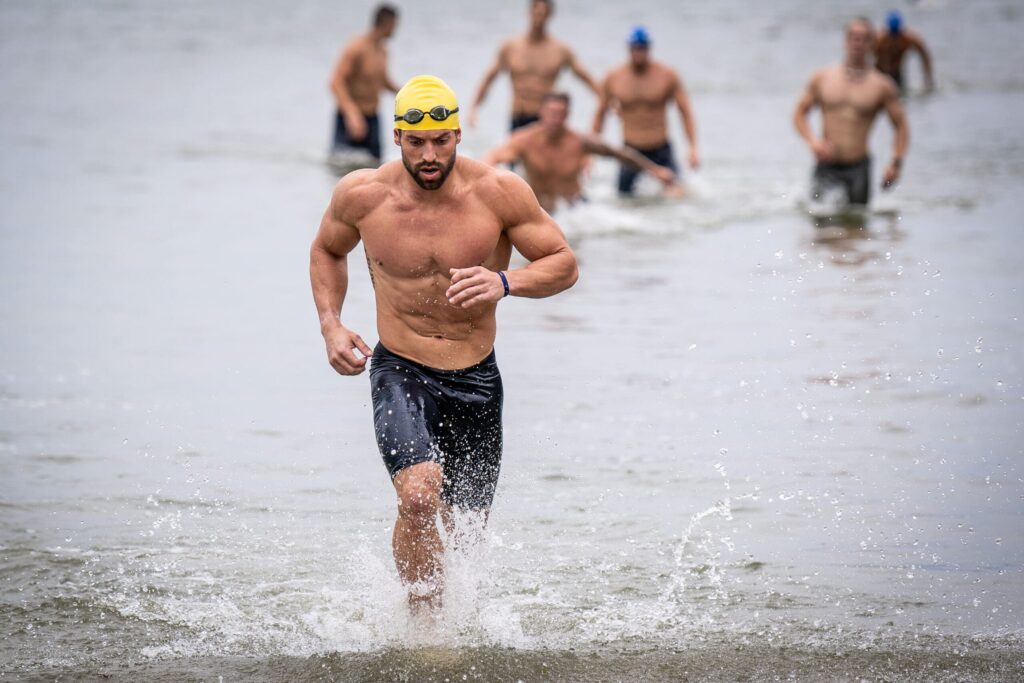
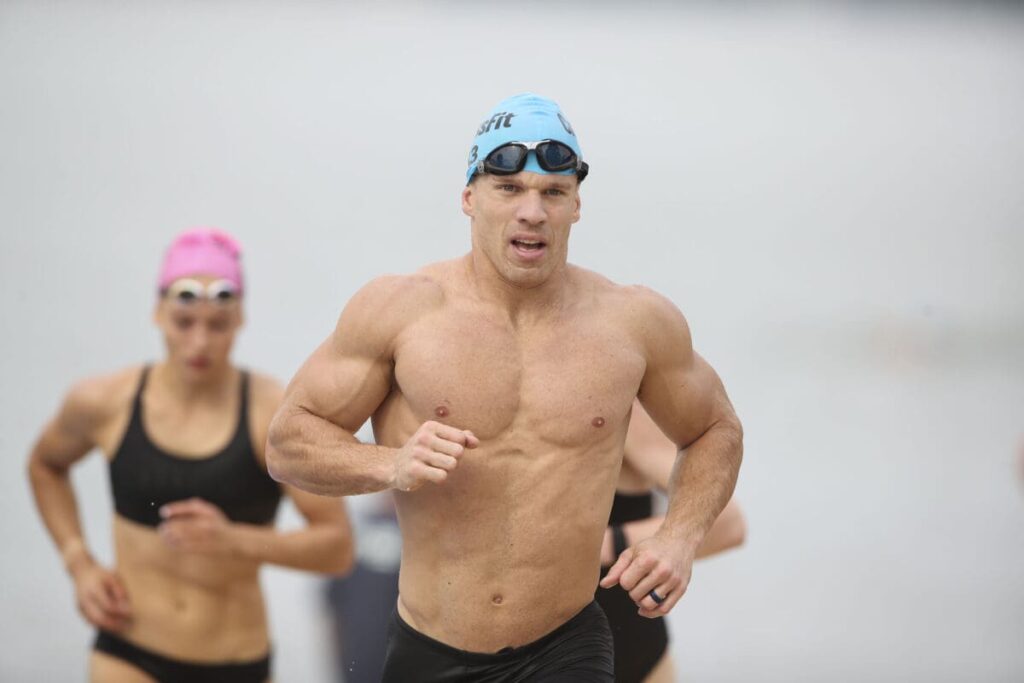
Swimming is a fantastic, full-body workout that’s ideal for fat loss. Not only does it engage multiple muscle groups, but it’s also low-impact, meaning it’s gentle on your joints compared to many other forms of exercise. Whether you’re a beginner or a seasoned swimmer, swimming has clear advantages for those looking to shed some extra weight. But how often should you be swimming to achieve effective fat loss? And how long will it take to start seeing results? Let’s dive into the science and strategy of swimming for fat loss and uncover the ideal frequency, workout types, and realistic timelines.
Table of Contents
Why Swimming Is Great for Fat Loss
Swimming offers a unique combination of cardiovascular and resistance exercise, helping you burn calories efficiently. Here’s why it stands out for fat loss:


- Full-Body Engagement: Swimming engages nearly every muscle in the body, from your core to your arms, legs, and back.
- Low-Impact: Because it’s done in water, swimming puts minimal stress on your joints, reducing the risk of injury.
- Burns Calories Fast: Swimming can burn calories at a high rate, which is essential for creating a calorie deficit necessary for fat loss.
- Boosts Metabolism: Swimming can help increase your basal metabolic rate (BMR), which means you burn more calories even after your workout.
- Improves Cardiovascular Fitness: Regular swimming enhances heart and lung health, which can boost endurance in other exercises and daily activities.
How Many Calories Does Swimming Burn?
How Often Should You Swim to Lose Fat?
To see real fat-loss results, consistency and frequency in swimming sessions are essential. However, this can vary based on your current fitness level, swimming intensity, and overall health goals.

Beginners (1-2 Days Per Week)
If you’re new to swimming, start slow and allow your body to adapt. Aim for:
- 1-2 days per week of swimming
- Sessions lasting 30-45 minutes each
- Moderate intensity, focusing on technique and endurance rather than speed
For beginners, the goal is to build a foundation. Starting with one or two days per week allows your muscles and cardiovascular system to adapt to the new form of exercise, reducing the risk of overuse injuries.
Intermediate (3-4 Days Per Week)
Once you’re comfortable in the water and can swim continuously for 30 minutes, it’s time to increase frequency for better fat-burning results.
- 3-4 days per week
- Sessions of 45-60 minutes
- Moderate to high intensity, with a mix of strokes to engage different muscles
This frequency, combined with slightly longer and more intense sessions, will allow you to burn more calories and accelerate fat loss. Focus on increasing the intensity by incorporating different swimming styles, such as backstroke, breaststroke, and freestyle, and including interval training.
Habits Keeping You Above 20% Body Fat
Advanced (5-6 Days Per Week)
For those who are advanced swimmers or have high fitness goals, increasing frequency can maximise fat loss.
- 5-6 days per week
- Sessions of 45-75 minutes
- High intensity, including interval training, sprints, and various strokes
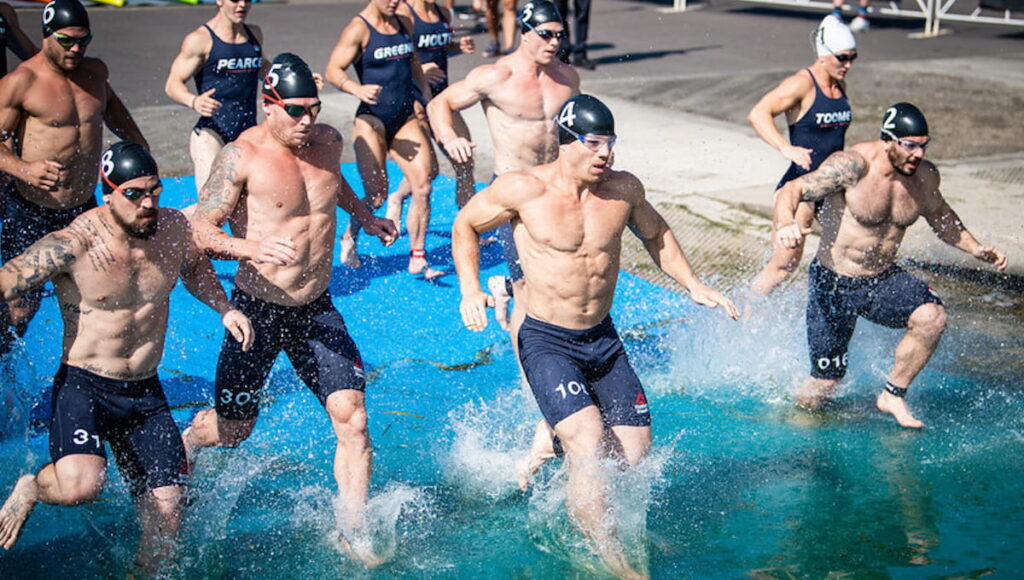
For advanced swimmers, high-frequency training with a mix of interval workouts can maximise calorie burn. The variation helps target different muscle groups, which can lead to greater metabolic impact and faster fat loss.
Types of Swimming Workouts for Fat Loss
Mixing up your swimming workouts is key to avoiding plateaus and keeping your body challenged. Here are some effective types of workouts for fat loss.
1. Steady-State Cardio Swim
Steady-state cardio involves swimming at a continuous, moderate pace. While it doesn’t burn as many calories per minute as high-intensity interval training (HIIT), it’s excellent for building endurance and is ideal for longer sessions.
- Example Workout: Swim at a steady pace for 30-45 minutes, maintaining a rhythm where you can still breathe comfortably.
2. Interval Training (HIIT Swimming)
High-intensity interval training (HIIT) in swimming can significantly boost calorie burn in a short time. By alternating between short, intense bursts and rest periods, your body continues to burn calories even after the workout.
- Example Workout: Swim all-out for 30 seconds, rest for 30 seconds, and repeat for 20 minutes.
3. Pyramid Training
Pyramid training involves gradually increasing and then decreasing the duration or distance of each swim interval. This helps build stamina and enhances fat-burning efficiency.
- Example Workout: Start by swimming for 30 seconds, then 60 seconds, then 90 seconds, and then work your way back down. Rest between each interval.
4. Mixed-Stroke Workout
Switching between strokes can engage different muscle groups, making the workout more balanced and increasing overall calorie burn. Incorporating strokes like freestyle, breaststroke, and backstroke can help prevent muscle fatigue.
- Example Workout: Swim one length freestyle, one length breaststroke, and one length backstroke, repeating this cycle for 30-45 minutes.
5. Sprint Swimming
Sprints in the pool are great for advanced swimmers looking to maximise fat burn. Short bursts of high-speed swimming can elevate the heart rate and increase metabolic rate for hours post-workout.
- Example Workout: Swim as fast as possible for 20 seconds, rest for 10 seconds, and repeat for 10 minutes.
How Fast Can You See Fat Loss Results from Swimming?

Results can vary, but with a consistent approach, you may start noticing changes within weeks. Several factors impact how quickly you’ll lose fat through swimming:
- Starting Weight: Generally, individuals with a higher starting weight may see faster fat loss initially due to higher calorie expenditure.
- Diet: Diet plays a significant role in fat loss. Combining swimming with a balanced, calorie-controlled diet will accelerate results.
- Intensity and Frequency: Higher frequency and intensity workouts lead to faster fat loss. However, it’s essential not to overtrain and give your body time to recover.
On average, you may see initial results (such as slightly slimmer appearance or reduced measurements) after 4-6 weeks of consistent swimming 3-4 times per week. More visible results, such as weight loss and improved muscle tone, can generally be expected after 8-12 weeks.
5 Underrated Habits to Lower Body Fat Percentage
Additional Tips for Effective Fat Loss with Swimming
1. Combine Swimming with Strength Training
Adding strength training, either in the water (with resistance equipment) or on land, can help build muscle. Muscle burns more calories at rest, so combining swimming with strength training can boost fat loss.
2. Focus on Nutrition
A calorie deficit is necessary for fat loss. Ensure you’re consuming a balanced diet with a focus on lean proteins, complex carbs, and healthy fats to fuel your swimming workouts without overeating.
3. Prioritise Recovery
Swimming is low-impact, but it still requires recovery, especially if you’re swimming frequently. Ensure you get enough sleep and consider activities like stretching and foam rolling to prevent muscle tightness.
4. Track Progress
Keep a workout journal or use a fitness app to track your swimming sessions. Logging the distance, time, and type of workout can help you identify patterns, see progress, and stay motivated.
Potential Challenges and How to Overcome Them
Swimming for fat loss is effective, but there can be some obstacles along the way. Here’s how to handle them:

Time Constraints
Swimming workouts, especially when including warm-up and cool-down periods, can take more time than other types of exercise. Try doing HIIT sessions if you’re short on time.
Access to Facilities
If you don’t have a regular pool or lake access, getting enough practice can be challenging. Consider home resistance training or pool access memberships to maintain consistency.
Staying Motivated
Swimming can feel monotonous if done too frequently without variation. Consider joining a swim class, trying new strokes, or setting small, achievable goals to stay motivated.
Conclusion
Swimming is a powerful tool for fat loss due to its calorie-burning potential and low-impact nature. By swimming consistently—starting with 1-2 days per week as a beginner and progressing to 4-6 days for advanced fitness levels—you can create a sustainable workout plan that supports fat loss. Incorporating different types of swimming workouts, such as HIIT, steady-state cardio, and sprints, adds variety and optimises results. Combined with good nutrition and proper recovery, you can start seeing improvements in fitness and fat loss within weeks, with more substantial results by the 8-12-week mark. Dive in, stay consistent, and enjoy the benefits that swimming can bring to your fat-loss journey.
Key Takeaways
| Tip | Description |
|---|---|
| Frequency | 1-2 days per week for beginners, 3-4 days for intermediates, 5-6 days for advanced swimmers |
| Workout Types | Include steady-state, HIIT, pyramid training, mixed strokes, and sprints |
| Timeline for Results | Expect initial results within 4-6 weeks, with noticeable changes around 8-12 weeks |
| Diet Importance | Combine swimming with a calorie-controlled diet for optimal fat loss |
| Additional Exercises | Include strength training for enhanced muscle tone and higher resting calorie burn |
| Challenges | Overcome time, access, and motivation issues with HIIT, facility memberships, and varied goals |
| Consistency | Track progress and stay consistent for long-term fat-loss success |