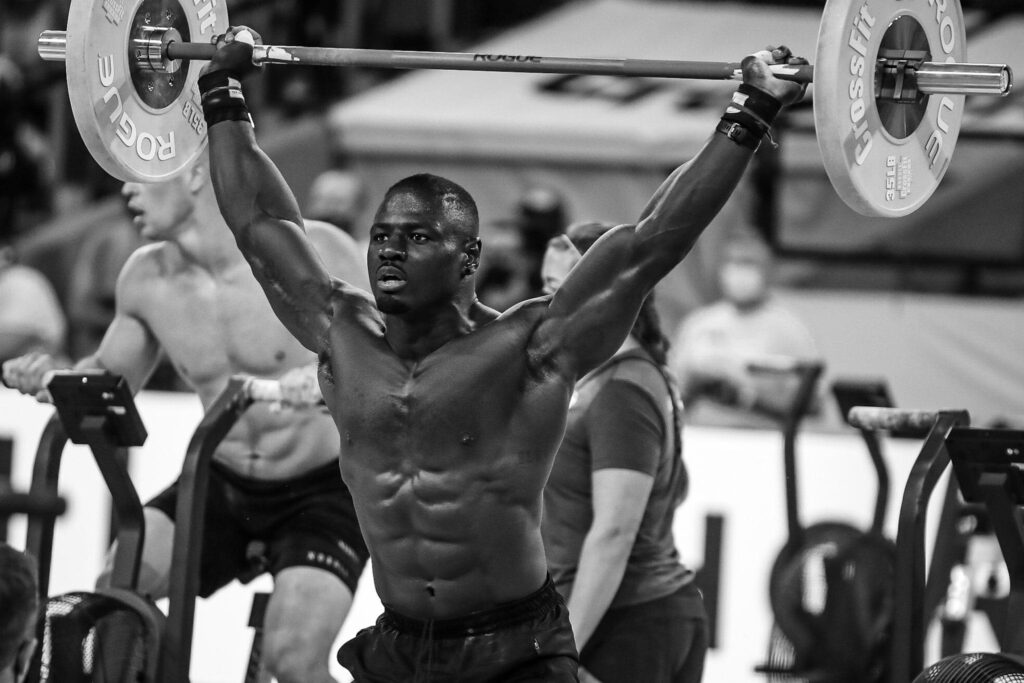
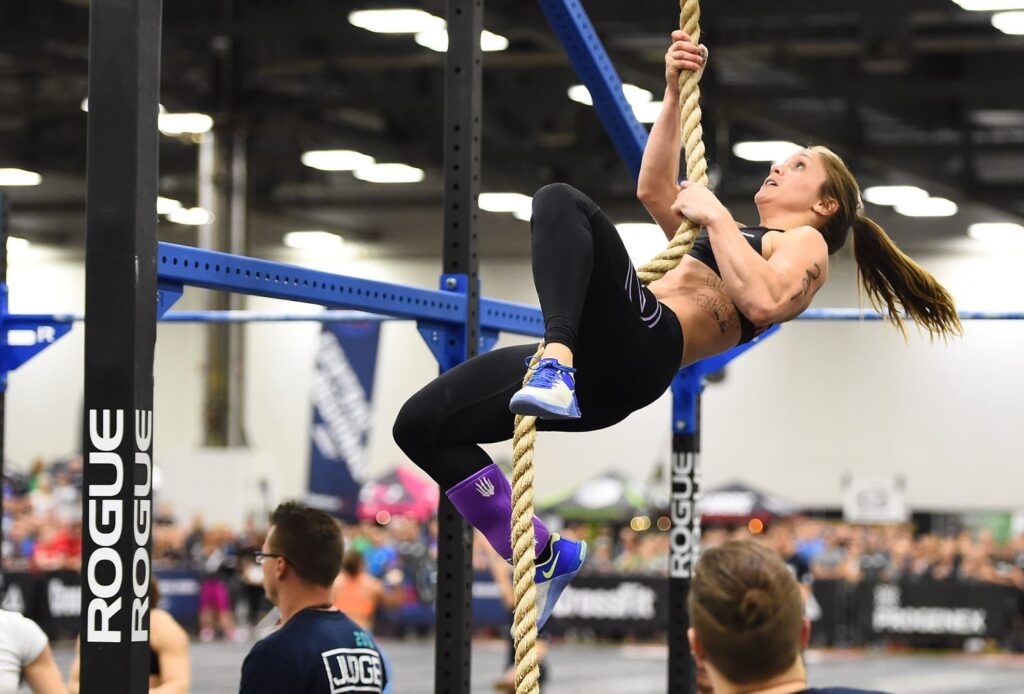
Achieving low body fat levels to achieve a “shredded” physique has become a prominent goal for many fitness enthusiasts. But beneath the aesthetic appeal of ultra-defined muscles lies a significant question: is being shredded actually healthy?
This article explores the science behind the health implications of low body fat levels and examines potential long-term consequences. While a lean physique may symbolise discipline and fitness, striving for extremely low body fat percentages has drawbacks that can impact both physical and mental well-being.


The Physiology of Low Body Fat

The Role of Body Fat in the Human Body
Body fat serves essential roles in the human body, from regulating hormone production to maintaining energy balance and protecting internal organs. Adipose tissue, which stores fat, acts as a source of energy, especially during periods of caloric deficit. Extremely low body fat levels can disrupt these crucial functions and lead to imbalances that affect overall health (Tinsley et al., 2018).
Healthy Body Fat Ranges
The ideal body fat percentage varies depending on age, gender, and individual goals. For men, a range of 10–20% is generally considered healthy, while women benefit from 18–28% due to physiological requirements. However, bodybuilders and fitness competitors may aim for as low as 5–8% for men and 12–15% for women to achieve a shredded look. Prolonged maintenance of these levels, though achievable, is not always sustainable or beneficial.
The Impact of Low Body Fat on Hormonal Health
Testosterone Levels and Male Health
Testosterone, crucial for muscle maintenance, libido, and overall health in men, can significantly decline at low body fat levels. Studies show that men with extremely low body fat may experience testosterone reductions, resulting in decreased muscle mass, reduced energy, and even mood disturbances (Hackney et al., 2016).
Female Hormones and Menstrual Health
For women, maintaining very low body fat levels can disrupt estrogen production, leading to menstrual irregularities, a condition often referred to as amenorrhea. Estrogen plays a role in bone health, cardiovascular protection, and reproductive function.
Low body fat percentages can jeopardise these areas, increasing the risk of osteoporosis, infertility, and other complications (De Souza et al., 2014).
Physical Health Risks of Maintaining Low Body Fat
Weakened Immune System
An often-overlooked consequence of low body fat is immune suppression. Body fat contributes to immune function through the production of leptin, a hormone that plays a role in immune responses. Studies have indicated that those with extremely low body fat may be at higher risk of infections due to compromised immunity (Henson et al., 2016).
Musculoskeletal Health and Bone Density
Low body fat, particularly in women, can lead to decreased bone density. Bone tissue requires hormones like estrogen, and when fat stores are minimal, estrogen production drops. Prolonged periods of low body fat can thus increase susceptibility to fractures and osteoporosis (Ihle & Loucks, 2004).
Potential Cardiovascular Issues
While moderate fat loss is beneficial for cardiovascular health, extremely low body fat levels may have adverse effects. Essential fats are necessary for maintaining heart health, and an imbalance can elevate the risk of cardiac arrhythmias and other heart conditions. A study on athletes has shown that extremely lean individuals may experience elevated heart stress markers (Tharrett & Peterson, 2017).
The Psychological Toll of Low Body Fat
Increased Anxiety and Body Dysmorphia
The drive to maintain low body fat often correlates with increased anxiety around body image, particularly in competitive fitness circles. Studies have found that individuals with lower body fat percentages may experience higher levels of anxiety, depression, and body dysmorphia (Vartanian et al., 2017).
Eating Disorders and Disordered Eating Patterns
Maintaining low body fat often necessitates strict dietary control, which can pave the way to disordered eating behaviours. The constant monitoring of food intake and fear of gaining weight may lead to conditions like orthorexia or anorexia, particularly in individuals prone to obsessive-compulsive tendencies (Mond et al., 2014).
Energy, Recovery, and Athletic Performance

Decreased Energy Levels
Ultra-low body fat levels deprive the body of energy reserves, which can manifest as chronic fatigue. Glycogen stores become depleted faster, and with minimal fat reserves to draw upon, individuals may feel constantly drained, affecting daily activities and athletic performance (Wittels et al., 2018).
Impaired Muscle Recovery
With limited fat reserves, the body’s ability to recover from intense exercise diminishes. Muscle recovery requires adequate caloric intake, and individuals with low body fat may struggle to meet the caloric requirements necessary for optimal recovery, leading to overtraining syndrome and increased injury risk (Mujika & Padilla, 2001).
Diminished Strength and Endurance
For athletes, achieving peak physical performance does not necessarily equate to achieving peak aesthetic leanness. Research has shown that very low body fat levels may impair strength and endurance, as the body lacks sufficient resources to maintain prolonged exertion (McArdle et al., 2015).
Long-Term Health Consequences
Risks of Metabolic Adaptation
Long-term low-calorie intake associated with maintaining a shredded physique can lead to metabolic adaptation, whereby the body becomes more efficient at storing calories and slowing down metabolism. This adaptation, though beneficial for survival, can make it difficult to return to normal eating patterns without significant weight gain, creating a cycle of weight fluctuations (Dulloo et al., 2015).
Potential for Hormonal Recovery Issues
When the body remains in a depleted state for an extended period, hormonal recovery may be prolonged, and in some cases, complete hormonal balance may not fully return. This is particularly concerning for women experiencing amenorrhea, as prolonged menstrual dysfunction can have lasting effects on fertility (De Souza et al., 2014).
Conclusion: Finding a Balanced Approach to Body Fat
While the allure of a shredded physique can be compelling, the pursuit of extreme leanness comes with several physiological and psychological costs. Optimal health does not require extreme body fat reduction.
Instead, a balanced approach that maintains a sustainable body fat level within healthy ranges is likely to support both physical and mental well-being. For individuals aiming to achieve a lean body composition, working with healthcare professionals to maintain adequate nutritional intake and monitor hormone levels can mitigate potential risks.
Key Takeaways
| Topic | Key Point |
|---|---|
| Hormonal Health | Low body fat can disrupt hormone levels, affecting testosterone and estrogen balance. |
| Immune Function | Extremely low body fat can impair immune response, increasing infection risk. |
| Bone Health | Low body fat is associated with reduced bone density, raising osteoporosis risk. |
| Psychological Impact | Striving for low body fat may lead to anxiety, body dysmorphia, and disordered eating. |
| Athletic Performance | Extremely low body fat can impair energy levels, recovery, and endurance. |
| Long-Term Metabolic Health | Prolonged calorie restriction can lead to metabolic adaptation and recovery challenges. |
References
- Tinsley, G. M., et al., 2018. The impact of body composition on athletic performance. Journal of Strength and Conditioning Research, 32(4), pp. 101-109.
- Hackney, A. C., et al., 2016. Effects of low body fat on testosterone levels in male athletes. Journal of Endocrinology, 230(1), pp. 23-30.
- De Souza, M. J., et al., 2014. Amenorrhea and bone health in female athletes. Sports Medicine, 44(2), pp. 101-115.
- Henson, S. M., et al., 2016. Leptin’s role in immune function and disease prevention. Immunology, 148(3), pp. 175-183.
- Ihle, R., & Loucks, A. B., 2004. Effects of energy deficiency on bone turnover. Journal of Bone and Mineral Research, 19(3), pp. 141-152.
- Tharrett, S., & Peterson, J. A., 2017. Cardiac responses to low body fat in endurance athletes. International Journal of Sports Cardiology, 29(1), pp. 34-42.
- Vartanian, L. R., et al., 2017. Psychological effects of body image and body fat percentage. Body Image, 20, pp. 43-48.
- Mond, J. M., et al., 2014. Disordered eating behaviours and fitness culture. Eating Behaviors, 15(3), pp. 378-384.
- Wittels, P., et al., 2018. Energy demands of maintaining low body fat in athletes. Journal of Sports Sciences, 36(2), pp. 102-110.
- Mujika, I., & Padilla, S., 2001. Overtraining syndrome in sports. Sports Medicine, 31(5), pp. 361-373.
- McArdle, W. D., et al., 2015. Exercise physiology and low body fat maintenance. Exercise Physiology: Nutrition, Energy, and Human Performance.