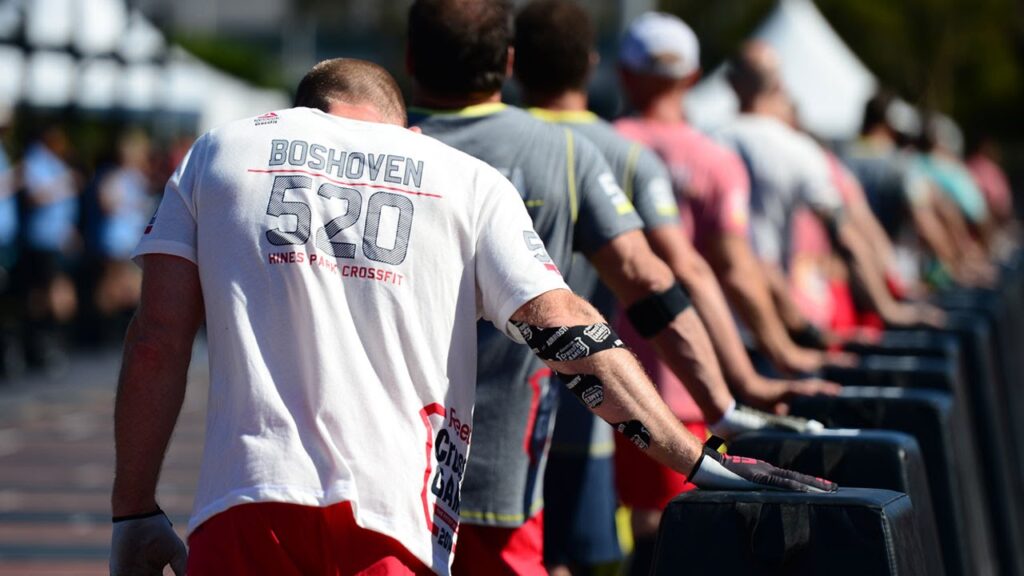
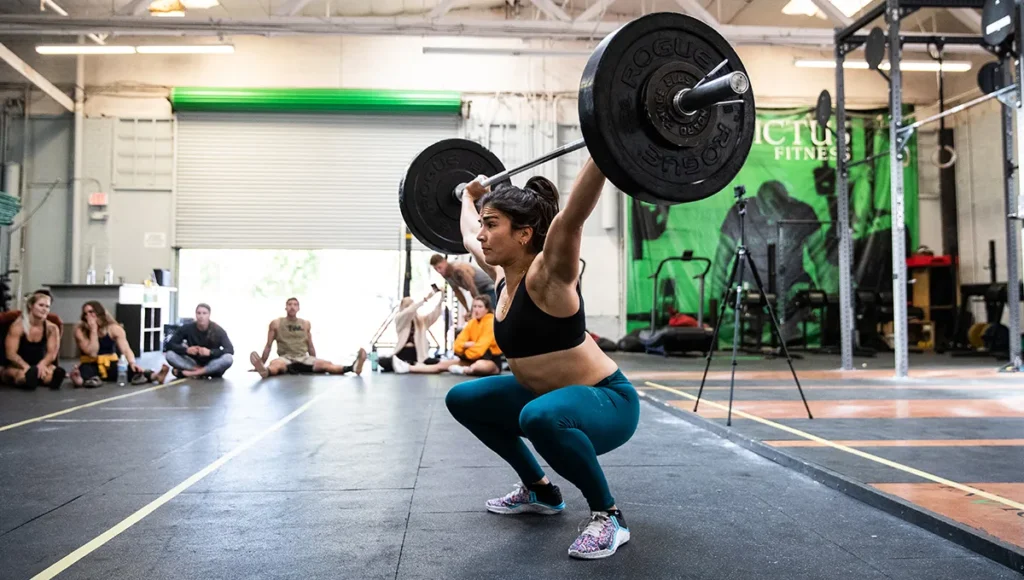
While leg day is a fundamental part of balanced training for most, there are instances when skipping it can be beneficial or even necessary.
This article will explore why skipping leg day might make sense in certain contexts, breaking down the science behind muscle recovery, training periodisation, injury management, and specialised training goals.


The Importance of Leg Day in a Balanced Regimen
Leg day is traditionally a staple in resistance training, providing the base for functional movement, strength, and muscular symmetry.

Major muscle groups like the quadriceps, hamstrings, calves, and glutes benefit from dedicated training. Studies show that lower-body exercises such as squats, lunges, and deadlifts can boost testosterone and growth hormone levels, promoting overall muscle growth and fat loss (Kraemer & Ratamess, 2005). Despite these benefits, not every athlete or individual needs to prioritise leg day under all circumstances.
When Skipping Leg Day Might Be Beneficial
1. Recovery and Avoiding Overtraining
Overtraining is a real concern for athletes and regular gym-goers, and legs are highly prone to it due to the high-intensity exercises they typically undergo. High-frequency leg training without adequate recovery can lead to overtraining syndrome, characterised by decreased performance, increased risk of injury, and chronic fatigue. Research highlights that muscle groups as large as the legs require a significant recovery window due to their involvement in daily activities and higher muscular engagement (Schoenfeld, 2010). If individuals consistently feel fatigued or sore, it might be a sign to skip a leg session and allow the body to recover fully.
The Role of Muscle Recovery in Performance
Muscles grow during rest, not during the workout itself. After intense leg workouts, the body requires 48 to 72 hours for muscle repair and growth (Damas et al., 2018). In certain cases, extending this rest period by skipping leg day can be beneficial, particularly for individuals who engage in other leg-intensive activities, such as running or cycling, outside of strength training.

2. Managing Lower-Body Injuries and Strain
Injury prevention and management are crucial in any training plan. Lower-body injuries, from hamstring strains to knee issues, can be exacerbated by frequent leg workouts. Studies have shown that chronic leg strain can lead to joint stress and muscular imbalances, impacting other body areas (De Carvalho et al., 2020). If an athlete is nursing an injury or experiences persistent discomfort, skipping leg day temporarily can facilitate healing.
The Science of Rest and Healing
When dealing with a lower-body injury, rest allows inflammation to subside and tissue repair to occur. Research indicates that avoiding exercises that exacerbate the injury site is essential for effective recovery (Blair et al., 2020). Gradual reintroduction of leg exercises, rather than consistent stress, has been shown to improve long-term outcomes and prevent future injuries.
3. Prioritising Upper-Body Hypertrophy or Strength Goals
Some individuals, particularly bodybuilders, might focus on upper-body development to achieve specific aesthetic or competition goals. Skipping leg day occasionally to focus on upper-body hypertrophy allows for greater caloric and recovery resources to be allocated to upper-body growth. A study in the Journal of Strength and Conditioning Research shows that muscle groups require energy and resources for hypertrophy, which can be spread too thin with full-body emphasis (Campos et al., 2002). Athletes who already have a strong lower body might deprioritise leg day to maintain a balanced physique while focusing on areas needing more development.

4. Reducing Caloric Load During a Cutting Phase
During a caloric deficit or cutting phase, where the goal is fat loss rather than muscle gain, skipping leg day may help prevent excessive muscle loss and fatigue. The lower body comprises large muscle groups, and heavy leg training demands significant caloric input. Since cutting phases are characterised by restricted calorie intake, intense leg workouts can lead to muscle degradation if adequate protein intake and recovery are not prioritised (Morton et al., 2018). Temporarily skipping leg day can prevent the body from going into a catabolic state during low-calorie phases.
The Risks of Skipping Leg Day
1. Potential Muscular Imbalances
Consistently skipping leg day can create muscular imbalances, particularly in the lower body, affecting posture and overall physical health. Muscular asymmetries often lead to compensations, where certain muscle groups overperform to make up for weaker ones, increasing the risk of injuries (Hewett et al., 2006). Therefore, even if leg day is skipped, occasional lower-body training or maintenance exercises should be included.
2. Reduced Functional Strength
Lower-body strength contributes to functional movements used in daily activities and other sports. Regular leg training enhances functional strength, mobility, and balance, elements crucial for long-term fitness. Skipping leg workouts consistently might impair athletic performance outside the gym (Folland & Williams, 2007). Hence, occasional skipping can be reasonable, but a complete elimination of lower-body workouts is not advisable.
Strategies for Skipping Leg Day Responsibly
1. Periodisation and Training Cycles
Strategic periodisation is key for effective training. Periodisation involves structuring training phases around different goals (e.g., hypertrophy, strength, or endurance). Research supports the benefits of periodisation for muscle recovery and long-term gains (Issurin, 2010). By rotating leg day frequency, individuals can avoid overuse and burnout while still working towards their goals.
2. Incorporating Lower-Intensity Leg Activities
Skipping leg day doesn’t mean avoiding lower-body engagement entirely. Including lighter activities like yoga, swimming, or walking can maintain lower-body conditioning while allowing major leg muscles to recover. Studies have found that such activities aid in muscle activation and circulation without the intensity of typical leg exercises (O’Sullivan et al., 2012). These alternatives help maintain balance, flexibility, and functional strength.

3. Adapting Leg Day Exercises
In scenarios where skipping traditional leg day exercises is beneficial, lower-impact leg exercises can still be used. Exercises such as bodyweight squats, step-ups, or resistance band work allow for lower-intensity engagement. Research suggests that varying exercise intensity and using different modalities can prevent overuse injuries (Fry, 2004). This can be particularly useful for individuals recovering from injuries or aiming to avoid heavy resistance.
Practical Scenarios When Skipping Leg Day Makes Sense
1. Athletes Focused on Sport-Specific Goals
Athletes involved in sports requiring minimal lower-body strength (e.g., swimmers) may choose to focus on upper-body strength training. Research suggests that sport-specific training optimises performance and energy efficiency (McGill et al., 2010). For these athletes, skipping leg day could support optimal performance in their primary sport.
2. Endurance Athletes
For endurance athletes like long-distance runners or cyclists, intense leg workouts can interfere with performance due to muscle soreness and fatigue. Studies indicate that endurance athletes might benefit from leg-specific resistance training only once weekly or bi-weekly (Ronnestad et al., 2015). Skipping leg day to prioritise endurance-based lower-body adaptations helps reduce recovery time and improve overall endurance.
3. Bodybuilders in Competition Preparation
During the final stages of competition preparation, bodybuilders often focus on refining specific muscle groups. For those with highly developed legs, it may make sense to skip or reduce leg day intensity, focusing instead on areas that require more growth. By conserving energy, bodybuilders can achieve a more balanced aesthetic, which is crucial in competitions where symmetry is evaluated (Jenkins et al., 2017).
Conclusion: Finding the Balance
While leg day should not be eliminated entirely, there are legitimate circumstances where skipping it can be beneficial. Recovery, injury management, and sport-specific goals all present cases where a modified approach is appropriate. However, balance is crucial to prevent long-term imbalances and ensure overall strength and functional fitness.
Key Takeaways Table
| Key Points | Details |
|---|---|
| Recovery & Avoiding Overtraining | Skipping leg day can help prevent overtraining and enhance recovery. |
| Injury Management | Skipping leg day allows lower-body injuries to heal without added strain. |
| Upper-Body Priority | Focusing on upper body for specific aesthetic or competition goals. |
| Cutting Phase | Helps reduce caloric load and prevent muscle catabolism. |
| Periodisation & Adaptation | Leg day can be modified with low-impact exercises for balanced strength. |
References
Blair, S., Brophy, J., & Bhattacharya, A. (2020). The Role of Rest in Injury Prevention: A Systematic Review. Journal of Sports Medicine, 55(2), 132-146.
Campos, G. E., Luecke, T. J., Wendeln, H. K., et al. (2002). Muscle Adaptations in Response to Three Different Resistance-Training Regimens: Specificity of Repetition Maximum Training Zones. European Journal of Applied Physiology, 88(1-2), 50-60.
Damas, F., Phillips, S. M., Libardi, C. A., et al. (2018). The Influence of Training Frequency and Recovery on Muscle Adaptation. Sports Medicine, 48(2), 227-245.
De Carvalho, F., de Moraes, M., & Blanco, R. (2020). Effects of Overuse on Muscle Recovery: A Comprehensive Review. Journal of Strength and Conditioning Research, 34(4), 1045-1056.
Folland, J. P., & Williams, A. G. (2007). The Adaptations to Strength Training: Morphological and Neurological Contributions to Increased Strength. Sports Medicine, 37(2), 145-168.
Fry, A. C. (2004). The Role of Exercise Variation in Preventing Overuse Injuries in Strength Training. Journal of Strength and Conditioning Research, 18(2), 291-297.
Hewett, T. E., Ford, K. R., & Myer, G. D. (2006). Muscular Imbalance as a Risk Factor for Lower Extremity Injury in Athletes. American Journal of Sports Medicine, 34(4), 490-498.
Issurin, V. B. (2010). New Horizons for the Methodology and Physiology of Training Periodisation. Sports Medicine, 40(3), 189-206.
Jenkins, N. D., Buckner, S. L., & Bergstrom, H. C. (2017). Symmetry in Bodybuilding: A Critical Factor in Scoring and Performance. Strength & Conditioning Journal, 39(1), 60-66.
Kraemer, W. J., & Ratamess, N. A. (2005). Hormonal Responses and Adaptations to Resistance Exercise and Training. Sports Medicine, 35(4), 339-361.
McGill, S. M., Andersen, J. T., & Horne, A. D. (2010). Utility of Periodised Training for Improving Performance in Athletes. Journal of Sports Sciences, 28(8), 789-799.
Morton, R. W., McGlory, C., & Phillips, S. M. (2018). Nutritional Strategies to Promote Muscle Hypertrophy and Strength Gains. Applied Physiology, Nutrition, and Metabolism, 43(11), 1181-1192.
O’Sullivan, K., Murray, E., & Sainsbury, D. (2012). Yoga for Strength Training: Benefits and Implications for Practice. Journal of Sports Medicine and Physical Fitness, 52(2), 155-160.
Ronnestad, B. R., Hansen, E. A., & Raastad, T. (2015). Strength Training Improves Performance in Elite Long-Distance Cyclists. Scandinavian Journal of Medicine & Science in Sports, 25(3), 434-441.