Ever wondered why athletes, gym-goers, and even casual fitness enthusiasts can’t stop raving about foam rollers? These cylindrical tools have taken the fitness world by storm, and for good reason! Whether you’re aiming to loosen up those tight muscles, boost your flexibility, or just relax after a tough day, foam rollers are a game-changer. Let’s dive into the world of foam rollers and explore why they’re an essential part of your fitness arsenal.
Table of Contents
What is a Foam Roller and Why Use One?
A foam roller is more than just a simple cylinder of foam—it’s a versatile tool that’s become a staple in the fitness and recovery routines of many. So, what exactly makes foam rollers so essential, and why should you consider adding one to your routine?


Defining a Foam Roller: At its core, a foam roller is a cylindrical piece of high-density foam that can range in size, texture, and firmness. These variations cater to different types of muscle work and user preferences. Some foam rollers are smooth, providing uniform pressure, while others have textured surfaces with ridges or knobs to mimic a deep tissue massage.

The Purpose Behind Foam Rolling: Foam rolling is a form of self-myofascial release (SMR), a technique that targets the fascia – the connective tissue that surrounds muscles. Over time, this tissue can become tight or develop adhesions (knots) due to exercise, poor posture, or repetitive movements. Foam rolling helps release these knots, improving muscle function and flexibility. By applying sustained pressure to specific areas of the body, foam rolling encourages blood flow, aiding in muscle recovery and reducing inflammation.
Why You Should Use a Foam Roller:
- Improved Mobility and Flexibility: Regular foam rolling keeps your muscles supple and flexible, allowing for better joint movement and reducing stiffness.
- Reduced Muscle Soreness: Rolling helps alleviate delayed onset muscle soreness (DOMS) by promoting faster muscle recovery after a workout.
- Enhanced Performance: Muscles that are free from tension can contract more effectively, which improves athletic performance and reduces the risk of injury.
- Stress Relief: Using a foam roller isn’t just physically beneficial—it can also be mentally relaxing. The act of rolling, especially when paired with deep breathing, helps to release built-up tension and stress.
The Different Types of Foam Rollers:
- Soft Foam Rollers: Perfect for beginners or individuals with very tight muscles. They offer a gentle massage and are less likely to cause discomfort.
- Firm Foam Rollers: These provide a deeper, more intense massage suitable for those used to foam rolling.
- Textured Foam Rollers: With knobs and grooves, these are designed to get into specific muscle knots and trigger points for targeted relief.
- Vibrating Foam Rollers: A modern addition to the foam rolling world, these rollers combine pressure with vibration therapy to help release muscle tension even more effectively.
Choosing the right foam roller depends on your needs, experience level, and pain tolerance. Beginners might find soft or smooth foam rollers more comfortable, while more experienced users may prefer firm or textured options for deeper muscle engagement.
Types of Foam Rollers and Choosing the Right One
Choosing the perfect foam roller can feel like picking out a new car – there are more options than you might expect! Here’s what you need to know:
1. Low-Density Foam Rollers:
- Best For: Beginners or those with sensitive muscles.
- Why Choose It?: Soft foam rollers are gentler and more forgiving, perfect for easing into the practice without wincing in pain.
- Drawback: Might not be as effective for deeper muscle work.
2. High-Density Foam Rollers:
- Best For: Experienced users or those seeking a more intense session.
- Features: Made from firmer material that penetrates deeper muscle layers.
- Pro Tip: If you’re up for the challenge, this is the type to go for, but brace yourself – it can be intense!
3. Textured Foam Rollers:
- Best For: Targeting specific muscle knots and trigger points.
- Unique Design: Features ridges and knobs to mimic the hands of a massage therapist.
- Advice: Ideal for more experienced users who know exactly where their trouble spots are.
4. Short vs Long Foam Rollers:
- Short Rollers (12-18 inches): Compact and great for targeting specific areas like calves and glutes.
- Long Rollers (36 inches): Perfect for rolling out your back and providing stability during certain exercises.
How to Use a Foam Roller Effectively
Using a foam roller effectively is all about technique. It’s not just a matter of moving your body up and down the roller; there’s a method to maximise the benefits while minimising discomfort or potential injury.
1. Prepare Your Body and Environment:
- Warm-Up: It’s always a good idea to lightly warm up your body with some dynamic stretches or a short walk before foam rolling. This ensures that your muscles aren’t cold and are more responsive to the pressure.
- Choose a Comfortable Space: Find an open space on the floor where you have room to stretch out. A yoga mat can add some comfort under your body.
2. Position the Foam Roller Correctly:
- Target the Right Muscle Group: Place the foam roller under the muscle group you want to work on. For example, if you’re rolling your calves, sit on the floor and position the roller just below your lower leg.
- Adjust Your Body Weight: Use your arms and legs to control the amount of weight and pressure you apply. This is especially important for beginners who might need to start with less pressure.
3. Use Proper Rolling Technique:
- Slow and Steady Wins the Race: Roll slowly, aiming to move no faster than an inch per second. The goal is to allow your muscles time to adjust to the pressure.
- Find and Pause on Knots: If you find a tender spot, pause on it and let your body weight rest for 20-30 seconds. This sustained pressure helps release the muscle knot and improve the range of motion.
- Breathe and Relax: It’s natural to tense up when you hit a sore spot, but try to stay relaxed and focus on your breathing. Deep, controlled breaths help your muscles release tension and promote blood flow.
4. Duration and Frequency:
- How Long to Roll: Spend 1-2 minutes on each muscle group. Over-rolling can lead to bruising or irritation, so it’s better to be consistent with short sessions than to overdo it in one go.
- Frequency: You don’t need to foam roll every day, but incorporating it into your routine 3-4 times a week can significantly improve muscle health and flexibility.
Common Mistakes to Avoid When Foam Rolling
Foam rolling is an effective practice, but it’s easy to make mistakes that can limit its benefits or even cause harm. Here’s what you should avoid:
1. Rolling Too Fast:
- The Issue: Rolling too quickly won’t give your muscles enough time to adapt to the pressure, making the session far less effective.
- Solution: Slow down. Move methodically over each muscle group, spending time to identify tight areas and addressing them thoroughly.
2. Rolling Directly on the Pain:
- Why This is a Problem: Pain doesn’t always originate from the place you feel it. Rolling directly on a sore spot can aggravate the area rather than help it.
- Better Approach: Work around the pain first and then gradually approach the surrounding muscles. For example, if your IT band is sore, start by rolling the quadriceps and hamstrings.

3. Spending Too Much Time on One Spot:
- Risk: Lingering on a sore spot for too long can lead to bruising, tissue damage, or even nerve irritation.
- Guideline: Hold a position for a maximum of 60 seconds before moving on. If the area doesn’t start to release after that, it may be better to revisit it in another session.
4. Bad Posture and Form:
- Impact: Poor form can result in unnecessary strain on other parts of your body, like your neck or lower back.
- Correction: Keep your core engaged and maintain a neutral spine throughout the process. If you’re unsure about your form, practice in front of a mirror or have someone check your posture.
5. Ignoring Pain Signals:
- Important Note: Pain is a warning sign. While foam rolling can be uncomfortable, it shouldn’t be unbearable. Sharp or intense pain means you’re applying too much pressure or targeting an area that’s not ready for deep work.
- Adjust: Use a softer foam roller or reduce the pressure if needed. Over time, your muscles will adapt and you can gradually increase intensity.
Foam Rolling Techniques for Common Muscle Groups
To help you get started, here are techniques for some of the most commonly targeted areas:
1. Quadriceps:
- Position: Lie face down with the foam roller under your thighs.
- Movement: Roll from the top of the knees to the hip flexors slowly.
- Pro Tip: Use your arms for support and to control the pressure.
2. Calves:
- Position: Sit on the floor with the foam roller under your calves.
- Technique: Cross one leg over the other for extra pressure and roll from the ankle to the knee.
- Note: Don’t forget to rotate your leg slightly to target the inner and outer calf.
3. IT Band:

- Caution: This is notorious for being one of the most painful areas to roll.
- Steps: Lie on your side with the roller positioned under your outer thigh, and move slowly from the hip to just above the knee.
- Tip: Support yourself with your hands and opposite leg for better control.
4. Upper Back:
- Setup: Place the roller beneath your upper back and cross your arms over your chest to move your shoulder blades apart.
- Movement: Lift your hips and roll from the middle of the back to the top of the shoulders.
- Avoid: Don’t roll onto your lower back as it can strain the lumbar spine.
Tips for Making Foam Rolling a Habit
Sticking to foam rolling can be a challenge, especially when life gets busy. Here are some practical tips to help you integrate foam rolling into your routine and make it a long-term habit:
1. Schedule It Into Your Day:
- Routine is Key: Just like brushing your teeth or stretching, foam rolling works best when it’s a consistent part of your day. Schedule it for the same time, such as after your workout or before bed.
- Short and Sweet: You don’t need to spend hours on the floor—5-10 minutes is enough to see benefits over time. Short, regular sessions are more effective than infrequent, long ones.
2. Pair It With Existing Habits:
- Habit Stacking: Link foam rolling with something you already do daily. For instance, roll out your muscles while watching your favourite TV show or as part of your pre-sleep wind-down routine.
- Post-Exercise Ritual: Incorporate foam rolling right after your workout when your muscles are warm. This helps boost recovery and maintains flexibility.
3. Keep Your Foam Roller Visible:
- Out of Sight, Out of Mind: Leaving your foam roller tucked away in a closet isn’t doing you any favours. Keep it somewhere you’ll see it, like in your living room or next to your workout equipment. The visual cue will remind you to roll regularly.
4. Mix It Up for Motivation:
- Try New Techniques: Rolling the same muscles the same way can get monotonous. Look up new foam rolling exercises or use different types of rollers to keep things fresh.
- Set Small Goals: Challenge yourself to spend a few extra minutes on specific muscle groups or try a new rolling pattern each week.
5. Track Your Progress:
- See the Difference: It can be motivating to track how foam rolling impacts your body over time. Whether it’s less post-workout soreness, improved flexibility, or better range of motion, noting these changes can encourage you to keep going.
- Document Your Routine: A simple journal entry or a note on your phone can remind you of the benefits you’ve experienced and reinforce the habit.
6. Listen to Your Body:
- Adapt as Needed: Everyone’s body responds differently to foam rolling, and your needs may change over time. If you’re feeling particularly sore or fatigued, adjust the intensity or duration of your session.
- Keep It Enjoyable: Rolling shouldn’t be a chore. If it starts to feel like one, tweak your approach. Play music, use an app for guided foam rolling sessions, or roll with a friend for accountability.
Making foam rolling a consistent habit isn’t just about building physical resilience; it’s also about developing a deeper connection with your body’s needs. With a bit of planning and commitment, foam rolling can become a rewarding part of your wellness routine.
Conclusion
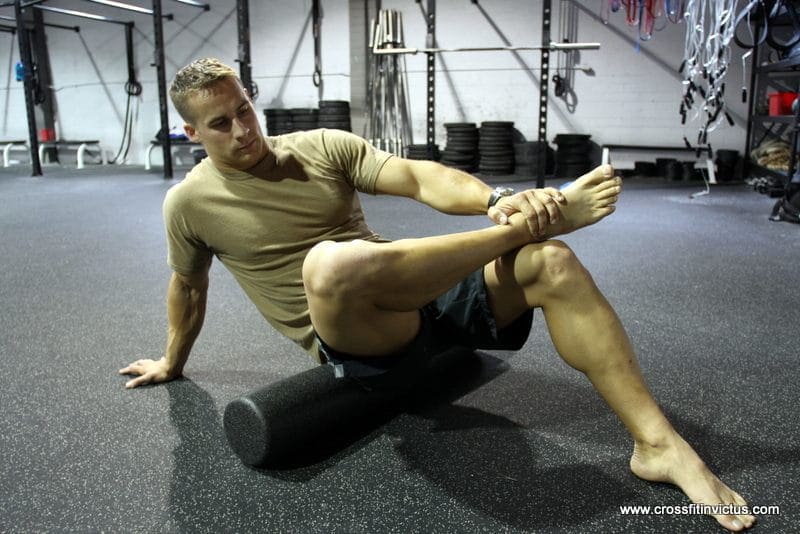
Foam rollers may look simple, but their benefits are anything but. From easing sore muscles and increasing flexibility to speeding up recovery, this tool packs a punch. Whether you’re a seasoned athlete or just someone looking to shake off the stiffness after a day at your desk, foam rolling can make all the difference. So, grab a foam roller, roll out those knots, and give your muscles the care they deserve. And remember, listen to your body – a little discomfort is fine, but pain is not. Happy rolling!