When it comes to building muscle and getting stronger, your diet plays a critical role. While training hard in the gym is essential, what you fuel your body with can either accelerate your progress or hold you back. Protein is the cornerstone of muscle growth, repair, and recovery, making it an essential nutrient in your quest to get jacked. This article will delve into 20 high-protein foods that can help you build muscle more efficiently, backed by science and research. Let’s dive in.
1. Chicken Breast
Chicken breast is a staple in many bodybuilders’ diets, and for good reason. It’s a lean source of protein, meaning it provides a high protein content with minimal fat.


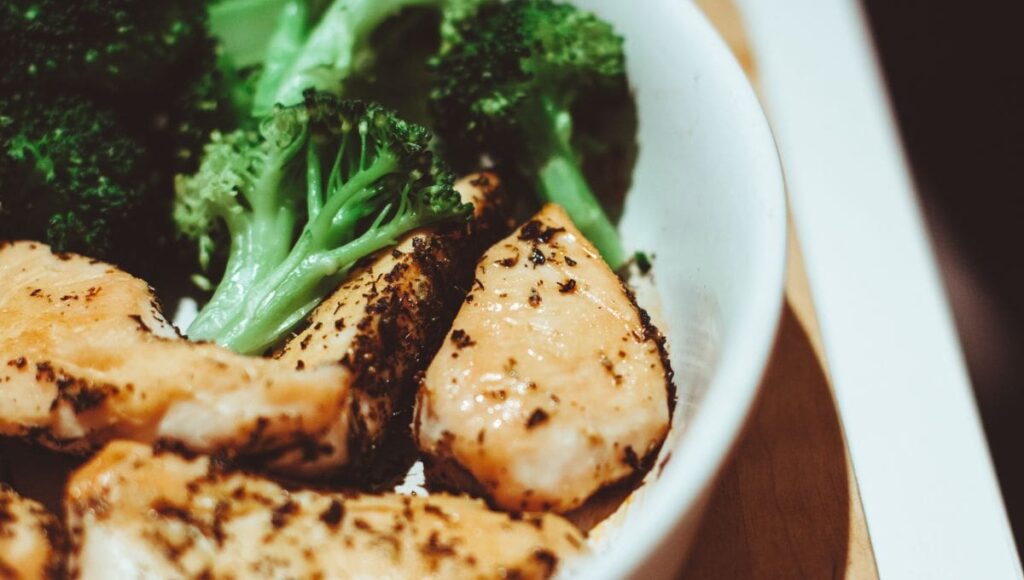
Nutritional Profile (per 100g):
- Protein: 31g
- Fat: 3.6g
- Calories: 165 kcal
Chicken breast is an excellent source of lean protein, which is vital for muscle growth. Studies have shown that consuming lean protein sources like chicken breast can significantly enhance muscle protein synthesis, especially when combined with resistance training .
2. Greek Yoghurt
Greek yoghurt is another fantastic source of protein. It’s rich in casein protein, which is a slow-digesting protein that provides a steady release of amino acids.
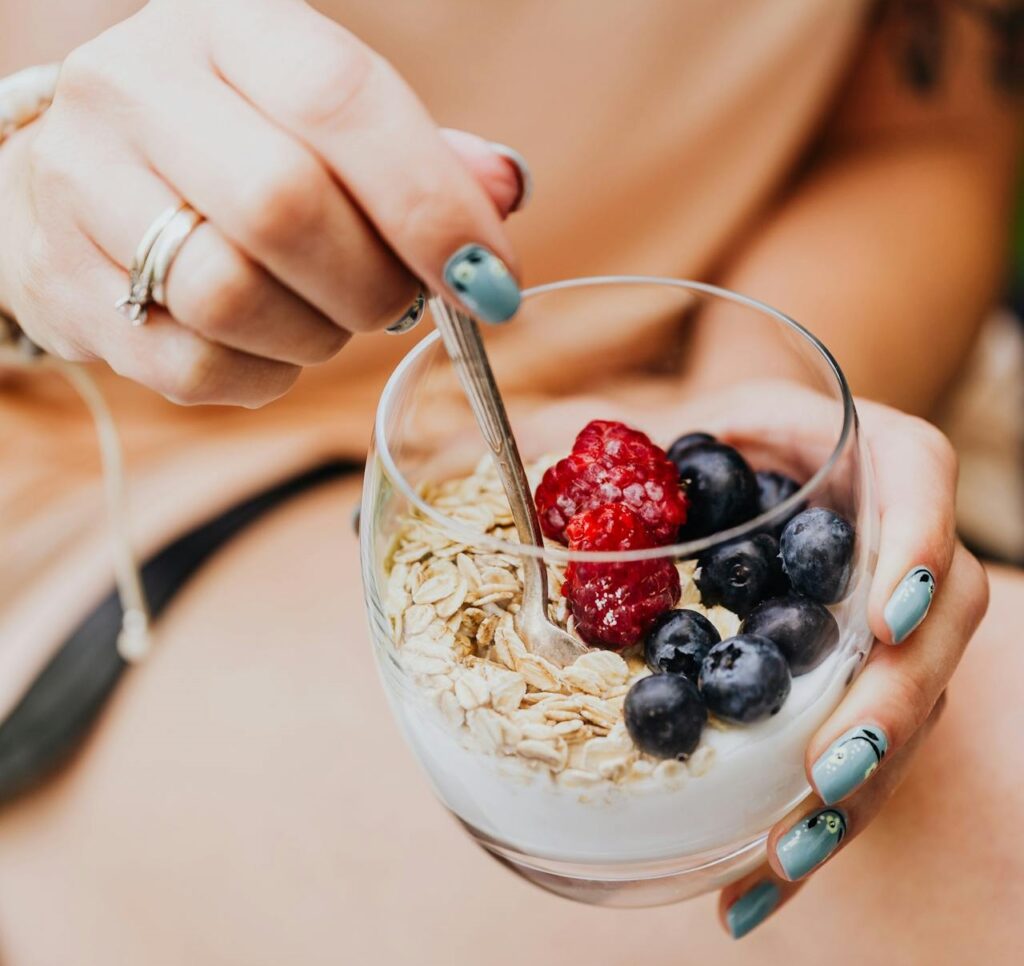
Nutritional Profile (per 100g):
- Protein: 10g
- Fat: 0.4g (non-fat variety)
- Calories: 59 kcal
Research indicates that consuming casein before sleep can promote muscle recovery and growth during the night due to its slow release of amino acids . Additionally, Greek yoghurt contains probiotics that support gut health, which is crucial for overall nutrient absorption.
3. Eggs
Eggs are one of the most versatile and complete sources of protein available.
Nutritional Profile (per large egg):
- Protein: 6g
- Fat: 5g
- Calories: 72 kcal
Eggs contain all nine essential amino acids, making them a complete protein. The bioavailability of egg protein is exceptionally high, which means your body can efficiently use the protein in eggs to build muscle . Furthermore, the yolk is rich in vitamins and minerals that support overall health and muscle function.
4. Whey Protein
Whey protein is a popular supplement among athletes and bodybuilders due to its rapid digestion and high biological value.
Nutritional Profile (per 30g scoop):
- Protein: 24g
- Fat: 1.5g
- Calories: 120 kcal
Whey protein is quickly absorbed, making it ideal for post-workout recovery when your muscles are most receptive to nutrients . Studies have shown that whey protein supplementation can significantly enhance muscle hypertrophy and strength when combined with resistance exercise .
5. Lean Beef
Beef, particularly lean cuts like sirloin, is an excellent source of protein and essential nutrients.
Nutritional Profile (per 100g):
- Protein: 26g
- Fat: 10g
- Calories: 250 kcal
Lean beef is rich in high-quality protein and contains important micronutrients like iron and zinc, which are essential for muscle function and recovery . The creatine found in beef can also support muscle energy production, enhancing your performance in the gym .
6. Cottage Cheese
Cottage cheese is another dairy product that is high in casein protein.
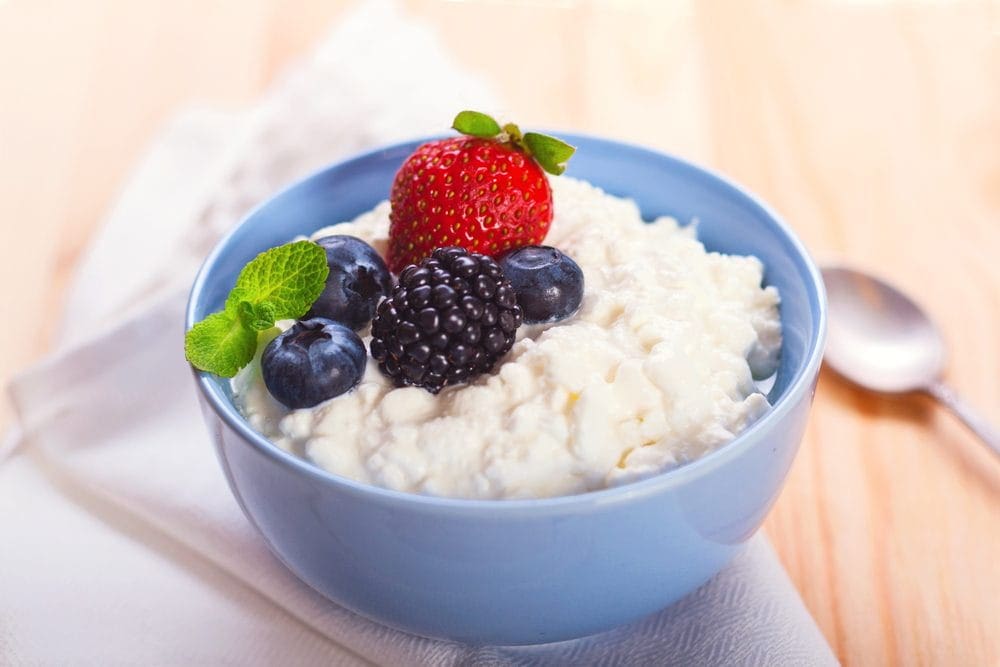
Nutritional Profile (per 100g):
- Protein: 11g
- Fat: 4g
- Calories: 98 kcal
Like Greek yoghurt, cottage cheese provides a slow release of amino acids, making it an excellent pre-bedtime snack to support overnight muscle repair . It’s also a good source of calcium, which is important for bone health.
7. Quinoa
Quinoa is one of the few plant-based foods that offer a complete protein profile, containing all nine essential amino acids.
Nutritional Profile (per 100g cooked):
- Protein: 4.4g
- Fat: 1.9g
- Calories: 120 kcal
For those who follow a vegetarian or vegan diet, quinoa is an excellent option to ensure you’re getting sufficient protein for muscle growth . It also contains fibre, which supports digestion and overall health.
8. Tuna
Tuna is a high-protein fish that is low in fat, making it an ideal food for muscle building.
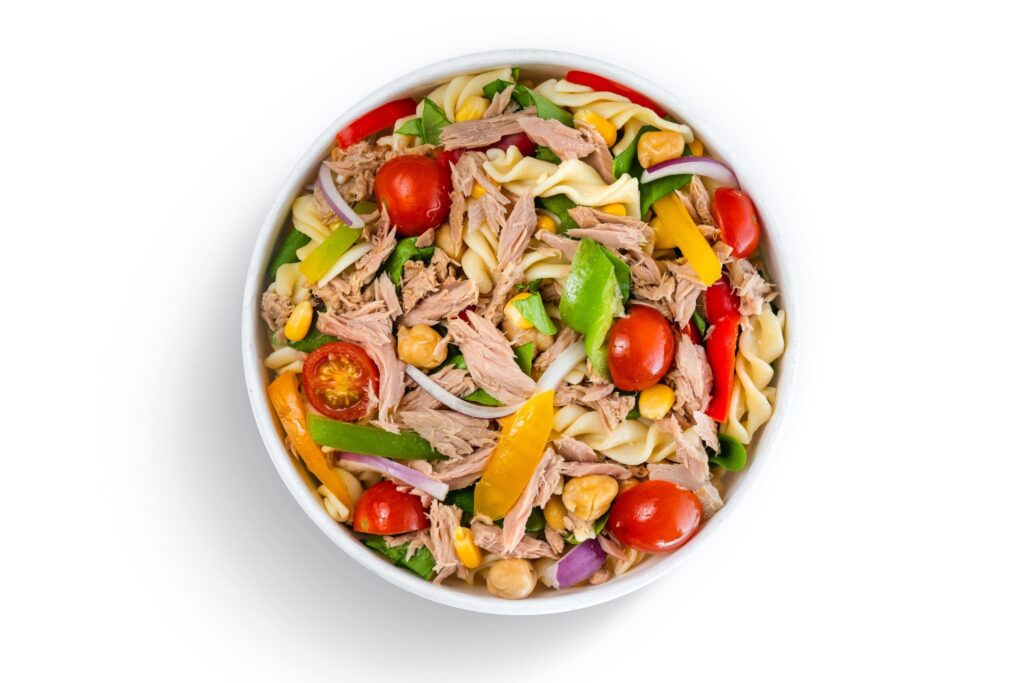
Nutritional Profile (per 100g):
- Protein: 30g
- Fat: 1.3g
- Calories: 132 kcal
Tuna is rich in omega-3 fatty acids, which have been shown to enhance muscle protein synthesis and reduce muscle inflammation . It’s also a convenient option for those on the go, as it can be eaten straight out of the can.
9. Lentils
Lentils are a great plant-based protein source, especially for vegetarians and vegans.
Nutritional Profile (per 100g cooked):
- Protein: 9g
- Fat: 0.4g
- Calories: 116 kcal
In addition to their protein content, lentils are high in fibre and complex carbohydrates, providing sustained energy for workouts. Studies have shown that a diet rich in plant-based proteins like lentils can support muscle maintenance and overall health .
10. Turkey Breast
Similar to chicken, turkey breast is a lean protein source that is also rich in vitamins and minerals.
Nutritional Profile (per 100g):
- Protein: 29g
- Fat: 1g
- Calories: 135 kcal
Turkey breast is an excellent source of protein that supports muscle growth and recovery. It’s also high in tryptophan, which is involved in serotonin production and can help regulate sleep .
11. Edamame
Edamame, or young soybeans, are a fantastic plant-based protein source.
Nutritional Profile (per 100g):
- Protein: 11g
- Fat: 5g
- Calories: 122 kcal
Edamame is rich in complete protein, making it a valuable addition to a muscle-building diet, especially for vegetarians and vegans . They are also high in fibre, supporting digestive health.
12. Salmon
Salmon is not only high in protein but also packed with omega-3 fatty acids.
Nutritional Profile (per 100g):
- Protein: 25g
- Fat: 13g
- Calories: 208 kcal
Omega-3 fatty acids found in salmon are known to reduce muscle soreness and inflammation, which can be beneficial for recovery after intense workouts . Moreover, the protein in salmon is easily digestible, making it a top choice for muscle growth.
13. Black Beans
Black beans are another excellent plant-based protein source.
Nutritional Profile (per 100g cooked):
- Protein: 9g
- Fat: 0.3g
- Calories: 132 kcal
Rich in both protein and fibre, black beans provide a sustained energy release, which is crucial for long training sessions. They also contain a variety of vitamins and minerals that support overall health .
14. Almonds
Almonds are a convenient and nutrient-dense snack that offers a decent amount of protein.
Nutritional Profile (per 28g):
- Protein: 6g
- Fat: 14g
- Calories: 161 kcal
While almonds are higher in fat than other protein sources, the fats are primarily healthy monounsaturated fats, which are beneficial for heart health. Almonds also provide a good amount of magnesium, a mineral that plays a role in muscle function and recovery .
15. Pea Protein
Pea protein is a popular plant-based protein powder that is easily digestible and allergen-friendly.
Nutritional Profile (per 30g scoop):
- Protein: 24g
- Fat: 2g
- Calories: 120 kcal
Pea protein contains a high amount of branched-chain amino acids (BCAAs), which are crucial for muscle growth and repair. Research has shown that pea protein can be just as effective as whey protein in promoting muscle growth when combined with resistance training .
16. Bison
Bison is a leaner alternative to beef that is rich in protein and other essential nutrients.
Nutritional Profile (per 100g):
- Protein: 28g
- Fat: 2g
- Calories: 143 kcal
Bison is lower in fat compared to beef, making it a leaner option that still provides a high amount of protein. It’s also a good source of iron, which is important for oxygen transport in the blood and muscle function.

17. Seitan
Seitan, also known as wheat gluten, is a high-protein, plant-based meat substitute.
Nutritional Profile (per 100g):
- Protein: 25g
- Fat: 1.9g
- Calories: 143 kcal
Seitan is an excellent option for vegetarians and vegans looking to increase their protein intake. It has a meat-like texture and is often used in dishes where you would typically use meat. Seitan provides a high-quality protein source that supports muscle growth .
18. Sardines
Sardines are a small, oily fish that pack a powerful protein punch.
Nutritional Profile (per 100g):
- Protein: 25g
- Fat: 11g
- Calories: 208 kcal
In addition to being high in protein, sardines are rich in omega-3 fatty acids and calcium. These nutrients are essential for muscle function, bone health, and overall recovery .
19. Pumpkin Seeds
Pumpkin seeds are a nutrient-dense snack that provides a good amount of protein and healthy fats.
Nutritional Profile (per 28g):
- Protein: 7g
- Fat: 13g
- Calories: 151 kcal
Pumpkin seeds are also rich in magnesium, which plays a crucial role in muscle function and recovery. They make an excellent snack or addition to salads and smoothies .
20. Tofu
Tofu is a versatile and high-protein food that is a staple in many vegetarian and vegan diets.
Nutritional Profile (per 100g):
- Protein: 8g
- Fat: 5g
- Calories: 76 kcal
Tofu is made from soybeans, making it a complete protein source. It is also low in calories and fat, making it an excellent option for those looking to build muscle without gaining excess fat . Tofu is also rich in calcium, which supports bone health.
Key Takeaways
| Food | Protein (per 100g) | Benefits |
|---|---|---|
| Chicken Breast | 31g | Lean protein, supports muscle growth |
| Greek Yoghurt | 10g | Casein protein, good for recovery and gut health |
| Eggs | 6g (per egg) | Complete protein, high bioavailability |
| Whey Protein | 24g (per scoop) | Rapid digestion, ideal for post-workout |
| Lean Beef | 26g | High-quality protein, rich in iron and zinc |
| Cottage Cheese | 11g | Slow-digesting protein, good for overnight recovery |
| Quinoa | 4.4g (cooked) | Complete plant-based protein, high in fibre |
| Tuna | 30g | High-protein, low-fat, rich in omega-3 fatty acids |
| Lentils | 9g (cooked) | Plant-based protein, high in fibre |
| Turkey Breast | 29g | Lean protein, supports muscle recovery |
| Edamame | 11g | Complete plant-based protein, high in fibre |
| Salmon | 25g | High-protein, rich in omega-3 fatty acids |
| Black Beans | 9g (cooked) | Plant-based protein, high in fibre and minerals |
| Almonds | 6g (per 28g) | Protein-rich snack, high in healthy fats and magnesium |
| Pea Protein | 24g (per scoop) | Plant-based protein powder, rich in BCAAs |
| Bison | 28g | Leaner alternative to beef, rich in iron |
| Seitan | 25g | High-protein meat substitute, supports muscle growth |
| Sardines | 25g | High in protein, omega-3 fatty acids, and calcium |
| Pumpkin Seeds | 7g (per 28g) | Nutrient-dense snack, high in protein and magnesium |
| Tofu | 8g | Complete plant-based protein, low-calorie, supports muscle growth |
Bibliography
- Tang, J.E., et al., 2009. Ingestion of whey hydrolysate, casein, or soy protein isolate: effects on mixed muscle protein synthesis at rest and following resistance exercise in young men. Journal of Applied Physiology, 107(3), pp.987-992.
- Antonio, J., et al., 2015. The effects of protein supplementation on muscle mass, strength, and aerobic and anaerobic power in healthy older men. Nutrition & Metabolism, 12(1), p.60.
- Phillips, S.M., et al., 2002. Dietary protein to support muscle mass maintenance during weight loss. Applied Physiology, Nutrition, and Metabolism, 37(4), pp.559-568.
- Burd, N.A., et al., 2009. Muscle protein synthesis following resistance exercise is enhanced by the ingestion of rapidly digesting protein. Applied Physiology, Nutrition, and Metabolism, 34(3), pp.401-407.
- Campbell, W.W., et al., 2007. Dietary protein recommendations and the prevention of sarcopenia: Protein, amino acid metabolism and therapy. Applied Physiology, Nutrition, and Metabolism, 32(4), pp.906-911.
- Mangano, K.M., et al., 2017. Dietary protein is associated with musculoskeletal health independently of dietary pattern: The Framingham Third Generation Study. The American Journal of Clinical Nutrition, 105(3), pp.714-722.
- Thomas, D.T., et al., 2016. Position of the Academy of Nutrition and Dietetics, Dietitians of Canada, and the American College of Sports Medicine: Nutrition and athletic performance. Journal of the Academy of Nutrition and Dietetics, 116(3), pp.501-528.
- Wolfe, R.R., 2006. The underappreciated role of muscle in health and disease. The American Journal of Clinical Nutrition, 84(3), pp.475-482.
- Layman, D.K., et al., 2003. Increased dietary protein modifies glucose and insulin homeostasis in adult women during weight loss. The Journal of Nutrition, 133(2), pp.405-410.