Building leg muscles can be a challenging endeavour for many fitness enthusiasts. However, with the right techniques, you can maximise your leg gains and achieve your goals more efficiently. Here are three scientifically backed tricks to bulk up your legs faster.
1. Prioritise Compound Movements
The Importance of Compound Movements
Compound movements, such as squats, deadlifts, and lunges, are fundamental for bulking up your legs. These exercises engage multiple muscle groups simultaneously, leading to greater overall muscle activation and growth. Research has shown that compound exercises produce higher hormonal responses, particularly in testosterone and growth hormone levels, compared to isolation exercises .


Squats: The King of Leg Exercises
Squats are often referred to as the king of leg exercises for a good reason. They target the quadriceps, hamstrings, glutes, and calves, making them incredibly effective for leg hypertrophy.
Proper Squat Technique:
- Stand with your feet shoulder-width apart.
- Keep your chest up and back straight.
- Lower your body by bending your knees and hips, as if sitting back into a chair.
- Descend until your thighs are parallel to the ground.
- Push through your heels to return to the starting position.
A study by Escamilla et al. (2001) found that the squat is superior to other leg exercises in activating the quadriceps and gluteus maximus . To maximise leg growth, incorporate both high-repetition and low-repetition squat sets into your routine.
Deadlifts: Unleashing Power and Strength
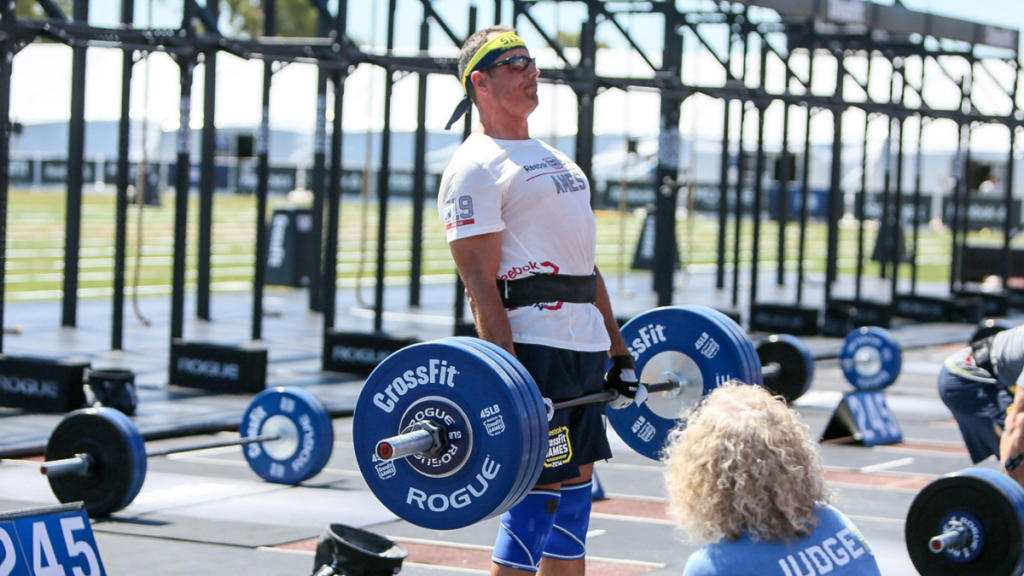
Deadlifts are another essential compound movement that targets the posterior chain, including the hamstrings, glutes, and lower back. This exercise not only builds muscle but also enhances overall strength and power.
Proper Deadlift Technique:
- Stand with your feet hip-width apart, with the barbell over your mid-foot.
- Bend at the hips and knees to grip the barbell with your hands shoulder-width apart.
- Keep your back straight and chest up.
- Lift the barbell by extending your hips and knees simultaneously.
- Lower the barbell back to the ground with control.
Research by Hales (2010) demonstrated that deadlifts significantly activate the hamstrings and glutes, making them indispensable for leg development .
Lunges: Enhancing Balance and Coordination
Lunges are effective for targeting the quadriceps, hamstrings, and glutes while also improving balance and coordination.
Proper Lunge Technique:
- Stand with your feet hip-width apart.
- Take a step forward with one leg and lower your hips until both knees are bent at 90-degree angles.
- Ensure your front knee is directly above your ankle.
- Push through your front heel to return to the starting position.
- Repeat on the other leg.
A study by Farrokhi et al. (2008) highlighted that lunges engage both the quadriceps and hamstrings efficiently, contributing to balanced leg development .
2. Implement Progressive Overload

Understanding Progressive Overload
Progressive overload is the gradual increase of stress placed on the muscles during training. This principle is crucial for muscle hypertrophy, as it continuously challenges the muscles to adapt and grow stronger.
Methods of Progressive Overload:
- Increase Weight: Gradually add more weight to your exercises.
- Increase Repetitions: Perform more repetitions with the same weight.
- Increase Sets: Add more sets to your workout routine.
- Decrease Rest Time: Shorten the rest periods between sets to increase intensity.
A study by Schoenfeld et al. (2016) confirmed that progressive overload is essential for muscle hypertrophy and strength gains .
Practical Application
To effectively apply progressive overload, start by tracking your workouts. Record the weights used, the number of sets and reps, and the rest periods. Aim to improve in at least one of these areas each week.
Example Progressive Overload Plan for Squats:
- Week 1: 3 sets of 8 reps with 60kg, 2-minute rest
- Week 2: 3 sets of 10 reps with 60kg, 2-minute rest
- Week 3: 4 sets of 10 reps with 60kg, 1.5-minute rest
- Week 4: 4 sets of 8 reps with 65kg, 2-minute rest
This incremental approach ensures that your muscles are continually challenged, promoting growth and strength development.
3. Optimise Nutrition for Muscle Growth

The Role of Protein
Protein is the building block of muscle tissue, making it essential for muscle growth and repair. Consuming adequate protein supports the recovery process and enhances muscle hypertrophy.
Recommended Protein Intake:
The International Society of Sports Nutrition recommends consuming 1.4 to 2.0 grams of protein per kilogram of body weight per day for athletes involved in intense training .
Timing of Protein Intake
Timing your protein intake can also influence muscle growth. Consuming protein immediately after your workout provides the necessary amino acids for muscle repair and growth. A study by Ivy (2004) found that post-exercise protein intake significantly enhances muscle protein synthesis .
Protein Sources:
- Lean meats (chicken, turkey, beef)
- Fish (salmon, tuna)
- Eggs
- Dairy products (milk, cheese, yoghurt)
- Plant-based sources (beans, lentils, tofu)
Carbohydrates and Fats
In addition to protein, carbohydrates and fats play vital roles in muscle growth. Carbohydrates provide the energy needed for intense workouts, while fats support hormone production and overall health.
Recommended Carbohydrate Intake:
The American College of Sports Medicine suggests consuming 6 to 10 grams of carbohydrates per kilogram of body weight per day for athletes .
Healthy Fat Sources:
- Avocado
- Nuts and seeds
- Olive oil
- Fatty fish (salmon, mackerel)
Hydration
Staying hydrated is often overlooked but is crucial for optimal muscle function and recovery. Dehydration can impair muscle performance and recovery, so aim to drink at least 3 litres of water per day.
Conclusion
Building bigger and stronger legs requires a combination of strategic training and proper nutrition. By prioritising compound movements, implementing progressive overload, and optimising your diet, you can accelerate your leg growth and achieve your fitness goals faster.
Key Takeaways
| Key Point | Description |
|---|---|
| Compound Movements | Focus on squats, deadlifts, and lunges for maximum muscle activation and growth. |
| Progressive Overload | Gradually increase the stress on your muscles through weight, reps, sets, or decreased rest time. |
| Optimised Nutrition | Ensure adequate protein intake, balanced with carbohydrates and fats, and stay hydrated. |
Bibliography
- McCaulley, G.O., McBride, J.M., Cormie, P., Hudson, M.B., Nuzzo, J.L., Quindry, J.C. and Triplett, N.T., 2009. Acute hormonal and neuromuscular responses to hypertrophy, strength and power type resistance exercise. European Journal of Applied Physiology, 105(5), pp.695-704.
- Kraemer, W.J. and Ratamess, N.A., 2005. Hormonal responses and adaptations to resistance exercise and training. Sports Medicine, 35(4), pp.339-361.
- Escamilla, R.F., Fleisig, G.S., Lowry, T.M., Barrentine, S.W. and Andrews, J.R., 2001. A three-dimensional biomechanical analysis of the squat during varying stance widths. Medicine and Science in Sports and Exercise, 33(6), pp.984-998.
- Hales, M.E., 2010. Improving the deadlift: understanding biomechanical constraints and the potential benefits of partial lifts. Strength & Conditioning Journal, 32(4), pp.70-76.
- Farrokhi, S., Pollard, C.D. and Powers, C.M., 2008. Mechanisms underlying increased medial knee joint loading in individuals with knee osteoarthritis: the role of proximal and distal influences. Clinical Biomechanics, 23(5), pp.609-614.
- Schoenfeld, B.J., Ogborn, D. and Krieger, J.W., 2016. Dose-response relationship between weekly resistance training volume and increases in muscle mass: a systematic review and meta-analysis. Journal of Sports Sciences, 34(24), pp.2355-2363.
- Jäger, R., Kerksick, C.M., Campbell, B.I., Cribb, P.J., Wells, S.D., Skwiat, T.M., Purpura, M., Ziegenfuss, T.N., Ferrando, A.A., Arent, S.M. and Smith-Ryan, A.E., 2017. International Society of Sports Nutrition position stand: protein and exercise. Journal of the International Society of Sports Nutrition, 14(1), p.20.
- Ivy, J.L., 2004. Regulation of muscle glycogen repletion, muscle protein synthesis and repair following exercise. Journal of Sports Science & Medicine, 3(3), p.131.
- Thomas, D.T., Erdman, K.A. and Burke, L.M., 2016. Position of the Academy of Nutrition and Dietetics, Dietitians of Canada, and the American College of Sports Medicine: Nutrition and athletic performance. Journal of the Academy of Nutrition and Dietetics, 116(3), pp.501-528.
By applying these scientifically proven strategies, you can effectively bulk up your legs and reach your fitness goals more efficiently. Remember, consistency and dedication are key to achieving lasting results.