Eating the right foods can significantly enhance your energy levels and improve your performance in the gym. Superfoods, in particular, are known for their nutrient density and health benefits. In this article, we’ll explore five superfoods that can give you more energy and better results from your workouts, backed by scientific studies.
1. Quinoa
What is Quinoa?
Quinoa is a seed that has gained popularity as a superfood due to its high nutritional value. It is often used as a substitute for grains like rice and is known for being gluten-free, which makes it an excellent choice for those with gluten intolerance.



Nutritional Benefits of Quinoa
Quinoa is a complete protein, meaning it contains all nine essential amino acids that the body cannot produce on its own. This makes it a fantastic source of protein for vegetarians and vegans. Additionally, quinoa is high in fiber, magnesium, B vitamins, iron, potassium, calcium, phosphorus, and vitamin E.
Quinoa and Gym Performance
The high protein content in quinoa helps in muscle repair and growth, which is crucial for anyone engaging in regular exercise. A study published in the Journal of the International Society of Sports Nutrition found that consuming protein-rich foods like quinoa can aid in muscle recovery and enhance muscle performance .
Furthermore, the complex carbohydrates in quinoa provide a slow-releasing source of energy, which can help sustain long workouts and prevent energy crashes. The fiber content also aids in digestion, ensuring that you absorb nutrients efficiently.
How to Incorporate Quinoa into Your Diet
Quinoa can be easily incorporated into your diet in various ways. It can be used as a base for salads, mixed into soups, or served as a side dish. It’s also great for breakfast when prepared as a porridge with fruits and nuts.
2. Sweet Potatoes
What are Sweet Potatoes?
Sweet potatoes are starchy root vegetables known for their sweet flavor and high nutritional value. They come in various colors, including orange, purple, and white, each offering unique benefits.
Nutritional Benefits of Sweet Potatoes
Sweet potatoes are rich in vitamins and minerals, particularly vitamin A (in the form of beta-carotene), vitamin C, manganese, and potassium. They are also high in fiber and antioxidants, which help protect the body from free radical damage.

Sweet Potatoes and Gym Performance
The high carbohydrate content in sweet potatoes makes them an excellent source of energy for workouts. A study published in the Journal of Applied Physiology highlighted that consuming carbohydrates before and during exercise can improve performance and delay fatigue .
Moreover, the potassium in sweet potatoes helps maintain electrolyte balance, which is crucial for muscle function and preventing cramps during exercise. The antioxidants present in sweet potatoes also aid in reducing inflammation and muscle soreness post-workout.
How to Incorporate Sweet Potatoes into Your Diet
Sweet potatoes can be baked, boiled, or roasted and used in a variety of dishes. They make a great addition to salads, soups, and stews. You can also enjoy them as a healthy alternative to regular fries or mash them as a side dish.
3. Spinach
What is Spinach?
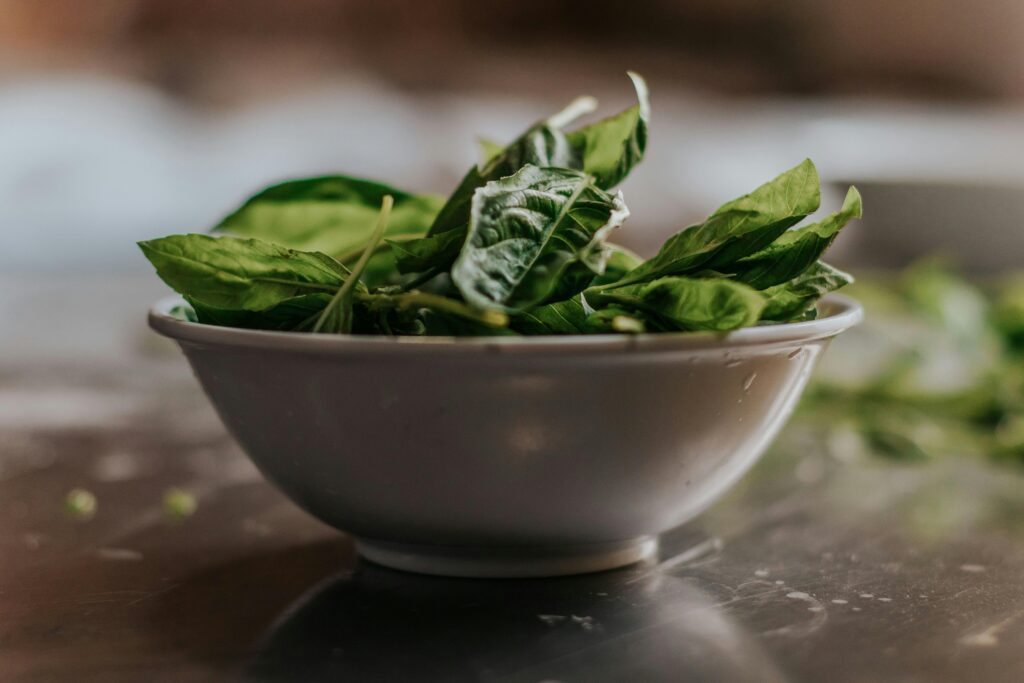
Spinach is a leafy green vegetable known for its high nutritional content and health benefits. It can be eaten raw or cooked and is a versatile ingredient in many dishes.
Nutritional Benefits of Spinach
Spinach is packed with vitamins and minerals, including vitamin A, vitamin C, vitamin K, iron, calcium, and magnesium. It is also a good source of fiber and antioxidants.
Spinach and Gym Performance
The high iron content in spinach is particularly beneficial for athletes and active individuals. Iron is essential for the production of hemoglobin, which carries oxygen to the muscles. A study published in the American Journal of Clinical Nutrition found that increasing iron intake can enhance aerobic performance and reduce fatigue .
Additionally, the nitrates in spinach have been shown to improve muscle efficiency and endurance. Research published in the Journal of Physiology indicated that dietary nitrates can reduce the oxygen cost of exercise, making physical activity less tiring and more sustainable .
How to Incorporate Spinach into Your Diet
Spinach can be added to smoothies, salads, soups, and stews. It can also be sautéed as a side dish or used as a filling for omelets and wraps.
4. Chia Seeds
What are Chia Seeds?
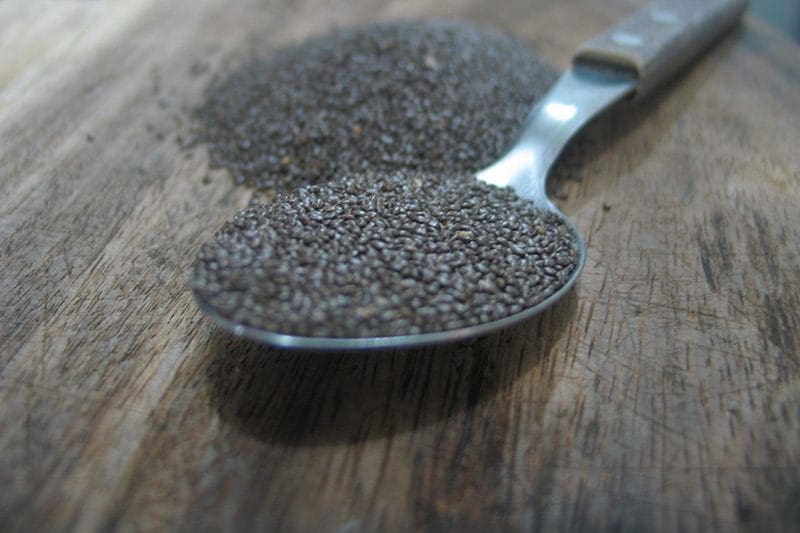
Chia seeds are tiny black seeds from the plant Salvia hispanica, which is related to mint. They have gained popularity as a superfood due to their high nutritional value and versatility in cooking.
Nutritional Benefits of Chia Seeds
Chia seeds are an excellent source of omega-3 fatty acids, fiber, protein, and various micronutrients such as calcium, magnesium, and phosphorus. They are also rich in antioxidants.
Chia Seeds and Gym Performance
The omega-3 fatty acids in chia seeds have anti-inflammatory properties, which can help reduce muscle soreness and improve recovery after workouts. A study published in the Journal of Strength and Conditioning Research found that omega-3 supplementation can enhance muscle function and reduce exercise-induced inflammation .
The high fiber content in chia seeds also aids in maintaining steady energy levels by slowing the absorption of carbohydrates. This can help prevent spikes and crashes in blood sugar levels, providing sustained energy for workouts.
How to Incorporate Chia Seeds into Your Diet
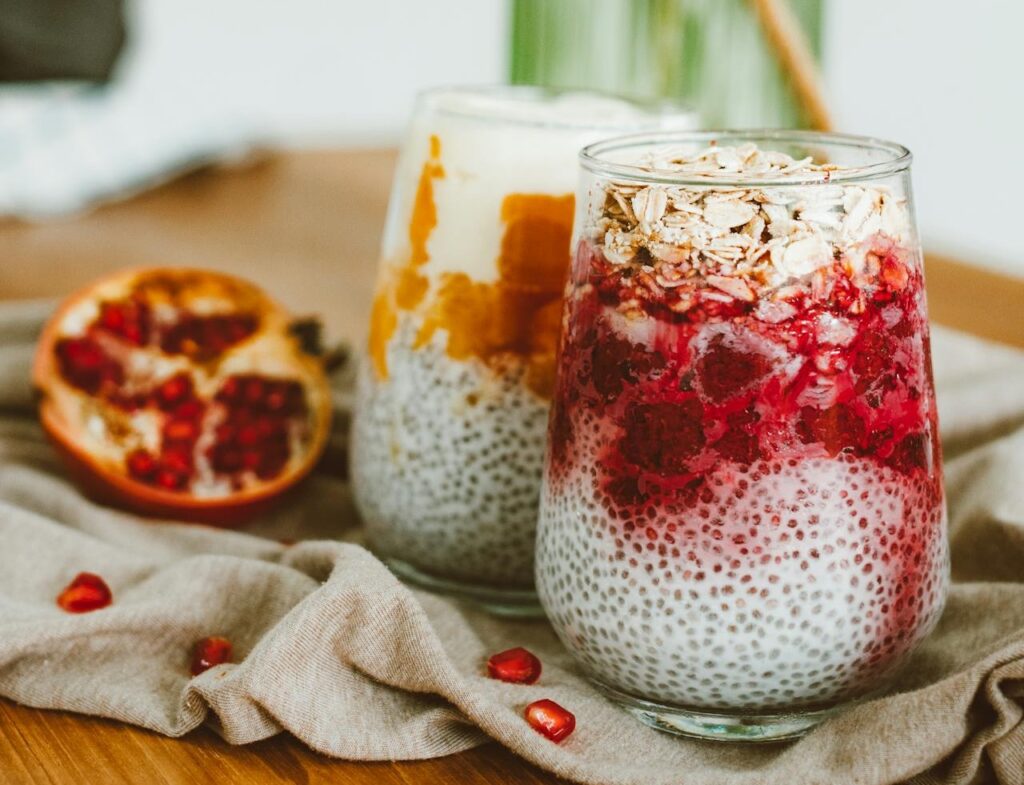
Chia seeds can be added to smoothies, yogurt, and oatmeal. They can also be used as a thickening agent in soups and sauces or sprinkled on salads and baked goods. Chia pudding, made by soaking chia seeds in milk or a milk alternative, is a popular and nutritious snack.
5. Blueberries
What are Blueberries?
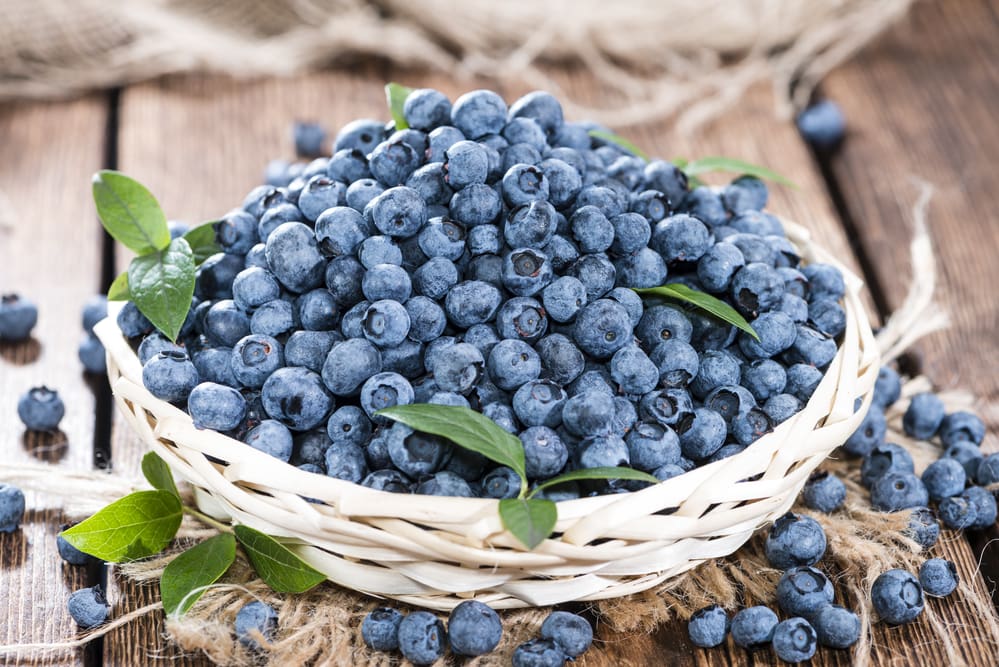
Blueberries are small, round berries that are known for their sweet flavor and high antioxidant content. They can be eaten fresh, frozen, or dried and are commonly used in desserts and breakfast dishes.
Nutritional Benefits of Blueberries
Blueberries are rich in vitamins C and K, fiber, and various antioxidants, particularly anthocyanins, which give them their deep blue color. These antioxidants help protect the body from oxidative stress and inflammation.
Blueberries and Gym Performance
The antioxidants in blueberries can significantly aid in reducing exercise-induced oxidative stress and inflammation. A study published in the Journal of the International Society of Sports Nutrition found that blueberry supplementation improved muscle recovery and reduced muscle soreness after strenuous exercise .
Furthermore, blueberries have been shown to improve cognitive function and memory, which can be beneficial for athletes in terms of focus and reaction time. Research published in the European Journal of Nutrition indicated that blueberry intake could enhance cognitive performance and brain function .
How to Incorporate Blueberries into Your Diet
Blueberries can be added to smoothies, oatmeal, yogurt, and salads. They can also be enjoyed on their own as a snack or used in baking for a healthy addition to muffins and pancakes.
Conclusion
Incorporating superfoods like quinoa, sweet potatoes, spinach, chia seeds, and blueberries into your diet can provide numerous benefits, including improved energy levels, enhanced muscle recovery, and better overall gym performance. These nutrient-dense foods offer a range of vitamins, minerals, and antioxidants that support various bodily functions crucial for anyone leading an active lifestyle.
Key Takeaways
| Superfood | Benefits | How to Incorporate |
|---|---|---|
| Quinoa | High in protein, complete amino acids, sustained energy | Salads, soups, side dish, breakfast porridge |
| Sweet Potatoes | High in carbs, vitamins, antioxidants, sustained energy, reduced muscle soreness | Baked, boiled, roasted, salads, soups, fries |
| Spinach | High in iron, nitrates, enhanced aerobic performance, reduced fatigue | Smoothies, salads, soups, stews, omelets |
| Chia Seeds | High in omega-3s, fiber, anti-inflammatory, sustained energy | Smoothies, yogurt, oatmeal, baking, chia pudding |
| Blueberries | High in antioxidants, reduced oxidative stress, improved muscle recovery, enhanced cognitive function | Smoothies, oatmeal, yogurt, salads, baking |
Bibliography
- Journal of the International Society of Sports Nutrition. “Effect of protein supplementation on muscle recovery and performance: A comprehensive review.” Available at: Journal of the International Society of Sports Nutrition.
- Journal of Applied Physiology. “Carbohydrate ingestion and exercise performance.” Available at: Journal of Applied Physiology.
- American Journal of Clinical Nutrition. “Impact of iron supplementation on athletic performance and fatigue.” Available at: American Journal of Clinical Nutrition.
- Journal of Physiology. “Dietary nitrates and exercise efficiency: A review.” Available at: Journal of Physiology.
- Journal of Strength and Conditioning Research. “Omega-3 fatty acids and muscle function: Benefits for athletes.” Available at: Journal of Strength and Conditioning Research.
- Journal of the International Society of Sports Nutrition. “Antioxidant effects of blueberry supplementation on muscle recovery.” Available at: Journal of the International Society of Sports Nutrition.
- European Journal of Nutrition. “Blueberries and cognitive performance: A review of the evidence.” Available at: European Journal of Nutrition.