Building impressive arms requires more than just picking up the heaviest weights. It involves understanding the biomechanics, muscle physiology, and principles of effective training to maximise hypertrophy.
This article delves into the evidence-based methods to achieve arm growth and debunks common misconceptions, providing a roadmap to building big arms effectively.


Understanding Arm Anatomy
The arms comprise three primary muscle groups: the biceps brachii, triceps brachii, and brachialis.
The biceps are located at the front of the upper arm and consist of two heads—the long head and the short head—which are primarily responsible for elbow flexion and forearm supination. The triceps, located at the back of the arm, have three heads—long, lateral, and medial—and are responsible for elbow extension. The brachialis lies underneath the biceps and contributes significantly to arm thickness by assisting in elbow flexion.
Prioritising Compound Movements
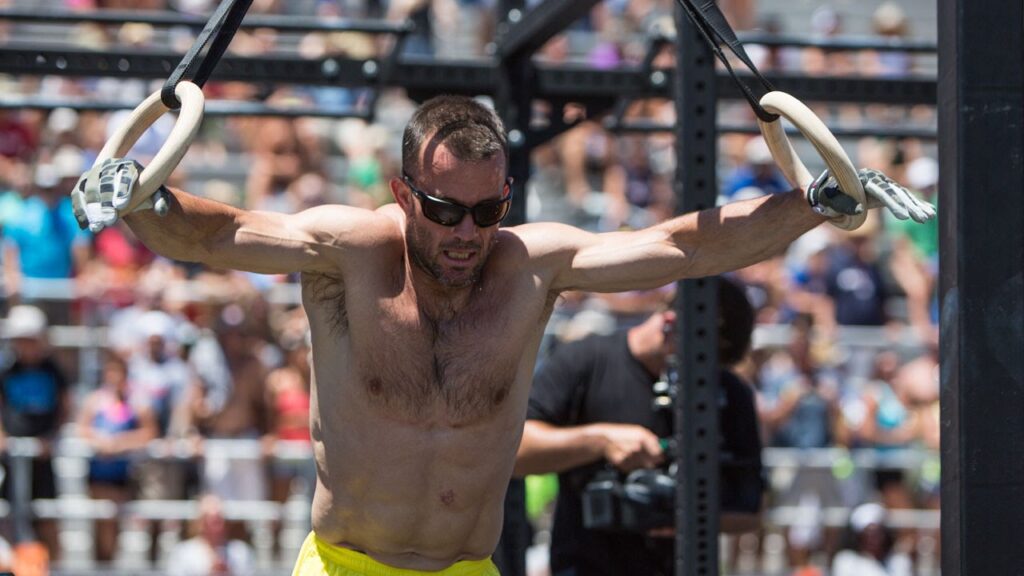
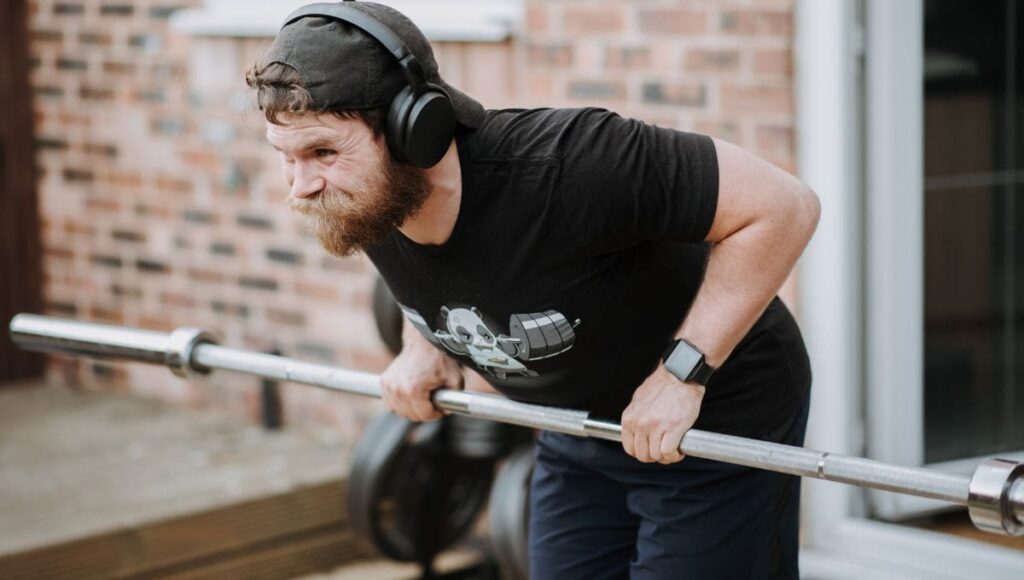
Compound exercises, which involve multiple joints and muscle groups, are essential for overall arm development. Movements such as pull-ups, chin-ups, and bench presses recruit the biceps and triceps while also engaging other supporting muscles. Research highlights that compound lifts activate a larger number of motor units, promoting both strength and hypertrophy (Schoenfeld, 2010).
Chin-Ups for Biceps
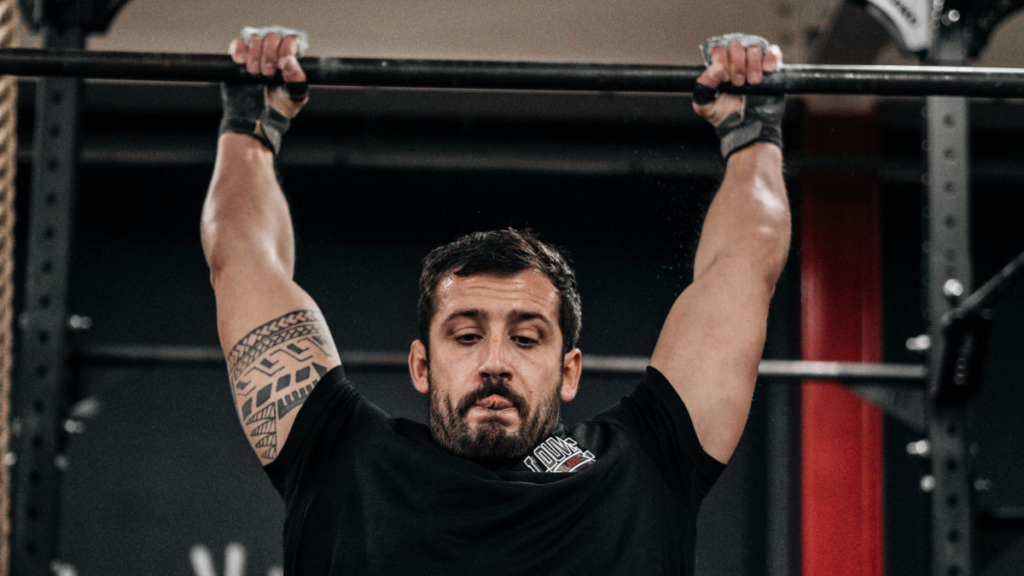
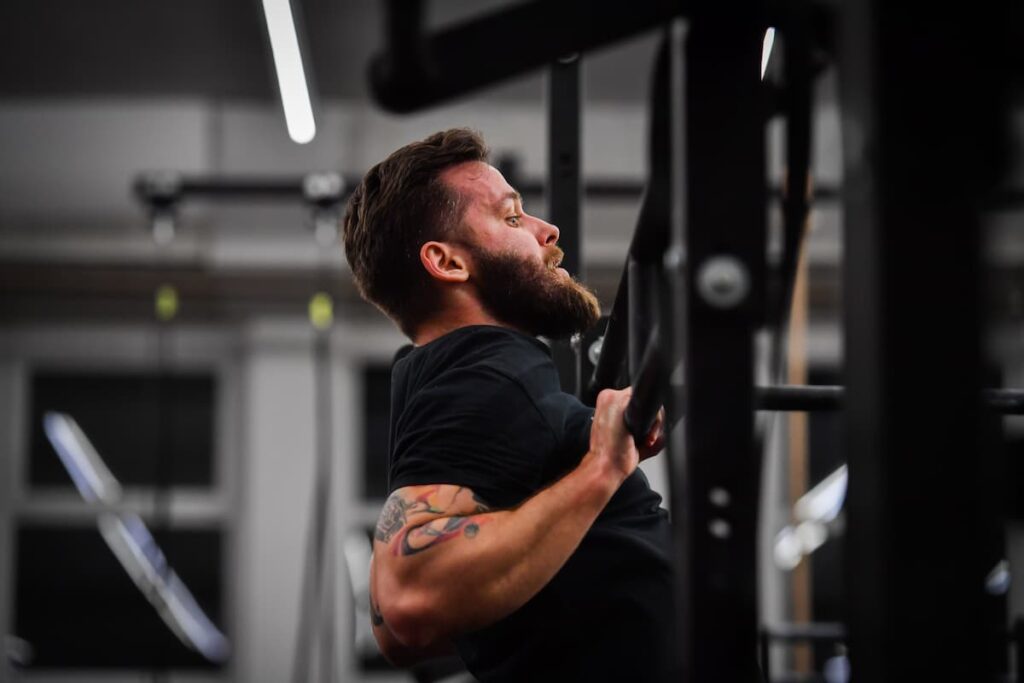
Chin-ups, performed with a supinated grip, are particularly effective for targeting the biceps. A study by Youdas et al. (2010) demonstrated that chin-ups elicit greater biceps activation compared to pull-ups. Incorporating weighted chin-ups can further enhance muscle overload.
Close-Grip Bench Press for Triceps
The close-grip bench press is a compound lift that emphasises the triceps. Saeterbakken et al. (2017) found that a narrower grip increases triceps activation compared to a standard grip. This exercise also allows for heavy loading, a key factor in muscle growth.
Incorporating Isolation Exercises
While compound movements are crucial, isolation exercises allow for targeted muscle activation, addressing specific weaknesses and enhancing the mind-muscle connection. Key isolation exercises include the bicep curl, hammer curl, and tricep pushdown.
Bicep Curls
Bicep curls isolate the biceps, with variations like concentration curls and preacher curls emphasising different parts of the muscle. Research by Signorile et al. (2002) indicates that concentration curls produce the highest biceps activation due to reduced involvement of stabilising muscles.
Hammer Curls
Hammer curls target the brachialis and brachioradialis in addition to the biceps, contributing to overall arm thickness. This exercise also strengthens the forearms, enhancing grip strength.
Tricep Pushdowns
Cable tricep pushdowns are effective for isolating the triceps, particularly the lateral and medial heads. A study by Boehm et al. (2007) found that performing pushdowns with a straight bar or rope achieves high levels of triceps activation.
The Role of Progressive Overload
Progressive overload, the gradual increase of stress on the muscles, is fundamental to hypertrophy. This can be achieved through increasing weight, volume, or intensity over time. Schoenfeld et al. (2016) emphasised the importance of progressive overload in stimulating muscle protein synthesis and preventing plateaus.
Volume and Frequency
The optimal training volume for hypertrophy varies, but a meta-analysis by Schoenfeld et al. (2017) suggests that performing 10-20 sets per muscle group per week is ideal. Splitting arm training across multiple sessions—such as twice weekly—can enhance recovery and maximise growth.
Load Intensity
Training with a range of 65-85% of one-repetition maximum (1RM) is effective for hypertrophy. Heavier loads focus on mechanical tension, while moderate loads allow for more repetitions, increasing metabolic stress—both critical for muscle growth (Schoenfeld, 2010).
Rest and Recovery
Muscle growth occurs during recovery, making rest periods and adequate nutrition essential. The American College of Sports Medicine (ACSM) recommends 48 hours of rest between sessions targeting the same muscle group to allow for optimal recovery and adaptation.
Sleep and Muscle Growth

Sleep is critical for recovery, as it promotes the release of growth hormone. A study by Dattilo et al. (2011) found that insufficient sleep reduces muscle protein synthesis, hindering growth.
Protein Intake
Consuming sufficient protein supports muscle repair and growth. Phillips et al. (2016) recommend a daily intake of 1.6-2.2 grams of protein per kilogram of body weight for individuals engaged in resistance training.
The Importance of Variation
Varying exercises, angles, and grips can prevent adaptation and stimulate all heads of the biceps and triceps. Periodisation—cycling different training phases—is another effective strategy for continuous progress. Fonseca et al. (2014) found that varying exercise selection improves hypertrophy by targeting different regions of the muscle.
Common Mistakes to Avoid
Several misconceptions can hinder arm development. These include:
Overtraining
Training arms excessively without adequate recovery leads to overtraining, which impairs performance and growth. Ensuring balanced training and recovery periods is vital.
Neglecting the Triceps
Since the triceps make up approximately two-thirds of the upper arm’s mass, neglecting them results in imbalanced development. Incorporating exercises like dips and skull crushers ensures proportional arm growth.
Poor Form
Using excessive weight often leads to poor form, reducing muscle activation and increasing the risk of injury. Controlled movements with a full range of motion are more effective.
Supplements for Arm Growth
While nutrition should be prioritised, supplements can support training efforts:
Creatine
Creatine enhances strength and performance, allowing for increased training intensity. A study by Branch (2003) showed that creatine supplementation improves lean muscle mass.
Branched-Chain Amino Acids (BCAAs)
BCAAs stimulate muscle protein synthesis and reduce muscle soreness. Shimomura et al. (2006) found that BCAA supplementation decreases muscle damage after resistance training.
Whey Protein
Whey protein provides a convenient source of high-quality protein to meet daily intake requirements. Tang et al. (2009) demonstrated that whey protein supplementation post-exercise enhances muscle protein synthesis.

Tracking Progress
Monitoring progress ensures that training strategies are effective. This includes tracking strength gains, arm measurements, and visible changes over time. Adjusting training variables based on progress can help overcome plateaus.
Conclusion
Building big arms requires a combination of compound and isolation exercises, progressive overload, adequate recovery, and proper nutrition. Avoiding common pitfalls and incorporating evidence-based strategies ensures effective arm development.
| Key Takeaways |
|---|
| Prioritise compound movements like chin-ups and close-grip bench presses for overall arm growth. |
| Incorporate isolation exercises such as bicep curls and tricep pushdowns for targeted activation. |
| Implement progressive overload by gradually increasing weight, volume, or intensity. |
| Train each muscle group with 10-20 sets per week, split across multiple sessions. |
| Ensure adequate recovery through rest, sleep, and sufficient protein intake. |
| Avoid overtraining, poor form, and neglecting the triceps. |
| Use supplements like creatine, BCAAs, and whey protein to support muscle growth. |
| Track progress and adjust training strategies to overcome plateaus. |
References
Boehm, D. et al. (2007) ‘Effects of varying grip widths on triceps brachii activity during pushdowns’, Journal of Strength and Conditioning Research, 21(2), pp. 300-303.
Branch, J.D. (2003) ‘Effect of creatine supplementation on body composition and performance: A meta-analysis’, Medicine and Science in Sports and Exercise, 35(12), pp. 2071-2081.
Dattilo, M. et al. (2011) ‘Sleep and muscle recovery: Endocrinological and molecular basis for a new and promising hypothesis’, Medical Hypotheses, 77(2), pp. 220-222.
Fonseca, R.M. et al. (2014) ‘Effect of exercise variation in muscle activation and hypertrophy: A resistance training intervention study’, European Journal of Applied Physiology, 114(7), pp. 1439-1447.
Phillips, S.M. et al. (2016) ‘Protein requirements and supplementation in strength sports’, Nutrition and Metabolism, 13(1), p. 61.
Schoenfeld, B.J. (2010) ‘The mechanisms of muscle hypertrophy and their application to resistance training’, Journal of Strength and Conditioning Research, 24(10), pp. 2857-2872.