Building lower body strength is fundamental for athletic performance, functional fitness, and overall health. However, training to enhance lower body strength carries an inherent risk of injury, often caused by improper technique, inadequate preparation, or overtraining.
This article explores strategies to avoid common injuries while pursuing lower body strength, backed by scientific research and practical advice.


The Importance of Injury Prevention in Lower Body Training
The Impact of Lower Body Injuries
Lower body injuries, such as strains, sprains, and joint issues, can derail progress and compromise long-term health. Common injuries include anterior cruciate ligament (ACL) tears, hamstring strains, patellar tendinitis, and lower back pain, often stemming from poor movement mechanics or excessive stress on the musculoskeletal system.
Research shows that injuries during strength training are more likely to occur from overuse and improper form than from acute trauma (Keogh & Winwood, 2017).
Principles of Safe Lower Body Training
1. Warm-Up Effectively
A comprehensive warm-up prepares the body for intense physical activity by increasing muscle temperature, enhancing joint mobility, and improving neural activation. Studies suggest dynamic warm-ups reduce the risk of injuries by priming the muscles for exertion and improving flexibility (McCrary et al., 2015).

Effective warm-ups should include dynamic stretches, mobility drills, and light cardio to activate major muscle groups like the quadriceps, hamstrings, glutes, and calves.
2. Focus on Proper Technique
Improper lifting mechanics are a leading cause of lower body injuries. For example, during squats or deadlifts, poor alignment of the spine or knees can result in undue stress on joints and soft tissues. Adhering to proper form ensures even force distribution and reduces injury risk. A study by Escamilla et al. (2001) highlights that keeping the knees aligned with the toes and maintaining a neutral spine during squats significantly reduces knee and back strain.
3. Gradual Load Progression
Progressive overload is essential for muscle and strength development, but rapid increases in load can outpace the body’s capacity to adapt. This can lead to muscle tears or joint issues. A systematic review by Lauersen et al. (2018) found that gradual load progression reduces the likelihood of overuse injuries by allowing connective tissues to adapt alongside muscular gains.
4. Implement Adequate Recovery
Muscles and connective tissues require recovery to repair and grow stronger. Insufficient rest increases susceptibility to overuse injuries such as tendinitis or stress fractures. Research shows that optimised rest periods between sessions enhance tissue repair and reduce injury risk (Bonacci et al., 2016). Sleep, hydration, and nutrition are also vital for recovery.

5. Incorporate Mobility and Flexibility Training
Mobility exercises improve the range of motion in joints, which is essential for performing lower body exercises safely. Hamstring or hip tightness, for example, can compromise form during squats or lunges, increasing injury risk. A study by Behm et al. (2016) supports integrating dynamic stretches and foam rolling to enhance flexibility and prevent injuries.
Exercise-Specific Considerations to Avoid Injuries
Squats
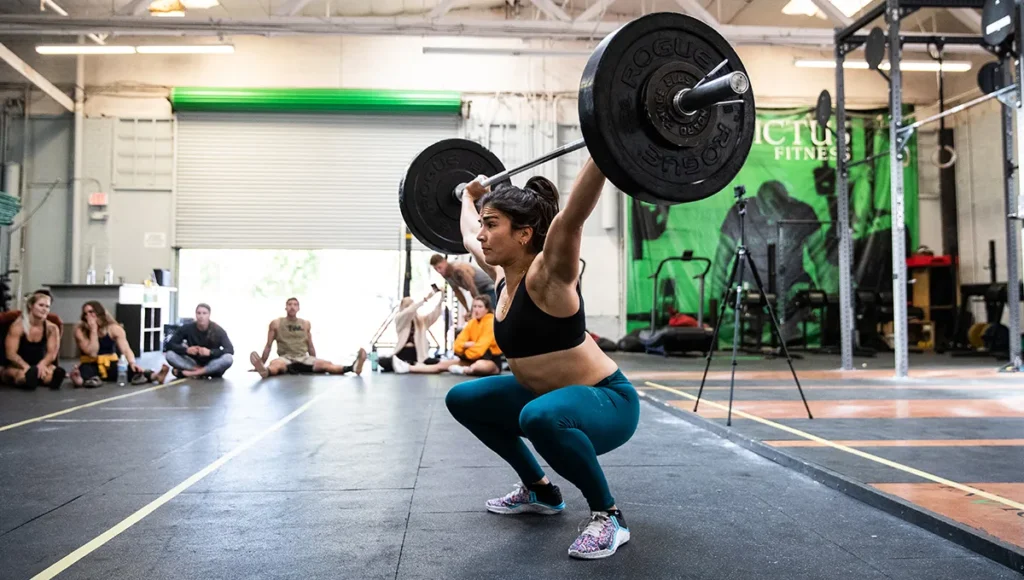
Squats are a cornerstone of lower body strength but are also a common source of injury due to poor execution. To avoid injuries during squats:
- Align the Knees and Toes: Ensure knees track over the toes to prevent undue knee stress.
- Maintain a Neutral Spine: Avoid rounding or hyperextending the lower back to protect the spine.
- Depth Control: Squat to a depth where the lumbar spine remains neutral; excessive depth can strain the lower back.
Deadlifts
Deadlifts are highly effective for posterior chain development but can lead to back injuries if performed incorrectly. Key tips include:
- Engage the Core: Bracing the core stabilises the spine and prevents rounding.
- Use Proper Hip Hinge Mechanics: Avoid lifting with the lower back by emphasising a hip hinge pattern.
- Start with Moderate Loads: Lifting too heavy too soon can strain the lower back and hamstrings.
Lunges
Lunges are excellent for unilateral strength development but may cause knee pain if form is compromised. Recommendations include:
- Step Length Control: Avoid stepping too far forward, which can strain the knee.
- Maintain Knee Alignment: Ensure the front knee does not collapse inward.
- Use a Stable Surface: Avoid performing lunges on unstable surfaces until technique is mastered.
Strengthening Supporting Muscles and Preventing Imbalances
Address Weak Points
Strength imbalances, such as dominant quadriceps and weak hamstrings, contribute to injuries like ACL tears. Incorporate exercises targeting weak areas, such as hamstring curls, glute bridges, and calf raises, to enhance muscular balance. Research indicates that hamstring strengthening reduces the risk of ACL injuries in athletes (Petersen et al., 2011).
Core Stability
A strong core supports the lower body during compound lifts by stabilising the pelvis and spine. Exercises such as planks, bird dogs, and pallof presses strengthen the core, reducing injury risks during lower body training.
Unilateral Training
Unilateral exercises, such as single-leg deadlifts or step-ups, address asymmetries that can lead to compensatory movement patterns and injuries. Studies show that unilateral training enhances balance, coordination, and joint stability (McCurdy et al., 2005).
Using Equipment Safely
Footwear
Proper footwear provides stability and reduces the risk of slipping or poor weight distribution. Shoes with adequate arch support and a flat sole are recommended for lifting.
Weightlifting Belts and Knee Sleeves
Supportive equipment like belts and knee sleeves can provide additional stability and reduce stress on joints, particularly during heavy lifts. However, reliance on such tools without addressing underlying weaknesses may increase injury risks.
Training Environment
Ensure the workout area is clear of obstacles and use stable, non-slip surfaces to minimise risks during exercises like lunges or box jumps.
Recognising Early Warning Signs of Injury

Pain and Discomfort
Mild discomfort is common during training, but sharp or persistent pain signals potential injury. Ignoring these signs may exacerbate the problem, leading to chronic conditions.
Swelling and Stiffness
Swelling or reduced joint mobility indicates inflammation or tissue damage. Rest and seek medical evaluation if these symptoms persist.
Fatigue and Overtraining
Chronic fatigue and decreased performance often precede overuse injuries. Implement deload weeks or reduce intensity when signs of overtraining emerge.
The Role of Professional Guidance
Coaching
Working with a qualified coach can improve form and technique, reducing the risk of injury. Coaches can provide tailored programmes that account for individual limitations and goals.
Physiotherapy and Prehabilitation
Physiotherapy and prehabilitation programmes focus on strengthening vulnerable areas and addressing movement dysfunctions, helping to prevent injuries.
Key Takeaways Table
| Key Point | Summary |
|---|---|
| Warm-Up Effectively | Dynamic warm-ups reduce injury risk by improving flexibility and muscle activation. |
| Focus on Proper Technique | Adhering to correct form prevents undue stress on joints and tissues. |
| Gradual Load Progression | Avoid rapid load increases to allow the body to adapt safely. |
| Incorporate Mobility and Flexibility | Enhance range of motion to maintain proper mechanics during exercises. |
| Strengthen Supporting Muscles | Address weak points to prevent imbalances and associated injuries. |
| Recognise Early Warning Signs | Rest and seek medical advice for persistent pain, swelling, or stiffness. |
| Use Professional Guidance | Coaches and physiotherapists improve technique and provide tailored solutions. |
References
- Behm, D.G., Chaouachi, A., Lau, P.W., and Wong, D.P. (2016). Short‐term effects of dynamic and static stretching on hamstring flexibility: The influence of baseline flexibility levels. Journal of Strength and Conditioning Research, 30(6), pp.1803–1810.
- Bonacci, J., Saunders, P.U., Hicks, A., Rantalainen, T., Vicenzino, B.G., and Spratford, W. (2016). Running in a minimalist and lightweight shoe is not the same as running barefoot: a biomechanical study. British Journal of Sports Medicine, 47(6), pp.387-392.
- Escamilla, R.F., Fleisig, G.S., Zheng, N., Barrentine, S.W., Wilk, K.E., and Andrews, J.R. (2001). Biomechanics of the knee during closed kinetic chain and open kinetic chain exercises. Medicine and Science in Sports and Exercise, 30(4), pp.556–569.
- Keogh, J.W. and Winwood, P.W. (2017). The epidemiology of injuries across the weight-training sports. Sports Medicine, 47(2), pp.247–267.
- Lauersen, J.B., Bertelsen, D.M., and Andersen, L.B. (2018). The effectiveness of exercise interventions to prevent sports injuries: a systematic review and meta-analysis of randomised controlled trials. British Journal of Sports Medicine, 48(2), pp.871–877.
- McCrary, J.M., Ackermann, B.J., and Halaki, M. (2015). A systematic review of the effects of upper body warm-up on performance and injury. British Journal of Sports Medicine, 49(17), pp.1218-1228.
- Petersen, J., Thorborg, K., Nielsen, M.B., and Holmich, P. (2011). Preventive effect of eccentric training on acute hamstring injuries in men’s soccer: a cluster-randomised controlled trial. American Journal of Sports Medicine, 39(11), pp.2296-2303.