Training your legs twice a week can fast-track your fitness progress, but it requires careful planning. Your legs are composed of some of the largest muscles in your body, like the quadriceps, hamstrings, and glutes. Working these muscles more frequently can enhance muscle growth, strength, and athletic performance. However, the key lies in balancing intensity, recovery, and nutrition.
Let’s dive into the science and strategies to make your twice-a-week leg training routine both effective and sustainable.


Why Train Your Legs Twice a Week?
Increased Muscle Activation Over Time
When you train your legs twice a week, you expose them to consistent stimulation. The key to muscle growth, or hypertrophy, lies in creating micro-tears in muscle fibres during exercise and allowing them to repair stronger during recovery. By training twice a week, you provide these fibres with more frequent signals to grow.
Research by Schoenfeld et al. (2016) suggests that training a muscle group twice per week can lead to better hypertrophic outcomes than training it only once. This is because spreading the workload across two sessions reduces excessive fatigue, allowing for more effective sets and reps.
Better Strength Gains Through Optimised Recovery

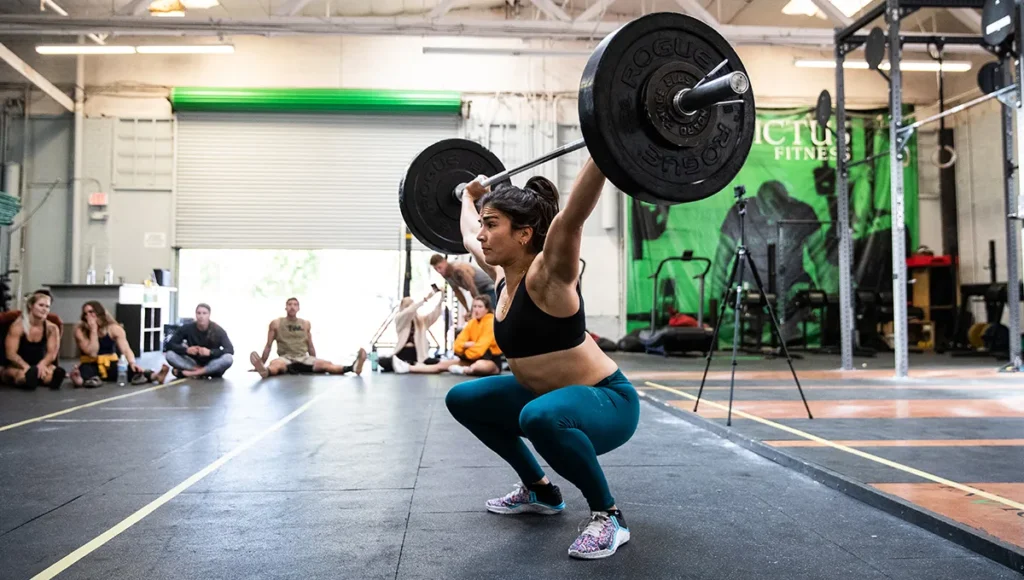
Strength development depends on progressive overload, where the body adapts to increasing resistance over time. Training legs only once a week may result in suboptimal recovery or a plateau in strength gains. A twice-weekly schedule allows you to target your muscles more effectively while preventing excessive strain. For example, heavy squats and deadlifts can be performed on separate days, ensuring each lift gets maximum attention and effort.
Improved Recovery and Fatigue Management
When you train your legs once a week, sessions are often long and exhausting. Such high-volume, high-intensity sessions can lead to central nervous system (CNS) fatigue and delayed onset muscle soreness (DOMS), potentially hampering your performance in subsequent workouts. By splitting the workload over two sessions, you reduce these negative effects, which helps improve recovery efficiency and sustain energy levels throughout the week.

Boosted Hormonal Response
Leg training stimulates the release of anabolic hormones like testosterone and growth hormone due to the involvement of large muscle groups. Training legs twice a week can amplify this hormonal response, leading to greater overall muscle growth. This systemic effect benefits not only your legs but also your upper body.
Athletic Performance and Everyday Functionality

Strong legs are essential for many sports and everyday movements. Training them twice a week helps athletes enhance their sprinting, jumping, and agility. For non-athletes, it improves activities like climbing stairs, walking, and carrying loads. Over time, this can lead to improved posture, balance, and reduced risk of injury in daily life.
10 Most Important Leg Exercises to Build Muscle
How to Structure a Twice-a-Week Leg Training Plan
Splitting Focus for Efficiency
When training your legs twice a week, the most effective strategy is to divide sessions based on focus. This allows you to work different aspects of leg strength, endurance, and hypertrophy without overloading your muscles in a single session.
Day 1: Strength and Power Training
This session focuses on building strength and explosive power. Use heavy loads and lower reps to activate fast-twitch muscle fibres.
- Squats: Prioritise heavy weights and low reps, such as 5 sets of 4–6 reps. Squats target your quadriceps, glutes, and core.
- Deadlifts: Include conventional or sumo deadlifts for hamstring and back strength. Aim for 3–4 sets of 3–5 reps.
- Bulgarian Split Squats: Incorporate unilateral exercises to correct muscle imbalances. Perform 3 sets of 8–12 reps per leg.
- Calf Raises: Focus on slow and controlled movements to build calf strength and endurance. Perform 4 sets of 15–20 reps.

Day 2: Hypertrophy and Endurance Training
This session emphasises muscle growth and stamina using moderate weights and higher reps.
- Leg Press: Use moderate weights to target the quads and glutes. Perform 4 sets of 10–12 reps.
- Romanian Deadlifts: Focus on hamstrings and glutes with 3–4 sets of 8–12 reps.
- Walking Lunges: Include dynamic movements to improve stability and endurance. Perform 3 sets of 12–15 reps per leg.
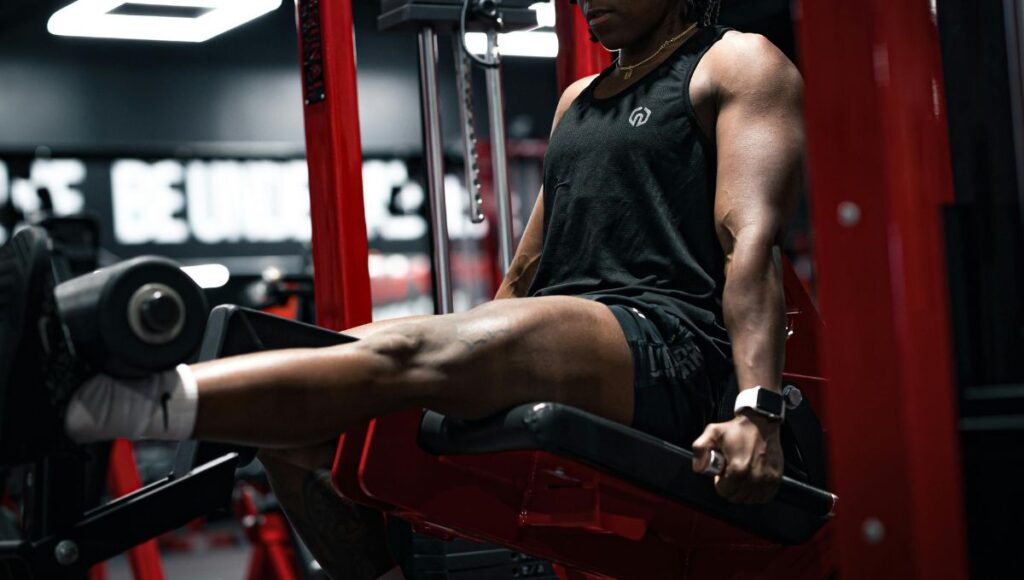
- Hamstring Curls: Strengthen the posterior chain with machine curls or stability ball variations. Perform 4 sets of 12–15 reps.
Incorporating Mobility and Warm-Ups
Each session should begin with a warm-up to prepare your muscles and joints. Include dynamic stretches like leg swings, bodyweight squats, and lunges. After training, finish with static stretching or foam rolling to promote flexibility and recovery.
Adjusting Volume and Intensity
To avoid overtraining, alternate between heavy and moderate-intensity days. If you feel fatigued, reduce the volume by 10–20% or incorporate an active recovery session. Over time, use progressive overload by gradually increasing the weight or reps to continue challenging your muscles.
How to Grow Juicy Thighs for Stronger Squats
The Importance of Recovery Between Leg Days
Active Recovery Strategies
- Light cardio, like cycling or walking, promotes blood flow to your muscles.
- Foam rolling and stretching reduce muscle tension and improve flexibility.
Nutrition for Faster Recovery
- Consume protein-rich meals after training. Aim for 20–30g of protein within an hour of your workout.
- Replenish glycogen stores with complex carbs like oats, sweet potatoes, or quinoa.
Sleep and Rest

- Prioritise quality sleep. Aim for 7–9 hours each night to allow muscles to repair and grow.
- Incorporate rest days or active recovery days to avoid overtraining.
7 Secrets to Help Build Strong and Great Looking Legs
Common Mistakes to Avoid When Training Legs Twice a Week
Overtraining and Lack of Recovery
Many people fall into the trap of training at maximum intensity every session. While it’s tempting to push hard, doing so without sufficient recovery can lead to muscle fatigue, CNS burnout, and even injuries like strains or joint pain. To avoid this:
- Schedule at least 48–72 hours of recovery between leg sessions.
- Incorporate active recovery, such as light cycling or yoga, on non-leg days.
Ignoring Smaller Muscles

Focusing solely on large compound lifts like squats and deadlifts can result in neglecting smaller but crucial muscles, such as the adductors, abductors, and calves. Weakness in these areas can lead to imbalances and injuries.
- Include exercises like side-lying clamshells, lateral band walks, and seated calf raises to strengthen these muscles.
Poor Form and Technique
Performing exercises with improper form not only reduces effectiveness but also increases the risk of injury.
- Use lighter weights to perfect your technique before progressing to heavier loads.
- If unsure, consider working with a coach or using video recordings to assess your form.
Neglecting Nutrition and Sleep
Leg training places significant demands on your body. Without proper nutrition and rest, you risk underperforming and delaying recovery. Ensure you:
- Eat a balanced diet rich in protein, carbs, and healthy fats.
- Prioritise sleep, aiming for 7–9 hours per night.
Benefits of Training Legs Twice a Week
Comprehensive Muscle Development
Training legs twice a week allows you to target all major muscle groups—quads, hamstrings, glutes, and calves—more effectively. This balanced approach promotes symmetrical growth and reduces muscle imbalances.
Enhanced Metabolic Rate

Leg workouts involve large muscle groups, which require substantial energy. This leads to increased calorie burn not only during the workout but also afterwards, thanks to the afterburn effect (excess post-exercise oxygen consumption, or EPOC). Over time, this contributes to fat loss and improved body composition.
Improved Athletic Performance
For athletes, strong legs translate to better performance in sports. Whether it’s sprinting, jumping, or cutting movements, powerful legs provide the foundation for explosive and agile movements. Regular leg training also improves endurance, allowing athletes to maintain peak performance for longer periods.
Reduced Risk of Injury
Strong legs offer better support for your hips, knees, and ankles, reducing the likelihood of injuries during physical activities. By training stabilising muscles like the calves and abductors, you also improve joint stability, which is crucial for injury prevention.
How to Train Your Legs Using Only Dumbbells
Long-Term Mobility and Independence
As we age, maintaining strong legs is key to staying mobile and independent. Regular leg training helps counteract age-related muscle loss (sarcopenia) and preserves bone density, reducing the risk of fractures or falls in later years.
Mental and Emotional Benefits
Leg training is notoriously challenging, but overcoming tough workouts builds mental resilience. Additionally, the release of endorphins during exercise can improve mood and reduce stress. Knowing you’re consistently improving your strength and fitness adds to your confidence and sense of accomplishment.

Sample Leg Training Program
Week 1 Example:
Day 1: Strength and Power
- Warm-up: Dynamic stretches, leg swings, and light cardio (5–10 minutes).
- Squats: 5×5 (heavy).
- Deadlifts: 4×4.
- Bulgarian Split Squats: 3×8 per leg.
- Standing Calf Raises: 4×15.
Day 2: Hypertrophy and Endurance
- Warm-up: Foam rolling, bodyweight squats, and lunges (5 minutes).
- Leg Press: 4×12.
- Romanian Deadlifts: 3×10.
- Walking Lunges: 3×12 per leg.
- Hamstring Curls: 4×12.
Tracking Your Progress
Keep a Training Log
- Record exercises, weights, reps, and sets.
- Monitor strength gains and muscle growth over time.
Assess Recovery
- Note how you feel after each session. Soreness should reduce as you adapt.
- Track sleep quality, energy levels, and nutrition habits.
Tips for Long-Term Success

- Periodisation: Rotate between hypertrophy, strength, and endurance phases every 4–8 weeks.
- Form Focus: Invest in professional coaching or use video feedback to refine technique.
- Stay Consistent: Results take time. Stick to your plan and adjust as needed.
Conclusion
Training your legs twice a week is a powerful way to maximise muscle growth, strength, and overall fitness. By splitting your sessions into distinct focuses, prioritising recovery, and maintaining proper nutrition, you can see faster results without overtraining.
Stick with a well-structured plan, track your progress, and stay consistent to reap the benefits of your hard work.
Key Takeaways
| Aspect | Recommendation |
|---|---|
| Training Frequency | Train legs twice a week, focusing on strength one day and hypertrophy the other. |
| Key Exercises | Squats, deadlifts, leg presses, lunges, and Romanian deadlifts. |
| Recovery Strategies | Prioritise sleep, active recovery, and a protein-rich diet. |
| Common Mistakes | Avoid overtraining, neglecting smaller muscles, and poor form. |
| Tracking Progress | Use a training log to monitor performance and recovery. |
Bibliography
- Schoenfeld, B.J., Ogborn, D. & Krieger, J.W. (2016). Effects of Resistance Training Frequency on Measures of Muscle Hypertrophy: A Systematic Review and Meta-Analysis. Sports Medicine, 46(11), pp.1689-1697.
- Dankel, S.J., et al. (2017). Frequency: The Overlooked Resistance Training Variable for Inducing Muscle Hypertrophy? Sports Medicine, 47(5), pp.799-805.
- Grgic, J., et al. (2018). Frequency of Training for Muscle Strength: A Systematic Review and Meta-Analysis. Sports Medicine, 48(5), pp.1207-1220.