Let’s face it, folks—when it comes to making a serious statement in the gym (or, let’s be real, the club), nothing screams power like a set of well-built traps. But here’s the thing—most people are training traps wrong. They’re either piling on too much weight with little to no range of motion or just ignoring them altogether. Sound familiar? Don’t worry, you’re not alone.
This article will take you through all the juicy details of trap training, from anatomy and functions to exercises that’ll leave you feeling “trap-alicious.” Whether you’re aiming to look more intimidating, become the ultimate powerhouse, or just add that “oomph” to your physique, we’ve got you covered.


The information here is based on a video recently shared online by Dr Mike Israetel. Dr Mike Israetel has a PhD in Sport Physiology and is the co-founder of Renaissance Periodization, a YouTube channel focused on hypertrophy. He is the person many bodybuilders turn to when it comes to anything related to building muscle. All the quotes are also from him as he was coaching Dana Linn Bailey, a bodybuilder and 2013 Ms. Olympia.
“If you want bigger traps, which is going to make you more of a man and more of a woman at the same time, figure that out.”
Intrigued? Let’s get started!
What Are the Traps and Why Do They Matter?
- Traps consist of three parts: upper, mid, and lower.
- Upper traps are the stars of the show for most training routines.
- Traps handle scapular elevation and rotation.
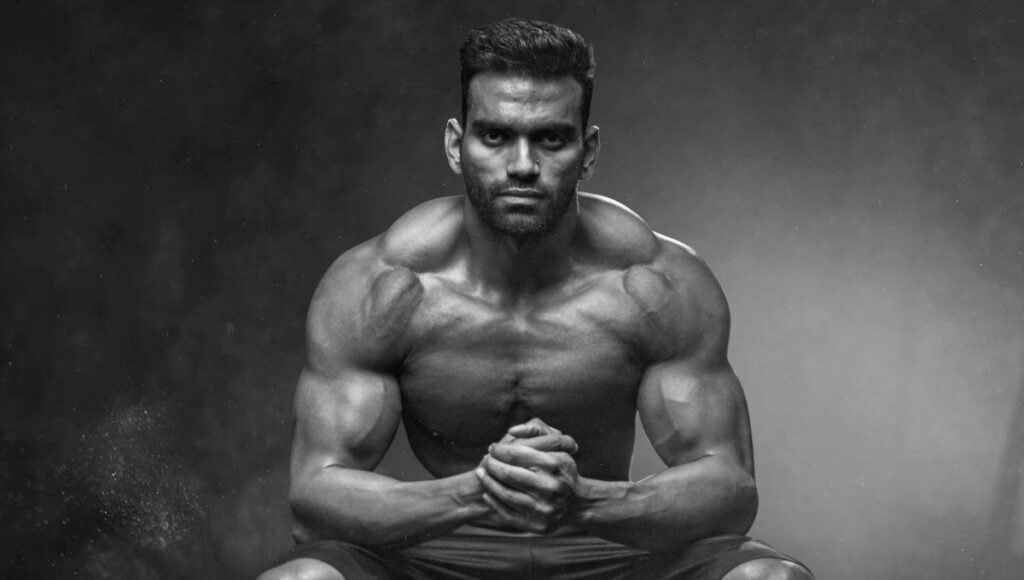
First off, let’s get the basics down. Your trapezius muscles, or traps, are the large muscles that run across your upper back and shoulders. There are three parts—upper, mid, and lower traps. The good news? Most of your mid and lower traps get trained automatically when you’re doing rowing exercises for your back. That means, for today, we’re zoning in on the upper traps—those bulging bad boys that give you a real alpha vibe.
“When you’re in a nightclub, no one’s sizing up your mid traps. It’s those upper traps that make a statement.”
Trap Functions: It’s More Than Just Shrugging
Key Points:
- Traps aren’t just about shrugging; they’re involved in scapular rotation too.
- They play a role in pulling your shoulders upward and back.
The upper traps have two main functions—scapular elevation (think: shrugging your shoulders up) and scapular rotation (that tilt-back motion your shoulders make when you raise your elbows). This dual role means you can’t rely on shrugs alone for a killer trap workout.
Pro tip: Exercises like Y-raises and lateral raises not only hit your shoulders but also tap into your traps. So, if you’re already training shoulders, you’re doing more for your traps than you might think.
Best Exercises for Upper Traps
Key Points:
- Deadlifts: Essential for overall trap development.
- Shrugs: A classic, but only if done with full range of motion.
- Stiff-Legged Deadlifts: Bonus trap activation with proper form.
- Y-Raises: Underrated but highly effective.
- Super-ROM Lateral Raises: For a trap-dominant twist.
Now for the fun part—exercises! If you’ve been winging it with random shrug sets, it’s time to switch things up. Here’s a breakdown of the best moves for serious trap growth:
1. Deadlifts: The King of Trap Builders
“Deadlifting takes care of all your traps—upper, mid, and lower. There’s no way around it.”
Deadlifts aren’t just for your glutes and hamstrings; they hit your traps hard too. The trick? Use proper form. Keep your back tight, arms relaxed, and focus on slow, controlled reps. Go for sets of 10–15 to really feel the burn. Want the Tom Hardy “most muscular” look? Deadlifts are your ticket.
2. Shrugs: Doing Them Right
Shrugs might seem simple, but most people mess them up. Forget about loading up crazy weights. Instead:
- Use a moderate weight.
- Hold the top position for two seconds.
- Lower the weight slowly and under control.
“The range of motion should come from your traps, not your hips or calves. That’s how NOT to train traps.”
Want an advanced variation? Add a cheat shrug at the end of your set. Use your legs to help lift the weight but focus on controlling the descent with your traps.
3. Stiff-Legged Deadlifts: The Bonus Round
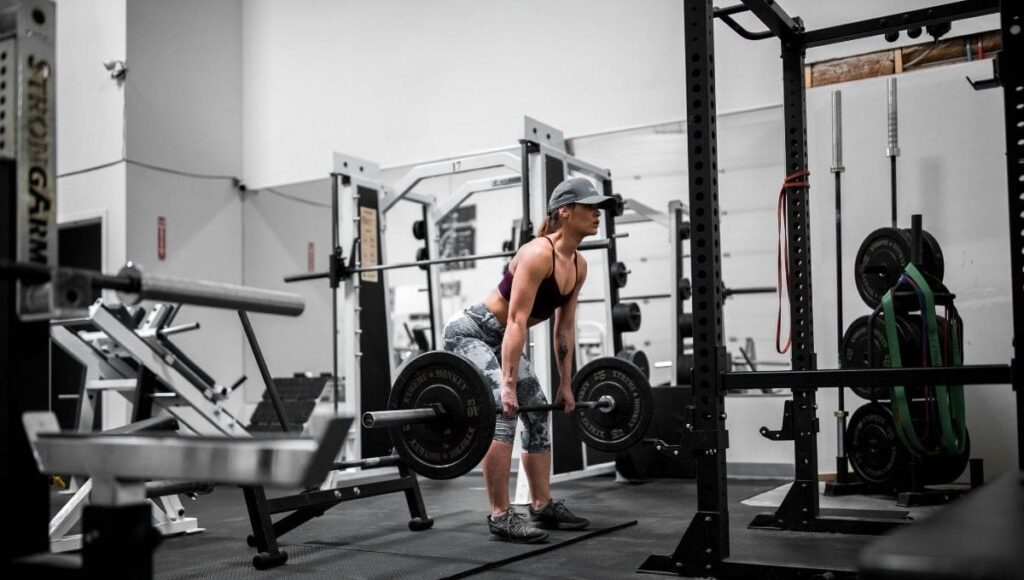
These are typically a hamstring-focused move, but with a tweak, you can turn them into a trap destroyer:
- Start with your shoulders shrugged and traps engaged.
- Maintain that tension throughout the movement.
- Slowly lower the bar and keep the movement controlled.
This eccentric contraction (lowering phase) is where the magic happens. It’s brutal but effective.
4. Y-Raises: A Hidden Gem for Traps
Y-raises aren’t just for your shoulders. By pausing at the top of the movement and focusing on scapular rotation, you’re giving your traps some serious love. Pro tip: Do these on an incline bench for maximum effect.
This Is How Your Back Training Should Look Like
5. Super-ROM Lateral Raises
Take your lateral raises up a notch—literally. Instead of stopping at shoulder height, go all the way up overhead. This extended range of motion puts extra stress on your traps, making it an excellent finisher.
“When the scapula moves during lateral raises, the traps are heavily involved. So why not let them take over?”
Trap Training Tips and Tricks
Key Points:
- Volume matters: Aim for 4–6 sets per exercise.
- Listen to your body: Don’t switch exercises too quickly if it’s still feeling effective.
- Incorporate higher reps (10–15) for trap-dominant moves.

Volume is the name of the game when it comes to trap training. Some folks swear by the “top set” method—one heavy set followed by lighter sets—but a higher volume approach usually yields better results. Stick with an exercise as long as it feels effective, and don’t rush to switch just because you hit a rep count.
“If something feels good—whether it’s the weight or the movement—keep going. Intuition matters.”
Why Big Traps Are Worth the Grind
Key Points:
- Traps contribute to overall physique and posture.
- They’re a status symbol in bodybuilding and fitness circles.
- Well-trained traps reduce injury risk by supporting the neck and shoulders.
Training traps isn’t just about looking good. Strong traps improve your posture, help stabilise your shoulders, and reduce the risk of neck injuries. Plus, let’s not forget the intimidation factor. Big traps make you stand out—whether you’re in the gym, at a nightclub, or just living your best life.
Conclusion: Time to Flex Those Traps
There you have it, the ultimate guide to building bigger traps. From deadlifts to Y-raises, there’s no shortage of ways to sculpt those muscles and make a statement. The key is consistency—stick with the exercises, keep your form tight, and don’t skimp on volume.
“Write that note to your high school crush because when you show up with big traps, she won’t slam the door in your face. She’ll swoon.”
Now get out there, train smart, and watch your traps transform. Just remember: traps aren’t built in a day—but they’re absolutely worth the effort.