Reducing calorie intake is essential for weight management and overall health, but hidden calories in your diet can easily sabotage your progress. These often-overlooked calories come from condiments, beverages, and even cooking methods.
By addressing these sources, you can make substantial changes without drastic dietary restrictions. Below are five practical, science-backed strategies to cut hidden calories from your diet.


1. Eliminate Sugary Drinks
Sugary drinks like sodas, energy drinks, and even fruit juices can significantly contribute to your daily calorie intake without providing satiety. A standard 330ml can of cola contains around 139 calories, while a 250ml glass of orange juice has approximately 110 calories. These beverages are not filling and can lead to overconsumption of calories throughout the day.
A study published in The American Journal of Clinical Nutrition found that sugar-sweetened beverages were associated with weight gain and an increased risk of type 2 diabetes (Malik et al., 2010). Switching to water, herbal teas, or black coffee can save hundreds of calories daily. For added flavour, consider infusing water with fresh fruits or herbs like mint and cucumber.
Practical Tip:
Invest in a reusable water bottle and carry it with you. Drinking water before meals has also been shown to reduce calorie intake, as highlighted in a study by Dennis et al. (2010).
2. Choose Cooking Methods Wisely
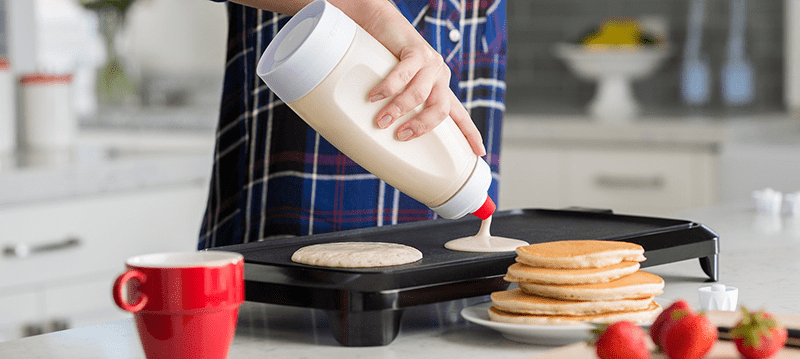
The way food is prepared can greatly affect its calorie content. Frying foods in oil or butter adds a significant amount of hidden calories. For example, frying adds about 120 calories per tablespoon of oil. Instead, opt for grilling, steaming, baking, or air frying, which require little to no added fats.
A study in Obesity Reviews indicated that the preparation method significantly impacts calorie density and nutrient retention (Fardet & Rock, 2014). These cooking methods also preserve more nutrients, making meals healthier overall.
Practical Tip:
Use non-stick cookware and cooking sprays instead of oils or butter. Measure cooking oils carefully if needed, as many people underestimate the amount they use.
3. Be Mindful of Condiments and Sauces
Condiments and sauces often hide high amounts of sugar, fats, and calories. For instance, a tablespoon of mayonnaise has around 94 calories, while ketchup contains about 20 calories per tablespoon due to its sugar content. Salad dressings, particularly creamy ones, can add hundreds of unnecessary calories to an otherwise healthy meal.

A study published in Appetite found that individuals tend to underestimate the calorie content of condiments and side dishes, leading to unintentional overconsumption (Wansink & Chandon, 2006). Choosing lower-calorie options such as mustard, vinegar-based dressings, or plain Greek yoghurt as a substitute can reduce calorie intake significantly.
Practical Tip:
Always check nutritional labels and measure condiments rather than pouring directly onto food.
4. Reduce Portion Sizes
Portion distortion is a common issue where people consume more food than necessary, increasing calorie intake without realising it. Studies have shown that people tend to eat more when served larger portions, regardless of hunger levels (Rolls et al., 2004). Controlling portion sizes can effectively cut calories without altering the type of food you eat.
Using smaller plates, bowls, and utensils is a proven strategy to manage portion sizes. Research in Psychological Science suggests that smaller serving plates create an illusion of eating more, helping individuals feel satisfied with less food (Van Ittersum & Wansink, 2012).
Practical Tip:
Divide large portions into smaller containers or freeze leftovers to avoid overeating. Pre-portion snacks instead of eating directly from the package.
5. Avoid Mindless Eating
Mindless eating, such as snacking while watching television or working, can lead to significant calorie overconsumption. Studies have shown that distracted eating increases calorie intake and reduces awareness of how much food is consumed (Higgs, 2015). Mindful eating, on the other hand, encourages individuals to pay attention to their hunger and satiety cues.
A review in Current Opinion in Clinical Nutrition & Metabolic Care highlighted that mindful eating practices could lead to reduced calorie intake and improved eating behaviours (Robinson et al., 2013). Eating meals at a table without distractions and savouring each bite can help cut hidden calories.
Practical Tip:
Set a dedicated eating area and avoid multitasking during meals. Keep a food journal to track your eating habits and identify areas for improvement.
Conclusion
Hidden calories can easily creep into your diet, but identifying their sources and making simple adjustments can lead to substantial calorie reductions. From eliminating sugary drinks and modifying cooking methods to being mindful of portion sizes and eating habits, these strategies are practical and sustainable.
By implementing these changes, you can manage your calorie intake more effectively and achieve your fitness and health goals.
Key Takeaways
| Tip | Description |
|---|---|
| Eliminate Sugary Drinks | Replace sodas and juices with water, herbal teas, or black coffee to cut hundreds of empty calories. |
| Choose Cooking Methods Wisely | Opt for grilling, steaming, or air frying instead of frying to reduce added fats and calories. |
| Be Mindful of Condiments | Use lower-calorie condiments like mustard or vinegar-based dressings, and measure portions. |
| Reduce Portion Sizes | Use smaller plates and utensils to control portions and avoid overeating. |
| Avoid Mindless Eating | Practise mindful eating by focusing on your meals and avoiding distractions to prevent overeating. |
References
Dennis, E. A., et al., 2010. Water consumption increases weight loss during a hypocaloric diet intervention in middle-aged and older adults. Obesity, 18(2), pp.300-307.
Fardet, A. & Rock, E., 2014. Ultra-processed foods: a necessity in dietary surveys?. Obesity Reviews, 15(3), pp.148-160.
Higgs, S., 2015. Manipulations of attention during eating and their effects on later snack intake. Appetite, 92, pp.287-294.
Malik, V. S., et al., 2010. Sugar-sweetened beverages and risk of metabolic syndrome and type 2 diabetes: a meta-analysis. The American Journal of Clinical Nutrition, 92(4), pp.935-941.
Robinson, E., et al., 2013. Will smaller plates lead to smaller waists? The impact of size of plate on meal consumption. Psychological Science, 24(8), pp.1560-1568.
Rolls, B. J., et al., 2004. Portion size and the obesity epidemic. The American Journal of Clinical Nutrition, 82(1), pp.236S-241S.
Van Ittersum, K. & Wansink, B., 2012. Plate size and colour suggestibility: The Delboeuf illusion’s bias on serving and eating behaviour. Journal of Consumer Research, 39(2), pp.215-228.
Wansink, B. & Chandon, P., 2006. Can “low-fat” nutrition labels lead to obesity?. Journal of Marketing Research, 43(4), pp.605-617.