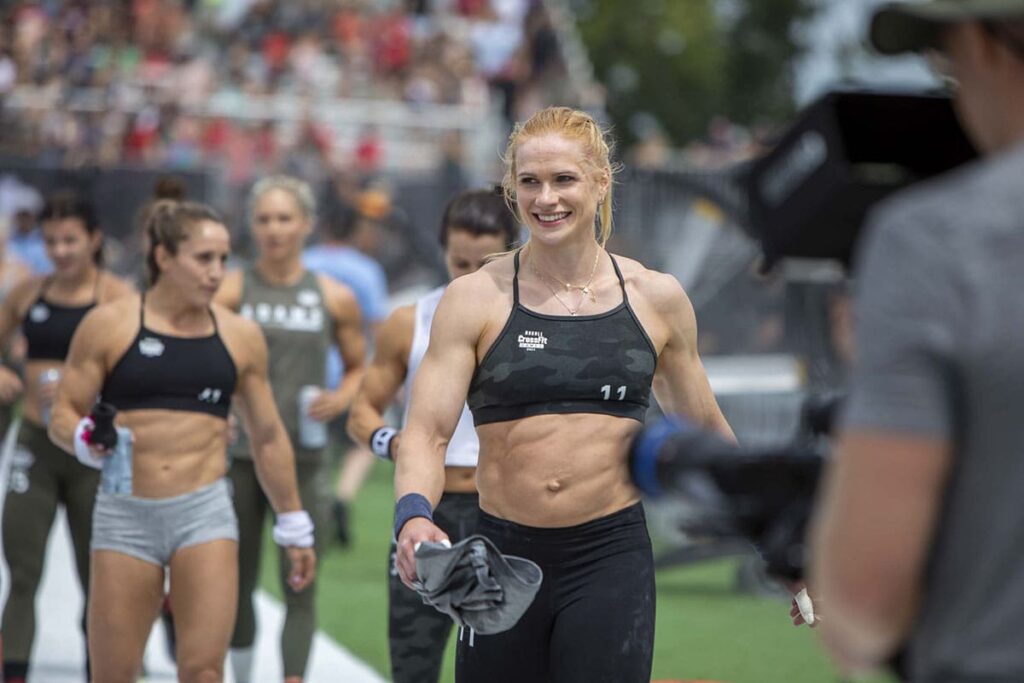
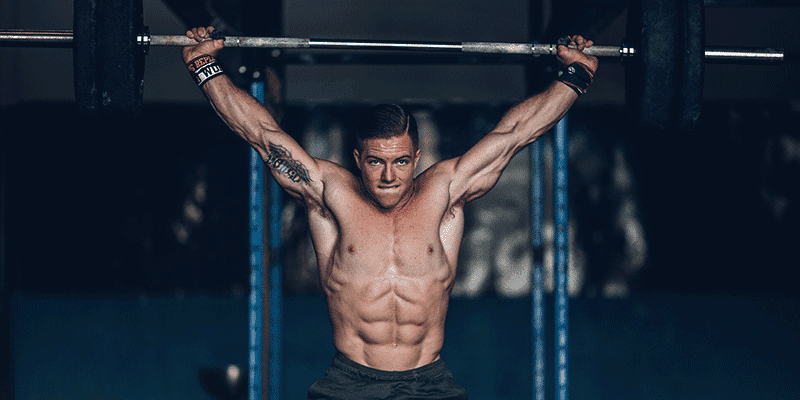
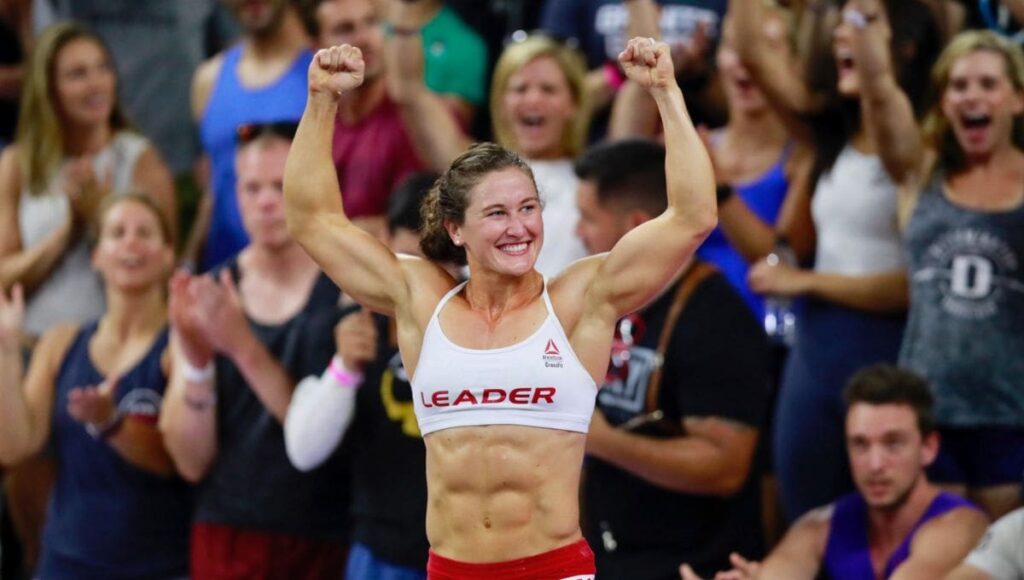
A strong and defined core is the hallmark of physical fitness. Beyond aesthetics, a well-developed core supports overall athleticism, improves posture, and reduces the risk of injury. In this article, we’ll explore the ten best exercises for building a ripped six-pack, backed by scientific evidence.
These exercises target the rectus abdominis, obliques, and deeper core muscles, ensuring balanced strength and visible results.


Why Core Training is Essential
Core training enhances stability, power, and functional fitness. The core is not just the rectus abdominis; it includes the obliques, transverse abdominis, and erector spinae, all of which contribute to overall strength and stability (Kibler et al., 2006).
A well-trained core is crucial for optimising athletic performance and preventing injuries, especially in compound lifts and dynamic sports movements.
The 10 Best Core Exercises for a Ripped Six-Pack
1. Hanging Leg Raises
Hanging leg raises are a powerful exercise for targeting the lower abs. The movement engages the rectus abdominis and hip flexors while improving grip strength. Research has shown that hanging leg raises activate the lower abdominal muscles more effectively than many other core exercises (Escamilla et al., 2010).
How to Perform:
- Hang from a pull-up bar with an overhand grip.
- Keep your legs straight and lift them until they’re parallel to the ground.
- Lower your legs in a controlled manner without swinging.
Reps and Sets: 3 sets of 12–15 repetitions.
2. Plank Variations
Planks are a staple for core stability. The basic plank strengthens the transverse abdominis and rectus abdominis. Adding variations, such as side planks or plank shoulder taps, can increase oblique activation and overall core engagement (Cortell-Tormo et al., 2017).
How to Perform:
- Start in a forearm plank position with your body in a straight line.
- For side planks, rotate onto one forearm with the opposite hand extended towards the ceiling.
- Hold for 30–60 seconds, maintaining proper alignment.
Reps and Sets: 3 sets of 30–60 seconds per side.
3. Ab Wheel Rollouts
Ab wheel rollouts are one of the most effective exercises for training the rectus abdominis and transverse abdominis. A study by Schoenfeld et al. (2014) demonstrated the ab wheel’s superior core muscle activation compared to traditional crunches.
How to Perform:
- Kneel on the floor with an ab wheel in your hands.
- Slowly roll forward, extending your body while keeping your core engaged.
- Pull back to the starting position without arching your lower back.
Reps and Sets: 3 sets of 10–12 repetitions.
4. Bicycle Crunches
Bicycle crunches are excellent for activating both the rectus abdominis and obliques. They have been ranked among the top exercises for abdominal muscle activation in electromyographic (EMG) studies (Escamilla et al., 2010).
How to Perform:
- Lie on your back with your hands behind your head.
- Lift your legs and torso, bringing your left elbow towards your right knee.
- Alternate sides in a pedalling motion.
Reps and Sets: 3 sets of 15–20 repetitions per side.
5. Cable Woodchoppers
Cable woodchoppers target the obliques and improve rotational strength, making them ideal for athletes who perform twisting movements. A study by Lehman et al. (2006) found that rotational core exercises like woodchoppers significantly enhance functional strength.
How to Perform:
- Set a cable machine to shoulder height.
- Stand sideways and grasp the handle with both hands.
- Rotate your torso while pulling the cable across your body.
- Return to the starting position in a controlled manner.
Reps and Sets: 3 sets of 12–15 repetitions per side.
6. V-Ups
V-ups engage the entire rectus abdominis and require balance and coordination. This exercise is particularly effective for the upper and lower abdominal regions.
How to Perform:
- Lie flat on the floor with your arms extended overhead.
- Simultaneously lift your arms and legs, reaching for your toes.
- Lower your body back to the starting position without touching the floor.
Reps and Sets: 3 sets of 12–15 repetitions.
7. Russian Twists
Russian twists are excellent for developing oblique strength and improving rotational core stability. Adding weight increases the difficulty and effectiveness of the exercise.
How to Perform:
- Sit on the floor with your knees bent and feet slightly elevated.
- Hold a weight plate or medicine ball with both hands.
- Rotate your torso side to side, touching the weight to the floor.
Reps and Sets: 3 sets of 20 repetitions (10 per side).
8. Mountain Climbers
Mountain climbers are a dynamic exercise that combines core engagement with cardiovascular conditioning. This movement targets the rectus abdominis, obliques, and hip flexors.
How to Perform:
- Start in a high plank position.
- Drive one knee towards your chest while keeping the other leg extended.
- Alternate legs rapidly in a running motion.
Reps and Sets: 3 sets of 30–60 seconds.
9. Dead Bug
The dead bug is a beginner-friendly exercise that enhances core stability and coordination. Studies suggest it’s an effective way to activate the transverse abdominis and protect the lower back (Lederman, 2010).
How to Perform:
- Lie on your back with your arms and legs extended towards the ceiling.
- Lower your right arm and left leg simultaneously while keeping your core engaged.
- Return to the starting position and alternate sides.
Reps and Sets: 3 sets of 12–15 repetitions per side.
10. Reverse Crunches
Reverse crunches isolate the lower abdominal muscles and reduce strain on the neck and upper body. Research supports their effectiveness in targeting the lower rectus abdominis (Schoenfeld et al., 2014).
How to Perform:
- Lie on your back with your hands by your sides.
- Lift your legs, bending your knees at 90 degrees.
- Curl your hips off the ground and towards your chest.
- Lower back to the starting position in a controlled manner.
Reps and Sets: 3 sets of 12–15 repetitions.
Key Considerations for Core Training
Consistency and proper form are essential for developing a six-pack. Avoid overtraining by allowing adequate recovery and incorporating progressive overload into your routine. Nutrition also plays a critical role, as visible abs require a low body fat percentage.
Key Takeaways
| Key Takeaway | Details |
|---|---|
| Importance of Core Training | Core exercises improve stability, posture, and athletic performance. |
| Best Exercise for Lower Abs | Hanging leg raises are the most effective for targeting the lower abdominal muscles. |
| Best All-Round Exercise | Ab wheel rollouts provide comprehensive core activation. |
| Oblique Strength | Cable woodchoppers and Russian twists effectively target the obliques. |
| Form and Consistency | Proper form and consistency are vital for achieving a ripped six-pack. |
Bibliography
Cortell-Tormo, J.M., García-Jaén, M., Chulvi-Medrano, I., 2017. Core muscle activity during different variations of the plank exercise. Physiotherapy Theory and Practice, 33(11), pp.1-7.
Escamilla, R.F., Babb, E., DeWitt, R., 2010. Electromyographic analysis of traditional abdominal exercises and their modifications. Journal of Orthopaedic & Sports Physical Therapy, 40(1), pp.10-18.
Kibler, W.B., Press, J., Sciascia, A., 2006. The role of core stability in athletic function. Sports Medicine, 36(3), pp.189-198.
Lederman, E., 2010. The myth of core stability. Journal of Bodywork and Movement Therapies, 14(1), pp.84-90.
Schoenfeld, B.J., Contreras, B., Vigotsky, A., 2014. Muscle activation during core stability exercises. Journal of Strength and Conditioning Research, 28(7), pp.2008-2015.