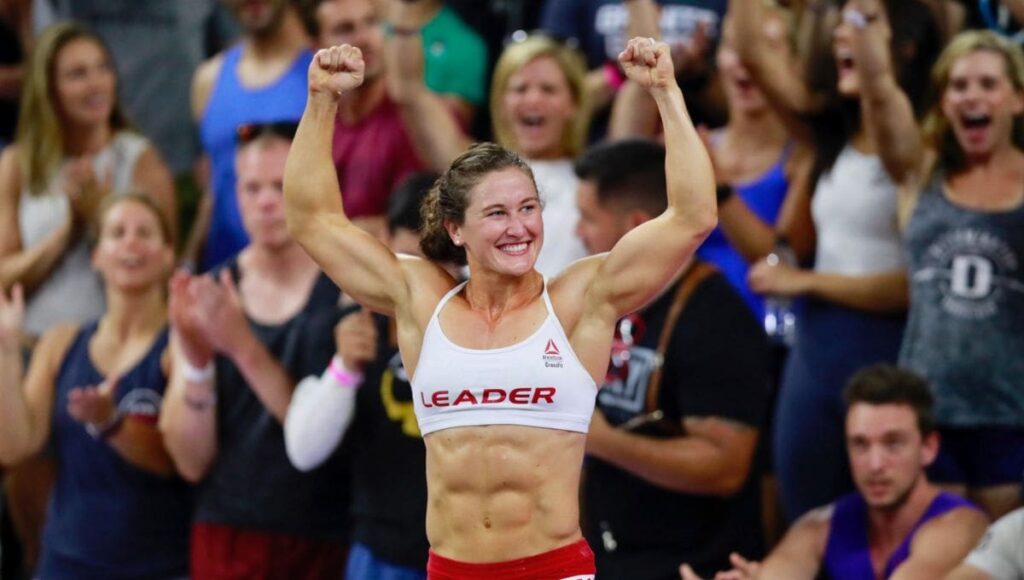
Achieving a visible six-pack requires more than just ab workouts; it demands a disciplined approach to nutrition. The foods you consume significantly influence your ability to lose body fat and reveal those defined abdominal muscles.
Certain foods can sabotage your efforts by promoting fat storage, increasing water retention, or disrupting metabolic processes. This article highlights five foods to avoid and explains the science behind why they hinder six-pack visibility.


Understanding the Science of Fat Loss
To reveal your six-pack, you need to reduce overall body fat. This requires a caloric deficit, which involves burning more calories than you consume.
However, not all calories are equal. Foods high in added sugars, refined carbohydrates, and unhealthy fats can disrupt metabolic function, increase fat storage, and impair insulin sensitivity, making it harder to achieve a lean physique. By understanding the impact of specific food groups, you can make informed choices to optimise your diet.
1. Sugary Beverages
Sugary drinks like sodas, energy drinks, and sweetened teas are among the leading culprits in hiding your abs. These drinks are calorie-dense but provide no satiety, often leading to overconsumption. Additionally, their high fructose content can contribute to visceral fat accumulation around the abdomen.

A 2010 study published in The Journal of Clinical Investigation found that high fructose consumption increases lipogenesis (fat production) and insulin resistance, particularly in the abdominal area (Stanhope et al., 2010). Moreover, sugary beverages disrupt hunger hormones, making it harder to maintain a caloric deficit.
Alternatives: Replace sugary drinks with water, unsweetened tea, or black coffee. If you crave flavour, infuse water with fruits like lemon or cucumber.
2. Refined Carbohydrates
Refined carbohydrates, including white bread, pasta, and pastries, are stripped of fibre and nutrients, resulting in a high glycaemic index. Foods with a high glycaemic index cause rapid spikes in blood sugar levels, leading to increased insulin secretion. Insulin, often referred to as the “fat-storage hormone,” can promote fat accumulation when consistently elevated.

A study in The American Journal of Clinical Nutrition demonstrated that diets high in refined carbs are associated with increased abdominal fat, whereas diets rich in whole grains are linked to lower central adiposity (McKeown et al., 2004).
Alternatives: Opt for whole-grain or high-fibre options like quinoa, brown rice, or whole-grain bread. These provide sustained energy and improve satiety, aiding in fat loss.
3. Fried Foods
Fried foods, such as chips, fried chicken, and onion rings, are calorie-dense and high in unhealthy trans fats. These fats not only increase the risk of cardiovascular disease but also contribute to insulin resistance and abdominal fat gain. Trans fats have been shown to redistribute fat towards the abdominal area, making them especially problematic for six-pack visibility.
A study published in Obesity found that consuming trans fats leads to greater visceral fat accumulation compared to other fats, even in the absence of weight gain (Kavanagh et al., 2007). Furthermore, fried foods are often coated in refined flours, compounding their negative effects.
Alternatives: Choose baked, grilled, or air-fried versions of your favourite foods. Use healthy fats like olive oil or avocado oil for cooking.
4. Alcohol
Alcohol is a double-edged sword for those aiming to reveal their six-pack. Not only is alcohol calorie-dense, but it also disrupts fat metabolism. When alcohol is consumed, the body prioritises metabolising it over other macronutrients, temporarily halting fat oxidation. This makes it easier for your body to store fat, particularly around the midsection.
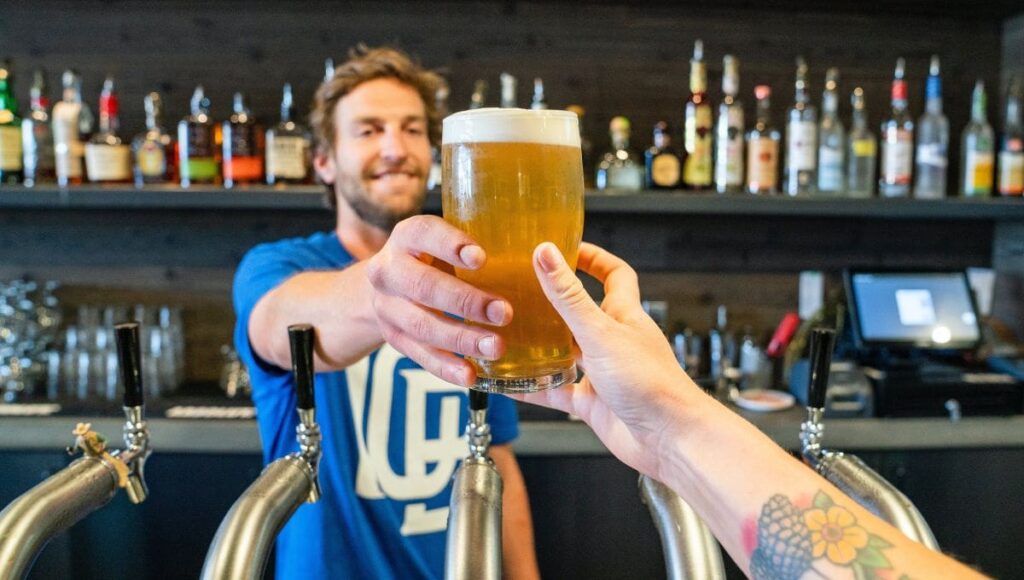
A study in The American Journal of Clinical Nutrition highlighted that alcohol consumption is directly associated with increased waist circumference and visceral fat (Addolorato et al., 2009). Additionally, alcohol can impair judgment, leading to poor dietary choices and overeating.
Alternatives: Limit alcohol intake or choose lower-calorie options such as dry wine or light beer. Ensure moderation and avoid binge drinking.
5. High-Sodium Processed Foods
Processed foods like instant noodles, canned soups, and packaged snacks are often loaded with sodium. Excess sodium intake leads to water retention, giving the appearance of bloating and obscuring muscle definition. While sodium itself doesn’t cause fat gain, its impact on water retention can hide your progress.
A study in Hypertension found that high sodium consumption increases water retention and blood pressure, which can indirectly affect your performance and recovery in training (He et al., 2002). This bloating can make it harder to see definition in your abdominal muscles.
Alternatives: Focus on fresh, whole foods and season meals with herbs and spices instead of salt. Choose low-sodium options when buying processed items.
Additional Tips for Revealing Your Six-Pack
Avoiding these five food categories is only part of the equation. To optimise your progress:
- Prioritise Protein: High-protein diets help preserve muscle mass during fat loss and increase satiety.
- Stay Hydrated: Proper hydration reduces water retention and supports metabolic processes.
- Incorporate Strength Training: Building muscle enhances your resting metabolic rate, promoting fat loss.
- Focus on Whole Foods: Whole, unprocessed foods provide essential nutrients and support overall health.
- Be Patient: Achieving visible abs takes time, consistency, and dedication to both training and nutrition.
Bibliography
- Addolorato, G., Capristo, E., Greco, A. V., Stefanini, G. F. and Gasbarrini, G., 2009. Influence of chronic alcohol abuse on body weight and energy metabolism: Is excess energy stored as fat? The American Journal of Clinical Nutrition, 69(2), pp.373–380.
- He, F. J., Marciniak, M., Visagie, E., Markandu, N. D., Anand, V., Dalton, R. N., and MacGregor, G. A., 2002. Effect of modest salt reduction on blood pressure, urinary albumin, and pulse wave velocity in white, black, and Asian mild hypertensives. Hypertension, 38(2), pp.128–133.
- Kavanagh, K., Jones, K. L., Sawyer, J., Kelley, K., Carr, J. J., Wagner, J. D., and Rudel, L. L., 2007. Trans fat diet induces abdominal obesity and changes in insulin sensitivity in monkeys. Obesity, 15(7), pp.1675–1684.
- McKeown, N. M., Meigs, J. B., Liu, S., Wilson, P. W., and Jacques, P. F., 2004. Whole-grain intake is favourably associated with metabolic risk factors for type 2 diabetes and cardiovascular disease in the Framingham Offspring Study. The American Journal of Clinical Nutrition, 76(2), pp.390–398.
- Stanhope, K. L., Schwarz, J. M., Keim, N. L., Griffen, S. C., Bremer, A. A., Graham, J. L., and Havel, P. J., 2010. Consuming fructose-sweetened, not glucose-sweetened, beverages increases visceral adiposity and lipids and decreases insulin sensitivity in overweight/obese humans. The Journal of Clinical Investigation, 119(5), pp.1322–1334.
Key Takeaways
| Key Takeaway | Details |
|---|---|
| Avoid Sugary Beverages | High in fructose; linked to visceral fat and insulin resistance. |
| Avoid Refined Carbohydrates | Promote fat storage due to high glycaemic index. Opt for whole grains instead. |
| Avoid Fried Foods | High in trans fats; increase abdominal fat and insulin resistance. |
| Avoid Alcohol | Calorie-dense and disrupts fat metabolism, leading to fat storage. |
| Avoid High-Sodium Processed Foods | Cause water retention and bloating, obscuring muscle definition. |