Exercising during pregnancy can be one of the best things you do for yourself and your baby. Not only does it improve mood and sleep, but it also prepares your body for labour and speeds up recovery after birth. However, it’s important to approach pregnancy workouts with care and the right information to ensure safety. This guide will walk you through the benefits, the safest exercises, and what to avoid while keeping you and your little one healthy and strong.
Benefits of Exercise During Pregnancy
Staying active while pregnant is not only safe for most women but also offers numerous advantages:


- Improves mood and energy levels. Exercise releases endorphins, which combat fatigue and pregnancy-related mood swings.
- Reduces pregnancy discomfort. Regular movement can alleviate back pain, constipation, bloating, and swelling.
- Promotes better sleep. Exercise helps you fall asleep faster and improves sleep quality.
- Prepares the body for labour. Strong muscles and endurance aid in delivery, reducing labour complications.
- Speeds up postpartum recovery. Staying fit during pregnancy makes bouncing back easier after giving birth.
- Lowers risk of pregnancy complications. Regular exercise reduces the risk of gestational diabetes, pre-eclampsia, and excessive weight gain.

Supporting Evidence
A 2020 review published in Sports Medicine confirmed that moderate exercise during pregnancy improves maternal health outcomes and reduces the risk of complications. Moreover, a 2017 study in Obstetrics & Gynecology found a link between physical activity and shorter labour duration.
Best Types of Exercise for Pregnancy
The best exercises during pregnancy are those that keep you fit without overstressing your body or putting your baby at risk. These activities should promote flexibility, strength, and endurance while being gentle on your joints and adapting to your growing bump.
1. Walking: A Simple Yet Effective Choice
Walking is a low-impact, accessible activity for nearly everyone. It improves cardiovascular health, promotes circulation, and keeps your muscles active without requiring specialised equipment.
- Why It Works: Walking helps reduce swelling, improve mood, and keep you energised.
- Tips for Success:
- Walk on flat, even surfaces to avoid tripping.
- Wear supportive shoes with good arch support.
- If weather permits, enjoy a brisk walk outdoors for added mood-boosting benefits.
2. Swimming and Water-Based Exercises
Water provides natural resistance, allowing you to build strength while being gentle on your joints. The buoyancy of water also alleviates the added weight of pregnancy, reducing strain on your back and hips.
- Ideal Activities: Aqua aerobics, swimming laps, or gentle stretching in water.
- Benefits: Water cools your body, reducing the risk of overheating, and helps with swelling.
- Safety Tips:
- Avoid diving or jumping into water.
- Ensure pool hygiene to prevent infections.
3. Prenatal Yoga for Flexibility and Relaxation
Prenatal yoga combines gentle movement with mindfulness, making it an excellent choice for both physical and mental well-being. It’s particularly beneficial for stretching tight muscles and strengthening the pelvic floor.
- Advantages: Improves posture, reduces back pain, and teaches breathing techniques helpful during labour.
- Modifications:
- Avoid deep twists, inversions, and poses requiring extended balance.
- Use props like bolsters or blocks to support your body in poses.
4. Strength Training: Building Supportive Muscles

Light strength training helps tone muscles, which can support your body as it carries extra weight. Strong muscles also contribute to stability, reducing the risk of falls.
- What to Include: Focus on upper body, lower body, and core-strengthening exercises using light weights or resistance bands.
- Dos and Don’ts:
- Stick to weights you can comfortably lift for 10–15 repetitions without straining.
- Avoid any exercises requiring you to hold your breath or engage in forceful abdominal contractions.
5. Stationary Cycling or Elliptical Training
These cardio options are perfect for those who want to maintain cardiovascular fitness without the risk of falling. They allow you to control your intensity level and adjust settings as needed.
- Why It’s Great: Cycling works your legs and strengthens your cardiovascular system, while ellipticals reduce joint impact.
- Key Considerations:
- Ensure proper seat adjustment to avoid straining your hips or knees.
- Monitor your heart rate to stay within a moderate range.
Exercises to Avoid During Pregnancy
Some activities pose risks to you or your baby and should be avoided:
- High-impact sports. Activities like skiing, horse riding, or contact sports risk falls and abdominal trauma.
- Exercises involving lying on your back. After the first trimester, this position can compress the vena cava, reducing blood flow to your baby.
- Heavy lifting. Overexerting your abdominal muscles increases the risk of diastasis recti.
- Hot yoga or pilates. Overheating can be dangerous during pregnancy.
- Scuba diving. This activity risks decompression sickness for your baby.
How to Get Back to Exercising Post Pregnancy
Guidelines for Safe Exercise While Pregnant
Exercising during pregnancy requires an understanding of your body’s changing needs. While staying active is highly beneficial, following these guidelines ensures you’re working out safely and effectively.
1. Consult Your Doctor or Midwife First

Pregnancy-related conditions such as placenta previa, cervical insufficiency, or pre-eclampsia might make certain exercises unsafe. Always discuss your plans with your healthcare provider, especially if you have a high-risk pregnancy.
2. Understand Your Limits
Pregnancy isn’t the time to push for personal records or start an intense new fitness regime. Instead, focus on maintaining your current fitness level or gently building strength and endurance.
- Avoid exercises that leave you breathless or fatigued.
- Use the “talk test”: If you can hold a conversation comfortably, you’re likely at the right intensity.
3. Hydration Is Key
Pregnant women are more prone to dehydration, which can lead to overheating and other complications.
- What to Do: Drink water before, during, and after your workout.
- Signs of Dehydration: Dizziness, dry mouth, or dark-coloured urine.
4. Prioritise Cooling and Ventilation
Overheating can be dangerous for your baby, especially during the first trimester when vital organs are developing.
- Exercise in a well-ventilated or air-conditioned space.
- Avoid activities in hot or humid conditions.
5. Invest in Proper Gear
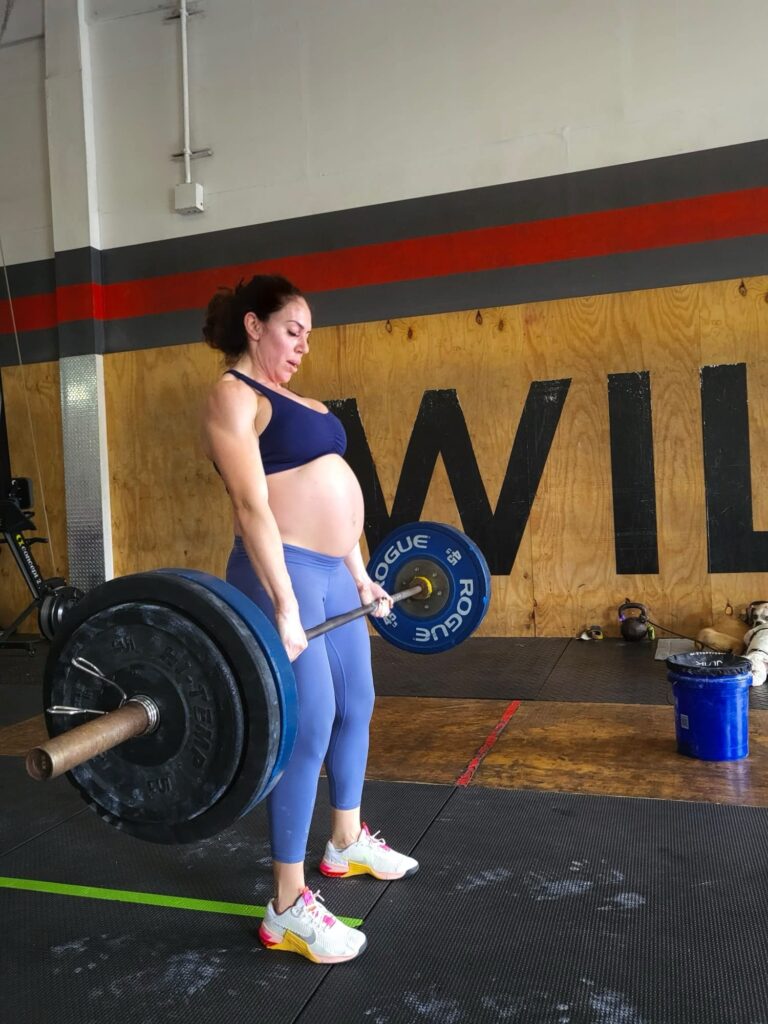
Supportive workout clothing and shoes are essential for comfort and safety.
- Maternity sports bras prevent discomfort caused by breast tenderness.
- Shoes with strong arch support reduce stress on your joints.
6. Warm Up and Cool Down Properly
Skipping warm-ups increases the risk of injury, while cooling down helps regulate your heart rate and prevent stiffness.
- Spend 5–10 minutes on gentle movements or stretches before and after exercising.
- Focus on dynamic stretches during warm-ups and static ones during cool-downs.
Signs to Stop Exercising
Stop exercising immediately and contact your healthcare provider if you experience:
- Vaginal bleeding or fluid leakage.
- Dizziness or fainting.
- Chest pain.
- Uterine contractions that persist after rest.
- Decreased foetal movement.
- Severe headache or muscle weakness.
Customising Exercise for Each Trimester
As your pregnancy progresses, your body undergoes significant changes. Tailoring your workout routine to each trimester can help you stay comfortable and safe while still reaping the benefits of exercise.
First Trimester (Weeks 1–12): Building the Habit
The first trimester often comes with fatigue and nausea, so focus on consistency rather than intensity.
- Recommended Activities: Walking, light yoga, swimming, and low-impact aerobics.
- Key Adjustments:
- Avoid high-impact activities that cause strain or jarring movements.
- Focus on building a sustainable habit rather than aiming for major fitness goals.
Second Trimester (Weeks 13–27): Strengthening and Endurance
The second trimester is often referred to as the “honeymoon phase” of pregnancy due to increased energy levels. Take advantage of this time to strengthen your muscles and build endurance.
- What Works Best: Prenatal yoga, swimming, stationary cycling, and strength training.
- Things to Consider:
- Avoid lying flat on your back, as this can restrict blood flow.
- Pay attention to your growing bump and avoid exercises requiring excessive twisting.
Third Trimester (Weeks 28–40): Comfort and Preparation
As your belly grows, balance and energy may decline. Focus on gentle exercises that prepare your body for labour and relieve discomfort.
- Best Choices: Walking, swimming, pelvic floor exercises, and seated strength work.
- Modifications:
- Avoid exercises requiring prolonged standing, as these can cause dizziness.
- Stick to slow, controlled movements to maintain balance and reduce the risk of injury.

Post-Exercise Care for Pregnant Women
Proper recovery after a workout ensures your body benefits fully from the exercise while avoiding undue stress.
Stretching and Mobility Work
Stretching after a workout prevents muscle tightness and improves flexibility.
- Focus on stretches for your back, hips, and hamstrings, which often become tight during pregnancy.
- Gentle mobility exercises, like rolling your shoulders or twisting your torso lightly, can relieve stiffness.
Stay Hydrated and Refuel
Replenish fluids and nutrients to aid recovery and energy levels.
- Opt for water, coconut water, or pregnancy-safe electrolyte drinks.
- Snack on nutrient-rich options like bananas, yoghurt, or a handful of almonds.
Monitor Weight Gain and Fatigue
Exercise helps manage healthy weight gain during pregnancy, but overdoing it can lead to exhaustion.
- Rest when needed and avoid scheduling workouts too close to bedtime.
- If you feel unusually tired, adjust your intensity or duration for the next session.
Pay Attention to Recovery Signs
Post-exercise, your body should feel energised, not strained. Watch for any unusual symptoms such as cramping, excessive soreness, or spotting, and report these to your healthcare provider.
Conclusion
Exercising while pregnant is one of the most beneficial steps you can take for a healthy pregnancy and delivery. By choosing the right activities, listening to your body, and following expert advice, you can stay fit and energised throughout your journey. Always prioritise safety, and remember that every pregnancy is different, so tailor your routine to your individual needs.
Key Takeaways
| Topic | Details |
|---|---|
| Benefits of exercise | Improves mood, energy, sleep, and reduces pregnancy discomfort. |
| Best exercises | Walking, swimming, prenatal yoga, light strength training, stationary cycling. |
| Avoid | High-impact sports, lying on your back, heavy lifting, hot yoga, scuba diving. |
| Safety tips | Consult your doctor, stay hydrated, avoid overheating, warm up and cool down. |
| Signs to stop | Vaginal bleeding, dizziness, chest pain, reduced foetal movement. |
| Trimester adjustments | Gradually modify intensity and type of exercise as pregnancy progresses. |
References
- ACOG (2020). “Physical Activity and Exercise During Pregnancy and the Postpartum Period.” Obstetrics & Gynecology, 135(4), pp. 991–993.
- Evenson, K. R., et al. (2014). “Guidelines for Physical Activity During Pregnancy.” Journal of Pregnancy, 2014, Article ID 437203.
- Mottola, M. F., & Artal, R. (2016). “Fetal and Maternal Benefits of Physical Activity During Pregnancy.” Current Sports Medicine Reports, 15(6), pp. 385–390.