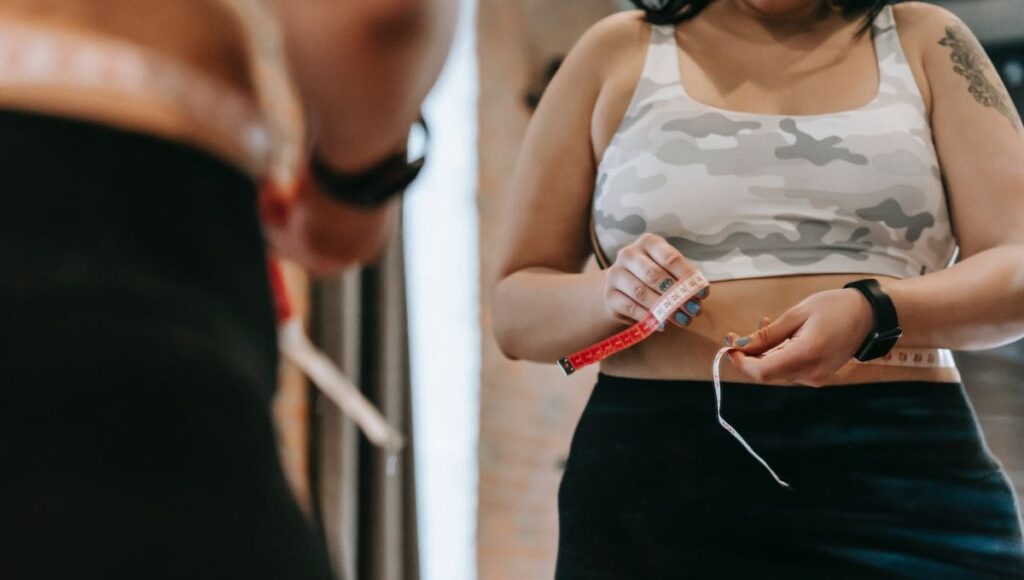
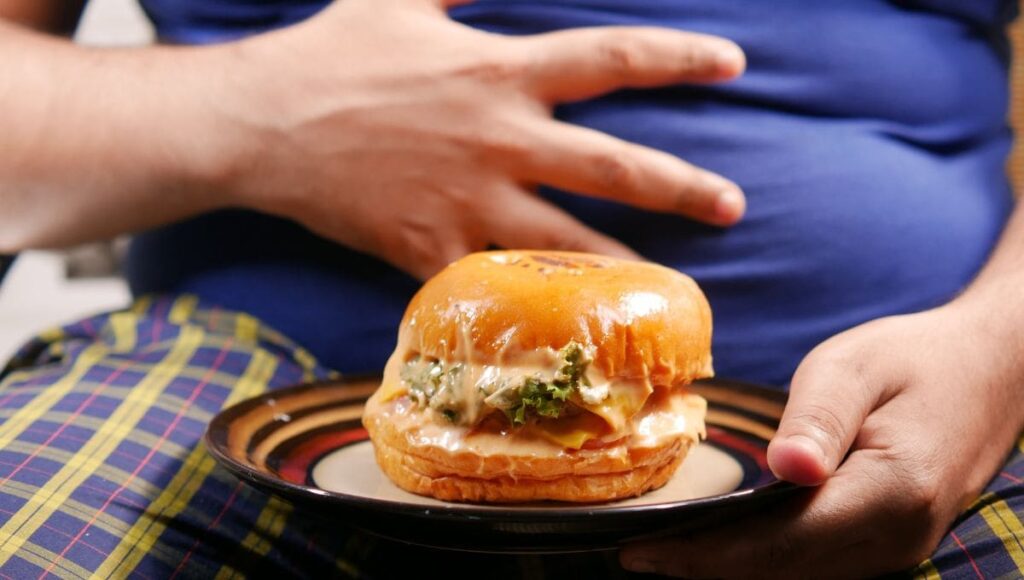
Weight loss is often seen as a simple equation: eat less, move more. While diet and exercise undeniably play a big role, they’re not the whole story. Hidden influencers like sleep quality, gut health, and stress levels can significantly affect your ability to shed those extra pounds.
Let’s dive into these lesser-known factors and uncover the science behind how they impact weight loss.


1. The Sleep-Weight Connection: Rest to Lose
Sleep isn’t just a way to recharge after a long day—it’s a powerful tool for weight management. Unfortunately, in today’s fast-paced world, sleep is often sacrificed in favour of work, socialising, or screen time. Yet, poor sleep can derail your weight loss in multiple ways.
How Sleep Impacts Weight

Hormonal Imbalance
When you don’t get enough sleep, the delicate balance of hunger-regulating hormones is disrupted. Leptin, the hormone that signals fullness to your brain, decreases, while ghrelin, the hormone that triggers hunger, spikes. This hormonal seesaw leaves you craving high-calorie, comfort foods, making it harder to stick to a healthy diet.
A study published in Public Health Nutrition found that individuals who slept less than six hours a night consumed significantly more calories from snacks than those who slept seven or more hours.
Increased Cortisol Levels
Sleep deprivation activates your body’s stress response, raising cortisol levels. High cortisol doesn’t just increase fat storage; it specifically targets visceral fat, the dangerous kind that surrounds vital organs and raises your risk for heart disease and diabetes.
Impaired Metabolism
Even if you’re sticking to a calorie deficit, poor sleep can slow your metabolism. Research in Annals of Internal Medicine revealed that individuals who were sleep-deprived lost more muscle mass and less fat compared to those who got adequate sleep, even when both groups followed the same diet.
Tips for Better Sleep
- Stick to a Sleep Schedule: Go to bed and wake up at the same time every day, even on weekends. Consistency reinforces your body’s natural circadian rhythm.
- Limit Screen Time: Avoid phones, tablets, or computers an hour before bed. The blue light emitted by these devices suppresses melatonin production, making it harder to fall asleep.
- Create a Sleep Sanctuary: Keep your bedroom dark, quiet, and cool. Invest in blackout curtains and consider a white noise machine if you’re a light sleeper.
Improving your sleep quality isn’t just about feeling refreshed—it’s about setting your body up for weight-loss success.
2. Gut Health: The Hidden Ally in Weight Loss
Your gut is home to trillions of microorganisms that play a significant role in your overall health, including your ability to lose weight. This ecosystem, known as the gut microbiome, influences how your body digests food, absorbs nutrients, and stores fat.
The Role of Gut Bacteria

Calorie Absorption
Not all calories are equal, thanks to gut bacteria. Some species of gut bacteria are incredibly efficient at extracting calories from food, meaning you might absorb more calories than someone with a different gut composition, even if you’re eating the same meals.
Cravings and Appetite
The gut-brain axis is a communication highway between your gut and brain. Your gut bacteria produce neurotransmitters like serotonin, which influence mood and cravings. An imbalance in gut bacteria can lead to stronger cravings for sugary or fatty foods, making it harder to resist unhealthy choices.
Inflammation
An unhealthy gut microbiome can lead to chronic, low-grade inflammation, which has been linked to obesity. Inflammatory markers interfere with insulin signalling, making it harder for your body to regulate blood sugar and fat storage.
9 Foods that Repair Gut Health
Supporting Gut Health
Eat Fibre-Rich Foods
Fibre acts as food for beneficial gut bacteria. Include plenty of vegetables, fruits, whole grains, and legumes in your diet. Foods like asparagus, garlic, and bananas are particularly rich in prebiotic fibres.
Incorporate Fermented Foods
Fermented foods like yoghurt, kimchi, sauerkraut, and kefir are rich in probiotics, which help maintain a healthy gut microbiome.
Limit Processed Foods and Antibiotics
Processed foods often contain artificial additives that can harm gut bacteria. Similarly, overusing antibiotics can wipe out beneficial bacteria along with harmful ones, disrupting the balance of your microbiome.
Supporting Research
A groundbreaking study in Nature compared the gut microbiomes of obese and lean individuals. Researchers found that obese participants had less diverse gut bacteria, highlighting the importance of a varied microbiome for weight management.
By improving your gut health, you’re not just enhancing digestion—you’re giving yourself a secret weapon in the battle against weight gain.
3. Stress: The Silent Weight-Loss Saboteur
Stress isn’t just an emotional state; it’s a physiological response that can wreak havoc on your weight-loss journey. Chronic stress often goes unnoticed but can have profound effects on your metabolism, appetite, and even your motivation to exercise.
How Stress Affects Weight
Cortisol and Fat Storage
When you’re stressed, your body releases cortisol as part of its “fight or flight” response. Elevated cortisol levels signal your body to store energy as fat, especially in the abdominal region. This was a survival mechanism for our ancestors, but in today’s world, it’s more likely to lead to stubborn belly fat.
Emotional Eating
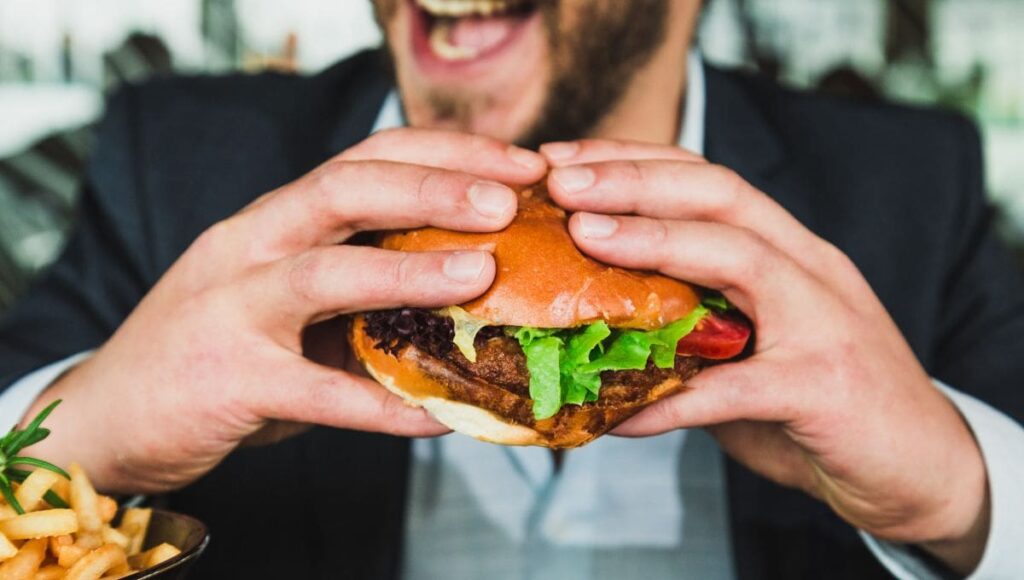
Stress can trigger emotional eating, where you turn to food for comfort. These foods are often calorie-dense and nutrient-poor, exacerbating weight gain. A study in Appetite found that people under stress consumed more high-fat and high-sugar foods than those in a relaxed state.
How Stress Can Impact Muscle Growth
Disrupted Sleep
Stress and sleep often go hand in hand. If you’re stressed, you might find it harder to fall asleep or stay asleep, creating a vicious cycle where stress leads to poor sleep, and poor sleep leads to more stress.
Reducing Stress for Better Results
Practise Mindfulness
Mindfulness practices like meditation, deep breathing, or yoga can help lower cortisol levels and reduce stress. Even five minutes a day can make a noticeable difference.
Stay Active
Exercise isn’t just good for burning calories; it’s also a powerful stress reliever. Activities like walking, swimming, or dancing release endorphins, the body’s natural “feel-good” chemicals.
Build a Support Network
Spending time with friends, family, or support groups can improve emotional resilience. Talking through your worries or sharing a laugh can do wonders for stress management.
By managing your stress, you’ll not only improve your mental well-being but also create a more supportive environment for achieving your weight-loss goals.
3 Breathing Techniques to Help You Relax When You Feel Super Stressed
Conclusion
Weight loss isn’t as straightforward as eating less and exercising more. Factors like sleep, gut health, and stress all play vital roles in how your body responds to weight-loss efforts. By improving these areas, you can create a more supportive environment for achieving and maintaining your weight-loss goals.
Key Takeaways
| Factor | Impact on Weight Loss | Actionable Steps |
|---|---|---|
| Sleep | Affects hunger hormones, metabolism, and fat storage. | Stick to a consistent sleep schedule, limit blue light exposure, create a bedtime routine. |
| Gut Health | Impacts calorie absorption, cravings, and inflammation. | Eat fibre-rich foods, consume probiotics, and limit antibiotic use. |
| Stress | Increases cortisol, emotional eating, and disrupts sleep. | Practise mindfulness, stay active, and nurture social connections. |
Bibliography
- Spiegel, K., Leproult, R., & Van Cauter, E. (2004). Impact of sleep debt on metabolic and endocrine function. The Lancet, 354(9188), 1435-1439.
- Turnbaugh, P. J., et al. (2009). A core gut microbiome in obese and lean twins. Nature, 457(7228), 480-484.
- Adam, T. C., & Epel, E. S. (2007). Stress, eating and the reward system. Physiology & Behaviour, 91(4), 449-458.
By focusing on these three often-overlooked factors, you’ll give yourself a better chance at lasting, sustainable weight loss. Who knew your gut, sleep, and stress had so much say in your weight-loss journey? Now you do!