When it comes to building impressive arms, biceps often take centre stage. They’re the muscles that stand out the most when you flex and are a benchmark of strength for many fitness enthusiasts. However, achieving rapid and significant biceps muscle growth isn’t just about lifting heavier weights—it’s a combination of technique, consistency, nutrition, and recovery.
In this guide, we’ll delve deep into how to optimise your biceps training and unlock their potential. Whether you’re a gym novice or a seasoned lifter, these strategies will help you reach your goals faster. Let’s dive in!


Anatomy of the Biceps
Understanding the structure of your biceps is key to targeting them effectively.
Key Points:
- The biceps brachii comprises two heads:
- Short head: Found on the inner side of the arm, contributing to the bicep’s width.
- Long head: Positioned on the outer side, responsible for the bicep’s peak.
- Supporting muscles like the brachialis and brachioradialis also play a role in arm aesthetics and strength.
- The biceps are involved in elbow flexion, forearm supination (turning the palm upwards), and shoulder flexion.
Effective Exercises for Biceps Growth
Your choice of exercises can make or break your biceps training routine. Focus on moves that hit both the long and short heads for balanced growth.
Best Biceps Exercises:
- Barbell Curl
- Classic compound movement for overall mass.
- Focuses on both heads but leans more on the short head.
- Use progressive overload to increase size.
- Hammer Curl
- Targets the brachialis for thicker arms.
- Use dumbbells to maintain consistent tension.
- Incline Dumbbell Curl
- Stretches the long head, enhancing the bicep peak.
- Keep elbows locked to avoid momentum.
- Concentration Curl
- Isolates the biceps for maximum engagement.
- Perform slowly for better muscle control.
- Preacher Curl
- Ideal for building the lower part of the biceps.
- Keeps tension on the muscle throughout the movement.
The Best Isolation Exercises for Bigger Biceps
Training Techniques to Maximise Growth
The way you execute exercises significantly impacts your results. Beyond just doing reps, consider the following techniques:

Tips for Better Biceps Training:
- Progressive Overload: Gradually increase the weight you lift or the number of reps performed.
- Time Under Tension (TUT): Slow down your reps to maximise muscle engagement. Aim for 2-3 seconds on both the concentric and eccentric phases.
- Range of Motion: Use a full range of motion to ensure the biceps are worked thoroughly.
- Mind-Muscle Connection: Focus on the biceps during each rep to maximise activation.
- Varied Angles: Adjust grip width or arm position to target different parts of the muscle.
Advanced Techniques:
- Drop Sets: Reduce the weight and continue to failure after your initial set.
- Supersets: Combine two exercises with minimal rest, e.g., barbell curls followed by hammer curls.
- Eccentric Overload: Emphasise the lowering phase of the lift, which is crucial for hypertrophy.
- Isometric Holds: Pause at the peak of the curl to increase intensity.
Nutrition for Biceps Growth
Muscle growth isn’t just about training; nutrition is equally critical. Without proper fuel, your biceps won’t grow.
Macronutrient Essentials:
- Protein:
- Critical for muscle repair and growth.
- Consume 1.6-2.2g of protein per kilogram of body weight daily.
- Sources: Chicken, fish, eggs, lentils, and whey protein.
- Carbohydrates:
- Provides energy for intense workouts.
- Opt for complex carbs like oats, brown rice, and sweet potatoes.
- Fats:
- Supports hormone production, including testosterone.
- Include healthy fats from nuts, seeds, and avocados.

Micronutrients:
- Vitamin D for bone health and muscle function.
- Magnesium to prevent muscle cramps and enhance recovery.
- Zinc for testosterone support.
Hydration:
- Dehydration reduces strength and recovery. Aim for 2-3 litres of water daily.
Recovery and Rest
Muscle growth happens outside the gym, during recovery. Ignoring rest can sabotage your progress.
Recovery Tips:
- Rest Days: Incorporate 1-2 rest days per week to allow muscle repair.
- Sleep: Aim for 7-9 hours of quality sleep to optimise growth hormone levels.
- Stretching and Mobility: Improve flexibility and reduce soreness by stretching post-workout.
- Massage or Foam Rolling: Helps reduce muscle tightness and improve blood flow.
The Only 2 Exercises You Need to Increase Your Biceps
Common Mistakes Hindering Biceps Growth
Are you making these mistakes in your training? Avoiding them can fast-track your progress.

Mistakes to Avoid:
- Neglecting Other Muscle Groups:
- Overtraining biceps can lead to imbalances and injuries.
- Include compound movements like rows and pull-ups for holistic arm development.
- Improper Form:
- Swinging weights or using momentum reduces effectiveness and risks injury.
- Lack of Consistency:
- Sporadic workouts yield minimal results. Stick to a consistent schedule.
- Overtraining:
- Training biceps every day doesn’t allow time for recovery and growth.
The Role of Supplements in Biceps Growth
Supplements aren’t a necessity but can support your goals when used correctly.
Recommended Supplements:
- Whey Protein: Boosts protein intake.
- Creatine Monohydrate: Enhances strength and endurance.
- BCAAs: Reduces muscle soreness and supports recovery.
- Pre-workouts: Improves focus and performance during workouts.
Tailoring Your Biceps Routine to Your Goals
Your approach should depend on your goals—be it size, strength, or definition.
Customisation Tips:
- For Size: Focus on heavy lifting with lower reps (6-8) and progressive overload.
- For Definition: Incorporate higher reps (12-15) and supersets to burn fat and tone.
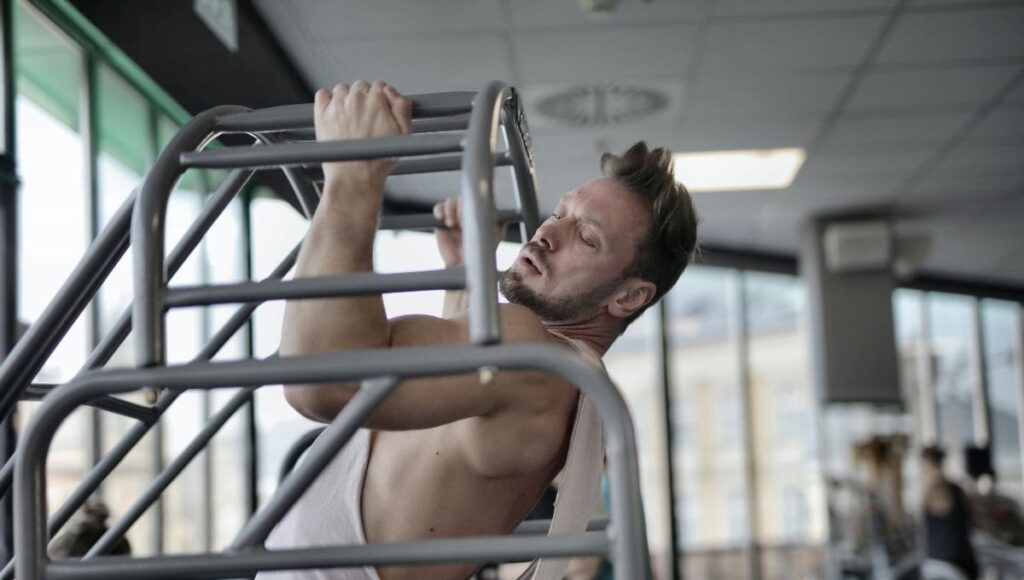
- For Strength: Include functional movements like chin-ups alongside direct biceps work.
Conclusion
Building bigger, stronger biceps takes dedication, consistency, and smart training. By focusing on effective exercises, optimising your technique, fuelling your body with the right nutrition, and allowing adequate recovery, you can accelerate your gains. Avoid common mistakes, experiment with advanced techniques, and track your progress for the best results.
Now it’s time to put this guide into action. Start small, stay consistent, and watch your biceps grow!
Key Takeaways Table
| Key Area | Summary |
|---|---|
| Anatomy | Biceps consist of the short and long heads; both must be targeted. |
| Best Exercises | Barbell curls, hammer curls, incline dumbbell curls, preacher curls. |
| Training Techniques | Use progressive overload, TUT, and varied angles to maximise growth. |
| Nutrition | Focus on protein (1.6-2.2g/kg), carbs for energy, and healthy fats. |
| Recovery | Prioritise sleep, rest days, and post-workout stretching. |
| Mistakes to Avoid | Avoid poor form, overtraining, and neglecting other muscle groups. |
| Supplements | Consider whey protein, creatine, and BCAAs for added support. |
| Customisation | Tailor your routine based on your specific goals (size, strength, tone). |
Bibliography
- Schoenfeld, B. J., (2010). The mechanisms of muscle hypertrophy and their application to resistance training. Journal of Strength and Conditioning Research, 24(10), 2857-2872.
- Morton, R. W., et al., (2018). A systematic review, meta-analysis, and meta-regression of the effect of protein supplementation on resistance training-induced gains in muscle mass and strength. British Journal of Sports Medicine, 52(6), 376-384.
- Phillips, S. M., (2014). A brief review of critical processes in exercise-induced muscular hypertrophy. Sports Medicine, 44(2), 71-77.
- Folland, J. P., & Williams, A. G., (2007). The adaptations to strength training. Sports Medicine, 37(2), 145-168.