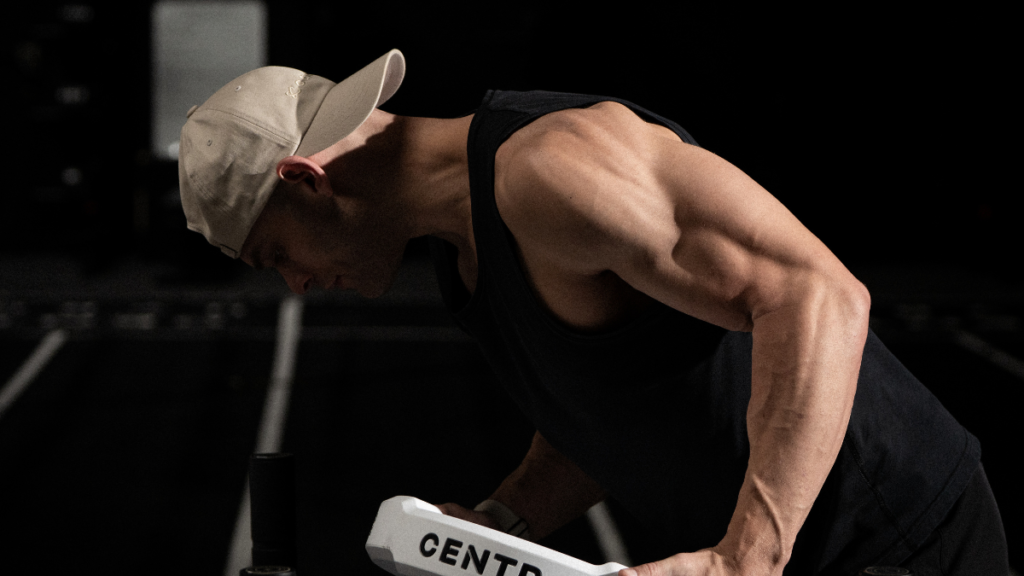
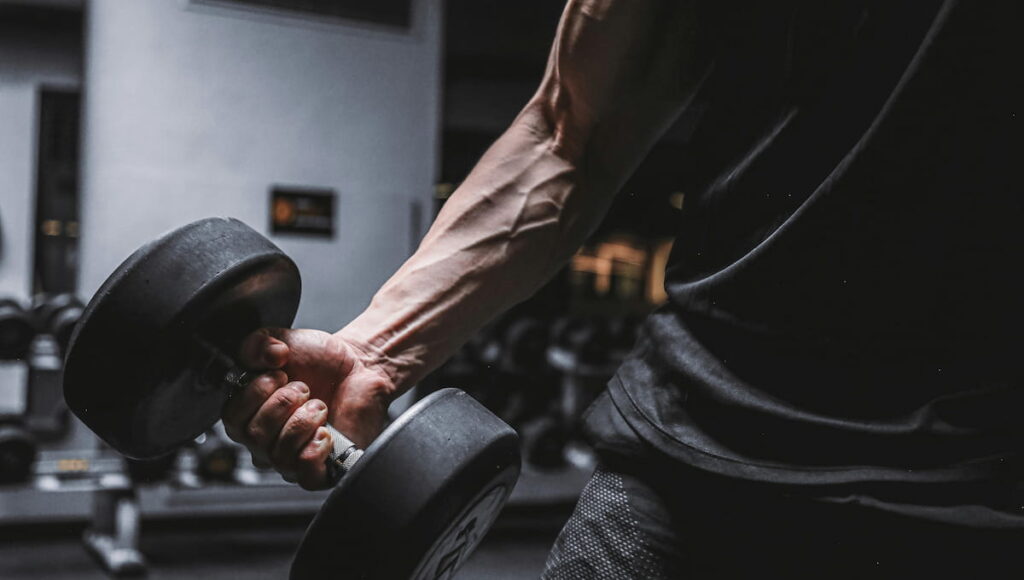
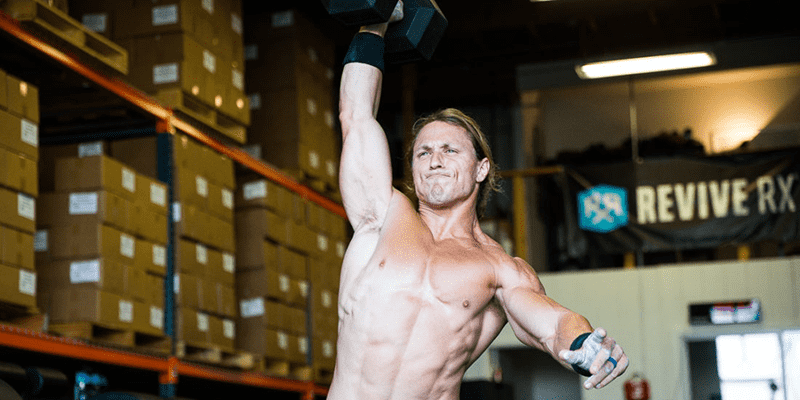
Transforming your body doesn’t require an expensive gym membership or a room full of equipment. All you need is two pairs of dumbbells—one light and one heavier—and a smart workout plan. By strategically using these tools, you can build strength, burn fat, and sculpt a lean, toned physique.
This article will guide you through everything you need to know, from the benefits of dumbbell training to specific exercises and routines for maximum results. Whether you’re a beginner or someone with workout experience, you’ll find practical tips to help you achieve your goals.


Table of Contents
The Benefits of Training with Dumbbells
Dumbbells are a highly effective and versatile tool for full-body workouts. Here’s why:
- Versatility: They can be used for a variety of exercises targeting all muscle groups.
- Improved Balance and Stability: Dumbbells engage stabilising muscles, enhancing functional strength.
- Cost and Space Efficiency: Two pairs of dumbbells are compact and much cheaper than bulky machines.
- Progressive Overload: Using lighter and heavier weights allows for gradual progression in strength and endurance.
Studies show that free-weight exercises, like those using dumbbells, activate more muscle fibres compared to machines (Schwanbeck et al., 2009).
Related: Barbell vs Dumbbell Exercises: Which are Better for Bicep Muscle Growth?
Choosing Your Dumbbells

You’ll need:
- A Light Pair: Suitable for exercises focusing on smaller muscle groups or higher repetitions. Usually between 2–5 kg.
- A Heavy Pair: For larger muscle groups or exercises requiring more strength. Commonly 8–12 kg for most beginners, but adjust based on your level.
Full-Body Dumbbell Workout Routine
This workout focuses on compound and isolation exercises to hit all major muscle groups. Perform 3–4 sessions per week for best results.
Warm-Up (5–10 Minutes)
Dynamic Stretches: Perform movements like leg swings, arm circles, and spinal twists to prepare joints and muscles.
Bodyweight Exercises: Include lunges, squats, and push-ups to raise your heart rate.
Workout Structure
Perform the workout as a circuit (moving between exercises with minimal rest) or in straight sets (completing all sets of one exercise before moving to the next).

- Jumping jacks: 1 minute
- Arm circles: 30 seconds each direction
- Bodyweight squats: 10–15 reps
Workout Plan
1. Lower Body: Squats and Deadlifts
Goblet Squat (Light Pair)
- Focus: Strengthens quads, glutes, and core.
- How-To: Hold one dumbbell at chest level with both hands. Squat down, keeping your chest up and back straight.
- Sets/Reps: 3 x 12–15
2. Romanian Deadlift (Heavy Dumbbells)
- Focus: Targets hamstrings and glutes while improving posture.
- How-To: With dumbbells at your thighs, hinge at your hips and lower them to just below your knees. Keep your back straight throughout.
- Sets/Reps: 3 x 8–10
Upper Body Push: Chest, Shoulders, and Arms
3. Dumbbell Chest Press (Heavy Dumbbells)
- Focus: Builds chest strength and definition.
- How-To: Lie on a bench or floor. Push dumbbells upwards until arms are fully extended. Lower slowly.
- Sets/Reps: 3 x 8–10
4. Lateral Raise (Light Dumbbells)

- Focus: Targets shoulders for width and definition.
- How-To: Raise dumbbells to the side until arms are parallel to the floor. Lower with control.
- Sets/Reps: 3 x 12–15
Upper Body Pull: Back and Biceps
5. Bent-Over Row (Heavy Dumbbells)
- Focus: Builds a strong back and improves posture.
- How-To: Hinge at the hips with dumbbells in hand. Pull them towards your waist, squeezing your shoulder blades together.
- Sets/Reps: 3 x 8–10
6. Renegade Row (Light or Heavy Dumbbells)
- Focus: Combines core and back strength.
- How-To: In a plank position, row one dumbbell towards your waist while stabilising with the other arm. Alternate sides.
- Sets/Reps: 3 x 10 (5 per side)
Related: The Best 8 Dumbbell Exercises to Target EVERY Muscle
Core and Functional Movements
7. Russian Twists (Light Dumbbell)
- Focus: Strengthens obliques and rotational core strength.
- How-To: Sit with knees bent, holding a dumbbell. Twist from side to side, keeping your core engaged.
- Sets/Reps: 3 x 20 twists (10 per side)
8. Suitcase Carry (Heavy Dumbbell)
- Focus: Builds grip strength and core stability.
- How-To: Hold one dumbbell by your side and walk 20 metres. Switch hands and repeat.
- Sets/Distance: 3 x 20 metres per side
Cool-Down (5 Minutes)
Stretch the muscle groups worked:
- Hamstrings: Forward fold stretch
- Quads: Standing quad stretch
- Shoulders: Cross-body stretch
- Back: Child’s pose

This well-rounded workout ensures strength, stability, and functional movement. Combined with progression and additional tips, you’ll achieve a total body transformation with just two pairs of dumbbells.
How to Progress with Two Pairs of Dumbbells
When working with just two pairs of dumbbells, the key to continued progress lies in adapting your approach as your strength and endurance improve. Here are detailed strategies to maximise results:
1. Increase Reps Gradually
If lifting heavier weights isn’t an option, adding more repetitions is an excellent way to challenge your muscles. For instance:
- Start with 8–10 reps for heavy exercises (e.g., deadlifts) and 12–15 for lighter ones (e.g., lateral raises).
- As you build strength, increase your reps to 12–15 for heavy lifts and 15–20 for lighter lifts.
2. Slow Down Your Tempo
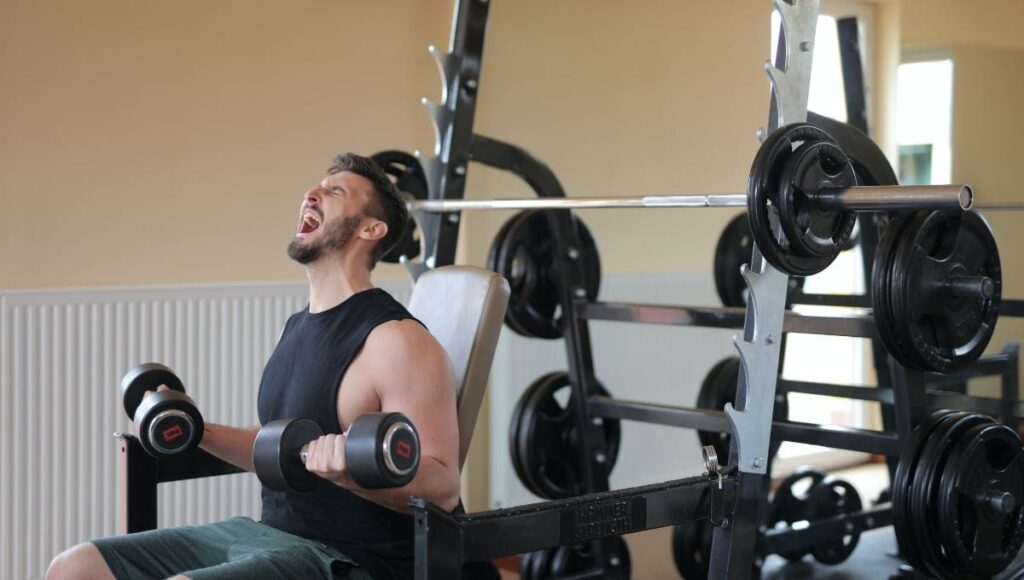
Controlling the speed of your movements increases the time your muscles are under tension, leading to greater strength and hypertrophy. For example:
- Use a 3:1:3 tempo for squats, where you take 3 seconds to lower, pause for 1 second, and take 3 seconds to rise.
- Similarly, in rows or presses, focus on slow, controlled movements, especially during the lowering (eccentric) phase.
3 Best Fat Burning Home Workouts with Dumbbells
3. Add Unilateral Variations
Performing single-limb exercises increases difficulty by engaging stabilising muscles and improving balance. Some great options include:
- Single-Leg Deadlifts: Holding a dumbbell in one hand, hinge at the hips while lifting the opposite leg.
- Single-Arm Rows: Focus on one side at a time, ensuring equal strength development.
- Split Squats: A great alternative to regular squats that challenges one leg at a time.
4. Shorten Rest Periods
Reducing the time between sets increases workout intensity and adds a cardio component. For example:
- Start with 60–90 seconds of rest between heavy sets and 30–60 seconds for lighter exercises.
- Progressively shorten rest times as your endurance improves.
5. Incorporate Supersets and Circuits
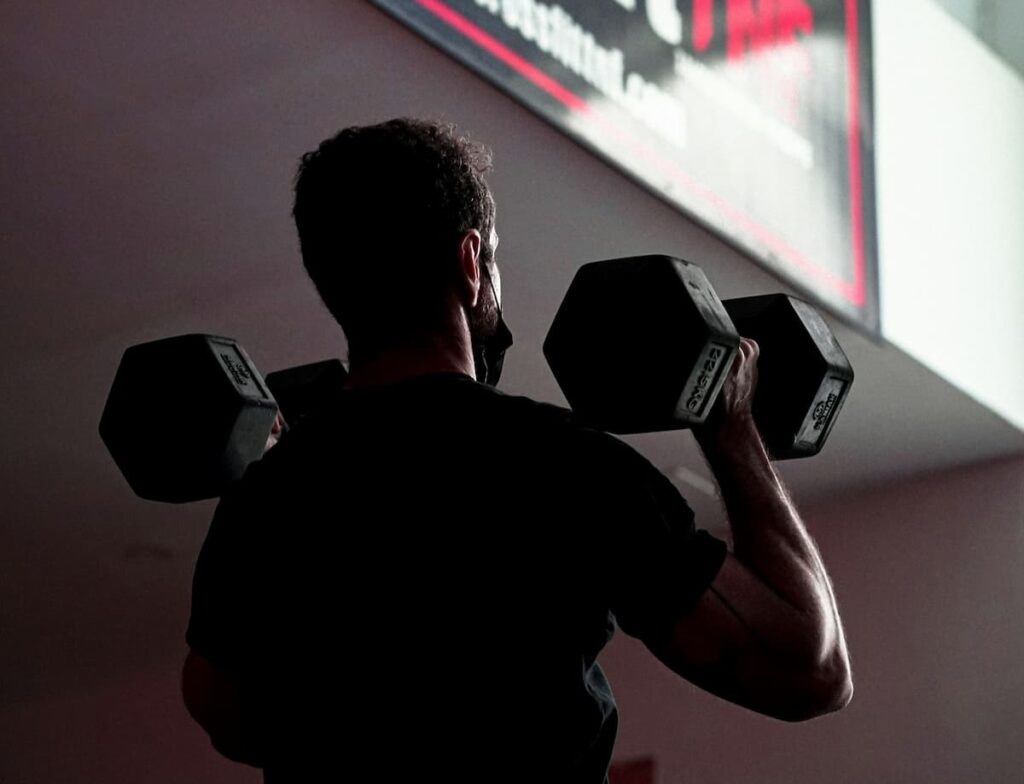
Supersets (back-to-back exercises with no rest) and circuits (a sequence of exercises targeting different muscle groups) are excellent for increasing volume without adding weight. For instance:
- Pair a Goblet Squat with a Bent-Over Row for a lower body and back superset.
- Combine 4–5 exercises (e.g., Chest Press, Romanian Deadlift, Lateral Raise, Russian Twists) into a full-body circuit with minimal rest between moves.
6. Emphasise Progressive Overload
Track your sets, reps, and tempo, aiming to improve consistently over time. This might mean lifting the same weights but adding a few more reps or working on stricter form.
7. Add Resistance Bands or a Weighted Vest
For advanced users, incorporating resistance bands or a weighted vest alongside your dumbbells can further challenge your muscles without requiring more equipment.
Additional Tips for Body Transformation
Transforming your body requires more than just lifting weights. A combination of exercise, nutrition, recovery, and lifestyle changes ensures you reach your goals effectively.
1. Prioritise Form Over Weight
It’s tempting to go heavier, but proper form always comes first. Poor technique increases your risk of injury and reduces the effectiveness of the exercise. To maintain good form:
- Perform each exercise slowly and with control.
- Use a mirror or record yourself to check alignment.
- Seek guidance from a fitness professional if you’re unsure.
2. Combine Strength Training with Cardio

For fat loss and improved cardiovascular health, integrate cardio into your routine. High-Intensity Interval Training (HIIT) pairs perfectly with strength exercises:
- Perform exercises like Burpees, Jump Squats, or Mountain Climbers in 30-second intervals.
- Alternatively, include cardio-based circuits with lighter dumbbells, such as Thrusters or Dumbbell Swings.
3. Fuel Your Body with the Right Nutrition
Your body transformation depends heavily on what you eat. A balanced diet fuels workouts and promotes muscle recovery. Key principles include:
- Protein-Rich Foods: Lean meats, eggs, legumes, and protein shakes help repair and build muscle.
- Healthy Fats: Include avocados, nuts, and olive oil for energy and hormone balance.
- Complex Carbohydrates: Foods like sweet potatoes, brown rice, and oats provide sustained energy.
Additionally, stay hydrated and consider tracking your calorie intake to ensure you’re meeting your goals (whether gaining muscle or losing fat).
4. Stay Consistent
Results take time, so consistency is critical. Create a realistic schedule, even if that means starting with just 3 sessions per week. Remember:
- Skipping workouts occasionally is fine, but avoid prolonged gaps.
- Make adjustments to your plan when life gets busy—shorter, high-intensity sessions can maintain progress.
5. Prioritise Recovery
Your muscles grow during rest, not during workouts. Allow 48 hours for recovery between sessions targeting the same muscle group. Other recovery tips include:
- Stretching and Mobility Work: Prevent stiffness and improve flexibility.
- Sleep: Aim for 7–9 hours of quality sleep per night to support muscle repair and hormone regulation.
- Active Rest Days: Engage in low-impact activities like walking or yoga.
6. Track Your Progress

Logging your workouts, nutrition, and physical changes keeps you accountable and motivated. Regularly measure progress with:
- Photos and body measurements (e.g., waist, hips, arms).
- Strength improvements in your exercises.
- Energy levels and overall fitness.
Conclusion
Transforming your body doesn’t have to be complicated or expensive. With two pairs of dumbbells, dedication, and a strategic workout plan, you can achieve remarkable results. The exercises outlined in this guide target all major muscle groups, ensuring you build strength, improve endurance, and sculpt a lean, functional body.
Remember, consistency is key. Stick to the plan, progressively challenge your muscles, and pair your workouts with healthy habits. In time, you’ll notice not just physical changes, but improvements in confidence and overall well-being.
Key Takeaways
| Key Point | Details |
|---|---|
| Equipment Needed | 2 pairs of dumbbells: 1 light, 1 heavy |
| Frequency | 3–4 sessions per week |
| Best Exercises | Goblet squats, deadlifts, presses, rows |
| Progression Tips | Increase reps, slow tempo, use variations |
| Additional Tips | Prioritise form, add cardio, eat balanced meals |
References
Schwanbeck, S., et al., 2009. Free-Weight Training vs. Machine Training: A Meta-Analysis. Journal of Strength and Conditioning Research.