Achieving a chiseled six-pack is a common fitness goal, but targeting the lower abs specifically can be particularly challenging. This article explores three of the most effective exercises for sculpting the lower abs, supported by scientific research to ensure the best results. Understanding the anatomy of the abdominal muscles and selecting exercises that engage the lower abs can lead to better muscle activation and development.
Let’s delve into the top three exercises that are proven to target the lower abs effectively.


Understanding the Lower Abs
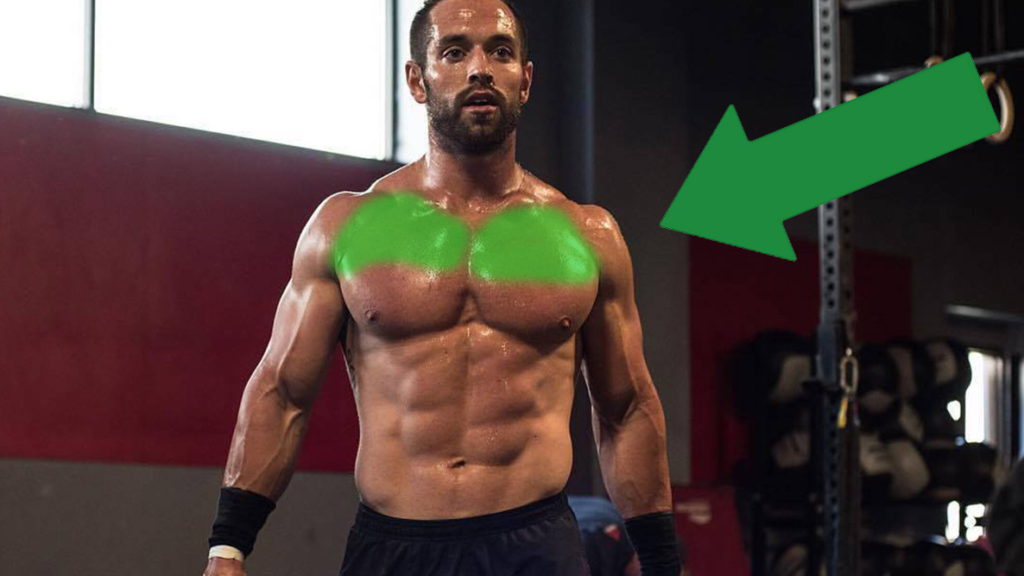
The lower abs are part of the rectus abdominis, a long, flat muscle that extends from the pubic bone to the sternum. While the rectus abdominis functions as a single muscle, it is often divided into upper and lower sections for training purposes. The lower section is notoriously difficult to target due to its location and the typical distribution of body fat. To engage the lower abs effectively, exercises must involve lifting the pelvis or legs towards the torso.
1. Leg Raises
Leg raises are a fundamental exercise for targeting the lower abs. This exercise involves lifting the legs while keeping the core engaged, which directly works the lower portion of the rectus abdominis.
Execution
- Start Position: Lie flat on your back with your legs extended and your arms at your sides or under your glutes for support.
- Movement: Keeping your legs straight, lift them towards the ceiling until your hips come off the floor.
- Lowering: Slowly lower your legs back to the starting position without letting your lower back arch off the ground.
Benefits
Leg raises isolate the lower abs effectively and can be modified for different fitness levels. Research has shown that exercises involving leg lifts significantly activate the lower rectus abdominis compared to other movements (Escamilla et al., 2006).
Modifications
- Bent-Knee Raises: If straight leg raises are too challenging, start with bent-knee raises where you lift your knees towards your chest.
- Hanging Leg Raises: For advanced practitioners, hanging leg raises provide a greater challenge by increasing the range of motion and requiring more core stability.
2. Reverse Crunches
Reverse crunches are another potent exercise for the lower abs. This movement emphasizes curling the pelvis towards the ribcage, which specifically targets the lower portion of the rectus abdominis.
Execution
- Start Position: Lie on your back with your knees bent and feet flat on the floor. Place your hands by your sides for support.
- Movement: Lift your hips off the floor and curl them towards your ribcage while bringing your knees towards your chest.
- Lowering: Slowly lower your hips back to the starting position without letting your feet touch the ground.
Benefits
Reverse crunches minimize strain on the lower back and have been shown to be highly effective in activating the lower abs (Schoenfeld et al., 2014).
Modifications
- Weighted Reverse Crunches: Hold a light weight between your feet for added resistance.
- Incline Reverse Crunches: Perform the exercise on a decline bench to increase the difficulty.
3. Bicycle Crunches
Bicycle crunches are a dynamic exercise that engages the entire rectus abdominis, with a significant focus on the lower abs due to the leg movement.
Execution
- Start Position: Lie on your back with your hands behind your head and your legs lifted off the ground, knees bent at a 90-degree angle.
- Movement: Simultaneously extend your right leg and rotate your torso to bring your right elbow towards your left knee. Switch sides in a pedalling motion.
- Repetition: Continue alternating sides in a controlled, fluid motion.
Benefits
Bicycle crunches combine rotation and flexion, making them effective for targeting both the upper and lower abs. A study by the American Council on Exercise found that bicycle crunches are one of the most effective abdominal exercises in terms of muscle activation (Porcari et al., 2001).
Modifications
- Slow Bicycle Crunches: Perform the exercise slowly to increase the time under tension.
- Weighted Bicycle Crunches: Hold a light weight behind your head to add resistance.
Scientific Basis for Lower Ab Exercises
Targeting the lower abs requires specific exercises that involve leg or pelvic movements. Research has consistently shown that exercises focusing on these movements effectively activate the lower rectus abdominis. For instance, a study by Escamilla et al. (2006) demonstrated that leg raises significantly engage the lower abs compared to traditional crunches. Similarly, Schoenfeld et al. (2014) highlighted that reverse crunches effectively target the lower abs while minimizing lumbar spine stress.

Additionally, the American Council on Exercise’s study (Porcari et al., 2001) emphasised the overall effectiveness of bicycle crunches in engaging both upper and lower abs. These findings are crucial for individuals aiming to achieve a balanced and defined six-pack.
Common Mistakes to Avoid
- Arching the Lower Back: Maintaining a flat lower back is essential to prevent strain and ensure proper muscle engagement.
- Using Momentum: Relying on momentum reduces the effectiveness of the exercise and increases the risk of injury. Perform each movement slowly and with control.
- Neglecting Breathing: Proper breathing helps maintain core stability and enhances muscle activation. Exhale during the exertion phase and inhale during the relaxation phase.
Integrating Lower Ab Exercises into Your Routine
Incorporating these exercises into your regular workout routine can lead to significant improvements in lower ab strength and definition. Aim to perform these exercises 2-3 times per week, ensuring proper form and gradually increasing intensity as you progress.
Sample Workout
- Warm-Up: 5-10 minutes of light cardio (e.g., jogging, jumping jacks).
- Leg Raises: 3 sets of 12-15 repetitions.
- Reverse Crunches: 3 sets of 15-20 repetitions.
- Bicycle Crunches: 3 sets of 20-30 repetitions (each side).
Cool-Down
End your workout with a cool-down phase, including stretches for the lower back and core muscles. This helps improve flexibility and reduces muscle soreness.
Conclusion
Achieving well-defined lower abs requires targeted exercises that effectively engage the lower portion of the rectus abdominis. Leg raises, reverse crunches, and bicycle crunches are among the best exercises to accomplish this goal, supported by scientific research. By incorporating these exercises into your fitness routine and avoiding common mistakes, you can make significant strides towards a chiselled six-pack.
Key Takeaways
| Key Point | Details |
|---|---|
| Effective Exercises | Leg raises, reverse crunches, bicycle crunches |
| Scientific Support | Studies by Escamilla et al. (2006), Schoenfeld et al. (2014), and Porcari et al. (2001) |
| Common Mistakes to Avoid | Arching the lower back, using momentum, neglecting breathing |
| Workout Frequency | 2-3 times per week |
| Sample Workout | Includes warm-up, specific exercises, and cool-down |
References
Escamilla, R. F., Babb, J. M., DeWitt, R., et al. (2006). Electromyographic analysis of traditional and non-traditional abdominal exercises: implications for rehabilitation and training. Journal of Orthopaedic & Sports Physical Therapy, 36(2), 45-57.
Schoenfeld, B. J., Contreras, B., Vigotsky, A. D., et al. (2014). Differential activation of the rectus abdominis during various abdominal exercises. Journal of Strength and Conditioning Research, 28(4), 902-908.
Porcari, J. P., Miller, J., Cornwell, K., et al. (2001). The effectiveness of various abdominal exercises. American Council on Exercise.