Achieving and maintaining fitness goals can be challenging, particularly in the face of modern distractions and lifestyle demands. Here are five scientifically backed strategies to ensure you stay on track with your fitness aspirations in 2025.
1. Set SMART Goals
The SMART framework—Specific, Measurable, Achievable, Relevant, and Time-bound—is one of the most effective methods for goal-setting. A 2020 study in the Journal of Sports Science & Medicine demonstrated that athletes using SMART goals significantly improved their adherence to training schedules compared to those without structured goals.


By clearly defining your objectives (e.g., “lose 5 kg in three months through weekly gym sessions”), you increase the likelihood of sticking to them because the process becomes actionable and trackable.
How to Implement:
- Make goals specific: Instead of “get fit,” aim for “run 5 km in under 25 minutes.”
- Ensure goals are measurable: Use fitness apps or wearable devices to track progress.
- Break larger goals into smaller milestones to maintain motivation.
2. Leverage Social Support
Social accountability plays a significant role in fitness adherence. Studies show that individuals exercising in groups or with a partner have better attendance and exertion rates. For instance, a 2021 study in BMC Public Health highlighted that participants in group fitness programmes were 30% more likely to stick to their routines compared to solo exercisers.
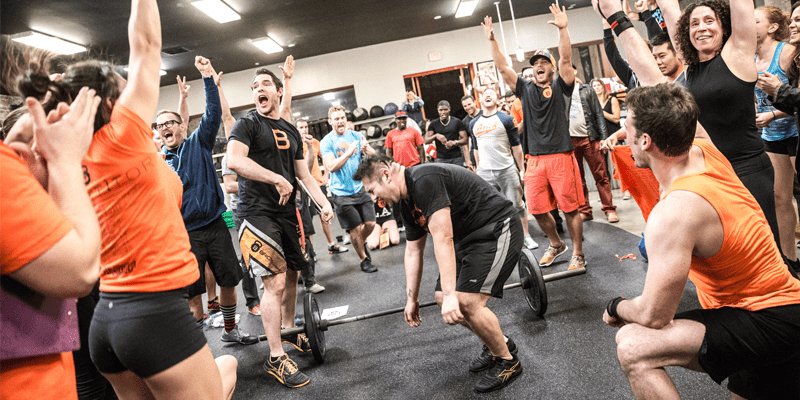
The shared commitment and encouragement from peers or workout partners provide motivation, while the social aspect makes the experience more enjoyable.
How to Implement:
- Join a fitness class or group in your local area.
- Find an accountability partner to share workout goals and progress updates.
- Use social media platforms or apps like Strava to engage with fitness communities.
3. Track Your Progress
Self-monitoring tools are critical for long-term success. Research published in Medicine & Science in Sports & Exercise in 2019 found that individuals using fitness trackers or journals were significantly more consistent with their exercise routines. Tracking progress allows you to celebrate small victories, identify potential barriers, and make necessary adjustments to your plan.
How to Implement
- Use wearable technology, such as Garmin or Fitbit, to monitor workouts, calories burned, and heart rate.
- Maintain a journal to log workouts, meals, and sleep patterns.
- Reflect weekly on what worked and what needs improvement.
4. Incorporate Behavioural Flexibility
Rigidity in fitness planning often leads to burnout. A study published in Psychology of Sport and Exercise in 2022 suggested that individuals who adapted their routines to accommodate life changes (e.g., switching workouts to a different time) were 25% more likely to sustain long-term fitness habits.

Flexibility in planning allows you to stay consistent without becoming overly stressed about minor setbacks.
How to Implement
- Have alternative workouts planned for busy days (e.g., a 20-minute HIIT session at home instead of a 60-minute gym workout).
- Focus on the principle of “some is better than none” to avoid all-or-nothing thinking.
- Listen to your body and take rest days when needed without guilt.
5. Focus on Intrinsic Motivation
While external motivators like weight loss or compliments can kickstart your fitness journey, intrinsic motivation—driven by personal satisfaction and enjoyment—is more sustainable. A 2018 study in the Journal of Behavioural Medicine found that individuals motivated by factors such as stress relief or the joy of movement had better adherence rates than those motivated purely by appearance.
How to Implement
- Reflect on why fitness matters to you personally, beyond external validation.
- Choose activities you genuinely enjoy, such as dancing, swimming, or hiking.
- Use mindfulness techniques to appreciate your progress, regardless of external results.
Key Takeaways
| Key Strategy | Action Steps |
|---|---|
| Set SMART Goals | Define specific, measurable, achievable, relevant, and time-bound objectives. |
| Leverage Social Support | Join groups, find an accountability partner, or engage with fitness communities online or in person. |
| Track Your Progress | Use wearable technology, maintain a fitness journal, and reflect weekly on successes and barriers. |
| Incorporate Behavioural Flexibility | Adapt your routine as needed and avoid all-or-nothing thinking. Focus on doing what you can, when you can. |
| Focus on Intrinsic Motivation | Find joy in movement, reflect on personal benefits, and choose enjoyable activities. |