Committing to doing yoga every day for 30 days can sound like a big challenge, especially if you’re new to it. But the benefits of this ancient practice go beyond just physical fitness; it has the power to positively impact your mind, mood, and overall wellbeing. With consistent daily practice, even for just a month, people often experience remarkable changes, from improved flexibility to better mental clarity. Yoga is accessible to people of all fitness levels and ages, and the results can be profound with just a mat, an open mind, and a bit of commitment.
In this article, we’ll explore five key benefits you can gain by practising yoga every day for a month. Whether you’re aiming to reduce stress, improve physical health, or simply enhance your quality of life, these benefits could be just the motivation you need to unroll that yoga mat and start your 30-day journey.


1. Improved Flexibility and Physical Health
Daily yoga practice significantly enhances flexibility and supports joint health.
- Gradual Flexibility Gains: Even after just a few weeks, many people notice improved range of motion in their muscles and joints. Stretching and holding poses like the Downward Dog or Warrior I loosen tight muscles, enhancing flexibility gradually.
- Joint Health and Lubrication: Yoga poses move your joints through a full range of motion, which helps maintain their health. According to research published in the International Journal of Yoga, regular yoga practice can improve joint flexibility and reduce stiffness in people with conditions like arthritis (Tran et al., 2001).

- Injury Prevention: Increased flexibility reduces the risk of injury, whether during yoga itself or in daily life. When your muscles and joints are flexible, they can handle more movement without strain, making everyday tasks easier.
- Strengthened Muscles: Yoga isn’t just about stretching; poses like Plank, Chair Pose, and Chaturanga build strength in muscles across your body. This combination of flexibility and strength supports your body better in daily movements and activities.
Reference: Tran, M. D., Holly, R. G., Lashbrook, J., & Amsterdam, E. A. (2001). Effects of hatha yoga practice on the health-related aspects of physical fitness. International Journal of Yoga Therapy, 11(1), 9-15.
How Many Calories Can You Burn Doing Yoga?
2. Reduced Stress and Improved Mental Wellbeing
Yoga has a powerful effect on reducing stress and balancing your mental wellbeing.
- Lowered Cortisol Levels: Cortisol, known as the “stress hormone,” often surges in response to stress. Research shows that regular yoga practice reduces cortisol levels, creating a sense of calm and reducing anxiety (Vancampfort et al., 2013).
- Relaxation Response Activation: Yoga combines breathwork, movement, and mindfulness, which activates the body’s relaxation response. This helps the nervous system shift from a stress-filled “fight or flight” state to a restful “rest and digest” mode.
- Mindfulness and Presence: Practising yoga daily encourages mindfulness, helping you stay present and connected with your body. Learning to focus on the breath during yoga can lead to better focus outside of yoga, enabling you to tackle daily stress with a clearer mind.
- Reduced Anxiety and Depression Symptoms: Studies show that yoga’s combination of movement, breathwork, and meditation can reduce symptoms of anxiety and depression, making it a helpful complementary practice for managing mental health (Streeter et al., 2010).
Reference: Vancampfort, D., Vansteelandt, K., Scheewe, T., Probst, M., Knapen, J., De Hert, M., & Stubbs, B. (2013). Yoga in schizophrenia: a systematic review of randomised controlled trials. Acta Psychiatrica Scandinavica, 128(6), 379-393.
3. Enhanced Focus and Mental Clarity
Daily yoga practice can greatly improve your focus, memory, and mental clarity.
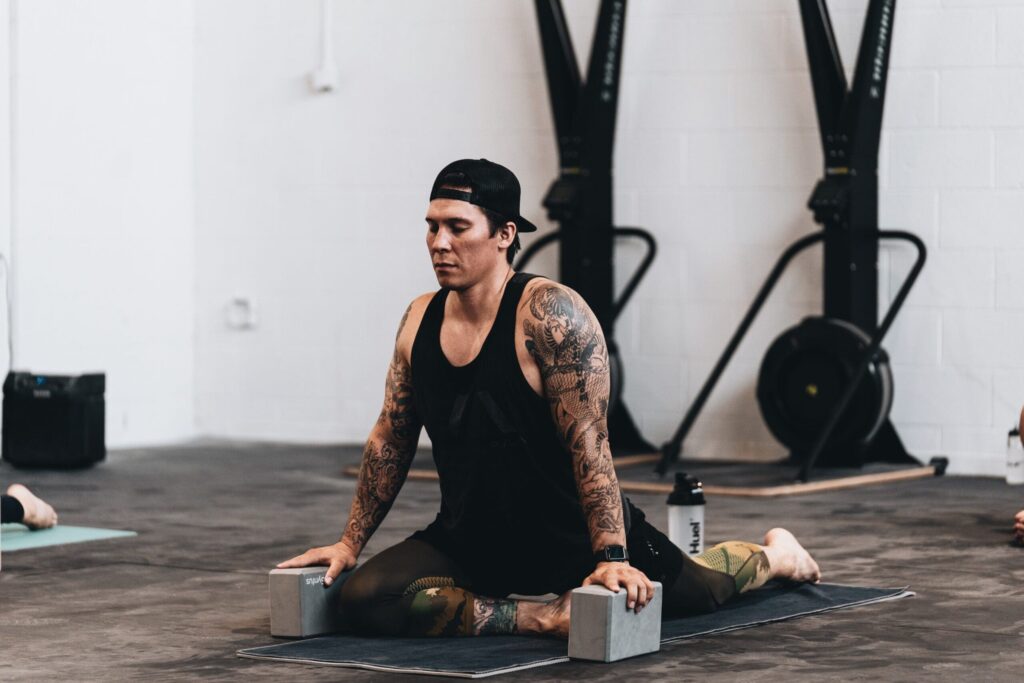
- Better Cognitive Function: Yoga combines breath control, meditation, and asanas (physical postures), which collectively improve cognitive function. Regular practice has been linked to increased grey matter in the brain and improved memory (Gothe et al., 2013).
- Focus Through Breath Control: Breathing exercises (pranayama) in yoga oxygenate the brain, improving focus and reducing mental fog. As you practise, you’ll likely notice improved concentration and clearer thinking throughout the day.
- Reduced Mental Clutter: Yoga promotes mindfulness, helping to quiet mental chatter and reduce distractions. Over time, yoga encourages a balanced mental state that feels calm yet alert, perfect for maintaining productivity and focus.
- Resilience to Cognitive Decline: A study in Frontiers in Aging Neuroscience found that yoga could slow age-related decline in memory and cognition, highlighting its long-term mental health benefits (Gothe & McAuley, 2015).
Reference: Gothe, N. P., & McAuley, E. (2015). Yoga and cognition: A meta-analysis of chronic and acute effects. Psychosomatic Medicine, 77(7), 784-797.
4. Enhanced Sleep Quality
Regular yoga can significantly improve the quality and depth of your sleep, making it easier to fall asleep and stay asleep.
- Natural Melatonin Boost: Yoga helps increase melatonin levels, the hormone that regulates sleep. This can be especially helpful for people who struggle with insomnia or find it hard to establish a regular sleep routine.
- Reduced Insomnia Symptoms: A study published in Alternative Therapies in Health and Medicine found that yoga can reduce symptoms of insomnia, making it an excellent natural remedy for sleep issues (Khalsa et al., 2004).
- Relaxation Techniques for Better Rest: Yoga encourages relaxation through deep breathing and mindful movement, which calms the mind and body, preparing it for restful sleep.
- Improved Sleep Continuity: Yoga has been found to help with sleep continuity, reducing the frequency of waking up throughout the night, helping you achieve more restorative sleep.
Reference: Khalsa, S. B. S., Shorter, S. M., Cope, S., Wyshak, G., & Sklar, E. (2004). Yoga ameliorates performance anxiety and mood disturbance in young professional musicians. Alternative Therapies in Health and Medicine, 10(2), 50-54.
Somatic Exercises: What Is It, Benefits, How To Do Them
5. Better Physical Strength and Endurance
Yoga can enhance your overall strength and endurance, which can positively impact other physical activities as well.
- Core Strengthening: Many yoga poses, especially those that engage the abdomen, help strengthen the core. A strong core improves posture, supports the spine, and enhances physical performance.
- Improved Muscular Endurance: Unlike some other forms of exercise, yoga requires you to hold poses, building muscular endurance. This sustained muscle engagement develops stamina and balance, contributing to improved endurance in other physical pursuits.
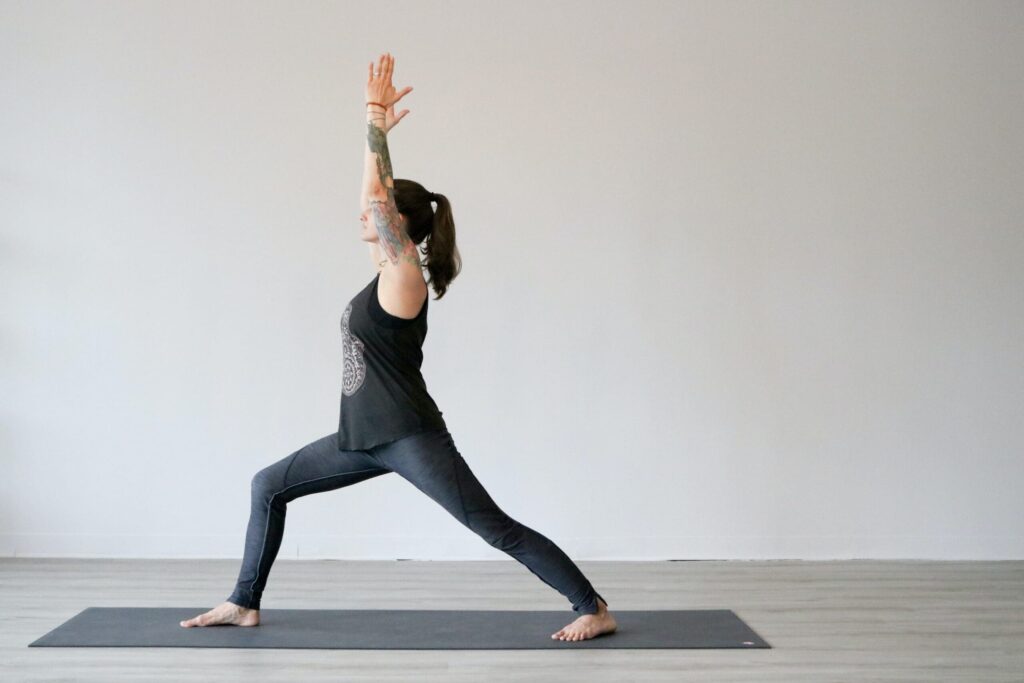
- Heart Health Benefits: Yoga is known to improve circulation, reduce blood pressure, and support heart health. According to a study in The Journal of Alternative and Complementary Medicine, practising yoga can reduce heart disease risk factors, highlighting its importance as a low-impact cardiovascular exercise (Innes et al., 2005).
- Strengthened Body Balance and Stability: With poses like Tree Pose and Warrior III, yoga builds balance and stability, helping you feel more grounded and reducing the risk of falls or injuries.
Reference: Innes, K. E., Bourguignon, C., & Taylor, A. G. (2005). Risk indices associated with the insulin resistance syndrome, cardiovascular disease, and possible protection with yoga: a systematic review. The Journal of Alternative and Complementary Medicine, 11(4), 685-700.
Conclusion
Starting a daily yoga routine for 30 days can be life-changing. From enhanced flexibility and physical strength to better mental clarity, improved sleep, and reduced stress, the benefits of this daily practice are extensive and scientifically backed. Beyond physical transformation, daily yoga instils discipline and self-awareness, helping you better understand your body and mind.
While 30 days might seem like a long commitment, the cumulative benefits are well worth it. Yoga offers a holistic approach to health that nourishes the mind, body, and spirit, providing tools for resilience and happiness. Whether you’re just starting or rekindling your practice, give yourself these 30 days to experience yoga’s profound impact.
7 Excellent Exercises to Do Regardless of Age
Key Takeaways Table
| Benefit | Description |
|---|---|
| Flexibility and Physical Health | Increases muscle and joint flexibility, helps prevent injury, and improves overall physical function. |
| Reduced Stress | Lowers cortisol levels, balances the nervous system, and can reduce symptoms of anxiety and depression. |
| Mental Clarity | Boosts cognitive function, increases focus, and reduces mental clutter. |
| Improved Sleep | Enhances sleep quality, reduces insomnia symptoms, and increases melatonin for better rest. |
| Physical Strength and Endurance | Builds core strength, endurance, and heart health, while improving balance and stability. |
References
- Gothe, N. P., & McAuley, E. (2015). Yoga and cognition: A meta-analysis of chronic and acute effects. Psychosomatic Medicine, 77(7), 784-797.
- Innes, K. E., Bourguignon, C., & Taylor, A. G. (2005). Risk indices associated with the insulin resistance syndrome, cardiovascular disease, and possible protection with yoga: a systematic review. The Journal of Alternative and Complementary Medicine, 11(4), 685-700.
- Khalsa, S. B. S., Shorter, S. M., Cope, S., Wyshak, G., & Sklar, E. (2004). Yoga ameliorates performance anxiety and mood disturbance in young professional musicians. Alternative Therapies in Health and Medicine, 10(2), 50-54.
- Streeter, C. C., Gerbarg, P. L., Saper, R. B., Ciraulo, D. A., & Brown, R. P. (2010). Effects of yoga on the autonomic nervous system, gamma-aminobutyric-acid, and allostasis in epilepsy, depression, and post-traumatic stress disorder. Medical Hypotheses, 78(5), 571-579.
- Tran, M. D., Holly, R. G., Lashbrook, J., & Amsterdam, E. A. (2001). Effects of hatha yoga practice on the health-related aspects of physical fitness. International Journal of Yoga Therapy, 11(1), 9-15.
- Vancampfort, D., Vansteelandt, K., Scheewe, T., Probst, M., Knapen, J., De Hert, M., & Stubbs, B. (2013). Yoga in schizophrenia: a systematic review of randomised controlled trials. Acta Psychiatrica Scandinavica, 128(6), 379-393.