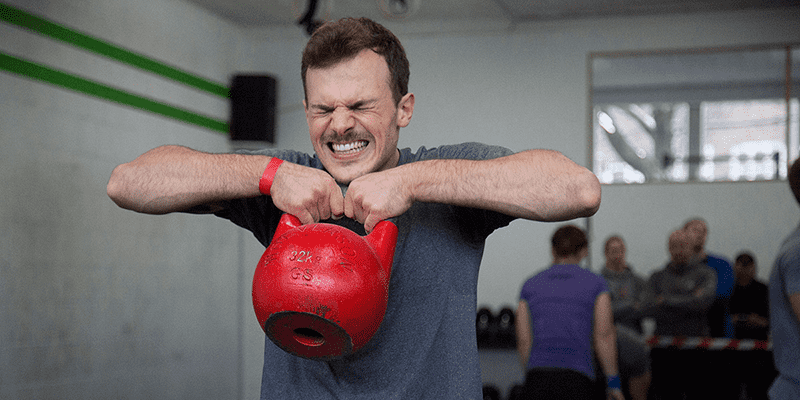
Building muscle as a beginner can feel daunting, but following a structured programme simplifies the process and accelerates results. Here, we present three scientifically supported muscle-building programmes tailored for beginners.
These are designed to maximise hypertrophy, build strength, and set the foundation for long-term success.


Why Beginners Benefit from Structured Programmes
For beginners, structured training programmes offer several advantages, including improved motor coordination, increased neuromuscular efficiency, and progressive overload—a key driver of hypertrophy. Research has shown that beginners experience rapid adaptations due to their untrained status, making this stage ideal for maximising gains (Kraemer et al., 2002). Without a clear plan, progress is often inconsistent, and injury risk increases.
Programme 1: Starting Strength – A Foundation in Compound Movements
Overview:
Starting Strength, created by Mark Rippetoe, focuses on building strength through foundational compound lifts. It is ideal for beginners due to its simplicity and emphasis on progressive overload. This programme prioritises form and gradual weight increases, ensuring safe and effective muscle growth.
Structure:
- Workout A: Squat, Bench Press, Deadlift
- Workout B: Squat, Overhead Press, Power Clean
Alternate between Workout A and Workout B three times per week. Aim to increase the weight incrementally (2.5–5 kg) each session.
Key Principles:
- Compound Movements: Squats, deadlifts, and presses engage multiple muscle groups simultaneously, promoting overall strength and hypertrophy (Schoenfeld, 2010).
- Linear Progression: Gradual weight increases challenge muscles progressively, essential for hypertrophy (Ahtiainen et al., 2003).
- Focus on Technique: Proper form reduces injury risk and maximises effectiveness.
Scientific Support:
A study by Rhea et al. (2003) found that progressive overload combined with multi-joint exercises led to significant increases in strength and muscle mass. Additionally, beginners showed a rapid improvement in their capacity to handle heavier loads when trained systematically.
Programme 2: The Push-Pull-Leg Split – Versatility and Balanced Growth
Overview:
The Push-Pull-Leg (PPL) split divides the body into movement patterns, targeting different muscle groups each day. This split is ideal for beginners who can dedicate 3–6 days per week to training. It balances workload, prevents overtraining, and provides sufficient recovery.
Structure:
- Day 1 (Push): Bench Press, Overhead Press, Incline Dumbbell Press, Tricep Dips
- Day 2 (Pull): Pull-Ups, Barbell Row, Dumbbell Bicep Curl, Face Pulls
- Day 3 (Legs): Squats, Romanian Deadlifts, Walking Lunges, Calf Raises
Repeat the cycle 1–2 times weekly, ensuring at least one rest day.
Key Principles:
- Movement-Based Training: Separating exercises into push, pull, and leg movements prevents overlapping fatigue, allowing each muscle group to recover fully (Hackett & Chow, 2013).
- Volume and Intensity Balance: PPL allows beginners to adjust volume to match their recovery capacity while maintaining high intensity.
- Flexibility: This structure accommodates progression as beginners advance to higher workloads.
Scientific Support:
Schoenfeld et al. (2016) demonstrated that higher training frequencies, such as those achievable with the PPL split, optimise hypertrophic adaptations by maintaining a consistent stimulus on target muscles. Additionally, the division by movement patterns promotes muscle balance and reduces the risk of imbalances or injuries.
Programme 3: Full-Body Workouts – Efficiency and Consistency
Overview:
Full-body workouts target all major muscle groups in a single session and are ideal for beginners with limited time. Training three times per week ensures sufficient stimulus while allowing recovery.
Structure:
- Workout Example: Squats, Bench Press, Barbell Row, Overhead Press, Deadlift, Plank
Perform 3 sets of 8–12 repetitions for each exercise, focusing on proper form and control. Rest for 60–90 seconds between sets.
Key Principles:
- Time Efficiency: By training the entire body, beginners can build muscle with fewer weekly sessions (McLester et al., 2000).
- Progressive Overload: Emphasis on increasing resistance or repetitions drives muscle hypertrophy (Wernbom et al., 2007).
- Neuromuscular Development: Full-body sessions improve coordination and functional strength, critical for beginners.
Scientific Support:
Research indicates that full-body training three times per week elicits similar, if not superior, hypertrophic and strength adaptations compared to split routines in untrained individuals (Gentil et al., 2017). The consistent activation of all major muscle groups optimises muscle protein synthesis throughout the week.
Common Principles Across All Programmes
- Progressive Overload: All three programmes emphasise gradual increases in weight or volume, supported by research as the most effective method for muscle growth (Schoenfeld, 2010).
- Rest and Recovery: Beginners should aim for 48 hours of recovery between sessions targeting the same muscle group to allow for muscle repair and growth (Hulmi et al., 2010).
- Consistency: Sticking to a programme for at least 8–12 weeks ensures measurable progress and long-term benefits.
Key Takeaways
| Feature | Starting Strength | Push-Pull-Leg Split | Full-Body Workouts |
|---|---|---|---|
| Best For | Building foundational strength | Balanced growth and higher frequency | Time-efficient muscle building |
| Training Days/Week | 3 | 3–6 | 3 |
| Focus | Strength and technique | Hypertrophy and volume | Total-body activation |
| Recovery | High (48–72 hours per muscle group) | Moderate (dependent on training frequency) | Moderate (48 hours per muscle group) |
Conclusion
Each of these programmes is tailored to help beginners achieve significant muscle growth while improving strength and technique. The choice of programme depends on individual goals, time availability, and preferences. Starting Strength builds a solid foundation, the Push-Pull-Leg split promotes balanced development, and full-body workouts maximise efficiency. Select a programme, stay consistent, and track progress to ensure optimal results.
Bibliography
- Ahtiainen, J.P., Pakarinen, A., Alen, M., Kraemer, W.J., and Häkkinen, K., 2003. Muscle hypertrophy, hormonal adaptations and strength development during strength training in strength-trained and untrained men. European Journal of Applied Physiology, 89(6), pp.555–563.
- Gentil, P., Fisher, J., Steele, J., 2017. A Review of the Acute Effects and Long-Term Adaptations of Single- and Multi-Joint Exercises During Resistance Training. Sports Medicine, 47(5), pp.843–855.
- Kraemer, W.J., et al., 2002. Progression Models in Resistance Training for Healthy Adults. Medicine & Science in Sports & Exercise, 34(2), pp.364–380.
- Schoenfeld, B.J., 2010. The Mechanisms of Muscle Hypertrophy and Their Application to Resistance Training. Journal of Strength and Conditioning Research, 24(10), pp.2857–2872.
- Schoenfeld, B.J., Ogborn, D., and Krieger, J.W., 2016. Effects of Resistance Training Frequency on Measures of Muscle Hypertrophy: A Systematic Review and Meta-Analysis. Sports Medicine, 46(11), pp.1689–1697.
- Wernbom, M., Augustsson, J., and Thomeé, R., 2007. The Influence of Frequency, Intensity, Volume and Mode of Strength Training on Whole Muscle Cross-Sectional Area in Humans. Sports Medicine, 37(3), pp.225–264.