Losing body fat is a combination of creating a caloric deficit, choosing nutrient-dense foods, and adopting sustainable habits. Breakfast, as the first meal of the day, plays a crucial role in setting the tone for your metabolism and energy balance.
This article explores three super healthy breakfast snacks backed by science to help you lose body fat faster.


1. Greek Yoghurt with Berries and Nuts
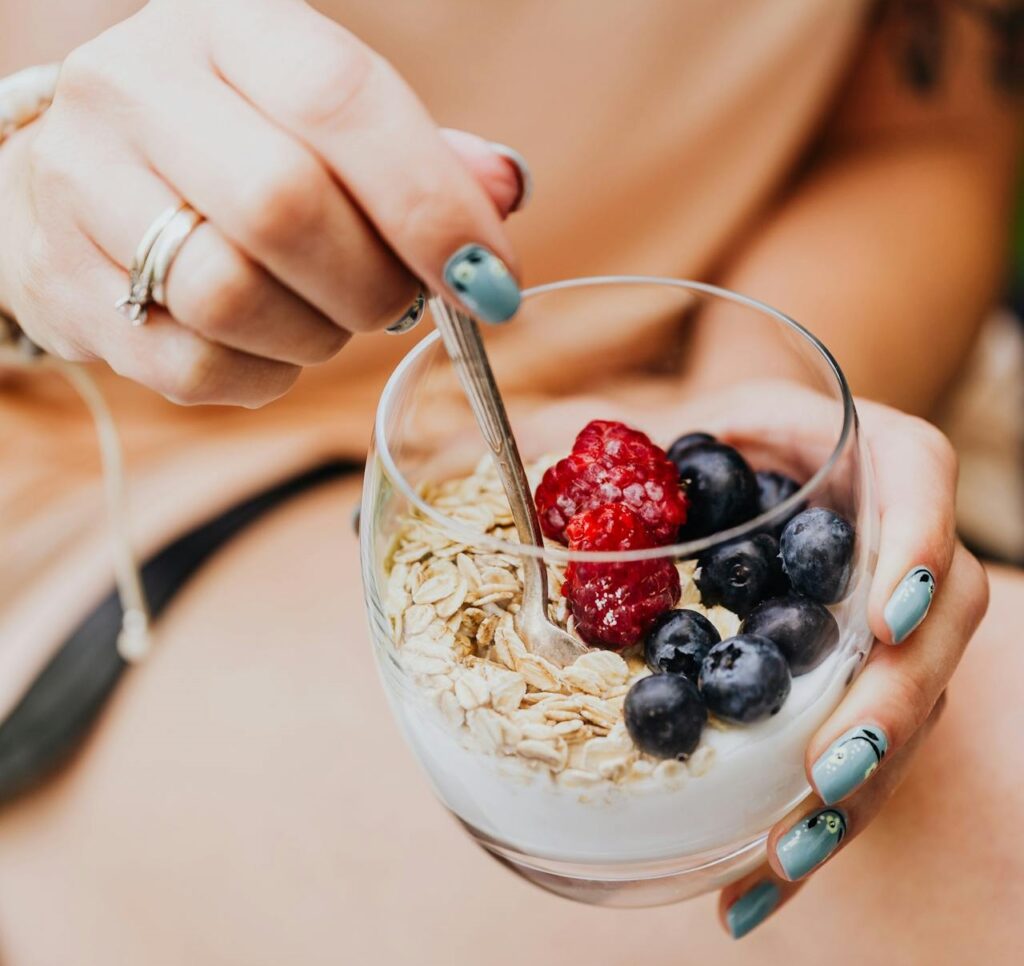
Greek yoghurt combined with berries and nuts is a powerhouse breakfast snack that promotes fat loss due to its high protein content, healthy fats, and fibre.
Benefits of Greek Yoghurt
Greek yoghurt is rich in protein, which can enhance satiety and reduce overall calorie intake. Studies have shown that high-protein diets increase the thermic effect of food, meaning your body burns more calories during digestion (Pesta & Samuel, 2014). Additionally, Greek yoghurt contains probiotics that support gut health, which has been linked to better weight management (Kondo et al., 2013).
Role of Berries
Berries like blueberries, raspberries, and strawberries are low in calories and high in fibre, making them an excellent choice for weight loss. Fibre slows digestion, stabilises blood sugar levels, and reduces hunger. Polyphenols in berries have been found to reduce fat cell formation and improve insulin sensitivity (Basu et al., 2010).
Benefits of Nuts
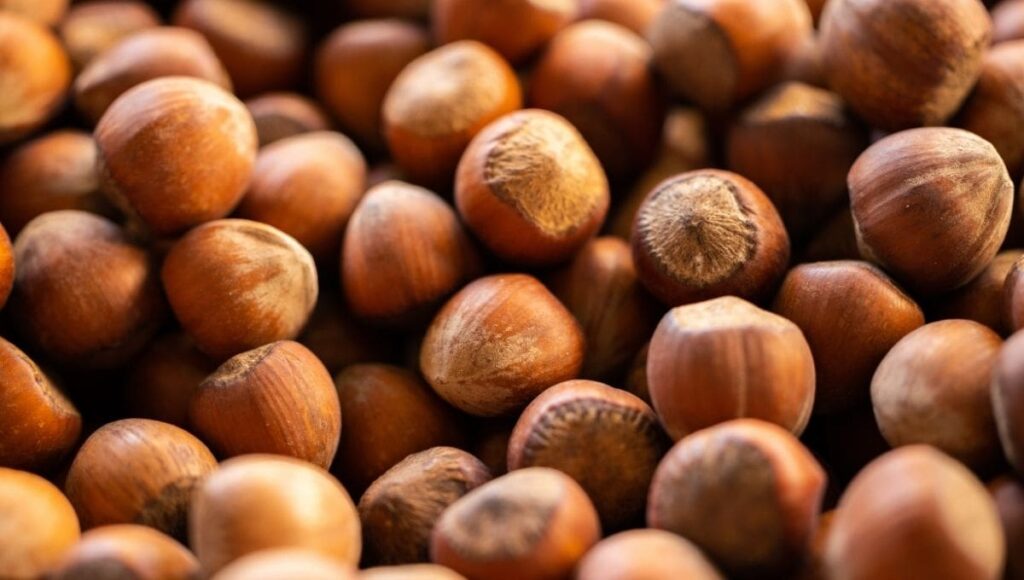
Nuts such as almonds, walnuts, or pistachios add a dose of healthy fats, particularly monounsaturated fats, which promote fat oxidation. Despite being calorie-dense, nuts have been shown to aid weight loss when consumed in moderation, as their satiating properties reduce overall energy intake (Mattes et al., 2008).
Preparation
To prepare, mix one cup of unsweetened Greek yoghurt with half a cup of mixed berries and a tablespoon of chopped nuts. This snack provides a balanced combination of macronutrients to fuel your morning while promoting fat loss.
2. Avocado and Egg on Wholegrain Toast
This simple yet nutrient-dense snack combines protein, healthy fats, and complex carbohydrates to support fat loss and sustained energy levels throughout the day.
Why Eggs?
Eggs are a high-quality protein source containing all nine essential amino acids. Research shows that consuming eggs for breakfast can reduce hunger and calorie consumption later in the day, promoting weight loss (Vander Wal et al., 2005). Additionally, eggs are rich in choline, which plays a role in fat metabolism.

Benefits of Avocado
Avocado is an excellent source of heart-healthy monounsaturated fats, which have been linked to improved fat loss and reduced visceral fat (Assunção et al., 2009). Avocado also provides dietary fibre, helping to regulate appetite and support gut health.
Importance of Wholegrain Bread
Wholegrain bread contains complex carbohydrates and fibre, which stabilise blood sugar levels and prevent insulin spikes that could lead to fat storage. Fibre also enhances satiety, reducing the likelihood of overeating later in the day (Slavin, 2005).
Preparation
Toast a slice of wholegrain bread, top it with mashed avocado, and add a poached or boiled egg. Sprinkle with a pinch of salt, pepper, and chilli flakes for flavour. This snack delivers a nutrient-packed meal that keeps you full and energised.
3. Chia Pudding with Almond Milk and Fresh Fruit
Chia pudding is a versatile, low-calorie snack that provides a wealth of nutrients to aid fat loss. It is simple to prepare and can be customised to suit individual tastes.
Benefits of Chia Seeds
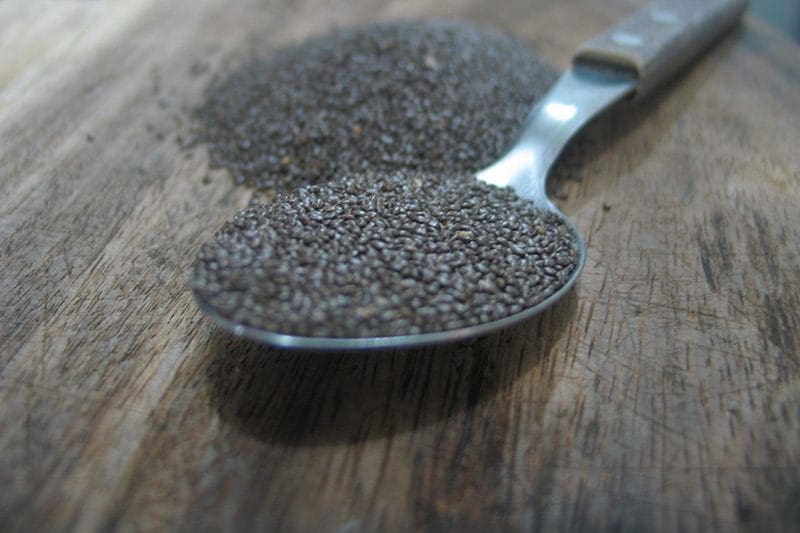
Chia seeds are rich in fibre, which expands in your stomach when hydrated, creating a feeling of fullness and reducing calorie intake (Vuksan et al., 2010). They also contain omega-3 fatty acids, which have been associated with increased fat oxidation (Buckley et al., 2009).
Almond Milk as a Low-Calorie Base
Unsweetened almond milk is a low-calorie alternative to traditional dairy, making it an excellent choice for those aiming to lose fat. Its creamy texture complements chia seeds without adding unnecessary calories.
Role of Fresh Fruit
Adding fresh fruit like mango, kiwi, or banana enhances the flavour and nutrient profile of chia pudding. Fruits provide natural sweetness along with vitamins and antioxidants that support overall health.
Preparation
Mix three tablespoons of chia seeds with one cup of unsweetened almond milk. Stir thoroughly and refrigerate overnight to allow the chia seeds to absorb the liquid and form a pudding-like consistency. Top with sliced fresh fruit and a drizzle of honey (optional) before serving. This snack is rich in fibre, healthy fats, and micronutrients, making it a great choice for fat loss.
Key Takeaways Table
| Key Takeaways | Details |
|---|---|
| Greek Yoghurt with Berries and Nuts | High in protein, fibre, and healthy fats; enhances satiety and promotes fat oxidation. |
| Avocado and Egg on Wholegrain Toast | Combines protein, healthy fats, and complex carbs; supports sustained energy and appetite control. |
| Chia Pudding with Almond Milk and Fresh Fruit | Rich in fibre and omega-3s; reduces hunger and boosts fat oxidation when paired with low-calorie ingredients. |
Conclusion
Incorporating these breakfast snacks into your daily routine can create a strong foundation for your weight loss journey. By focusing on nutrient-dense, high-protein, and fibre-rich options, you can improve satiety, regulate appetite, and support fat oxidation.
Bibliography
- Assunção, M.L., Ferreira, H.S., dos Santos, A.F., Cabral, C.R. and Florêncio, T.M., 2009. Effects of dietary coconut oil on the biochemical and anthropometric profiles of women presenting abdominal obesity. Lipids, 44(7), pp.593-601.
- Basu, A., Rhone, M. and Lyons, T.J., 2010. Berries: emerging impact on cardiovascular health. Nutrition Reviews, 68(3), pp.168-177.
- Buckley, J.D., Howe, P.R., 2009. Long-chain omega-3 polyunsaturated fatty acids may be beneficial for reducing obesity—a review. Nutrients, 1(2), pp.133-149.
- Kondo, S., Xiao, J.Z., Satoh, T., Odamaki, T., Takahashi, S. and Sugahara, H., 2013. Antiobesity effects of Bifidobacterium breve strain B-3 supplementation in a mouse model with high-fat diet-induced obesity. Bioscience, Biotechnology, and Biochemistry, 77(5), pp.1114-1118.
- Mattes, R.D., Kris-Etherton, P.M., and Foster, G.D., 2008. Impact of peanuts and tree nuts on body weight and healthy weight loss in adults. The Journal of Nutrition, 138(9), pp.1741S-1745S.
- Pesta, D.H. and Samuel, V.T., 2014. A high-protein diet for reducing body fat: mechanisms and possible caveats. Nutrition & Metabolism, 11(1), p.53.
- Slavin, J.L., 2005. Dietary fibre and body weight. Nutrition, 21(3), pp.411-418.
- Vander Wal, J.S., Marth, J.M., Khosla, P., Jen, K.L. and Dhurandhar, N.V., 2005. Short-term effect of eggs on satiety in overweight and obese subjects. Journal of the American College of Nutrition, 24(6), pp.510-515.
- Vuksan, V., Jenkins, A.L., Brissette, C., Choleva, L., Jovanovski, E., Gibbs, A.L. and Bazinet, R.P., 2010. Dietary fibre for the treatment of type 2 diabetes: focus on European diets. Canadian Journal of Diabetes, 34(4), pp.301-308.