Maintaining muscle growth and overall health requires the right nutritional choices, and snacking can often make or break your progress. While some snacks are loaded with sugar, empty calories, or unhealthy fats, smarter options can support your fitness goals and even boost your recovery.
This article explores three scientifically backed snacks that can fuel your body without sabotaging your gains.


The Importance of Smart Snacking
Snacking provides an opportunity to maintain energy levels, support muscle recovery, and fill nutritional gaps between meals. According to a study published in Nutrients, properly timed and nutritionally balanced snacks can positively influence appetite control, nutrient intake, and physical performance (Leidy et al., 2015).
For those engaged in resistance training or other forms of exercise, snacks can contribute to muscle protein synthesis when consumed with adequate protein content. However, the choice of snacks matters greatly. Overindulging in high-sugar or ultra-processed foods can lead to weight gain, inflammation, and impaired recovery (Monteiro et al., 2019).
Smart snacking involves selecting nutrient-dense foods that offer a balance of protein, healthy fats, and complex carbohydrates. These macronutrients not only support muscle repair and growth but also provide sustained energy and satiety.
Snack 1: Greek Yoghurt with Berries and Almonds
Why It Works
Greek yoghurt is an excellent source of high-quality protein, containing both casein and whey protein, which are essential for muscle repair. Research has shown that consuming dairy proteins post-exercise can significantly enhance muscle protein synthesis (Tang et al., 2009). Adding berries introduces antioxidants, such as anthocyanins, which combat exercise-induced oxidative stress and inflammation (Morillas-Ruiz et al., 2006).
Almonds provide a source of healthy monounsaturated fats, vitamin E, and magnesium, all of which contribute to muscle function and recovery.
Nutritional Profile (1 Serving)
- Greek yoghurt (150g): 10g protein, 5g carbohydrates, 0g fat
- Mixed berries (50g): 0.5g protein, 12g carbohydrates, 0.2g fat
- Almonds (15g): 3.5g protein, 1.5g carbohydrates, 7g fat
- Total: ~14g protein, ~18.5g carbohydrates, ~7.2g fat
How to Prepare
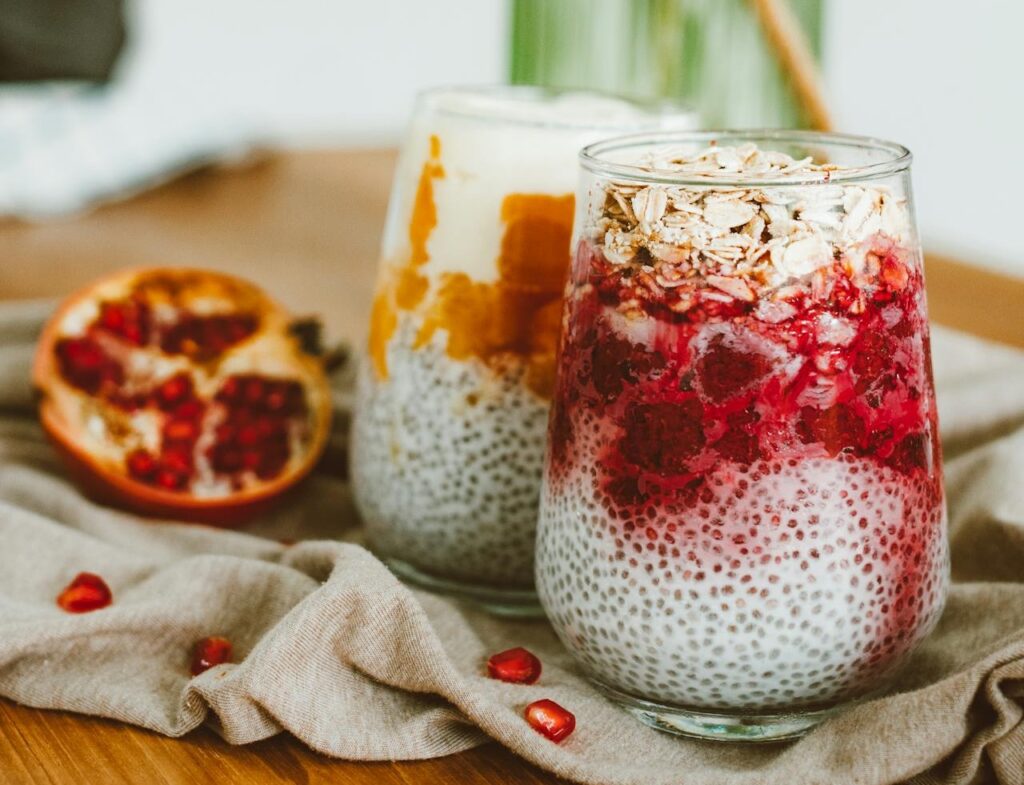
Combine 150g of unsweetened Greek yoghurt with 50g of mixed berries (blueberries, raspberries, or strawberries) and a handful (15g) of raw almonds. This snack is easy to prepare, portable, and perfect for pre- or post-workout nutrition.
Snack 2: Hard-Boiled Eggs with Veggie Sticks
Why It Works
Eggs are a powerhouse of nutrients, containing all nine essential amino acids required for muscle protein synthesis. Studies have shown that whole eggs stimulate post-exercise muscle repair better than egg whites alone, likely due to the yolk’s nutrient density (van Vliet et al., 2017). Paired with raw vegetables such as carrots, cucumbers, or bell peppers, this snack delivers fibre, vitamins, and minerals to support overall health and digestion.

Fibre from vegetables also helps regulate blood sugar levels, providing sustained energy.
Nutritional Profile (1 Serving)
- Hard-boiled eggs (2 large): 12g protein, 1g carbohydrates, 10g fat
- Veggie sticks (100g): 1.2g protein, 7g carbohydrates, 0.2g fat
- Total: ~13.2g protein, ~8g carbohydrates, ~10.2g fat
How to Prepare
Boil two large eggs and slice them in half for convenience. Prepare 100g of raw vegetable sticks, such as carrots, celery, and bell peppers. Pack them in a container for a quick, nutrient-packed snack.
Snack 3: Cottage Cheese with Pineapple and Walnuts
Why It Works
Cottage cheese is rich in casein protein, a slow-digesting protein ideal for muscle repair during long periods without food, such as overnight. Pineapple contains bromelain, an enzyme that aids digestion and reduces inflammation, making it an excellent post-workout addition (Heinicke et al., 2001). Walnuts provide omega-3 fatty acids, which support cardiovascular health and reduce exercise-induced inflammation (Simopoulos, 2002).
Nutritional Profile (1 Serving)
- Low-fat cottage cheese (150g): 16g protein, 3g carbohydrates, 2g fat
- Pineapple (50g): 0.5g protein, 7g carbohydrates, 0.1g fat
- Walnuts (10g): 2.5g protein, 1g carbohydrates, 9g fat
- Total: ~19g protein, ~11g carbohydrates, ~11.1g fat
How to Prepare
Combine 150g of low-fat cottage cheese with 50g of fresh pineapple chunks and a small handful (10g) of walnuts. This snack provides a perfect balance of protein, carbs, and fats for muscle recovery and overall health.
Tips for Smarter Snacking
1. Prioritise Protein
Protein is essential for muscle repair and growth. Aim for snacks that provide at least 10-20g of protein per serving to maximise muscle protein synthesis. According to the Journal of the International Society of Sports Nutrition, evenly distributing protein intake throughout the day can enhance recovery and muscle building (Areta et al., 2013).
2. Opt for Whole Foods
Whole, minimally processed foods are more nutrient-dense than their processed counterparts. Research highlights that ultra-processed foods often lead to overeating and weight gain due to their low satiety and high caloric density (Monteiro et al., 2019).
3. Time Your Snacks Strategically
Snack timing is crucial for fitness enthusiasts. Consuming protein and carbohydrates within 30 minutes to two hours after exercise enhances recovery and replenishes glycogen stores (Ivy, 2004). Pre-workout snacks should focus on providing sustained energy, while post-workout snacks should prioritise recovery.
4. Watch Your Portions
While healthy snacks support your gains, overeating can lead to excessive calorie intake. Use a food scale or portion control methods to ensure you stay within your calorie goals.
Conclusion
Smart snacking is an essential part of any fitness journey, providing the nutrients needed to support muscle growth, recovery, and overall health. By incorporating snacks like Greek yoghurt with berries and almonds, hard-boiled eggs with veggie sticks, and cottage cheese with pineapple and walnuts, you can fuel your body effectively without compromising your progress. Remember to prioritise protein, choose whole foods, and time your snacks strategically to maximise their benefits.
Key Takeaways
| Snack Smarter: Healthy Snack Options | Protein | Carbs | Fats | Benefits |
|---|---|---|---|---|
| Greek yoghurt with berries and almonds | ~14g | ~18.5g | ~7.2g | Muscle repair, antioxidants, healthy fats |
| Hard-boiled eggs with veggie sticks | ~13.2g | ~8g | ~10.2g | Complete protein, fibre, satiety |
| Cottage cheese with pineapple and walnuts | ~19g | ~11g | ~11.1g | Slow-digesting protein, anti-inflammatory properties, omega-3s |