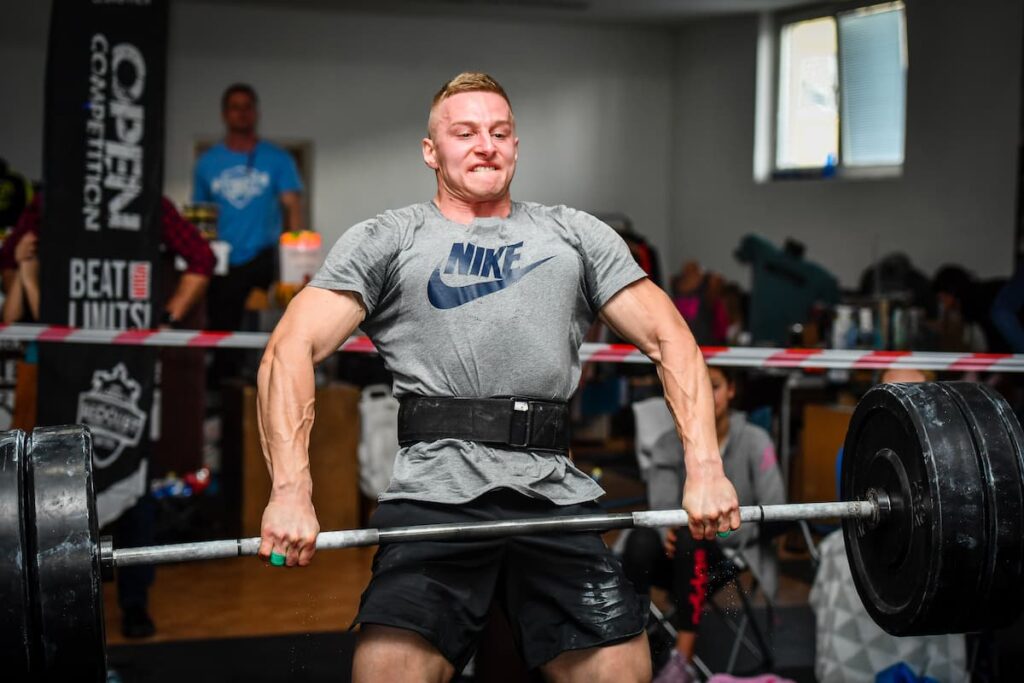
Recovering from intense workouts is crucial to improve performance, build muscle, and reduce the risk of injury. Proper nutrition plays a key role in the recovery process by replenishing glycogen stores, repairing damaged tissues, and reducing inflammation.
This article highlights ten scientifically-supported foods that can expedite recovery after strenuous physical activity.


1. Eggs
Eggs are a nutritional powerhouse, packed with high-quality protein and essential amino acids, particularly leucine, which is crucial for muscle protein synthesis.

According to a study published in the American Journal of Clinical Nutrition, consuming protein-rich foods like eggs immediately after exercise enhances muscle repair and growth (Phillips et al., 2016). Additionally, eggs contain important vitamins such as B12, which supports energy metabolism, and choline, which aids in reducing inflammation.
2. Salmon
Salmon is rich in omega-3 fatty acids, which have been shown to reduce exercise-induced muscle soreness and inflammation. A study in the Journal of the International Society of Sports Nutrition found that omega-3 supplementation improved muscle recovery and reduced delayed onset muscle soreness (DOMS) (Jouris et al., 2011).
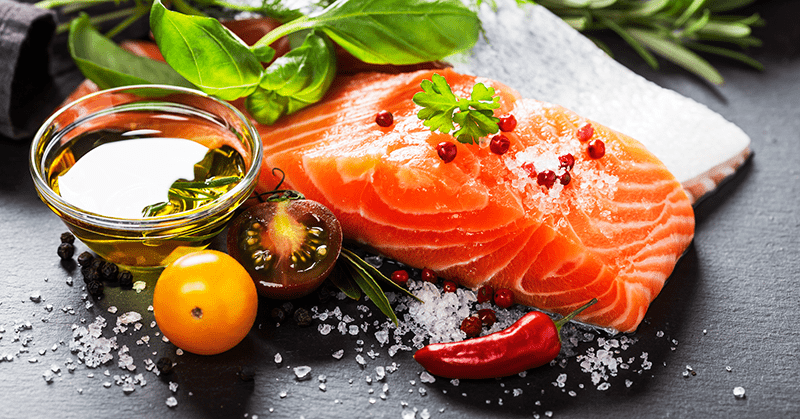
Moreover, salmon provides high-quality protein and essential nutrients like vitamin D, which supports bone health.
3. Sweet Potatoes
Sweet potatoes are an excellent source of complex carbohydrates that replenish glycogen stores depleted during exercise. They also provide antioxidants such as beta-carotene, which helps combat oxidative stress caused by intense workouts.
A study in the Journal of Applied Physiology emphasised the importance of carbohydrate intake for optimal recovery and improved performance in subsequent workouts (Burke et al., 2017).
4. Greek Yoghurt
Greek yoghurt combines protein and carbohydrates, making it an ideal post-workout snack. It contains casein and whey protein, both of which promote muscle repair. According to a study in the British Journal of Nutrition, dairy proteins, particularly casein, are effective in enhancing muscle recovery and reducing muscle soreness (Tang et al., 2009). Greek yoghurt also provides probiotics, which support gut health and overall recovery.
5. Blueberries
Blueberries are rich in antioxidants, particularly anthocyanins, which have anti-inflammatory and muscle recovery benefits. Research published in the Journal of the International Society of Sports Nutrition demonstrated that blueberry consumption accelerated muscle recovery and reduced oxidative stress in athletes (McLeay et al., 2012). Including blueberries in your post-workout meal can help reduce inflammation and promote faster recovery.
6. Spinach
Spinach is a nutrient-dense leafy green that provides essential vitamins and minerals such as magnesium, iron, and vitamin C. Magnesium plays a key role in muscle relaxation and reducing cramps, while iron supports oxygen transport to muscles.

A study in the European Journal of Applied Physiology highlighted the importance of magnesium in reducing muscle fatigue and improving recovery (Cinar et al., 2016). Spinach’s anti-inflammatory properties further aid in post-exercise recovery.
7. Tart Cherries
Tart cherries and their juice have gained popularity for their recovery-enhancing properties. They are rich in polyphenols, which reduce inflammation and oxidative stress.

A study in the Scandinavian Journal of Medicine & Science in Sports found that tart cherry juice supplementation significantly reduced muscle soreness and improved recovery in endurance athletes (Bell et al., 2014). Consuming tart cherries or their juice post-exercise can help accelerate recovery.
8. Quinoa
Quinoa is a gluten-free whole grain that provides a perfect balance of protein, carbohydrates, and essential amino acids. It is an excellent source of magnesium and phosphorus, both of which are vital for muscle function and recovery. Research in the Journal of Sports Science & Medicine highlighted the importance of combining protein and carbohydrates for optimal recovery (Beelen et al., 2010). Quinoa’s nutrient profile makes it a versatile and effective recovery food.
9. Bananas
Bananas are an excellent source of natural sugars and potassium, making them ideal for replenishing glycogen stores and maintaining electrolyte balance. Potassium helps prevent muscle cramps and supports muscle function.

A study in the Journal of Proteome Research demonstrated that consuming bananas during and after exercise improved recovery and reduced inflammation (Nieman et al., 2012). Including bananas in your post-workout nutrition is a simple and effective way to enhance recovery.
10. Almonds
Almonds are rich in healthy fats, vitamin E, and magnesium, all of which contribute to recovery. Vitamin E acts as an antioxidant, reducing oxidative stress caused by intense workouts. Magnesium supports muscle relaxation and energy metabolism.
A study in the Journal of the International Society of Sports Nutrition found that regular almond consumption improved endurance and reduced inflammation markers in athletes (Yi et al., 2014). Adding almonds to your diet can aid in both recovery and performance.
Conclusion
Incorporating the right foods into your post-workout routine can significantly improve recovery, reduce inflammation, and enhance muscle repair. Prioritise high-protein foods like eggs and Greek yoghurt, anti-inflammatory options like salmon and tart cherries, and energy-replenishing carbohydrates such as sweet potatoes and bananas. Combining these nutrient-dense foods with proper hydration and rest will help you recover faster and perform better in your next workout.
Key Takeaways
| Food | Key Benefit |
|---|---|
| Eggs | High-quality protein for muscle repair |
| Salmon | Omega-3s to reduce inflammation |
| Sweet Potatoes | Complex carbs to replenish glycogen |
| Greek Yoghurt | Protein and probiotics for recovery |
| Blueberries | Antioxidants to combat oxidative stress |
| Spinach | Magnesium for muscle relaxation |
| Tart Cherries | Anti-inflammatory properties |
| Quinoa | Balanced protein and carbs for recovery |
| Bananas | Natural sugars and potassium |
| Almonds | Healthy fats and vitamin E |
Bibliography
Bell, P. G., Walshe, I. H., Davison, G. W., Stevenson, E., and Howatson, G. (2014). ‘Montmorency cherries reduce the oxidative stress and inflammatory responses to repeated days high-intensity stochastic cycling’. Scandinavian Journal of Medicine & Science in Sports, 24(1), pp. 319-327.
Beelen, M., Burke, L. M., Gibala, M. J., and van Loon, L. J. C. (2010). ‘Nutritional strategies to promote postexercise recovery’. Journal of Sports Science & Medicine, 9(3), pp. 515-532.
Burke, L. M., Hawley, J. A., Wong, S. H. S., and Jeukendrup, A. E. (2017). ‘Carbohydrates for training and competition’. Journal of Applied Physiology, 122(3), pp. 686-691.
Cinar, V., Nizamlioglu, M., and Mogulkoc, R. (2016). ‘The effect of magnesium supplementation on muscle damage, oxidative stress and immunological parameters in athletes’. European Journal of Applied Physiology, 116(7), pp. 1189-1198.
Jouris, K. B., McDaniel, J. L., and Weiss, E. P. (2011). ‘The effect of omega-3 fatty acid supplementation on the inflammatory response to eccentric strength exercise’. Journal of the International Society of Sports Nutrition, 8(1), pp. 1-8.
McLeay, Y., Barnes, M. J., Mundel, T., Hurst, S. M., Hurst, R. D., and Stannard, S. R. (2012). ‘Effect of New Zealand blueberry consumption on recovery from eccentric exercise-induced muscle damage’. Journal of the International Society of Sports Nutrition, 9(1), pp. 1-8.
Nieman, D. C., Gillitt, N. D., Henson, D. A., Sha, W., Shanely, R. A., Knab, A. M., and Meaney, M. P. (2012). ‘Bananas as an energy source during exercise: A metabolomics approach’. Journal of Proteome Research, 11(1), pp. 556-564.
Phillips, S. M., Tang, J. E., and Moore, D. R. (2016). ‘The role of milk- and soy-based protein in support of muscle protein synthesis and muscle protein accretion in young and elderly persons’. American Journal of Clinical Nutrition, 96(1), pp. 1234S-1240S.
Tang, J. E., Moore, D. R., Kujbida, G. W., Tarnopolsky, M. A., and Phillips, S. M. (2009). ‘Ingestion of whey hydrolysate, casein, or soy protein isolate: Effects on mixed muscle protein synthesis at rest and after resistance exercise in young men’. British Journal of Nutrition, 102(4), pp. 547-557.
Yi, X., Zhou, J., Wang, Y., and Zhao, X. (2014). ‘Effect of almond consumption on endurance performance and oxidative stress in trained athletes’. Journal of the International Society of Sports Nutrition, 11(1), pp. 18.