Building an attractive physique is not just about rigorous exercise routines; nutrition plays an equally significant role in shaping your body. While training builds muscle, fuels metabolism, and sheds fat, a well-chosen diet enhances these effects, enabling optimal recovery, muscle growth, and fat reduction.
In this article, we’ll cover the seven best foods you should include in your diet to improve body composition and appearance, backed by scientific evidence.


1. Salmon
Why Salmon? Salmon is packed with high-quality protein and essential omega-3 fatty acids, both critical for muscle growth, fat metabolism, and overall health. Omega-3s, especially, have been shown to decrease inflammation and support faster recovery from workouts.
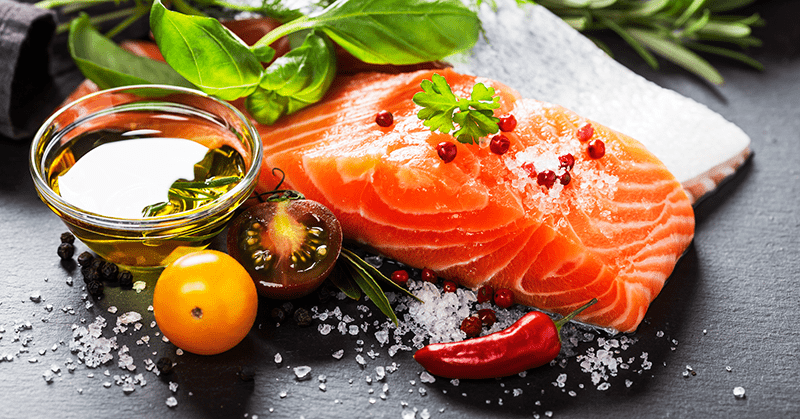
Scientific Insight: A study published in The American Journal of Clinical Nutrition found that omega-3 supplementation helps increase muscle protein synthesis, essential for muscle growth (Smith et al., 2011).
How to Incorporate Salmon: Include salmon in your diet twice a week for maximum benefits. Grill or bake to retain nutrients and avoid unnecessary fats.
2. Greek Yoghurt
Why Greek Yoghurt? Greek yoghurt is a high-protein, calcium-rich food ideal for muscle repair and bone health. Additionally, it contains probiotics, which can improve gut health and digestion, optimising nutrient absorption.
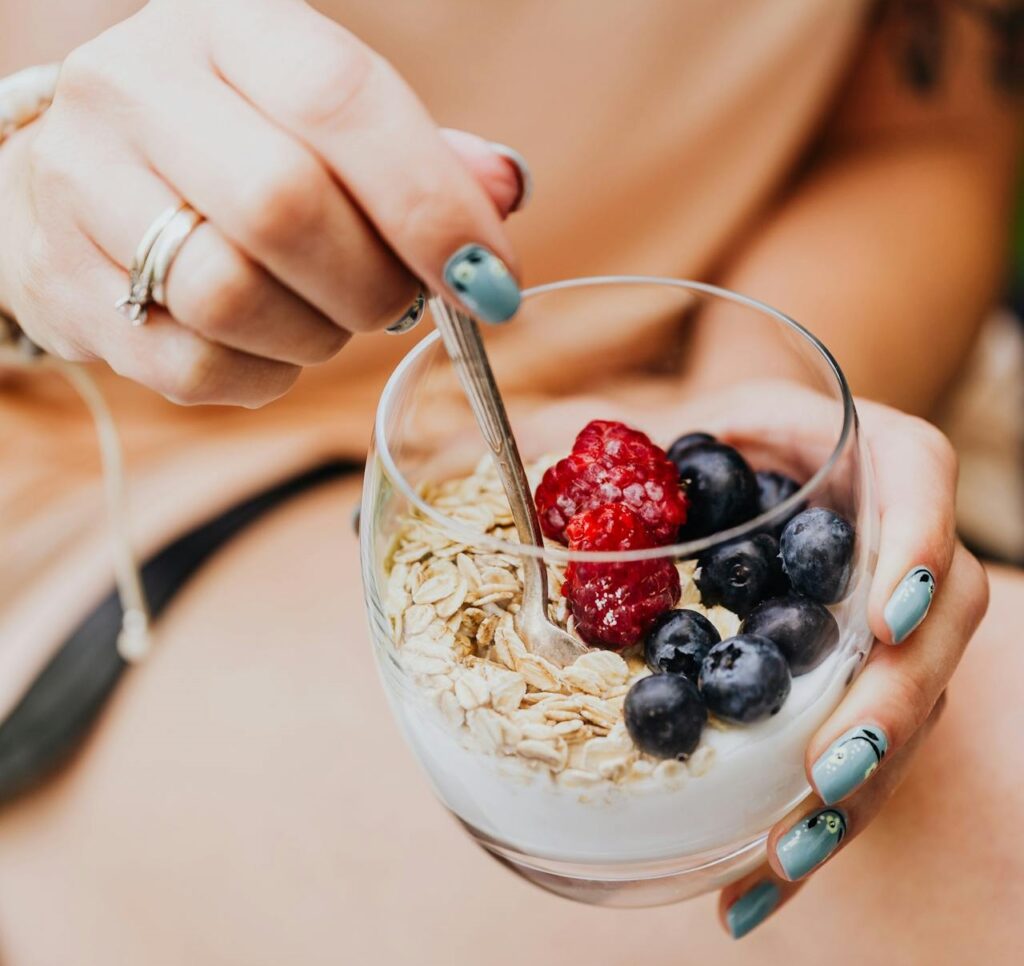
Scientific Insight: According to a study from The Journal of Nutrition, the probiotics in yoghurt can enhance protein absorption and improve metabolic health, supporting muscle gain and fat loss (Marco et al., 2017).
How to Incorporate Greek Yoghurt: Include it in your breakfast or post-workout snack, combined with fruits or honey for a balanced nutrient profile.
3. Eggs
Why Eggs? Eggs are a nutritional powerhouse, containing high-quality protein, essential amino acids, and choline, which supports cognitive health. Their balance of protein and fat makes them ideal for muscle recovery and satiety, preventing overeating.
Scientific Insight: Research from The American Journal of Clinical Nutrition showed that egg-based breakfasts lead to greater satiety and reduced caloric intake throughout the day, supporting a leaner body (Vander Wal et al., 2005).
How to Incorporate Eggs: Include eggs in various forms—boiled, scrambled, or poached. Aim for two eggs per day to provide sustained energy and muscle recovery.
4. Quinoa
Why Quinoa? Quinoa is a complete protein source, containing all nine essential amino acids. It’s also rich in fibre, supporting digestive health and metabolic function. As a complex carbohydrate, it provides sustained energy.
Scientific Insight: Studies in The Journal of the International Society of Sports Nutrition highlight quinoa’s high fibre and nutrient content, which supports muscle growth and fat loss (Hoffman et al., 2016).
How to Incorporate Quinoa: Substitute quinoa for rice or pasta, particularly in meals following workouts for optimal muscle recovery and energy.
5. Almonds
Why Almonds? Almonds are rich in protein, healthy fats, and fibre, making them a perfect snack for muscle repair and fat loss. They also provide vitamin E, a potent antioxidant that aids recovery by reducing oxidative stress post-exercise.
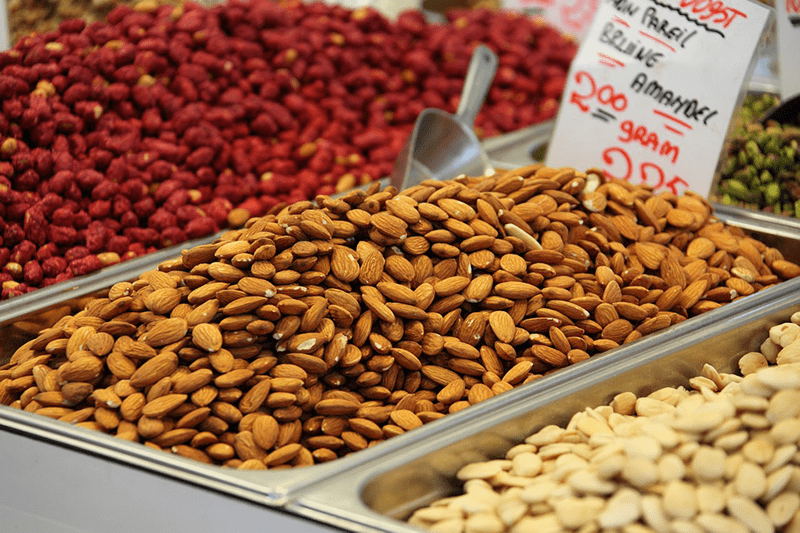
Scientific Insight: Research in The Journal of the International Society of Sports Nutrition found that almonds can reduce hunger and lower the risk of weight gain, ideal for those aiming for a lean, defined body (Tan et al., 2006).
How to Incorporate Almonds: Keep a handful of almonds as a quick snack option between meals or add to oatmeal or salads for extra protein.
6. Spinach
Why Spinach? Spinach is nutrient-dense, containing iron, magnesium, and nitrates, which help improve muscle function and endurance. These nutrients support oxygen transport, ensuring that muscles perform at their best.
Scientific Insight: A study from Cell Metabolism indicated that nitrates in spinach could enhance muscular strength and efficiency, contributing to a more toned physique (Larsen et al., 2011).

How to Incorporate Spinach: Use spinach as a base for salads, in smoothies, or as a cooked side to boost your intake of iron and other essential nutrients.
7. Lean Chicken Breast
Why Lean Chicken Breast? Chicken breast is a go-to for lean muscle gain due to its high protein content and low fat. It provides an optimal protein-to-calorie ratio, supporting muscle growth without adding excess body fat.
Scientific Insight: Studies in The Journal of Sports Sciences have shown that lean protein sources like chicken breast are particularly effective at promoting lean muscle gains and recovery post-training (Phillips et al., 2011).
How to Incorporate Chicken Breast: Grill, bake, or stir-fry chicken breast and pair it with vegetables or quinoa for a balanced meal that supports muscle gain and fat loss.
Key Takeaways Table
| Food | Primary Benefit | Recommended Intake |
|---|---|---|
| Salmon | Muscle growth, fat metabolism | Twice a week |
| Greek Yoghurt | Muscle repair, gut health | Daily as breakfast or snack |
| Eggs | Muscle recovery, satiety | 2 eggs daily |
| Quinoa | Sustained energy, muscle gain | Post-workout meals |
| Almonds | Satiety, muscle repair | 1 handful per day |
| Spinach | Endurance, muscle function | Daily in meals |
| Lean Chicken Breast | Lean muscle gain, recovery | Twice a week |