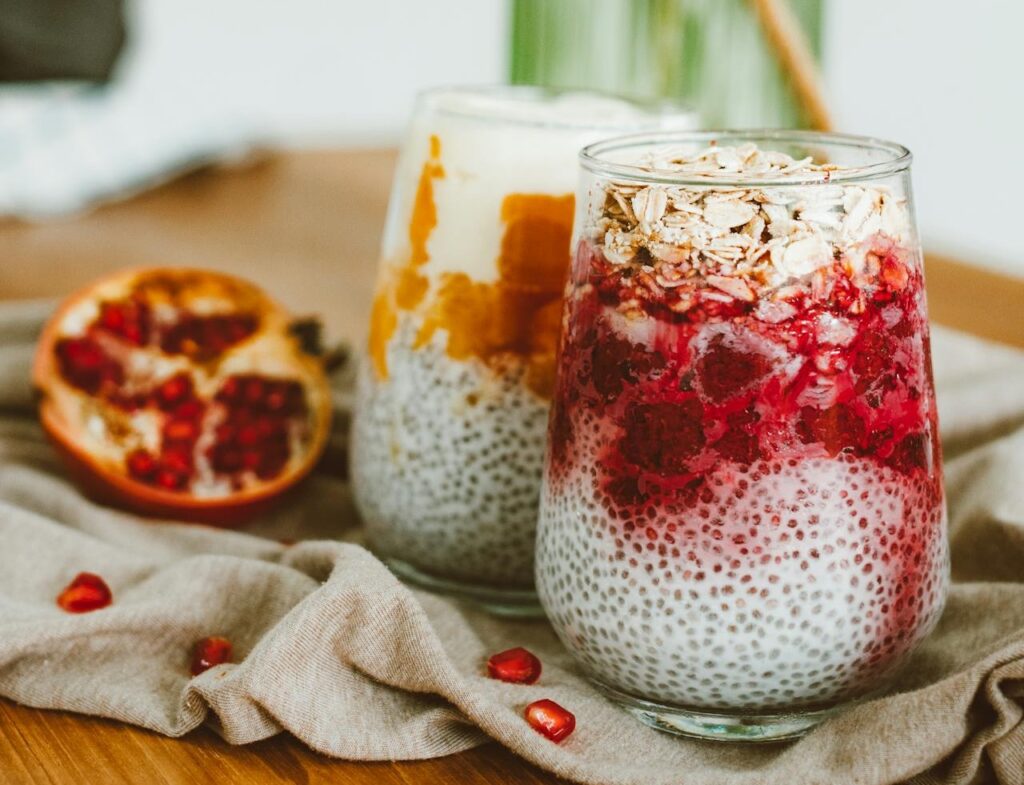
Losing belly fat is a common fitness goal, but achieving it requires not only consistent exercise but also a well-rounded diet.
The food you eat directly impacts your ability to burn fat effectively, regulate appetite, and improve overall metabolic health. Here are seven scientifically-backed foods you should include in your diet to accelerate belly fat loss.


1. Oats
Oats are a nutrient-dense whole grain packed with soluble fibre, particularly beta-glucans, which play a significant role in reducing belly fat. Soluble fibre forms a gel-like substance in your gut, slowing digestion and stabilising blood sugar levels. This helps reduce insulin spikes, which are linked to fat storage, especially around the abdominal region.
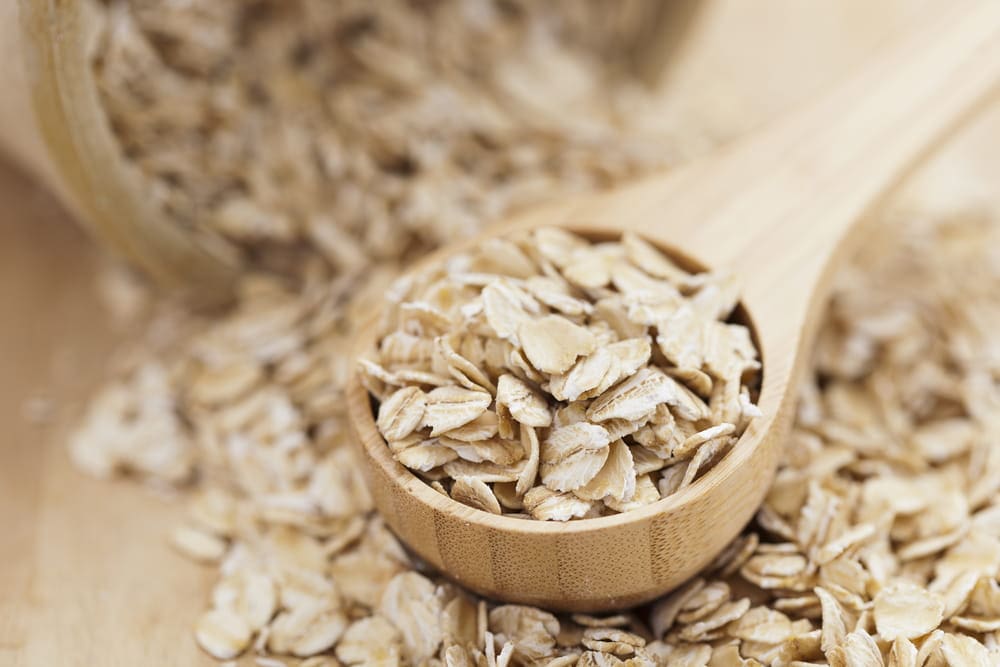
A study published in the journal Nutrients found that a high-fibre diet, particularly one rich in whole grains, significantly reduced visceral fat over time (Slavin, 2013). Additionally, oats have a low glycaemic index (GI), making them a perfect choice to maintain energy levels and prevent overeating.
Opt for steel-cut or rolled oats rather than processed varieties to maximise fibre and nutrient content. Add fruits or a sprinkle of nuts for added flavour without resorting to sugary toppings.
2. Eggs
Eggs are an excellent source of high-quality protein, healthy fats, and essential vitamins like B12 and choline. Protein is critical for weight loss as it promotes satiety and boosts thermogenesis – the process by which your body burns calories to digest food.
Research in The American Journal of Clinical Nutrition showed that high-protein breakfasts, such as eggs, increase feelings of fullness and reduce overall calorie intake throughout the day (Leidy et al., 2015). Furthermore, choline in eggs is essential for breaking down fat and preventing fat accumulation in the liver.
Include eggs in your breakfast or snacks to keep you full and support fat loss efforts. Aim for boiled or poached eggs to minimise added fats from cooking.
3. Fatty Fish
Fatty fish such as salmon, mackerel, and sardines are rich in omega-3 fatty acids, which have been shown to reduce inflammation, improve insulin sensitivity, and enhance fat oxidation. Chronic inflammation and insulin resistance are significant contributors to belly fat accumulation, and incorporating omega-3s into your diet can combat these issues.
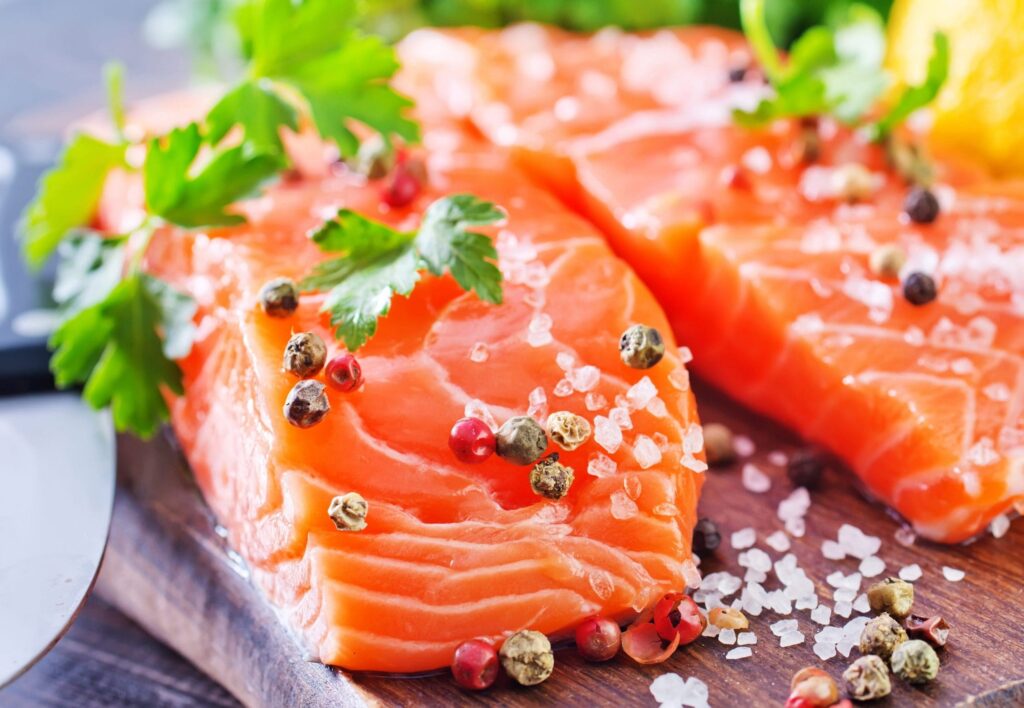
A meta-analysis published in PLOS One highlighted that omega-3 supplementation was associated with significant reductions in visceral fat and waist circumference (Du et al., 2015). Fatty fish is also an excellent source of high-quality protein, further supporting muscle preservation and fat loss.
Aim to consume two servings of fatty fish per week as recommended by health authorities, and consider grilling or baking the fish to retain its nutritional value.
4. Green Tea
Green tea contains catechins, particularly epigallocatechin gallate (EGCG), which are potent antioxidants known to boost fat metabolism. EGCG works synergistically with caffeine in green tea to increase energy expenditure and promote the breakdown of stored fat.
A study published in The International Journal of Obesity found that green tea catechins enhanced fat loss, particularly in the abdominal area, when combined with moderate exercise (Hursel et al., 2009). Drinking green tea regularly also helps improve digestion and reduce bloating, contributing to a flatter stomach.

For optimal results, consume 3–4 cups of green tea daily. Avoid adding sugar or creamers, as these can negate the fat-burning benefits.
5. Avocados
Avocados are rich in monounsaturated fats, which have been shown to target belly fat specifically. These healthy fats reduce inflammation, improve cholesterol levels, and enhance the body’s ability to utilise fat as fuel. Avocados also provide dietary fibre, promoting satiety and reducing overall calorie intake.

A study published in Nutrients demonstrated that participants who consumed avocados regularly had a lower likelihood of developing visceral fat and maintained a healthier waist-to-hip ratio compared to those who didn’t (Fulgoni et al., 2013). Additionally, the oleic acid in avocados has been linked to reduced hunger levels.
Incorporate half an avocado into your meals, such as salads, smoothies, or on whole-grain toast, to harness its fat-burning benefits.
6. Greek Yoghurt
Greek yoghurt is an excellent source of probiotics, which help improve gut health – a crucial factor in reducing belly fat. An imbalanced gut microbiome is linked to higher levels of inflammation and fat storage. Probiotics found in Greek yoghurt promote a healthy gut environment, aiding in digestion and fat metabolism.
Additionally, Greek yoghurt is high in protein, which supports muscle retention during fat loss. A study in the British Journal of Nutrition showed that consuming dairy products like Greek yoghurt was associated with greater reductions in belly fat compared to non-dairy protein sources (Zemel et al., 2005).
Choose plain, unsweetened Greek yoghurt to avoid added sugars, and pair it with fresh fruits or nuts for a balanced snack.
7. Leafy Greens
Leafy greens such as spinach, kale, and Swiss chard are low in calories but high in fibre, vitamins, and minerals, making them an essential part of any fat-loss diet. They promote fullness without adding excess calories and provide nutrients like magnesium and potassium, which reduce bloating and water retention.
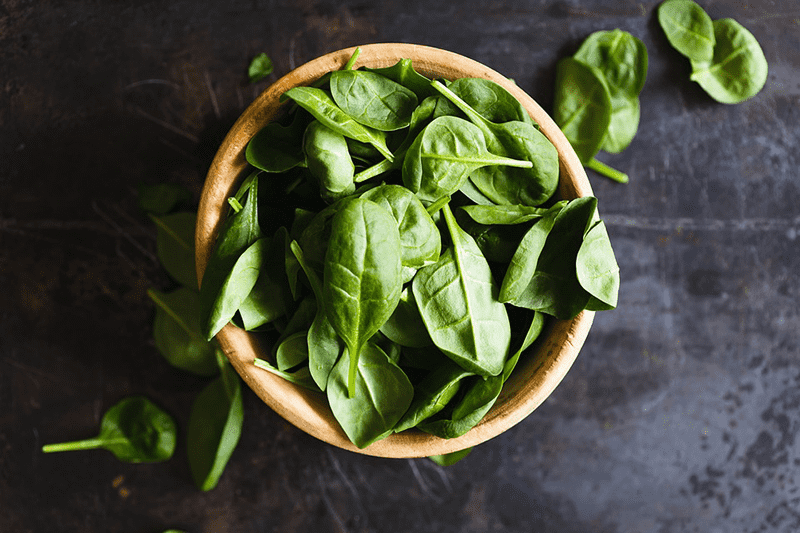
A study published in The Journal of Nutrition found that individuals who consumed more vegetables, particularly leafy greens, had lower body fat percentages and smaller waist circumferences (He et al., 2004). Furthermore, leafy greens are rich in antioxidants, supporting overall metabolic health and reducing inflammation.
Add leafy greens to salads, smoothies, or stir-fries to maximise your intake and support your belly fat loss goals.
Conclusion
Incorporating these seven foods into your diet can significantly support your efforts to lose belly fat. Each food offers unique benefits, from boosting metabolism and reducing inflammation to enhancing satiety and promoting fat oxidation.
Paired with regular exercise and a calorie-controlled diet, these nutrient-dense options can help you achieve a leaner and healthier physique.
Key Takeaways
| Food | Key Benefit |
|---|---|
| Oats | High in soluble fibre to reduce visceral fat and stabilise blood sugar levels. |
| Eggs | Rich in protein and choline, supporting satiety and fat metabolism. |
| Fatty Fish | Packed with omega-3s to reduce inflammation and promote fat oxidation. |
| Green Tea | Contains catechins and caffeine to enhance fat burning and energy expenditure. |
| Avocados | Rich in monounsaturated fats and fibre to reduce hunger and target belly fat. |
| Greek Yoghurt | Probiotic-rich food that supports gut health and reduces inflammation. |
| Leafy Greens | Low-calorie, high-fibre vegetables that promote fullness and reduce bloating. |
Bibliography
- Du, S., Jin, J., Fang, W., Su, Q. and Zhou, X., 2015. Effect of omega-3 fatty acids on abdominal fat mass and circulating adiponectin in overweight and obese adults: A meta-analysis. PLOS One, 10(10), p.e0138915.
- Fulgoni, V., Dreher, M. and Davenport, A., 2013. Avocado consumption is associated with better diet quality and nutrient intake, and lower metabolic syndrome risk in US adults. Nutrients, 5(9), pp. 4020–4033.
- He, K., Hu, F.B., Colditz, G.A., Manson, J.E., Willett, W.C. and Liu, S., 2004. Changes in intake of fruits and vegetables in relation to risk of obesity and weight gain among middle-aged women. The Journal of Nutrition, 134(2), pp. 292–297.
- Hursel, R., Viechtbauer, W. and Westerterp-Plantenga, M.S., 2009. The effects of green tea on weight loss and weight maintenance: A meta-analysis. International Journal of Obesity, 33(9), pp. 956–961.
- Leidy, H.J., Clifton, P.M., Astrup, A., Wycherley, T.P., Westerterp-Plantenga, M.S., Luscombe-Marsh, N.D. and Mattes, R.D., 2015. The role of protein in weight loss and maintenance. The American Journal of Clinical Nutrition, 101(Supplement 6), pp. 1320S–1329S.
- Slavin, J., 2013. Fibre and prebiotics: Mechanisms and health benefits. Nutrients, 5(4), pp. 1417–1435.
- Zemel, M.B., Thompson, W., Milstead, A., Morris, K. and Campbell, P., 2005. Calcium and dairy acceleration of weight and fat loss during energy restriction in obese adults. Obesity Research, 13(8), pp. 1344–1350.