Running is one of the healthiest habits a person can adopt. It is exceptionally beneficial for every aspect of your health, from cardiovascular and muscle health to your mental well-being. However, running isn’t something that you master on the first try in terms of stamina and endurance, as it takes time for them to develop.
Nutrition is a key aspect of running, as certain foods can significantly improve your performance, while others can completely ruin your running experience. In this article, we will give you five foods for increased energy levels.


Bananas
Packed with potassium, bananas are known as very beneficial for muscle health and are often the go-to snack for athletes. They are also rich in carbohydrates, which are the body’s primary source of energy, so they energize you quickly and effectively.

A medium-sized banana contains about 28 grams of carbs, making it an excellent pre-run snack. They are easy on the stomach, meaning you can have a banana right before you start your run. The potassium contained in bananas is an essential mineral that helps regulate muscle function and prevent cramps.
The natural sugars in bananas, such as glucose, fructose, and sucrose, also play a significant role in providing an immediate energy boost. The fiber content helps sustain this energy release, preventing sudden spikes and crashes, which means that bananas are actually ideal energy boosters if you enjoy a long run.
Bananas are very easy to incorporate into your running routine. You can simply peel a banana and have it before your run, but you can also have it in a smoothie if you prefer it that way or add it to a fruit salad if you want to mix a few flavors. Many runners eat a banana while running, but that can be dangerous because there’s a risk of choking, so avoid having your banana this way.
Bananas are also an excellent post-run snack. Because they are rich in potassium, they can help muscles recover after an intense running session.
Oats
If you are looking for more than just a pre-run snack, oatmeal is definitely something worth considering. Light and easy to prepare, oatmeal combines the best features of a pre-run snack and a complete meal, especially if you prefer running in the morning.
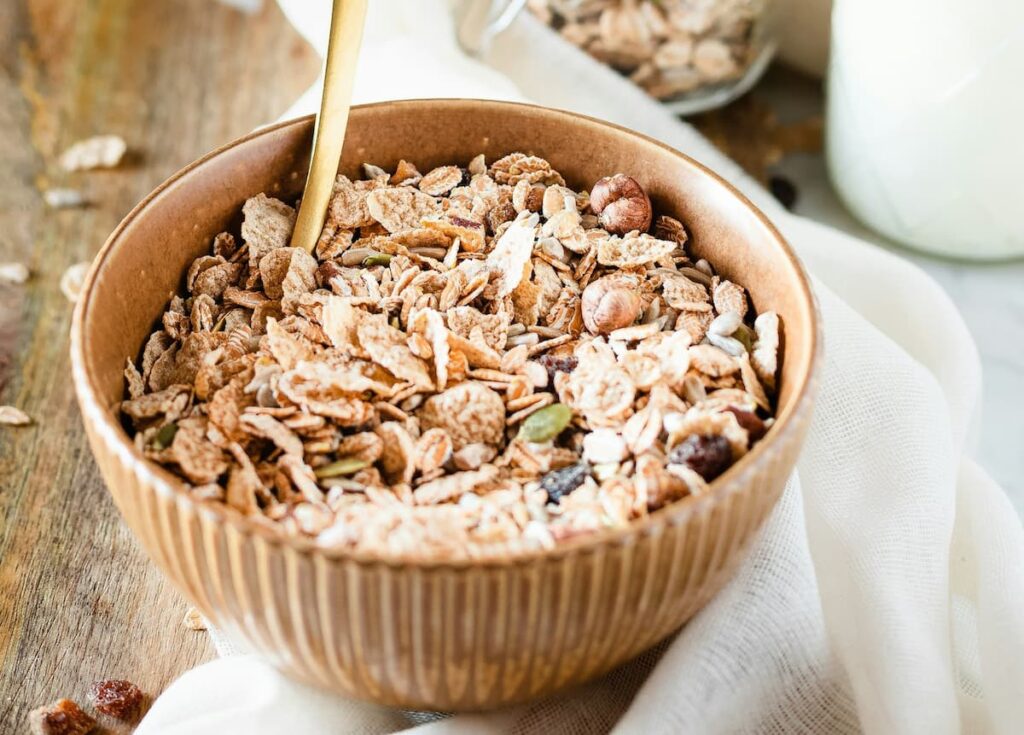
Oats are a fantastic source of complex carbohydrates. The body breaks down complex carbohydrates slowly, providing a steady release of energy, perfect for maintaining a stable energy level while running. Beneficial for all runners, but particularly for long-distance runners, oats are one of the best pre-run foods you can have. They prepare your body for the challenge that you are about to undertake, energizing you and keeping you that way while you run.
Additionally, oats are rich in beta-glucan, a type of soluble fiber that helps regulate blood sugar levels, which means that you won’t be at risk of a sudden sugar crash. Beta-glucan is also exceptionally beneficial for overall immunity and health improvement, so in addition to having more energy to run, you will also improve your immune function.
Oats contain a good amount of protein and fat, making them a well-rounded meal for energy and muscle repair. The presence of antioxidants in oats also helps reduce inflammation and muscle soreness, which makes oatmeal a great post-run choice. For beginners who are more prone to muscle post-run inflammation, oats can offer a great deal of relief in the long term.
Oats offer countless choices in terms of preparing and combining them. From oatmeal to homemade oat energy bars, you can pre-make them so you don’t have to spend any time preparing them. You can also make overnight oatmeal enriched with berries and other fruits and enjoy a healthy and energizing breakfast in the morning.
However, if you opt for oatmeal, make sure you use non-dairy milk, as there may be better pre-run choices for everyone. Dairy milk tends to be more difficult to digest and, therefore, causes a sense of stomach heaviness, which you definitely want to avoid during your run.
Sweet Potatoes
As a rich source of complex carbohydrates, sweet potatoes provide long-lasting energy for runners. They are also rich in vitamins A and C, potassium, and manganese, which makes them beneficial for muscle health and recovery—a crucial aspect of running.
Not only do these nutrients play a role in muscle health, but they also help maintain overall health in the long term.

The high carbohydrate content in sweet potatoes provides you with a steady energy supply, which is especially important if you are a long-distance runner. On the other hand, if you prefer sprinting, they will provide you with the bursts of energy sprinting requires.
Either way, you won’t risk a sudden energy crash. Additionally, the fiber in sweet potatoes helps keep blood sugar levels stable, and their antioxidant properties also help reduce inflammation and speed up recovery after a running session.
It is very easy to introduce sweet potatoes into your running routine, but they do require some time to prepare. If you prefer something quick, you might want to look into the other options listed here.
The good news is that you can make them in advance and have them ready when you need them.
Sweet potatoes are exceptionally delicious when roasted. You can turn them into roasted sweet potato sticks or roast them in thicker pieces—everything counts. Roasted sweet potatoes are an excellent base to add flavor to, so you can add your favorite flavors, creating a snack that is not only healthy but delicious as well.
You can also pair them with another meal and have them as a side, or have them as the main course with some salad as the side dish.
Another great way to enjoy sweet potatoes is to mash them, but don’t use butter or milk. Opt for a vegan option, as the dairy variants will do you more harm than good when having mashed sweet potatoes as a pre-run snack. Keep in mind that mashed sweet potatoes are best served warm, so making them ahead of time isn’t the best idea.
Boiling your sweet potatoes are another way to pre-make them and have them ready when you them, as an addition to a wholegrain toast, or simply snack on them before your run.
Chia Seeds
Known as a superfood, chia seeds may be small, but they pack a powerful punch when it comes to energy and nutrition. They are an excellent source of omega-3 fatty acids, protein, fiber, and antioxidants, acting as potent energy boosters.
Chia seeds also have the unique ability to absorb liquid and form a gel-like substance, which helps keep you hydrated during your run. Maintaining good hydration during your run isn’t only important for energy and proper muscle recovery post-run.
The combination of carbohydrates, healthy fats, and protein in chia seeds makes them a steady energy source, keeping you equally active during your entire running session. They help maintain stable blood sugar levels, gradually release energy, and maintain your rhythm during your run.
The high fiber content aids in digestion and helps prevent stomach issues, particularly during intense runs.
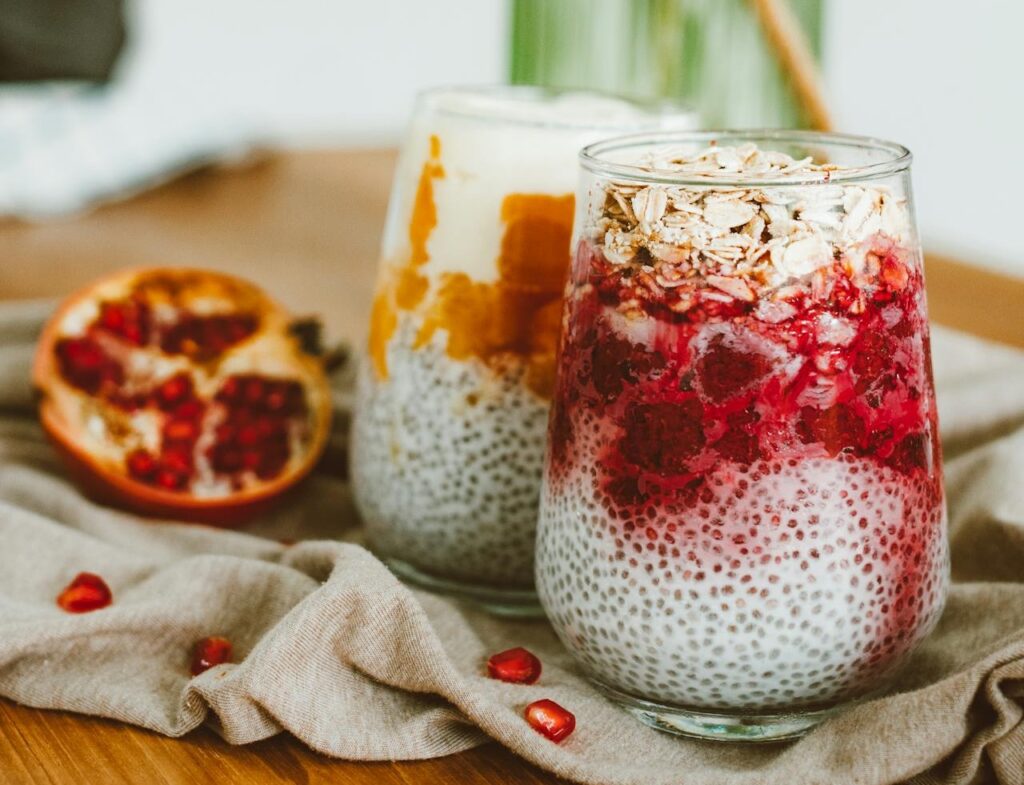
You can have chia seeds in many different ways. The chia pudding is probably one of the most popular chia snacks, so if nothing else comes to mind, you always have this option. You can make it a day ahead and enjoy it with berries, cherries, banana wheels, or another fruit you enjoy. You can also add chia seeds to your pre-run smoothie or add them to a seed mix and have it a few times a day.

Avoid dairy milk here as well, and opt for coconut, rice, or almond alternatives.
Quinoa
Quinoa is another excellent pre-run option for steady energy. It’s a complete protein containing all nine essential amino acids, which is rare for a plant-based food. Quinoa is also rich in complex carbohydrates, fiber, vitamins, and minerals, making it an ideal pre-run but also a post-run food.
The high protein content in quinoa helps with muscle repair and recovery, which is essential for runners who put a lot of strain on their muscles. The complex carbs provide stable energy, while the fiber content ensures a steady release of glucose into the bloodstream.
Quinoa is also gluten-free, making it suitable for those with gluten sensitivities.
The only downside of quinoa is that it requires cooking and it doesn’t do well pre-cooked, so it is best that you have it freshly made. However, it does offer many options and combinations you would enjoy.
You can have it as a breakfast bowl, add it to stir-fries instead of rice, or even make quinoa bread and store it for a couple of days.