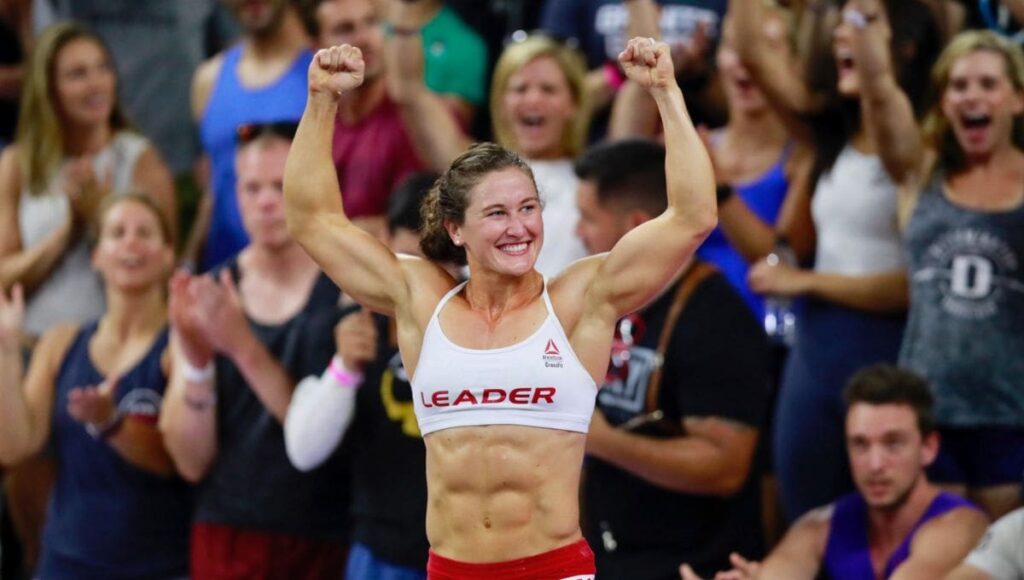
As men age, hormonal shifts, lifestyle changes, and a slowing metabolism contribute to increased belly fat.
Accumulation of visceral fat, the dangerous fat surrounding internal organs, raises the risk of heart disease, diabetes, and metabolic disorders (Kelley et al., 2019). A strategic approach incorporating diet, exercise, and lifestyle modifications is essential for fat loss.


1. Optimise Your Diet for Fat Loss
Prioritise Protein Intake

Higher protein consumption boosts metabolism, reduces appetite, and preserves lean muscle mass, which is crucial for maintaining metabolic rate as men age. A study by Leidy et al. (2015) found that high-protein diets enhance satiety and reduce overall caloric intake. Protein also has a high thermic effect, meaning the body burns more calories digesting it compared to fats and carbohydrates.
Eliminate Processed Carbohydrates
Refined carbohydrates, such as white bread, pasta, and sugary snacks, cause rapid insulin spikes, leading to increased fat storage (Ludwig et al., 2018). Instead, opt for complex carbohydrates like whole grains, vegetables, and legumes, which provide sustained energy and help regulate blood sugar levels.
Adopt Time-Restricted Eating
Intermittent fasting (IF) can enhance fat loss by optimising insulin sensitivity and increasing fat oxidation. A study by Sutton et al. (2018) demonstrated that early time-restricted feeding improves insulin levels and increases fat burning in men. Aim for a daily fasting window of at least 12-16 hours to maximise benefits.
2. Implement Effective Training Strategies
Prioritise Resistance Training
Strength training preserves muscle mass and stimulates the release of fat-burning hormones, such as testosterone and growth hormone. A study by Westcott et al. (2017) showed that resistance training significantly reduces visceral fat while increasing metabolic rate. Incorporate compound movements like squats, deadlifts, and bench presses for maximum impact.
Increase High-Intensity Interval Training (HIIT)
HIIT workouts, which alternate between short bursts of intense activity and recovery, are highly effective for fat loss. Research by Gillen et al. (2016) found that 10-minute HIIT sessions were as effective as 50-minute steady-state cardio for fat loss and metabolic improvements. Aim for 3-4 weekly sessions incorporating sprinting, cycling, or bodyweight exercises.
Stay Consistent with Low-Intensity Activity
Non-exercise activity thermogenesis (NEAT) accounts for a substantial portion of daily caloric expenditure. Walking, standing, and other low-intensity movements significantly impact fat loss. A study by Levine et al. (2015) found that individuals with higher NEAT levels burned up to 350 more calories per day. Prioritise daily movement outside of structured workouts.
3. Optimise Hormonal Balance and Recovery

Manage Stress and Cortisol Levels
Chronic stress elevates cortisol levels, promoting fat storage, particularly in the abdominal region (Epel et al., 2018). Practices such as meditation, deep breathing, and adequate sleep improve cortisol regulation and enhance fat loss.
Improve Sleep Quality
Sleep deprivation negatively impacts metabolism, hunger hormones, and insulin sensitivity. A study by Cedernaes et al. (2017) found that poor sleep increases cravings for high-calorie foods and reduces fat oxidation. Aim for 7-9 hours of quality sleep per night.
Increase Testosterone Naturally
Testosterone plays a crucial role in fat metabolism and muscle maintenance. Natural strategies to boost testosterone include consuming healthy fats, strength training, and ensuring adequate vitamin D levels. Research by Pilz et al. (2011) showed that vitamin D supplementation improves testosterone levels and supports fat loss.
Conclusion
Losing belly fat after 35 requires a multifaceted approach that optimises diet, enhances training effectiveness, and improves hormonal balance. Prioritising protein intake, resistance training, and lifestyle modifications ensures sustainable fat loss and overall health improvement.
Key Takeaways
| Strategy | Key Actions |
|---|---|
| Optimise Diet | Increase protein intake, reduce refined carbs, adopt intermittent fasting |
| Effective Training | Focus on resistance training, incorporate HIIT, increase daily movement |
| Hormonal Balance | Reduce stress, improve sleep, naturally boost testosterone |
Bibliography
Cedernaes, J. et al. (2017). ‘Acute sleep loss results in tissue-specific alterations in genome-wide DNA methylation state and metabolic fuel utilisation in humans’, Science Advances, 3(10), p. e1700006.
Epel, E. et al. (2018). ‘Stress and body weight: A review of mechanisms and clinical evidence’, Annual Review of Psychology, 69, pp. 51-73.
Gillen, J. B. et al. (2016). ‘Twelve weeks of sprint interval training improves indices of cardiometabolic health similar to traditional endurance training despite a fivefold lower exercise volume and time commitment’, PLOS One, 11(4), p. e0154075.
Kelley, D. E. et al. (2019). ‘Fat distribution and metabolic risk in men: A critical review’, Obesity, 27(9), pp. 1471-1483. Leidy, H. J. et al. (2015). ‘The role of protein in weight loss and maintenance’, American Journal of Clinical Nutrition, 101(6), pp. 1320S-1329S.
Levine, J. A. et al. (2015). ‘Non-exercise activity thermogenesis (NEAT): Environment and biology’, Obesity, 23(8), pp. 1730-1734.