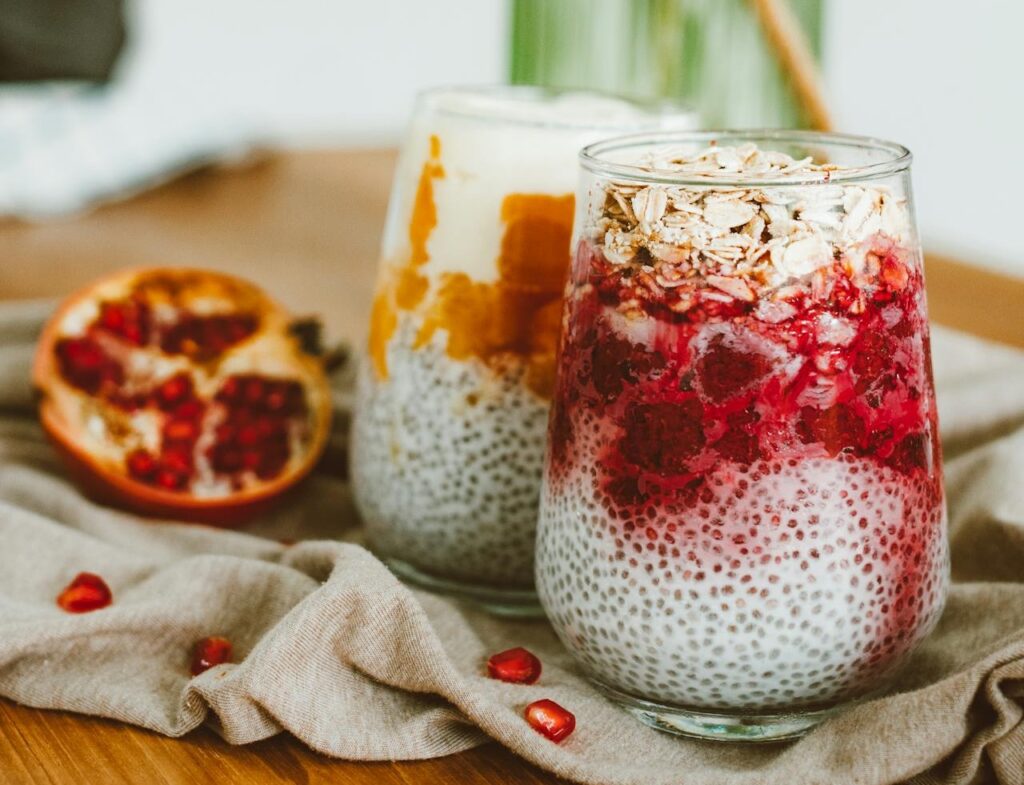
Maintaining heart health is essential for longevity and overall well-being. One of the most effective ways to support cardiovascular health is through diet. Breakfast, as the first meal of the day, provides an opportunity to consume nutrient-dense foods that can reduce the risk of heart disease.
This article explores three scientifically-backed breakfast options that promote a healthy heart.


1. Oatmeal with Berries and Nuts
Oats are an excellent choice for heart health due to their high beta-glucan content, a type of soluble fibre that has been shown to lower LDL cholesterol levels (Whitehead et al., 2014). High LDL cholesterol is a major risk factor for atherosclerosis and heart disease. A study by Queenan et al. (2007) found that daily consumption of oat beta-glucan significantly reduces LDL cholesterol levels, improving lipid profiles.
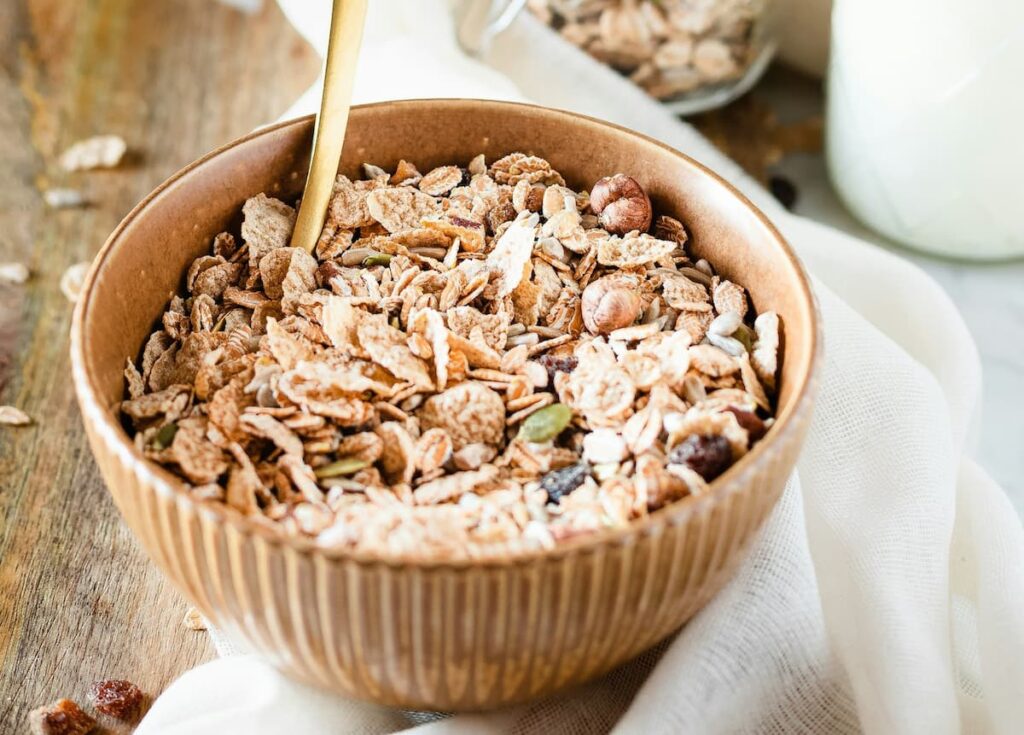
Adding berries such as blueberries, strawberries, or raspberries provides polyphenols, which have potent antioxidant properties that reduce oxidative stress and inflammation—both key contributors to cardiovascular disease (Rodriguez-Mateos et al., 2014). Moreover, a study by Cassidy et al. (2013) found that regular consumption of anthocyanin-rich berries is associated with a reduced risk of myocardial infarction.
Including nuts such as almonds or walnuts enhances the heart-protective effects of this breakfast. Walnuts are particularly beneficial as they are high in alpha-linolenic acid (ALA), a plant-based omega-3 fatty acid linked to improved endothelial function and reduced cardiovascular risk (Kris-Etherton et al., 1999). Almonds, on the other hand, have been shown to increase HDL cholesterol and reduce LDL oxidation (Jenkins et al., 2008).
How to Prepare:
- Cook ½ cup of rolled oats with 1 cup of water or unsweetened plant-based milk.
- Top with ½ cup of mixed berries.
- Add a tablespoon of chopped walnuts or almonds.
- Optionally, sprinkle a teaspoon of flaxseeds for additional omega-3 fatty acids.
2. Avocado and Wholegrain Toast with Poached Egg
Avocado is a rich source of monounsaturated fatty acids (MUFAs), which have been shown to improve lipid profiles by increasing HDL cholesterol and reducing LDL cholesterol (Fulgoni et al., 2013). A study by Wang et al. (2015) found that avocado consumption significantly reduces small, dense LDL particles, which are particularly atherogenic.

Wholegrain bread provides fibre, which further aids in cholesterol management. A meta-analysis by Threapleton et al. (2013) found that higher wholegrain consumption is associated with a lower risk of coronary heart disease. The fibre in whole grains helps regulate blood sugar and prevent insulin resistance, a key factor in metabolic syndrome and cardiovascular risk.
Poached eggs provide high-quality protein and essential nutrients, including choline, which supports brain and cardiovascular health. While eggs have been debated in terms of heart health, recent studies suggest that moderate consumption does not increase cardiovascular risk and may even provide some protective benefits (Alexander et al., 2016).
How to Prepare:
- Toast a slice of wholegrain bread.
- Mash half an avocado and spread it on the toast.
- Top with a poached egg.
- Sprinkle with black pepper and a pinch of chilli flakes for additional anti-inflammatory benefits.
3. Greek Yoghurt with Chia Seeds, Nuts, and Honey
Greek yoghurt is an excellent source of probiotics, which contribute to gut health and may have indirect cardiovascular benefits. A study by Kober et al. (2017) found that gut microbiota plays a crucial role in modulating inflammation and cholesterol metabolism. The probiotics in yoghurt can enhance gut microbiome diversity, reducing inflammation and supporting heart health (Chen et al., 2014).
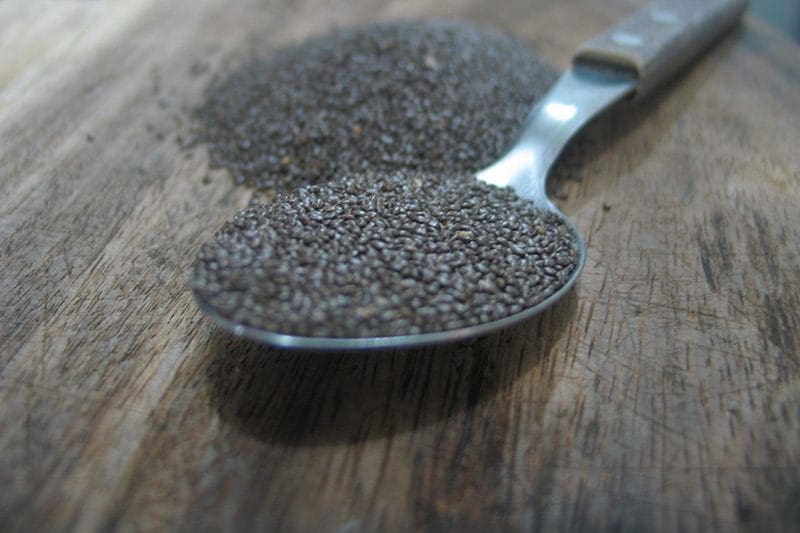
Chia seeds are particularly beneficial for heart health due to their high content of ALA and soluble fibre. A study by Ho et al. (2013) demonstrated that chia seed consumption reduces blood pressure in hypertensive individuals. The soluble fibre in chia seeds also aids in reducing LDL cholesterol levels (Vuksan et al., 2017).
Adding nuts like almonds or pistachios enhances the meal’s cardiovascular benefits. Pistachios have been shown to improve endothelial function and lower blood pressure, contributing to overall heart health (West et al., 2012). A drizzle of raw honey provides natural sweetness and contains antioxidants that protect against oxidative stress (Beretta et al., 2007).
How to Prepare:
- Serve ¾ cup of Greek yoghurt in a bowl.
- Add a tablespoon of chia seeds.
- Sprinkle with a handful of chopped almonds or pistachios.
- Drizzle with a teaspoon of raw honey.
Key Takeaways
| Key Point | Details |
|---|---|
| Oatmeal with Berries and Nuts | High in beta-glucans, polyphenols, and omega-3s, helping lower LDL cholesterol and reduce inflammation. |
| Avocado and Wholegrain Toast with Poached Egg | Provides MUFAs, fibre, and high-quality protein, supporting heart health and reducing small, dense LDL particles. |
| Greek Yoghurt with Chia Seeds, Nuts, and Honey | Rich in probiotics, omega-3s, and antioxidants, contributing to gut and cardiovascular health. |
Bibliography
Alexander, D.D., Miller, P.E., Vargas, A.J., Weed, D.L. and Cohen, S.S., 2016. Meta-analysis of egg consumption and risk of coronary heart disease and stroke. Journal of the American College of Nutrition, 35(8), pp.704-716.
Beretta, G., Granata, P., Ferrero, M., Orioli, M. and Facino, R.M., 2007. Standardization of antioxidant properties of honey by a combination of spectrophotometric/fluorimetric assays and chemometrics. Analytica Chimica Acta, 592(2), pp.320-329.
Cassidy, A., Mukamal, K.J., Liu, L., Franz, M., Eliassen, A.H. and Rimm, E.B., 2013. High anthocyanin intake is associated with a reduced risk of myocardial infarction in young and middle-aged women. Circulation, 127(2), pp.188-196.
Chen, W., Zhang, X., Yang, J., et al., 2014. Probiotics and gut microbiota in intestinal health and disease: from biology to therapy. Protein & Cell, 5(6), pp.421-432.
Fulgoni, V.L., Dreher, M. and Davenport, A.J., 2013. Avocado consumption is associated with better diet quality and nutrient intake and lower metabolic syndrome risk in US adults. Nutrition Journal, 12, p.1.
Ho, H., Lee, A.S., Jovanovski, E., Jenkins, A.L. and Vuksan, V., 2013. Effect of chia seed (Salvia hispanica L.) consumption on cardiovascular disease risk factors in individuals with type 2 diabetes: a randomized controlled trial. Nutrition, Metabolism and Cardiovascular Diseases, 23(12), pp.1163-1169.
Jenkins, D.J.A., Kendall, C.W.C., Banach, M.S., et al., 2008. Nuts as a replacement for carbohydrates in the diabetic diet: a reanalysis of a randomised controlled trial. Diabetes Care, 31(2), pp.208-211.
Kris-Etherton, P.M., Harris, W.S. and Appel, L.J., 1999. Omega-3 fatty acids and cardiovascular disease. Arteriosclerosis, Thrombosis, and Vascular Biology, 19(2), pp. 467-475.
Rodriguez-Mateos, A., Heiss, C., Borges, G. and Crozier, A., 2014. Berry polyphenols and cardiovascular health. Journal of Agricultural and Food Chemistry, 62(18), pp.3842-3851.
Threapleton, D.E., Greenwood, D.C., Evans, C.E., et al., 2013. Dietary fibre intake and risk of cardiovascular disease: systematic review and meta-analysis. BMJ, 347, p.f6879.