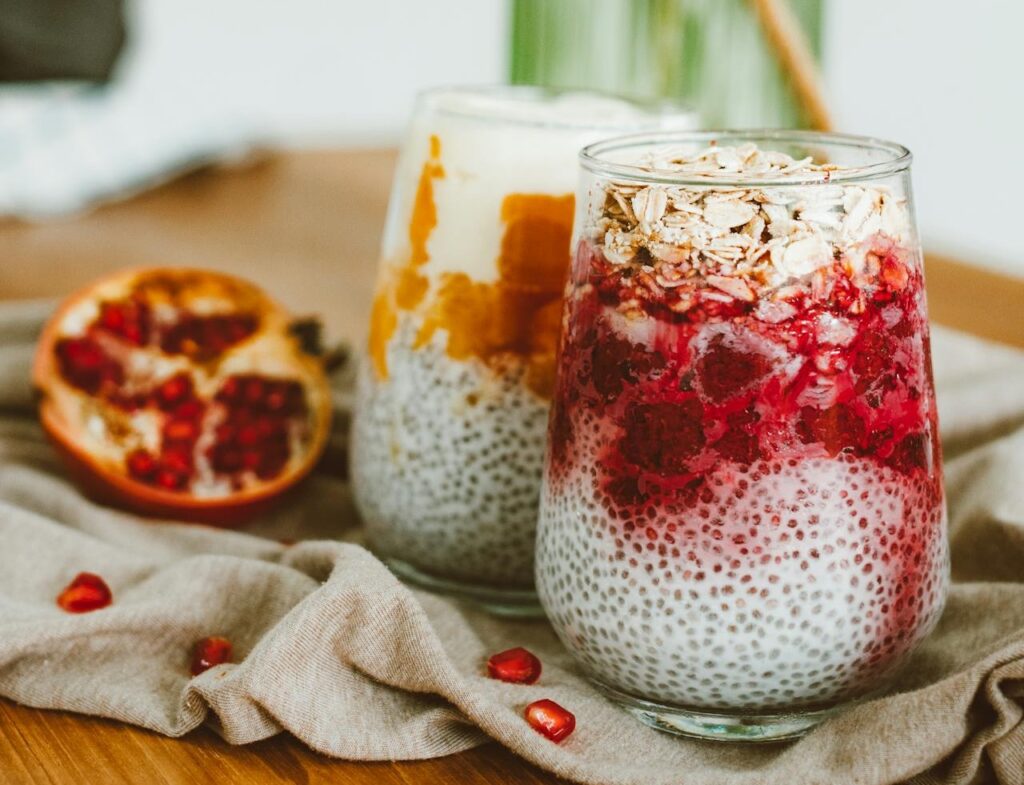
Time to get ripped.
1. Green Tea
Green tea is one of the most researched beverages for fat loss due to its high content of catechins, particularly epigallocatechin gallate (EGCG), which has been shown to increase thermogenesis and fat oxidation.



A study published in the American Journal of Clinical Nutrition found that green tea extract significantly increased energy expenditure and fat oxidation compared to a placebo (Dulloo et al., 1999). Additionally, caffeine in green tea enhances metabolic rate and mobilises fatty acids from fat tissues for energy (Hursel & Westerterp-Plantenga, 2013). Regular consumption of green tea, especially before exercise, can enhance fat burning and weight loss over time.
2. Black Coffee
Black coffee is a potent metabolic booster due to its high caffeine content. Caffeine stimulates the central nervous system, increasing thermogenesis and fat oxidation. A study published in Physiology & Behavior found that caffeine increases resting metabolic rate by 3-11%, with larger doses producing greater effects (Dulloo et al., 1992).

Another study in the American Journal of Clinical Nutrition reported that caffeine significantly enhances lipolysis, releasing fatty acids from adipose tissue (Acheson et al., 1980). Drinking black coffee before workouts can improve performance and increase fat-burning potential.
3. Apple Cider Vinegar Drink
Apple cider vinegar (ACV) is widely known for its effects on appetite suppression and improved insulin sensitivity. A study in the Journal of Functional Foods found that acetic acid, the main component in ACV, significantly reduced body fat accumulation by enhancing fatty acid oxidation (Kondo et al., 2009).
Another study in Bioscience, Biotechnology, and Biochemistry found that consuming vinegar daily led to significant reductions in body weight, BMI, and visceral fat area over 12 weeks (Ostman et al., 2005). Mixing one to two tablespoons of ACV in a glass of water before meals may promote satiety and fat loss over time.
4. High-Protein Shakes
Protein intake increases thermogenesis and satiety, making high-protein shakes an effective fat-burning beverage. A study in the American Journal of Clinical Nutrition found that protein increases the thermic effect of food more than carbohydrates or fats, leading to a higher calorie burn (Westerterp-Plantenga et al., 2006).
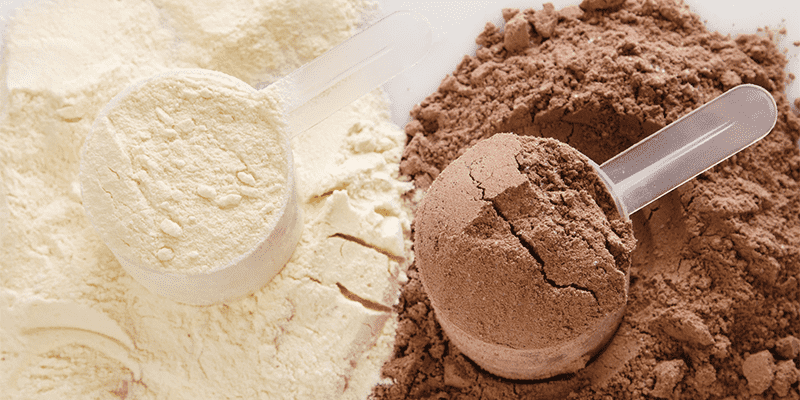
Additionally, a study in Obesity found that individuals who consumed high-protein meals experienced increased fat loss and muscle retention during weight loss (Weigle et al., 2005). Consuming a protein shake made with whey, casein, or plant-based protein can help regulate appetite and support metabolic function.
5. Water with Lemon
Drinking water itself increases metabolic rate, and adding lemon enhances its fat-burning potential. A study published in the Journal of Clinical Endocrinology and Metabolism found that drinking 500ml of water increased metabolic rate by 30% for 30-40 minutes (Boschmann et al., 2003). Additionally, lemon is rich in polyphenols and vitamin C, which may help reduce body fat accumulation.
A study in Nutrition & Metabolism showed that lemon polyphenols suppressed fat accumulation and improved insulin resistance in animal models (Mulvihill et al., 2009). Drinking warm water with lemon in the morning may enhance hydration, digestion, and fat metabolism.
Key Takeaways
| Drink | Fat-Burning Benefits |
|---|---|
| Green Tea | Increases thermogenesis and fat oxidation due to EGCG and caffeine. |
| Black Coffee | Boosts metabolism, enhances lipolysis, and improves workout performance. |
| Apple Cider Vinegar | Suppresses appetite, improves insulin sensitivity, and increases fat oxidation. |
| High-Protein Shakes | Enhances thermogenesis, promotes satiety, and supports muscle retention. |
| Water with Lemon | Boosts metabolism, enhances hydration, and contains fat-reducing polyphenols. |
References
Acheson, K.J., Zahorska-Markiewicz, B., Pittet, P., Anantharaman, K., & Jequier, E. (1980) ‘Caffeine and coffee: Their influence on metabolic rate and substrate utilization in normal weight and obese individuals’, American Journal of Clinical Nutrition, 33(5), pp. 989-997.
Boschmann, M., Steiniger, J., Hille, U., Tank, J., Adams, F., Sharma, A.M., Klaus, S., & Luft, F.C. (2003) ‘Water-induced thermogenesis’, Journal of Clinical Endocrinology and Metabolism, 88(12), pp. 6015-6019.
Dulloo, A.G., Duret, C., Rohrer, D., Girardier, L., Mensi, N., Fathi, M., Chantre, P., & Vandermander, J. (1999) ‘Efficacy of a green tea extract rich in catechin polyphenols and caffeine in increasing 24-h energy expenditure and fat oxidation in humans’, American Journal of Clinical Nutrition, 70(6), pp. 1040-1045.
Dulloo, A.G., Geissler, C.A., Horton, T., Collins, A., & Miller, D.S. (1992) ‘Normal caffeine consumption: Influence on thermogenesis and daily energy expenditure in lean and postobese human volunteers’, Physiology & Behavior, 51(4), pp. 759-762.
Hursel, R., & Westerterp-Plantenga, M.S. (2013) ‘Catechin- and caffeine-rich teas for control of body weight in humans’, American Journal of Clinical Nutrition, 98(6), pp. 1682S-1693S.
Kondo, T., Kishi, M., Fushimi, T., Ugajin, S., & Kaga, T. (2009) ‘Vinegar intake reduces body weight, body fat mass, and serum triglyceride levels in obese Japanese subjects’, Journal of Functional Foods, 1(1), pp. 50-56.
Mulvihill, E.E., Assini, J.M., Sutherland, B.G., Telford, D.E., & Huff, M.W. (2009) ‘Naringenin prevents dyslipidemia, adipose tissue inflammation, and insulin resistance in dietary-induced obesity’, Nutrition & Metabolism, 6, p. 35.
Ostman, E.M., Granfeldt, Y., Persson, L., & Björck, I.M. (2005) ‘Vinegar supplementation lowers glucose and insulin responses and increases satiety after a bread meal in healthy subjects’, Bioscience, Biotechnology, and Biochemistry, 69(1), pp. 117-125.
Weigle, D.S., Breen, P.A., Matthys, C.C., Callahan, H.S., Meeuws, K.E., Burden, V.R., & Purnell, J.Q. (2005) ‘A high-protein diet induces sustained reductions in appetite, ad libitum caloric intake, and body weight despite compensatory changes in diurnal plasma leptin and ghrelin concentrations’, Obesity, 13(4), pp. 644-652.
Westerterp-Plantenga, M.S., Rolland, V., Wilson, S.A.J., & Westerterp, K.R. (2006) ‘Satiety related to 24h diet-induced thermogenesis during high protein/carbohydrate vs. high fat diets measured in a respiration chamber’, American Journal of Clinical Nutrition, 82(6), pp. 1204-1212.