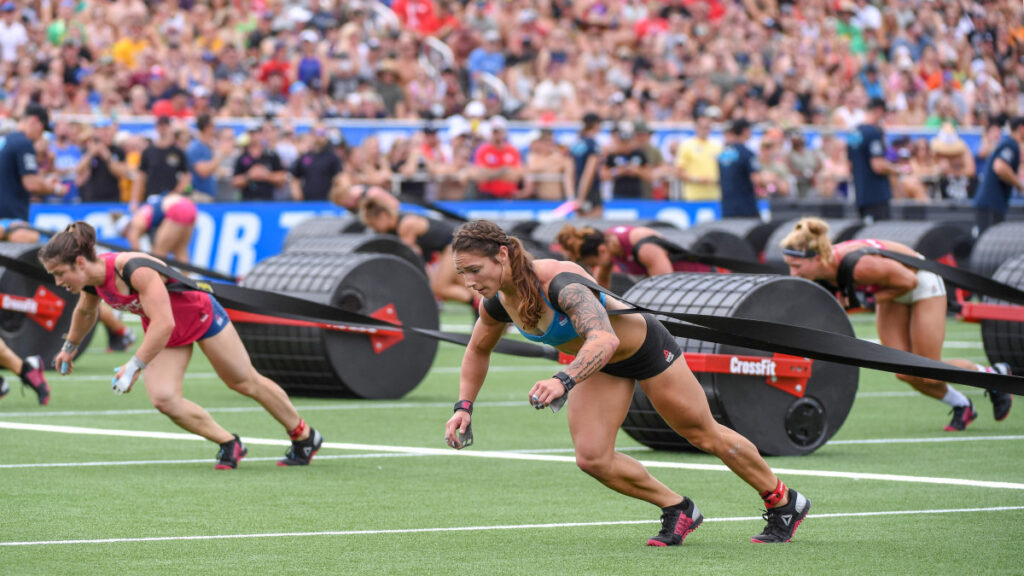
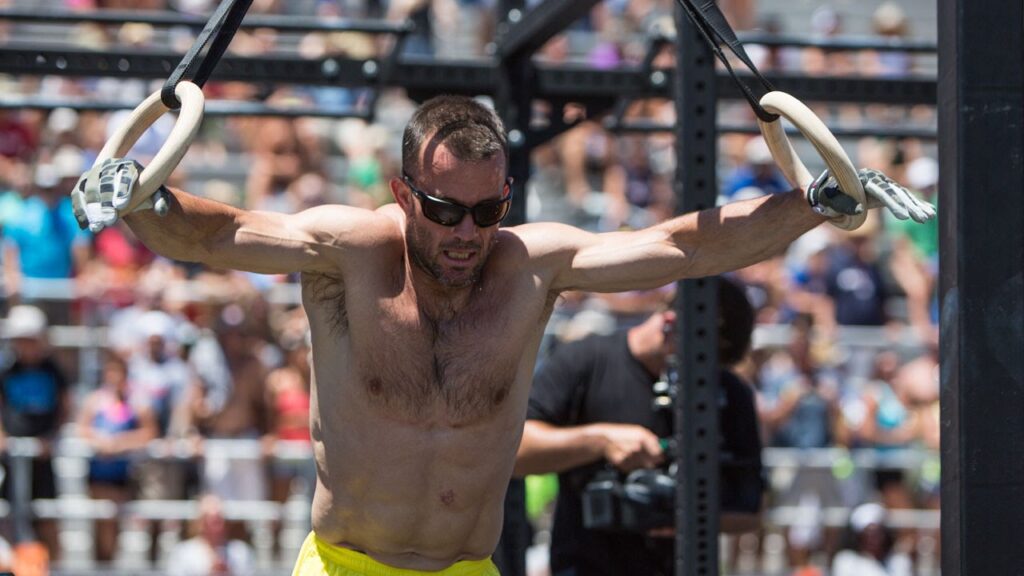
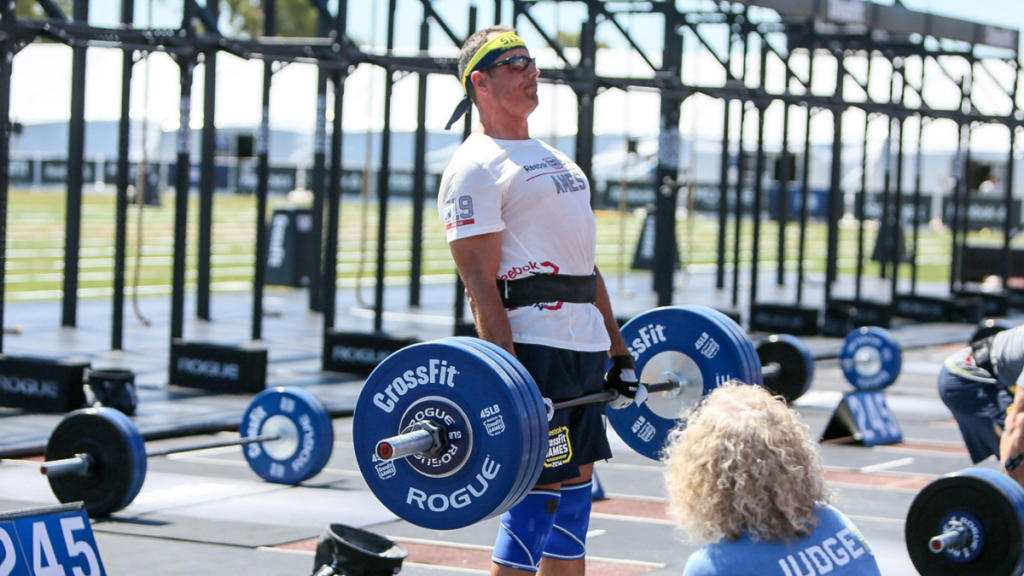
Achieving an aesthetic physique requires a balance between muscle size and definition. A bulk-heavy approach can lead to excessive fat gain, while focusing solely on leanness may leave muscles looking flat and underdeveloped.
The ideal physique is both muscular and well-defined, maximising visual appeal and physical performance. Here are three evidence-based strategies to optimise muscle size while maintaining definition.


1. Optimise Your Training for Hypertrophy and Muscle Density
Balancing muscle size and definition begins with the right training approach. Training for hypertrophy (muscle growth) typically involves lifting weights in the 6-12 rep range with moderate to heavy loads, while muscle density and definition are enhanced through strength and endurance training.

Progressive Overload for Size and Density
Progressive overload, the principle of gradually increasing the weight, reps or sets, is fundamental for muscle growth. Research shows that resistance training with 70-85% of one-rep max (1RM) stimulates hypertrophy by increasing muscle fibre cross-sectional area (Schoenfeld, 2010). Training with heavier loads (85-100% 1RM) promotes myofibrillar hypertrophy, contributing to denser, harder-looking muscles (Morton et al., 2016).
Combining High and Low Rep Ranges
A periodised approach that integrates both high-rep, low-load training and low-rep, high-load training can maximise both size and definition. High-rep training (15-20 reps) increases muscular endurance and capillary density, leading to greater muscle detail (Schoenfeld et al., 2014). Conversely, lower-rep, high-load training enhances muscle fibre recruitment, maximising size and strength.
Include Metabolic Stress Training
Metabolic stress—created by techniques such as drop sets, supersets and blood flow restriction training—stimulates hypertrophy by increasing muscle swelling and growth factor release (Loenneke et al., 2012). These methods enhance muscle shape and separation, making them valuable tools for achieving definition without sacrificing size.
2. Manipulate Nutrition for Lean Muscle Retention
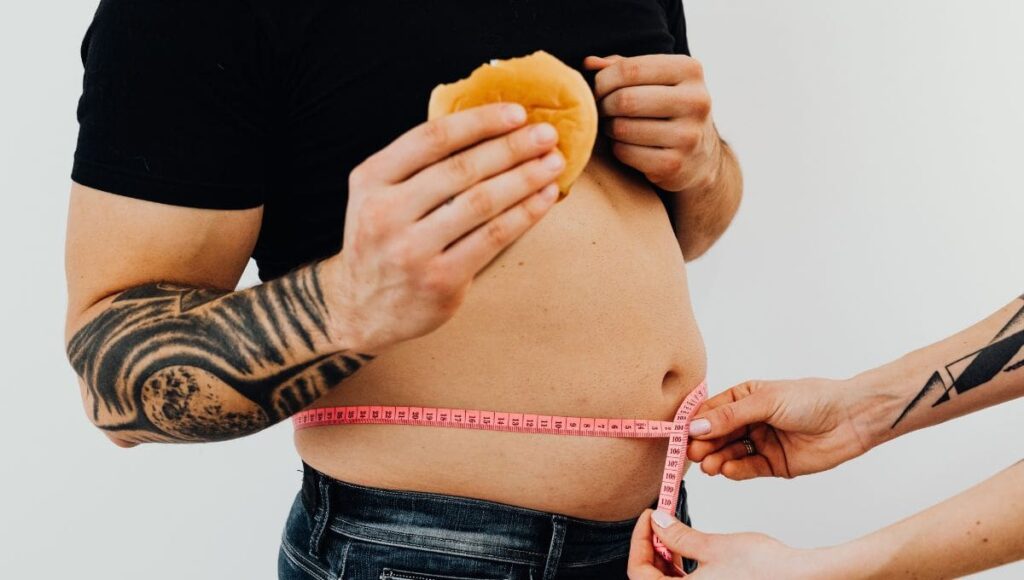
Proper nutrition is critical to maintaining muscle size while reducing body fat. Achieving a balance between caloric intake and expenditure allows for optimal muscle retention without excessive fat gain.
Protein Intake for Muscle Maintenance
A high-protein diet supports muscle mass retention during fat loss. Studies suggest that consuming 1.6-2.2 g of protein per kilogram of body weight per day maximises muscle protein synthesis and prevents catabolism during calorie deficits (Morton et al., 2018). Protein sources such as lean meats, eggs, dairy and plant-based alternatives provide essential amino acids for recovery and growth.
Caloric Cycling for Lean Gains
Caloric cycling involves alternating between maintenance, surplus and deficit phases to optimise muscle growth and fat loss. A study by Helms et al. (2014) suggests that bodybuilders who maintain a slight caloric surplus (5-10% above maintenance) gain muscle while minimising fat accumulation. Conversely, a controlled deficit (10-15% below maintenance) aids fat loss without compromising muscle mass.
Carbohydrate and Fat Optimisation
Carbohydrates provide glycogen for training performance and muscle fullness. Strategic carb timing—such as consuming the majority of daily carbohydrates around workouts—enhances recovery while preventing fat gain (Aragon & Schoenfeld, 2013). Healthy fats, particularly monounsaturated and polyunsaturated fats, support hormonal balance and metabolic function, which are crucial for maintaining definition (Volek et al., 1997).
3. Use Strategic Cardio to Maintain Definition Without Muscle Loss
Cardiovascular exercise is often associated with fat loss but must be implemented carefully to avoid muscle depletion. The right type and frequency of cardio help maintain definition while preserving muscle mass.
High-Intensity Interval Training (HIIT) for Fat Loss and Muscle Retention
HIIT is one of the most effective cardio methods for burning fat without compromising muscle size. Research shows that HIIT preserves lean muscle mass better than steady-state cardio while improving insulin sensitivity and metabolic rate (Tremblay et al., 1994). Short bursts of intense effort followed by recovery periods help maintain an anabolic state, reducing the risk of muscle breakdown.

Moderate-Intensity Steady-State (MISS) for Recovery and Fat Oxidation
MISS, such as brisk walking or cycling at 60-70% of max heart rate, enhances fat oxidation while minimising muscle fatigue. A study by Burgomaster et al. (2008) found that moderate cardio sessions improved endurance and recovery without interfering with strength training adaptations.
Fasted vs. Fed Cardio
Fasted cardio has been debated for its fat-loss benefits, but evidence suggests it does not provide a significant advantage over fed cardio when total energy balance is controlled (Schoenfeld et al., 2014). For muscle preservation, consuming a small protein-rich meal before cardio may prevent muscle breakdown while still promoting fat oxidation.
Conclusion
Balancing size and definition requires a strategic combination of resistance training, optimised nutrition and intelligent cardio programming. By integrating hypertrophy and density-focused training, adjusting caloric intake and macronutrient timing and selecting the right cardio methods, you can achieve a well-proportioned, muscular and lean physique.
Key Takeaways
| Strategy | Key Points |
|---|---|
| Optimised Training | Use progressive overload, mix rep ranges and include metabolic stress techniques to enhance both muscle size and density. |
| Smart Nutrition | Maintain high protein intake, cycle calories strategically and time carbohydrates around workouts for lean gains. |
| Intelligent Cardio | Implement HIIT for fat loss without muscle loss, use moderate-intensity cardio for recovery and adjust pre-cardio nutrition to prevent catabolism. |
References
- Aragon, A.A. & Schoenfeld, B.J. (2013). Nutrient timing revisited: is there a post-exercise anabolic window? Journal of the International Society of Sports Nutrition, 10(1), 5.
- Burgomaster, K.A., Hughes, S.C., Heigenhauser, G.J.F., Bradwell, S.N. & Gibala, M.J. (2008). Six sessions of sprint interval training increases muscle oxidative potential and cycle endurance capacity in humans. Journal of Applied Physiology, 98(6), 1985-1990.
- Helms, E.R., Aragon, A.A. & Fitschen, P.J. (2014). Evidence-based recommendations for natural bodybuilding contest preparation: nutrition and supplementation. Journal of the International Society of Sports Nutrition, 11(1), 20.
- Loenneke, J.P., Wilson, J.M., Marin, P.J., Zourdos, M.C. & Bemben, M.G. (2012). Low-intensity blood flow restriction training: a meta-analysis. European Journal of Applied Physiology, 112(5), 1849-1859.
- Morton, R.W., McGlory, C. & Phillips, S.M. (2016). Nutritional interventions to augment resistance training-induced skeletal muscle hypertrophy. Frontiers in Physiology, 7, 245.
- Morton, R.W., Murphy, K.T., McKellar, S.R., Schoenfeld, B.J., Henselmans, M., Helms, E., Aragon, A.A., Devries, M.C., Banfield, L., Krieger, J.W. & Phillips, S.M. (2018). A systematic review, meta-analysis and meta-regression of the effect of protein supplementation on resistance training-induced gains in muscle mass and strength in healthy adults. British Journal of Sports Medicine, 52(6), 376-384.
- Schoenfeld, B.J. (2010). The mechanisms of muscle hypertrophy and their application to resistance training. Journal of Strength and Conditioning Research, 24(10), 2857-2872.
- Schoenfeld, B.J., Aragon, A.A. & Krieger, J.W. (2014). The effect of protein timing on muscle strength and hypertrophy: a meta-analysis. Journal of the International Society of Sports Nutrition, 11(1), 33.
- Tremblay, A., Simoneau, J.A. & Bouchard, C. (1994). Impact of exercise intensity on body fatness and skeletal muscle metabolism. Metabolism, 43(7), 814-818.
- Volek, J.S., Kraemer, W.J., Bush, J.A., Incledon, T. & Boetes, M. (1997). Testosterone and cortisol in relationship to dietary nutrients and resistance exercise. Journal of Applied Physiology, 82(1), 49-54.