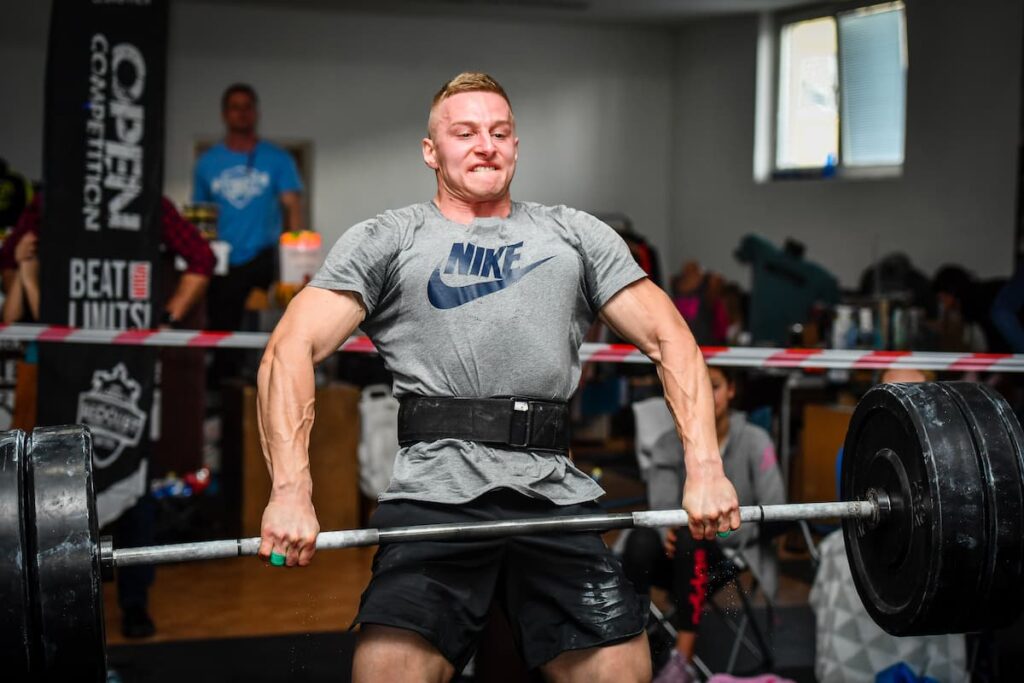
Effective post-workout nutrition is crucial for muscle recovery, reducing soreness, and optimising performance. After intense exercise, the body needs specific nutrients to repair muscle tissue, replenish glycogen stores, and support overall recovery.
This article explores three of the best post-workout snacks backed by scientific research that can accelerate muscle repair and growth.


1. Greek Yoghurt with Berries and Honey
Greek yoghurt is a high-protein, nutrient-dense food that provides an optimal combination of macronutrients for muscle recovery. It contains casein and whey protein, both of which are beneficial for muscle protein synthesis.
Whey protein is rapidly absorbed, while casein is digested more slowly, providing a sustained release of amino acids (Phillips & van Loon, 2011). Research suggests that consuming at least 20-25g of high-quality protein post-exercise maximises muscle protein synthesis (Moore et al., 2009). A serving of Greek yoghurt typically contains 15-20g of protein, making it an excellent post-workout choice.

Berries, such as blueberries and raspberries, provide antioxidants and polyphenols that reduce exercise-induced oxidative stress and inflammation, which can otherwise impair muscle recovery (Bowtell & Kelly, 2019). Adding honey supplies simple carbohydrates that help replenish glycogen stores, especially when paired with protein (Ivy et al., 2002). This combination makes Greek yoghurt with berries and honey a well-rounded, science-backed recovery snack.
2. Cottage Cheese with Pineapple and Almonds
Cottage cheese is another excellent source of casein protein, which provides a slow, steady release of amino acids essential for muscle repair (Boirie et al., 1997). A single serving of cottage cheese can contain up to 28g of protein, which supports muscle recovery and prevents catabolism.
Pineapple contains bromelain, an enzyme that has been shown to reduce muscle inflammation and accelerate post-exercise recovery (Tans et al., 2021). Additionally, pineapple provides carbohydrates to help restore muscle glycogen levels. The addition of almonds contributes healthy fats and vitamin E, a powerful antioxidant that has been linked to reduced muscle damage after intense exercise (Mastaloudis et al., 2004). This nutrient-dense snack offers a balance of protein, carbohydrates, and fats that optimally support recovery.
3. Protein Smoothie with Banana and Peanut Butter
A well-formulated protein smoothie can be one of the most convenient and effective post-workout recovery options. Whey or plant-based protein powder provides the necessary essential amino acids to stimulate muscle protein synthesis, with research indicating that a dose of 20-40g post-exercise is optimal (Tang et al., 2009).
Bananas supply fast-digesting carbohydrates that replenish glycogen stores, which is particularly important after prolonged or high-intensity training sessions (Burke et al., 2017). The natural sugars in bananas provide an easily digestible energy source to prevent fatigue and optimise recovery.
Peanut butter adds healthy fats and a modest amount of protein while enhancing flavour and satiety. Although fats slow digestion, moderate amounts do not negatively impact post-workout recovery when combined with sufficient protein and carbohydrates (Ormsbee et al., 2014). This combination makes a protein smoothie with banana and peanut butter a highly effective recovery snack.
Key Takeaways Table
| Post-Workout Snack | Key Benefits |
|---|---|
| Greek Yoghurt with Berries and Honey | Provides fast and slow-digesting proteins, antioxidants, and carbohydrates for optimal muscle recovery. |
| Cottage Cheese with Pineapple and Almonds | Offers slow-release casein protein, anti-inflammatory properties, and essential antioxidants. |
| Protein Smoothie with Banana and Peanut Butter | Delivers a fast-digesting protein and carbohydrate combination with healthy fats to support muscle repair. |
Bibliography
Boirie, Y. et al. (1997) ‘Slow and fast dietary proteins differently modulate postprandial protein accretion’, Proceedings of the National Academy of Sciences, 94(26), pp. 14930-14935. doi:10.1073/pnas.94.26.14930.
Bowtell, J.L. & Kelly, V. (2019) ‘Fruit-derived polyphenol supplementation for athlete recovery and performance’, Sports Medicine, 49(S1), pp. 3-23. doi:10.1007/s40279-018-1007-7.
Burke, L.M. et al. (2017) ‘Carbohydrates for training and competition’, Journal of Sports Sciences, 35(7), pp. 696-701. doi:10.1080/02640414.2016.1251416.
Ivy, J.L. et al. (2002) ‘Early post-exercise muscle glycogen recovery is enhanced with a carbohydrate-protein supplement’, Journal of Applied Physiology, 93(4), pp. 1337-1344. doi:10.1152/japplphysiol.00361.2002.
Mastaloudis, A. et al. (2004) ‘Antioxidant supplementation prevents exercise-induced lipid peroxidation, but not inflammation, in ultramarathon runners’, Free Radical Biology and Medicine, 36(10), pp. 1329-1341. doi:10.1016/j.freeradbiomed.2004.02.069.
Moore, D.R. et al. (2009) ‘Protein ingestion to stimulate myofibrillar protein synthesis requires greater relative protein intakes in older versus younger men’, The Journal of Gerontology: Biological Sciences, 64(6), pp. 618-625. doi:10.1093/gerona/gln050.
Ormsbee, M.J. et al. (2014) ‘The influence of high-protein diets on exercise-induced adaptations in trained individuals: a brief review’, Sports Medicine, 44(2), pp. 247-256. doi:10.1007/s40279-014-0254-2.
Phillips, S.M. & van Loon, L.J.C. (2011) ‘Dietary protein for athletes: From requirements to optimum adaptation’, Journal of Sports Sciences, 29(S1), pp. S29-S38. doi:10.1080/02640414.2011.619204.
Tang, J.E. et al. (2009) ‘Minimal whey protein with carbohydrate stimulates muscle protein synthesis following resistance exercise in trained young men’, Applied Physiology, Nutrition, and Metabolism, 34(1), pp. 63-71. doi:10.1139/H08-137.
Tans, C. et al. (2021) ‘Effects of bromelain supplementation on exercise-induced muscle damage and recovery in healthy adults: a systematic review’, Nutrients, 13(10), p. 3551. doi:10.3390/nu13103551.