Excess belly fat is a common concern, not just for aesthetic reasons but also because it is linked to serious health risks, including cardiovascular disease, type 2 diabetes and metabolic syndrome (Després, 2012).
Reducing belly fat requires a structured approach based on scientific principles rather than fad diets or unsustainable exercise routines. Here are three key actions you must take if you want to shed belly fat effectively.


1. Optimise Your Diet for Fat Loss
Create a Caloric Deficit
Fat loss is fundamentally determined by energy balance. Consuming fewer calories than you burn forces the body to utilise stored fat for energy (Hall et al., 2011). A moderate caloric deficit of 300-500 kcal per day is recommended to ensure sustainable weight loss without severe metabolic adaptations that slow down fat loss (Dulloo & Montani, 2015).

Prioritise Protein Intake
Higher protein intake has been shown to enhance fat loss, improve satiety and preserve lean muscle mass during weight loss (Leidy et al., 2015). Protein also has a high thermic effect, meaning it requires more energy to digest compared to carbohydrates and fats (Westerterp, 2004). Aim for at least 1.6–2.2 grams of protein per kilogram of body weight daily for optimal results (Morton et al., 2018).
Reduce Processed Foods and Sugary Beverages
Refined carbohydrates and added sugars contribute to fat accumulation, particularly in the abdominal area (Tappy & Lê, 2010). Sugary beverages, including soft drinks and fruit juices, increase visceral fat storage due to their rapid digestion and impact on insulin levels (Malik et al., 2010). Replacing these with whole foods such as lean proteins, healthy fats and fibre-rich carbohydrates improves satiety and promotes fat loss (Slavin, 2005).
2. Engage in the Right Type of Exercise

Prioritise Strength Training
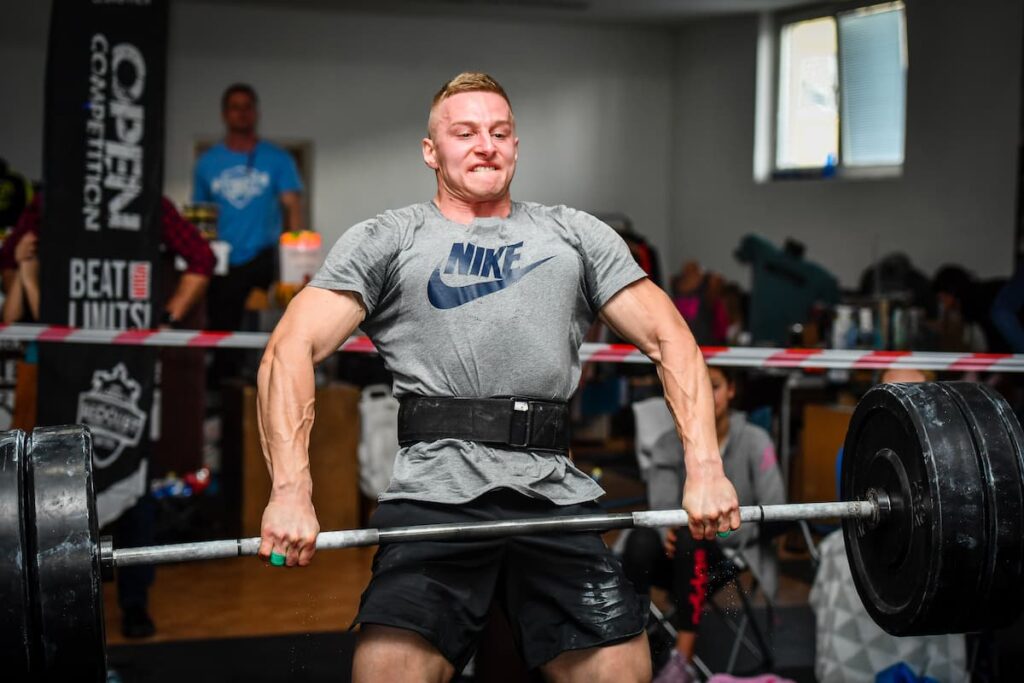
Resistance training is crucial for maintaining muscle mass while losing fat. Studies show that combining strength training with a caloric deficit leads to greater fat loss and muscle retention compared to dieting alone (Strasser & Schobersberger, 2011). Compound movements such as squats, deadlifts and bench presses are particularly effective at increasing energy expenditure and metabolic rate post-exercise (Paoli et al., 2012).
Incorporate High-Intensity Interval Training (HIIT)
HIIT has been found to be more effective at reducing visceral fat compared to steady-state cardio (Wewege et al., 2017). Short bursts of high-intensity effort followed by rest periods increase calorie burn and improve insulin sensitivity, leading to better fat loss outcomes (Jung et al., 2019). A protocol of 20-30 minutes of HIIT three to four times per week can significantly aid belly fat reduction.
Increase Daily Physical Activity
Beyond structured workouts, non-exercise activity thermogenesis (NEAT) plays a key role in fat loss. NEAT includes all movements outside of deliberate exercise, such as walking, standing and fidgeting (Levine, 2004). Increasing daily steps, using a standing desk and engaging in active commuting contribute to higher daily energy expenditure and help accelerate belly fat reduction.
3. Manage Stress and Optimise Sleep

Reduce Chronic Stress
Chronic stress leads to elevated cortisol levels, which have been linked to increased abdominal fat storage (Epel et al., 2000). Stress management techniques such as mindfulness, meditation and deep breathing exercises can lower cortisol and improve overall well-being (Pascoe et al., 2017). Regular physical activity also helps mitigate stress-induced fat accumulation (Heaney et al., 2010).
Improve Sleep Quality
Sleep deprivation is associated with higher levels of hunger hormones, reduced insulin sensitivity and increased fat retention (Spiegel et al., 2004). Research suggests that individuals who sleep less than six hours per night have significantly more visceral fat compared to those who sleep seven to eight hours (Patel et al., 2008). Strategies such as maintaining a consistent sleep schedule, avoiding screens before bedtime and reducing caffeine intake in the afternoon can enhance sleep quality and aid in fat loss.
Key Takeaways
| Key Action | Explanation |
|---|---|
| Optimise Diet | Maintain a caloric deficit, prioritise protein intake and reduce processed foods and sugary beverages. |
| Exercise Effectively | Incorporate strength training, HIIT and increase daily movement through NEAT. |
| Manage Stress & Sleep | Reduce chronic stress and improve sleep quality to regulate hunger hormones and cortisol levels. |
Bibliography
Després, J.P., 2012. Body fat distribution and risk of cardiovascular disease: an update. Circulation, 126(10), pp.1301-1313.
Dulloo, A.G. & Montani, J.P., 2015. Pathways from dieting to weight regain, to obesity and to the metabolic syndrome: an overview. Obesity Reviews, 16(S1), pp.1-6.
Epel, E.S. et al., 2000. Stress and body shape: Stress-induced cortisol secretion is consistently greater among women with central fat. Psychosomatic Medicine, 62(5), pp.623-632.
Hall, K.D. et al., 2011. Quantification of the effect of energy imbalance on bodyweight. The Lancet, 378(9793), pp.826-837.
Heaney, J.L.J., Carroll, D. & Phillips, A.C., 2010. Physical activity, life events stress, cortisol, and DHEA in older adults: Preliminary findings that physical activity may buffer against the negative effects of stress. Journal of Aging and Physical Activity, 18(3), pp.327-338.
Jung, W.S. et al., 2019. High-intensity interval training for health benefits and care of cardiac diseases – a systematic review. Korean Journal of Sports Medicine, 37(1), pp.23-32.
Leidy, H.J. et al., 2015. The role of protein in weight loss and maintenance. The American Journal of Clinical Nutrition, 101(6), pp.1320S-1329S.
Levine, J.A., 2004. Non-exercise activity thermogenesis (NEAT). Best Practice & Research Clinical Endocrinology & Metabolism, 18(4), pp.679-709.
Malik, V.S. et al., 2010. Sugar-sweetened beverages and risk of metabolic syndrome and type 2 diabetes: A meta-analysis. Diabetes Care, 33(11), pp.2477-2483.
Morton, R.W. et al., 2018. Protein intake to maximize muscle mass responses to resistance exercise: A review and examination of protein spread and change theories. Sports Medicine, 48(1), pp.99-114.
Paoli, A. et al., 2012. Resistance training with vascular occlusion: A review. International Journal of Sports Medicine, 33(8), pp.640-648.
Pascoe, M.C. et al., 2017. Mindfulness meditation and cortisol: A meta-analysis. Health Psychology Review, 11(3), pp.245-253.
Patel, S.R. et al., 2008. Short sleep duration is associated with reduced leptin, elevated ghrelin, and increased body mass index. PLoS Medicine, 1(3), p.e62.
Slavin, J.L., 2005. Dietary fiber and body weight regulation. Nutrition, 21(3), pp.411-418.
Spiegel, K. et al., 2004. Sleep curtailment in healthy young men is associated with decreased leptin levels, elevated ghrelin levels, and increased hunger and appetite. Annals of Internal Medicine, 141(11), pp.846-850.
Strasser, B. & Schobersberger, W., 2011. Evidence for resistance training as a treatment therapy in obesity. Journal of Obesity, 2011, pp.1-9.
Tappy, L. & Lê, K.A., 2010. Metabolic effects of fructose and the worldwide increase in obesity. Physiology, 25(6), pp.400-410.
Wewege, M. et al., 2017. The effects of high-intensity interval training vs. moderate-intensity continuous training on body composition in overweight and obese adults. Obesity Reviews, 18(6), pp.635-646.
Westerterp, K.R., 2004. Diet induced thermogenesis. Nutrition & Metabolism, 1(1), p.5.