Losing body fat is a goal shared by many, but the process is often misunderstood. Misinformation about fat loss leads to ineffective methods that waste time and effort. To achieve sustainable fat loss, it is essential to follow evidence-based strategies that align with human physiology. Below are five scientifically supported methods that will help you shed body fat effectively.
1. Maintain a Caloric Deficit
A caloric deficit occurs when the body expends more energy than it consumes. This is the fundamental principle behind fat loss. When you consume fewer calories than your body needs for maintenance, it resorts to stored fat for energy, leading to fat loss (Hall et al., 2015).


How to Achieve a Caloric Deficit
- Track Your Calories: Use tools like MyFitnessPal to monitor your caloric intake.
- Prioritise Nutrient-Dense Foods: Focus on lean proteins, whole grains, and vegetables to keep you satiated while staying within your calorie limits.
- Adjust Portion Sizes: Eating smaller portions of high-calorie foods can help maintain a deficit without feeling deprived.
- Monitor Progress: Regularly tracking weight and body composition ensures that you remain in a deficit without excessive restriction.
Studies confirm that reducing caloric intake by 500–750 kcal per day leads to significant fat loss while preserving lean mass (Foster-Schubert et al., 2012). However, extreme caloric restriction can lead to muscle loss and metabolic slowdown, so it is crucial to find a sustainable balance.
2. Optimise Protein Intake
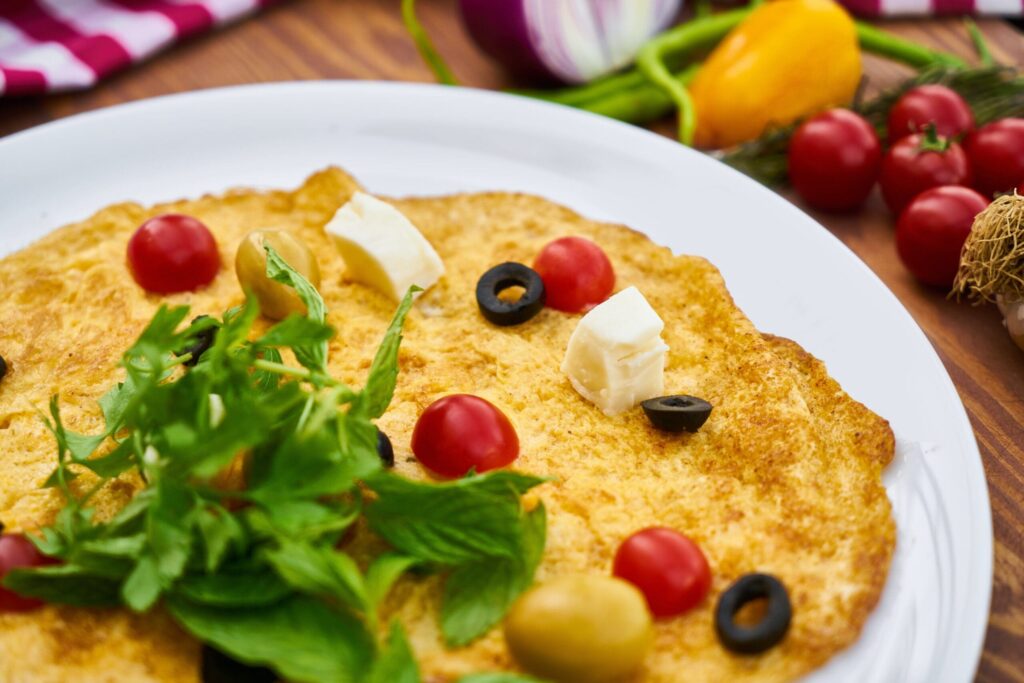
Protein plays a crucial role in fat loss by increasing satiety, preserving lean muscle mass, and boosting metabolism. High-protein diets have been shown to enhance weight loss compared to lower-protein diets (Westerterp-Plantenga et al., 2009).
How Protein Supports Fat Loss
- Increases Thermogenesis: The thermic effect of food (TEF) is highest for protein, meaning it burns more calories during digestion than fats or carbohydrates (Pesta & Samuel, 2014).
- Reduces Hunger: Protein influences appetite-regulating hormones such as ghrelin and peptide YY, leading to reduced hunger and lower overall calorie consumption (Leidy et al., 2015).
- Prevents Muscle Loss: Higher protein intake helps maintain lean mass during a caloric deficit, ensuring that fat rather than muscle is lost (Layman et al., 2005).
Aim for at least 1.6–2.2 grams of protein per kilogram of body weight per day to optimise fat loss while preserving muscle (Morton et al., 2018). Sources such as lean meats, fish, eggs, dairy, and legumes are excellent choices.
3. Engage in Resistance Training
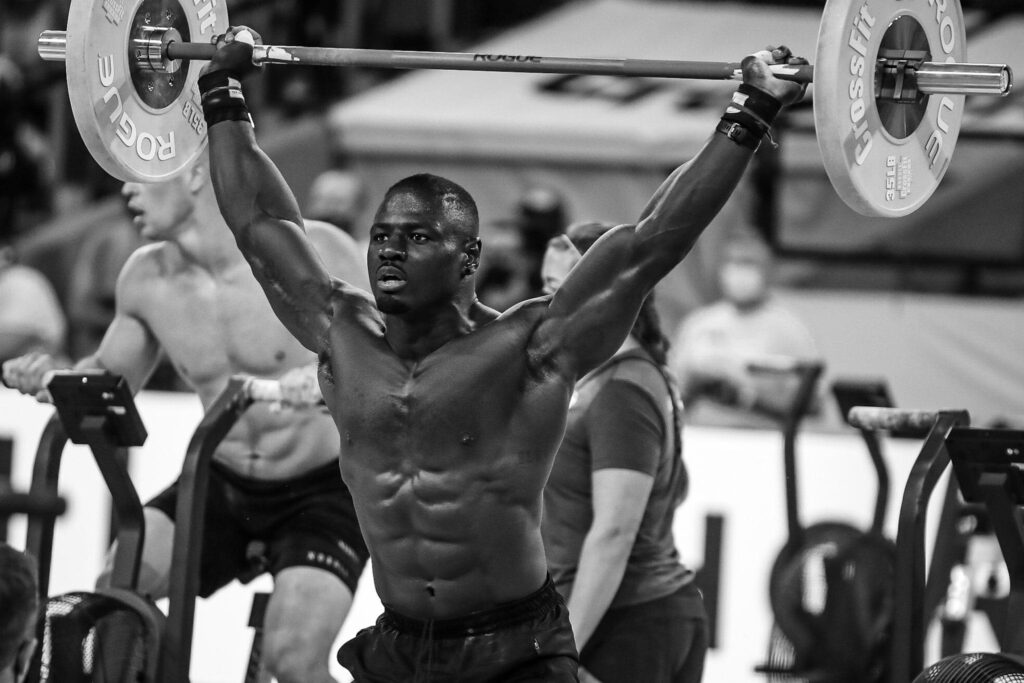
While cardio is often prioritised for fat loss, resistance training is equally—if not more—important. Strength training preserves muscle mass during a caloric deficit and increases metabolic rate, making fat loss more efficient (Westcott, 2012).
Benefits of Resistance Training for Fat Loss
- Preserves Lean Mass: Losing weight without resistance training often results in muscle loss. Strength training ensures that most of the weight lost comes from fat (Strasser et al., 2012).
- Boosts Metabolism: Muscle tissue is metabolically active and burns more calories at rest compared to fat tissue (Dolezal & Potteiger, 1998).
- Enhances Post-Exercise Caloric Burn: Resistance training creates an afterburn effect (excess post-exercise oxygen consumption), increasing calorie expenditure even after workouts (Paoli et al., 2012).
Aiming for at least three weekly sessions of compound movements like squats, deadlifts, and bench presses will significantly aid in fat loss while maintaining muscle.
4. Incorporate High-Intensity Interval Training (HIIT)
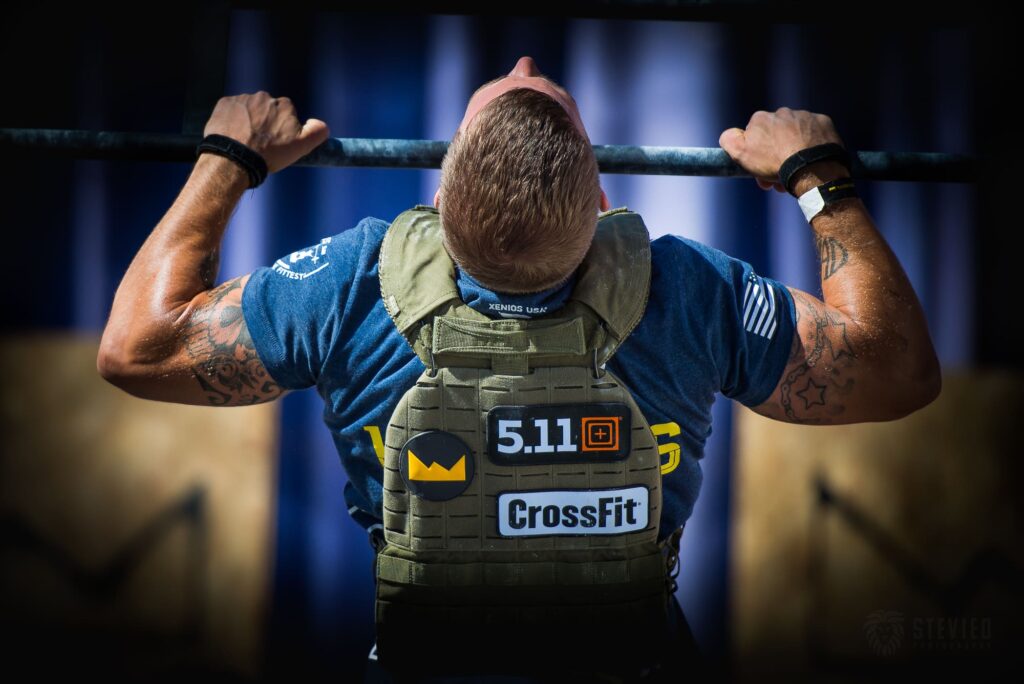
HIIT is an effective cardiovascular exercise that alternates between short bursts of intense activity and periods of rest or low-intensity exercise. Research indicates that HIIT is more effective for fat loss than steady-state cardio, despite requiring less time (Gibala et al., 2006).
Why HIIT Works for Fat Loss
- Increases Fat Oxidation: HIIT has been shown to improve the body’s ability to use fat as an energy source (Talanian et al., 2007).
- Maximises Caloric Burn: HIIT leads to a greater post-exercise calorie burn compared to traditional cardio (Maillard et al., 2018).
- Preserves Muscle Mass: Unlike excessive steady-state cardio, HIIT helps maintain lean muscle while shedding fat (Trapp et al., 2008).
A typical HIIT session includes 30-second sprints followed by 30–60 seconds of rest, repeated for 15–20 minutes. Implementing HIIT workouts two to three times per week can accelerate fat loss.
5. Prioritise Sleep and Stress Management
Sleep and stress are often overlooked aspects of fat loss. Poor sleep and high stress levels negatively impact hunger hormones, energy levels, and overall metabolic health, making it harder to lose fat (Spiegel et al., 2004).
How Sleep and Stress Affect Fat Loss
- Regulates Hunger Hormones: Sleep deprivation leads to increased ghrelin (hunger hormone) and decreased leptin (satiety hormone), leading to higher calorie intake (Taheri et al., 2004).
- Reduces Cortisol Levels: Chronic stress increases cortisol, a hormone linked to increased fat storage, particularly around the abdomen (Epel et al., 2000).
- Enhances Recovery and Performance: Proper sleep and stress management improve recovery from workouts, leading to better training performance and muscle retention (Halson, 2014).
Aim for 7–9 hours of quality sleep per night and implement stress-reducing activities such as mindfulness, deep breathing, or meditation to support fat loss.
Key Takeaways
| Key Action | Why It Works |
|---|---|
| Maintain a caloric deficit | Ensures fat is used for energy when intake is lower than expenditure |
| Increase protein intake | Enhances satiety, preserves muscle mass, and boosts metabolism |
| Perform resistance training | Preserves lean muscle and increases resting metabolic rate |
| Incorporate HIIT | Maximises fat burning in less time and maintains muscle mass |
| Optimise sleep and stress management | Regulates hunger hormones, reduces cortisol, and enhances recovery |
Bibliography
Dolezal, B. A., & Potteiger, J. A. (1998). ‘Concurrent resistance and endurance training influence basal metabolic rate in nondieting individuals’. Journal of Applied Physiology, 85(2), pp. 695-700.
Epel, E. S. et al. (2000). ‘Stress and body shape: stress-induced cortisol secretion is consistently greater among women with central fat’. Psychosomatic Medicine, 62(5), pp. 623-632.
Foster-Schubert, K. E. et al. (2012). ‘Effect of protein intake on weight loss and metabolic parameters’. Obesity, 20(8), pp. 1486-1496.
Gibala, M. J. et al. (2006). ‘Short-term sprint interval versus traditional endurance training: similar initial adaptations in human skeletal muscle and exercise performance’. Journal of Physiology, 575(3), pp. 901-911.
Hall, K. D. et al. (2015). ‘Calorie balance and weight management’. Circulation, 132(22), pp. 2169-2180.