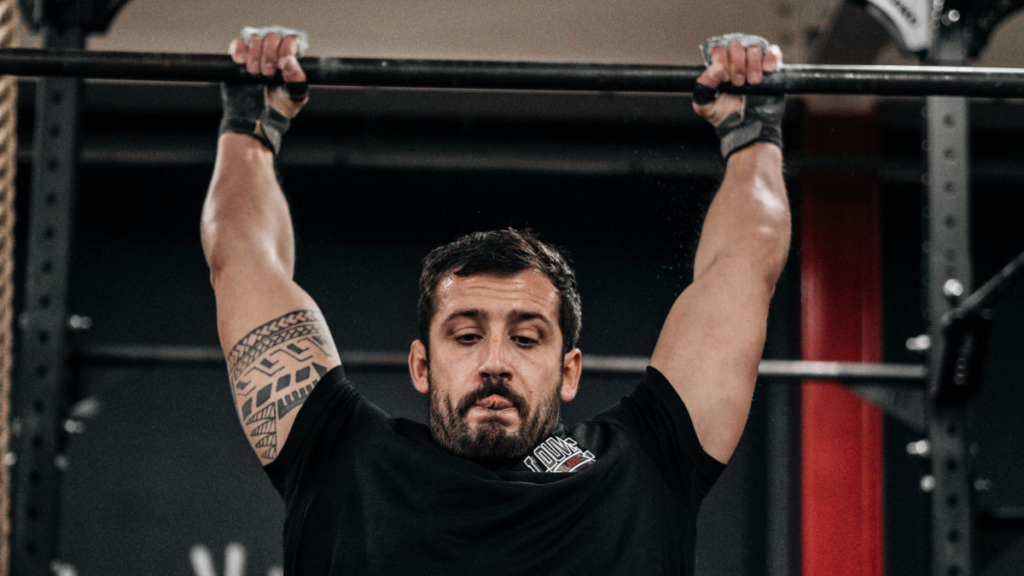
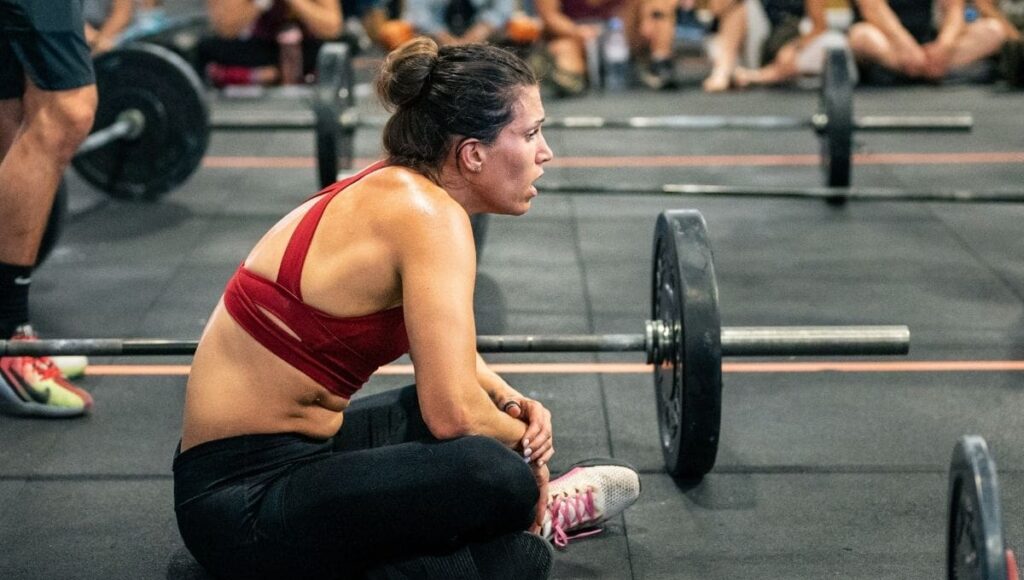
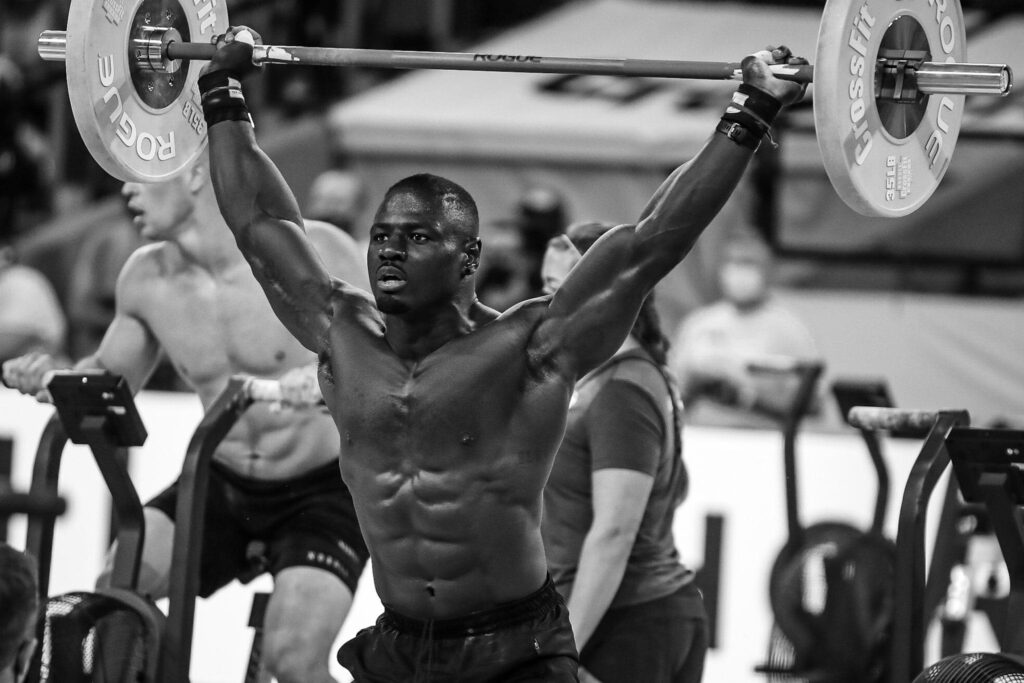
Visceral fat is the deep abdominal fat that surrounds internal organs, and excessive amounts are linked to serious health conditions such as type 2 diabetes, cardiovascular disease, and metabolic syndrome (Després et al., 2001). Unlike subcutaneous fat, which sits beneath the skin, visceral fat is more metabolically active and contributes to inflammation and insulin resistance (Smith & Kahn, 2016).
Reducing visceral fat requires a combination of exercise, nutrition, and lifestyle changes. Among various exercise modalities, three have been proven highly effective for targeting visceral fat: high-intensity interval training (HIIT), resistance training, and aerobic exercise.


1. High-Intensity Interval Training (HIIT)
How HIIT Burns Visceral Fat
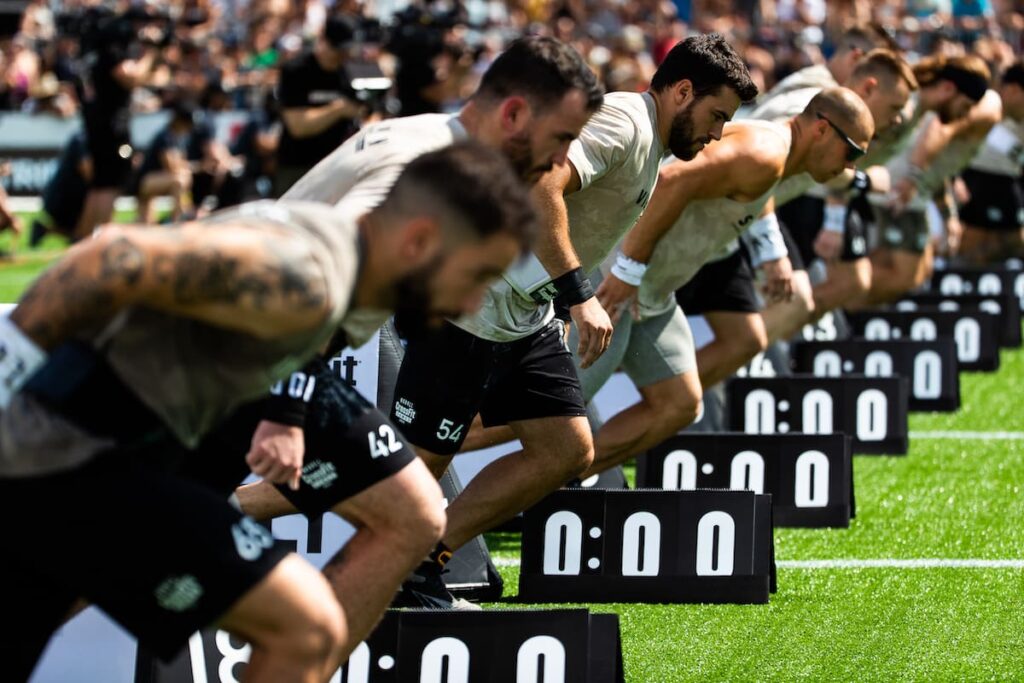
HIIT involves alternating short bursts of high-intensity exercise with brief recovery periods. This training method elevates heart rate, increases calorie burn, and stimulates excess post-exercise oxygen consumption (EPOC), leading to continued fat oxidation even after the workout ends (Boutcher, 2011). A study by Maillard et al. (2018) found that HIIT significantly reduces visceral fat compared to moderate-intensity continuous training (MICT), even when total energy expenditure is similar.
Effective HIIT Protocol for Visceral Fat Loss
A typical HIIT session can be structured as follows:
- 30 seconds of sprinting or cycling at maximum effort
- 30-60 seconds of slow jogging or walking
- Repeat for 15-20 minutes, ensuring at least 8-10 work intervals This method has been shown to improve insulin sensitivity and lipid metabolism, which are crucial factors in visceral fat reduction (Earnest et al., 2013).
Supporting Evidence
In a meta-analysis, Wewege et al. (2017) concluded that HIIT reduces visceral fat more effectively than steady-state exercise, possibly due to its impact on catecholamine release, which enhances fat breakdown.
2. Resistance Training
How Resistance Training Targets Visceral Fat
Resistance training, also known as strength training, helps build lean muscle mass and boosts resting metabolic rate. Increased muscle mass enhances fat oxidation, leading to a decrease in visceral fat over time (Strasser & Schobersberger, 2011). Unlike aerobic exercise, resistance training influences hormonal pathways that regulate fat storage, particularly through increased secretion of growth hormone and testosterone (West & Phillips, 2012).
Best Resistance Exercises for Visceral Fat Loss
The most effective exercises for reducing visceral fat are compound movements that recruit multiple muscle groups:
- Deadlifts: Engages the posterior chain and improves metabolic rate.
- Squats: Stimulates lower-body muscle groups and enhances energy expenditure.
- Push-ups and Pull-ups: Engages upper-body muscles while improving overall strength and endurance. A study by Davidson et al. (2009) found that participants engaging in resistance training three times per week experienced a significant reduction in visceral fat compared to those performing aerobic exercise alone.
Supporting Evidence
Research by Schroeder et al. (2019) indicates that strength training leads to reductions in intra-abdominal fat, even without significant weight loss, due to improved metabolic function and hormonal balance.
3. Aerobic Exercise

How Aerobic Exercise Reduces Visceral Fat
Aerobic exercise, particularly moderate-to-vigorous-intensity exercise, has long been associated with fat loss. Studies have shown that it effectively reduces visceral fat by enhancing fat oxidation, improving insulin sensitivity, and reducing systemic inflammation (Lee et al., 2005).
Best Aerobic Exercises for Visceral Fat Loss
Engaging in at least 150-300 minutes of moderate-intensity aerobic exercise per week is recommended for visceral fat reduction (WHO, 2020). Effective aerobic activities include:
- Brisk Walking: A low-impact but effective way to mobilise fat stores.
- Running: Higher calorie expenditure and improved cardiovascular function.
- Cycling: Engages the lower body while providing cardiovascular benefits. A study by Ohkawara et al. (2007) found that participants engaging in moderate-intensity aerobic exercise for 300 minutes per week lost significantly more visceral fat than those who exercised less frequently.
Supporting Evidence
A systematic review by Vissers et al. (2013) found that aerobic exercise consistently reduces visceral fat across different age groups and fitness levels, making it an essential component of any fat loss programme.
Key Takeaways
| Key Point | Summary |
|---|---|
| HIIT is highly effective | Short bursts of intense exercise increase fat oxidation and metabolic rate post-exercise. |
| Resistance training is essential | Building muscle improves fat metabolism and hormonal balance. |
| Aerobic exercise complements fat loss | Regular moderate-intensity aerobic workouts effectively reduce visceral fat. |
| Consistency is crucial | A combination of HIIT, resistance training, and aerobic exercise yields the best results. |
| Scientific evidence supports these methods | Multiple studies confirm the effectiveness of these exercises in reducing visceral fat. |
Bibliography
- Boutcher, S. H. (2011). High-intensity intermittent exercise and fat loss. Journal of Obesity, 2011, 868305.
- Davidson, L. E., Hudson, R., Kilpatrick, K., Kuk, J. L., McMillan, K., Janiszewski, P. M., Lee, S., Lam, M., & Ross, R. (2009). Effects of aerobic and resistance training on visceral and liver fat stores. Medicine & Science in Sports & Exercise, 41(5), 922-928.
- Després, J. P., Moorjani, S., Lupien, P. J., Tremblay, A., Nadeau, A., & Bouchard, C. (2001). Regional distribution of body fat, plasma lipoproteins, and cardiovascular disease. Arteriosclerosis, Thrombosis, and Vascular Biology, 10(4), 497-511.
- Earnest, C. P., Johannsen, N. M., Swift, D. L., Church, T. S., & Blair, S. N. (2013). Effect of different doses of aerobic exercise on total and visceral fat in overweight and obese postmenopausal women: A randomized trial. Obesity, 21(5), 1020-1025.
- Lee, S., Kuk, J. L., Davidson, L. E., Hudson, R., Kilpatrick, K., Graham, T. E., & Ross, R. (2005). Exercise without weight loss is an effective strategy for obesity reduction in obese individuals with and without type 2 diabetes. Journal of Applied Physiology, 99(3), 1220-1225.
- Maillard, F., Pereira, B., & Boisseau, N. (2018). High-intensity interval training reduces abdominal and visceral fat mass and improves insulin sensitivity in overweight/obese adults: A systematic review and meta-analysis. Sports Medicine, 48(2), 269-288.
- Schroeder, E. C., Franke, W. D., Sharp, R. L., & Lee, D. C. (2019). Strength training reduces intra-abdominal adipose tissue in overweight and obese older adults. Journal of Aging and Physical Activity, 27(5), 707-713.
- Smith, G. I., & Kahn, B. B. (2016). Adipose tissue regulates insulin sensitivity: Role of adipogenesis, de novo lipogenesis and cellular crosstalk. Biochimica et Biophysica Acta (BBA) – Molecular Basis of Disease, 1861(10), 1285-1291.
- Vissers, D., Hens, W., Taeymans, J., Baeyens, J. P., Poortmans, J., & Van Gaal, L. (2013). The effect of exercise on visceral adipose tissue in overweight adults: A systematic review and meta-analysis. PLoS One, 8(2), e56415.
- Wewege, M., van den Berg, R., Ward, R. E., & Keech, A. (2017). The effects of high-intensity interval training vs moderate-intensity continuous training on body composition in overweight and obese adults: A systematic review and meta-analysis. Obesity Reviews, 18(6), 635-646.