Achieving a jacked V-shaped torso requires more than just consistent workouts; it demands a strategic nutritional approach that includes high-protein foods. Protein is vital for muscle growth and repair, helping to sculpt the coveted broad shoulders and narrow waist.
This article dives into five essential high-protein foods that every man aiming for a powerful V-shaped physique should incorporate into their diet. We will examine the science behind their benefits, backed by credible studies, to ensure you make informed dietary choices.


The Importance of Protein in Building a V-Shaped Torso
Before delving into the specific foods, it’s important to understand why protein is crucial for muscle development. Proteins are made up of amino acids, which are the building blocks of muscle tissue. Consuming adequate protein ensures that your body has the necessary resources to repair and build muscle after strenuous workouts.
Key Benefits of Protein for Muscle Growth:
- Muscle Repair and Growth: Protein provides the amino acids necessary for muscle repair and growth. This is particularly important after resistance training, which causes micro-tears in muscle fibers that need to be repaired and rebuilt stronger.
- Satiety and Weight Management: High-protein diets can help with weight management by increasing satiety, leading to reduced overall calorie intake.
- Metabolic Boost: Digesting protein requires more energy compared to fats and carbohydrates, thus boosting metabolism.
1. Chicken Breast
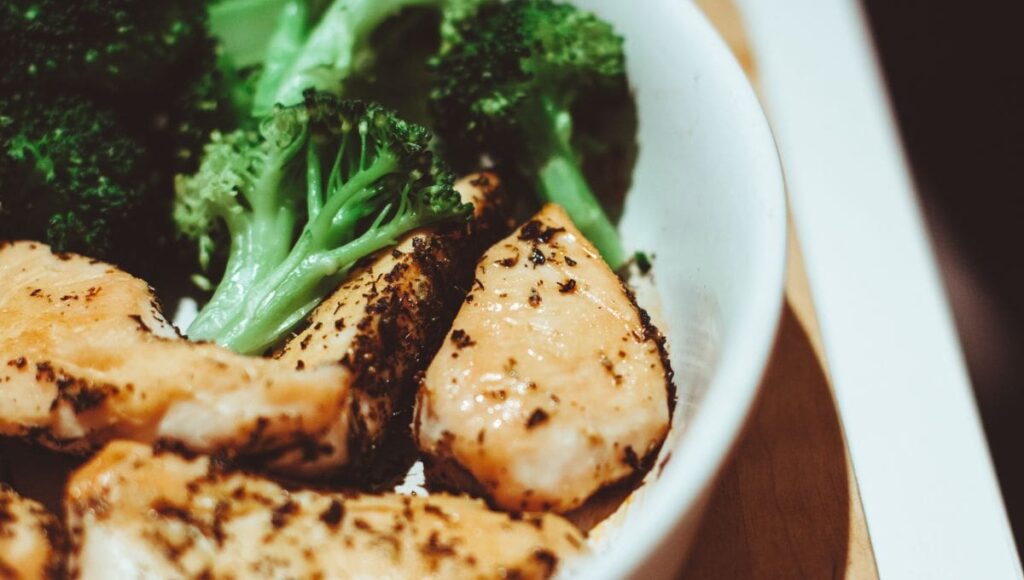
Chicken breast is a staple in many bodybuilding diets due to its high protein content and low fat. It is also versatile and easy to prepare in various ways to avoid dietary monotony.
Nutritional Profile:
- Protein: Approximately 31 grams per 100 grams
- Fat: Approximately 3.6 grams per 100 grams
- Calories: Approximately 165 kcal per 100 grams
Scientific Support:
A study published in the Journal of the International Society of Sports Nutrition highlighted that consuming lean protein sources like chicken breast significantly contributes to muscle mass gains and strength improvements in resistance-trained individuals (Antonio et al., 2014) . The high protein-to-fat ratio in chicken breast makes it an ideal food for muscle building without excessive calorie intake.
2. Greek Yogurt
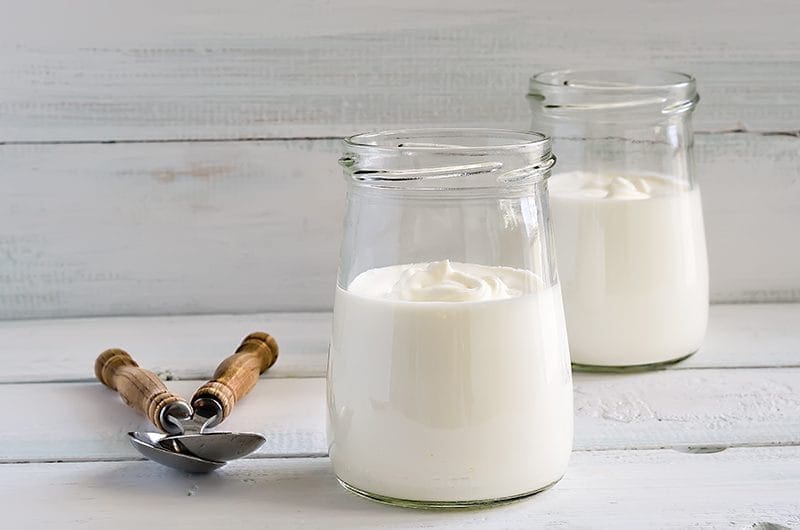
Greek yogurt is an excellent source of protein, providing both casein and whey proteins. Casein is a slow-digesting protein that supplies a steady release of amino acids, while whey is fast-digesting, making Greek yogurt an excellent post-workout recovery food.
Nutritional Profile:
- Protein: Approximately 10 grams per 100 grams
- Fat: Approximately 0.4 grams per 100 grams (for non-fat Greek yogurt)
- Calories: Approximately 59 kcal per 100 grams
Scientific Support:
Research published in the American Journal of Clinical Nutrition has shown that dairy proteins, such as those found in Greek yogurt, are effective in promoting muscle protein synthesis and supporting muscle recovery post-exercise (Tang et al., 2009) . Greek yogurt’s unique combination of whey and casein proteins makes it particularly beneficial for both immediate and sustained protein availability.
3. Salmon

Salmon is not only rich in high-quality protein but also in omega-3 fatty acids, which have been shown to support muscle health and reduce inflammation.
Nutritional Profile:
- Protein: Approximately 25 grams per 100 grams
- Fat: Approximately 13 grams per 100 grams
- Calories: Approximately 206 kcal per 100 grams
Scientific Support:
A study in the American Journal of Clinical Nutrition indicated that omega-3 fatty acids found in salmon can enhance the anabolic response to protein consumption and resistance exercise (Smith et al., 2011) . The anti-inflammatory properties of omega-3s also aid in quicker recovery, allowing for more effective and frequent workouts.
4. Eggs

Eggs are one of the most complete protein sources available, containing all nine essential amino acids. They are highly versatile and can be included in various meals throughout the day.
Nutritional Profile:
- Protein: Approximately 13 grams per 100 grams (one large egg contains about 6 grams of protein)
- Fat: Approximately 11 grams per 100 grams
- Calories: Approximately 155 kcal per 100 grams
Scientific Support:
Research published in the Journal of Nutrition has demonstrated that whole egg consumption post-resistance exercise results in greater muscle protein synthesis compared to an equivalent amount of protein from egg whites alone (van Vliet et al., 2017) . This highlights the importance of consuming whole eggs to maximize muscle-building benefits.
5. Quinoa
Quinoa is a plant-based protein that is unique due to its complete amino acid profile, making it an excellent protein source for vegetarians and vegans aiming for muscle growth.
Nutritional Profile:
- Protein: Approximately 14 grams per 100 grams (cooked)
- Fat: Approximately 6 grams per 100 grams
- Calories: Approximately 120 kcal per 100 grams
Scientific Support:
A study published in the Journal of the Science of Food and Agriculture indicated that quinoa’s high protein content and complete amino acid profile make it a superior grain for supporting muscle growth and recovery (Tang et al., 2015) . Quinoa’s versatility also makes it easy to incorporate into a variety of meals.
Integrating These Foods into Your Diet
Incorporating these high-protein foods into your diet can significantly enhance your muscle-building efforts. Here are some practical tips on how to do so:
Meal Planning Tips:
- Breakfast: Start your day with a high-protein meal such as a Greek yogurt parfait with nuts and berries or scrambled eggs with vegetables.
- Lunch: Opt for a salad topped with grilled chicken breast or a quinoa and black bean bowl for a plant-based option.
- Dinner: Include salmon as the main protein source, accompanied by a side of steamed vegetables and quinoa.
- Snacks: Keep boiled eggs or Greek yogurt handy for a quick protein boost between meals.
Post-Workout Nutrition:
Consuming a protein-rich meal or snack within 30 minutes post-workout can help maximize muscle protein synthesis. Greek yogurt smoothies or a salmon salad are excellent choices for post-exercise recovery.
Conclusion
Achieving a jacked V-shaped torso requires a combination of consistent strength training and strategic nutrition. Incorporating high-protein foods like chicken breast, Greek yogurt, salmon, eggs, and quinoa into your diet can provide the necessary nutrients to support muscle growth, repair, and overall health. Backed by scientific evidence, these foods not only aid in muscle development but also offer additional health benefits that can contribute to a well-rounded fitness regimen.
Key Takeaways
| Food | Protein per 100g | Key Benefits | Notable Studies |
|---|---|---|---|
| Chicken Breast | 31g | High protein-to-fat ratio, versatile, aids in muscle mass gain and strength improvements | Antonio et al., 2014 |
| Greek Yogurt | 10g | Contains both whey and casein proteins, promotes muscle protein synthesis, supports recovery | Tang et al., 2009 |
| Salmon | 25g | Rich in omega-3 fatty acids, enhances anabolic response, reduces inflammation, supports muscle health | Smith et al., 2011 |
| Eggs | 13g | Complete protein source, promotes greater muscle protein synthesis when consumed whole | van Vliet et al., 2017 |
| Quinoa | 14g | Plant-based complete protein, supports muscle growth and recovery, versatile for meal incorporation | Tang et al., 2015 |
Bibliography
Antonio, J., Ellerbroek, A., Silver, T., Vargas, L., & Peacock, C. (2014). A high protein diet has no harmful effects: a one-year crossover study in resistance-trained males. Journal of the International Society of Sports Nutrition, 11(1), 19.
Tang, J. E., Moore, D. R., Kujbida, G. W., Tarnopolsky, M. A., & Phillips, S. M. (2009). Ingestion of whey hydrolysate, casein, or soy protein isolate: effects on mixed muscle protein synthesis at rest and following resistance exercise in young men. American Journal of Clinical Nutrition, 89(1), 161-168.
Smith, G. I., Atherton, P., Reeds, D. N., Mohammed, B. S., Rankin, D., Rennie, M. J., & Mittendorfer, B. (2011). Omega-3 polyunsaturated fatty acids augment the muscle protein anabolic response to hyperinsulinaemia-hyperaminoacidaemia in healthy young and middle-aged men and women. American Journal of Clinical Nutrition, 93(2), 402-412.
van Vliet, S., Burd, N. A., & van Loon, L. J. C. (2017). Whole egg ingestion stimulates myofibrillar protein synthesis more than isonitrogenous amounts of egg whites in young men. Journal of Nutrition, 147(2), 149-156.
Tang, Y., Li, X., Zhang, B., Chen, P. X., Liu, R., & Tsao, R. (2015). Characterisation of phenolics, betanins, and antioxidant activities in seeds of three Chenopodium quinoa Willd. genotypes. Journal of the Science of Food and Agriculture, 95(15), 2996-3004.
FAQs
How much protein do I need to build muscle effectively?
The recommended protein intake for muscle building varies depending on several factors, including age, sex, weight, and activity level. Generally, it is suggested that individuals aiming to build muscle should consume about 1.6 to 2.2 grams of protein per kilogram of body weight per day. For a 70 kg (154 lbs) man, this translates to approximately 112 to 154 grams of protein daily. It is also beneficial to spread protein intake evenly throughout the day to maximize muscle protein synthesis.
Can I get enough protein from plant-based sources like quinoa alone?
Yes, it is possible to get sufficient protein from plant-based sources, but it often requires a more varied diet to ensure you’re getting all essential amino acids. Quinoa is a unique plant-based protein because it contains all nine essential amino acids, making it a complete protein. However, incorporating other plant-based proteins such as lentils, chickpeas, tofu, and nuts can help ensure a balanced amino acid profile. For those following a vegetarian or vegan diet, combining different plant-based protein sources throughout the day is key to meeting protein needs.
Is it necessary to consume protein immediately after a workout?
While it’s beneficial to consume protein shortly after a workout to enhance muscle recovery and growth, the exact timing is not as critical as once believed. Current research suggests that the anabolic window, the period post-exercise when your body is most receptive to protein intake, can extend up to several hours after working out. Consuming a balanced meal with protein and carbohydrates within two hours post-exercise is generally sufficient. However, if you’re unable to have a meal soon after your workout, a protein-rich snack like a Greek yogurt smoothie or a boiled egg can be a convenient alternative.